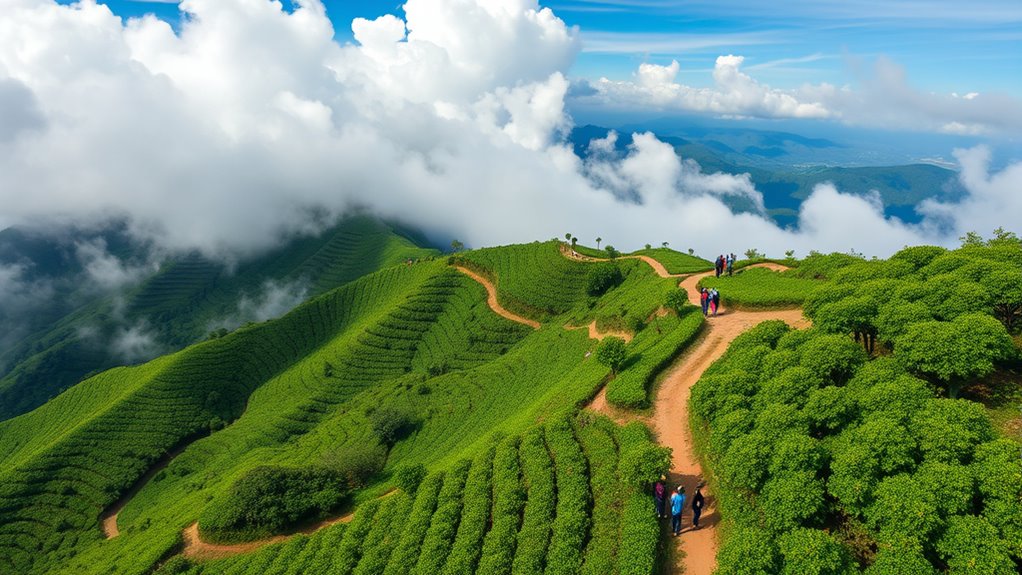

The Coffee Belt is the tropical zone around the equator where most of the world’s coffee is grown, spanning continents like South America, Africa, and Asia. Its warm temperatures, altitude, and volcanic soils create the perfect environment for rich, flavorful beans. Different regions produce unique flavors based on local climates and soil, and coffee’s importance goes beyond taste—it’s essential for local economies and cultures. Keep exploring to discover how these factors shape your favorite brew.
Key Takeaways
- The Coffee Belt encircles the Earth along the equator, spanning tropical regions across five continents.
- Climate, altitude, and soil type in the belt influence coffee flavor and quality.
- Arabica and Robusta varieties thrive in different zones within the belt based on altitude and temperature.
- The belt’s environmental conditions shape distinctive regional coffee profiles and cultural traditions.
- Sustainable farming practices in the belt are vital for environmental health and long-term coffee production.

Lavazza Espresso Whole Bean Coffee, Medium Roast, 100% Arabica, 2.2 lb Bag (Pack of 1)
- Product Type: Whole Bean Coffee Bag
- Weight: 2.2 lb
- Use Cases: Espresso or Drip Coffee
As an affiliate, we earn on qualifying purchases.
As an affiliate, we earn on qualifying purchases.
Understanding the Geography of the Coffee Belt
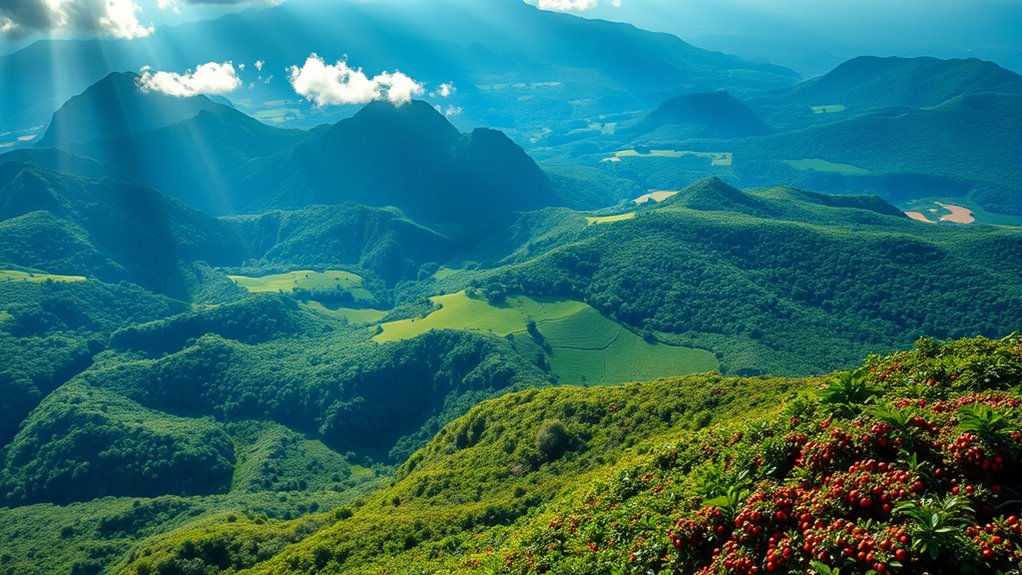
To understand the geography of the Coffee Belt, you need to recognize that it’s a band circling the Earth along the equator, roughly between 23.5° North and 23.5° South latitude. This belt spans about 5,100 kilometers (3,200 miles) along the North-South axis and crosses five continents: South America, North America, Africa, Asia, and Oceania. It includes over 70 countries with suitable conditions for coffee growth, such as Brazil, Ethiopia, Vietnam, and Colombia. The region features tropical to subtropical climates, moderate temperatures, and specific altitudes that allow coffee plants to thrive. Its geography creates a diverse environment that supports both high-quality Arabica and hardy Robusta varieties, shaping the global coffee industry. Additionally, climate factors such as rainfall and humidity play a crucial role in determining the quality and flavor profiles of coffee produced in this region. Recognizing the influence of geographical diversity and microclimates helps in understanding the unique characteristics of coffee from different areas within the belt. Moreover, climate variability can significantly impact harvests and coffee quality year to year. Variations in altitude also influence the flavor and growth conditions of coffee plants across the belt.
Climate and Environmental Conditions That Shape Coffee Flavor
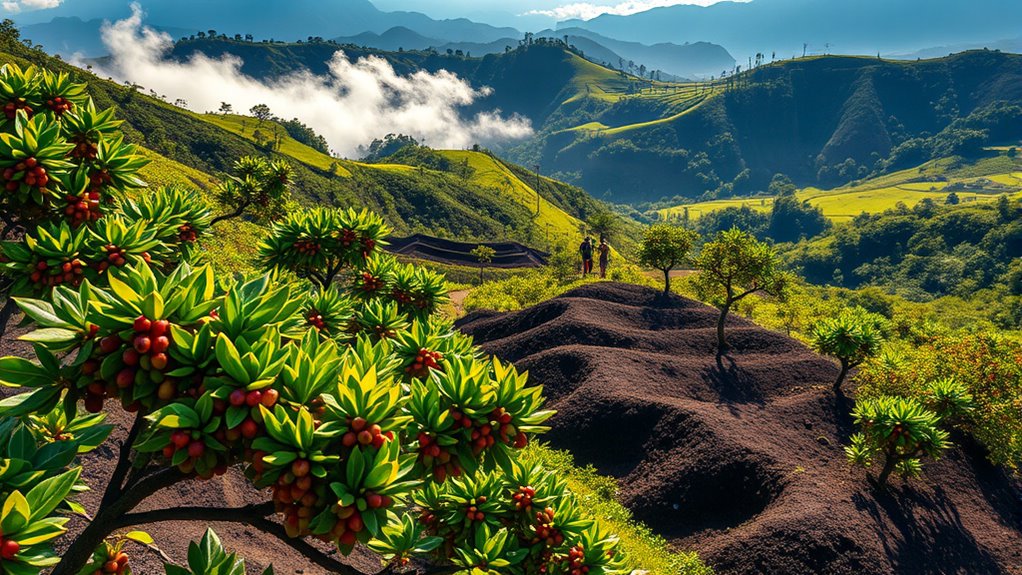
The climate and environmental conditions within the Coffee Belt play a crucial role in shaping the flavor profile of the beans you enjoy. Temperature influences bean development; temperatures between 15°C and 24°C promote slow maturation, which enhances complexity and acidity. Altitude is equally important—higher elevations, typically above 1,000 meters, produce beans with brighter, more nuanced flavors due to cooler temperatures and longer growth cycles. Volcanic soils enrich the land, giving beans mineral depth and balance. The region’s distinct wet and dry seasons regulate flowering and harvesting, affecting bean size and taste. Stable, moderate conditions at altitude help develop unique flavor characteristics, making climate and environment essential to the diversity and quality of coffee you savor. Additionally, the soil composition within the Coffee Belt influences nutrient availability, further impacting the growth and flavor of coffee beans.
The Varieties and Cultivation of Coffee Across the Belt
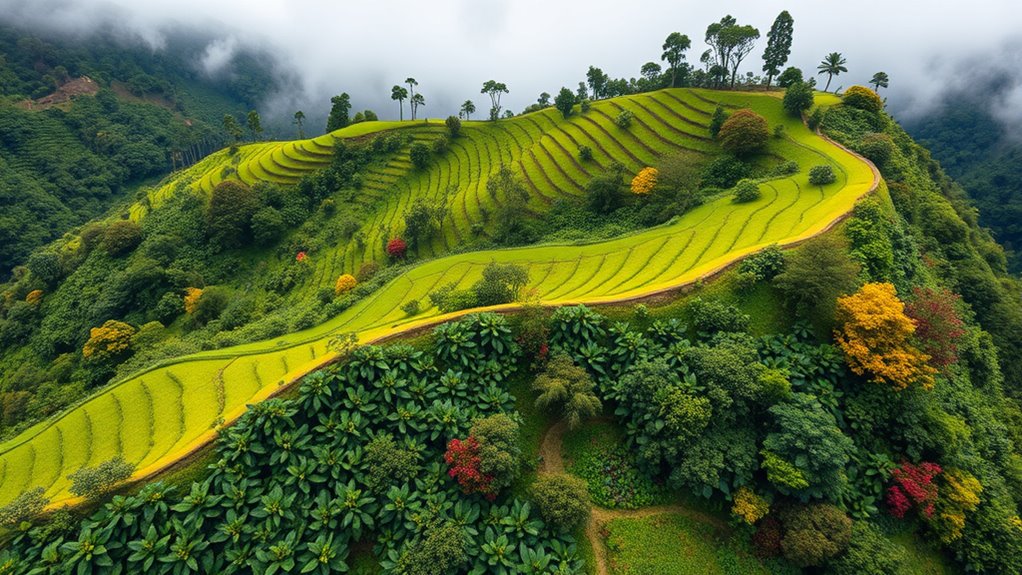
Across the Coffee Belt, different coffee varieties thrive thanks to the region’s diverse climates, altitudes, and soils. You’ll find Arabica thriving in high-altitude, cooler areas, known for complex flavors. Robusta prefers lower, warmer elevations, offering a stronger, more bitter profile. Countries like Brazil grow mainly Arabica at lower altitudes, while Ethiopia and Colombia cultivate high-grown Arabica for distinctive tastes. Coffee cultivation often occurs in shaded, biodiverse environments, promoting sustainability. These conditions also influence the flavor profiles and quality of the coffee produced, with microclimate variations playing a crucial role in shaping unique taste characteristics. Variations in soil composition and rainfall further contribute to the distinctive qualities of each coffee region, which are essential for sustainable farming practices that support long-term ecological health. Additionally, adopting climate-resilient techniques is increasingly important to adapt to changing environmental conditions and ensure ongoing production.
Economic and Cultural Significance of Coffee in the Region
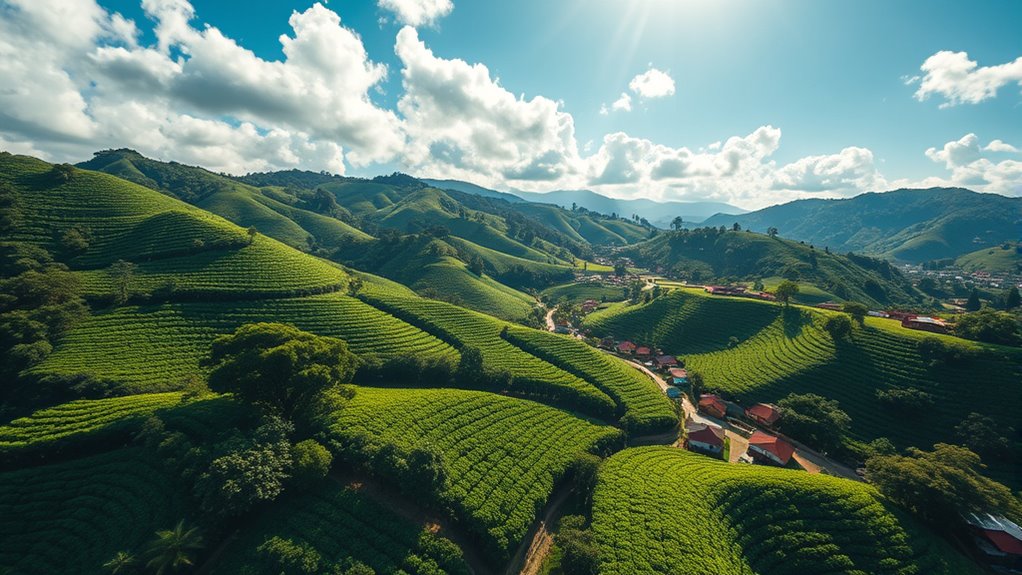
Coffee plays an essential role in shaping the economies and cultures of countries within the Belt, providing millions of people with livelihoods and community identity. It fuels local economies through farming, processing, and export activities, often representing a major income source. Coffee also influences social interactions and traditions, creating shared rituals and cultural pride. Within the region, you’ll find:
Coffee shapes economies and cultures across the Belt, fostering livelihoods, community, and shared traditions worldwide.
- Significant employment opportunities in cultivation, processing, and trade sectors.
- Contributions to national GDPs, especially in countries like Brazil, Ethiopia, and Vietnam.
- Unique cultural practices surrounding coffee consumption, from Ethiopian coffee ceremonies to Colombian social gatherings.
This industry sustains rural communities and fosters a sense of identity, making coffee more than just a crop — it’s a crucial part of regional life and heritage. Wall organization systems are often used in coffee shops and cafes to create a welcoming and organized environment that enhances the customer experience. Additionally, understanding the economic impact of coffee helps highlight its importance beyond just the beverage itself. Recognizing the significance of quality control in coffee production also ensures that consumers receive a consistent and high-quality product, which is vital for maintaining regional reputation and economic stability. Implementing sustainable practices in coffee cultivation supports environmental conservation and promotes long-term economic resilience for local farmers.
Challenges and Sustainable Practices in Coffee Farming
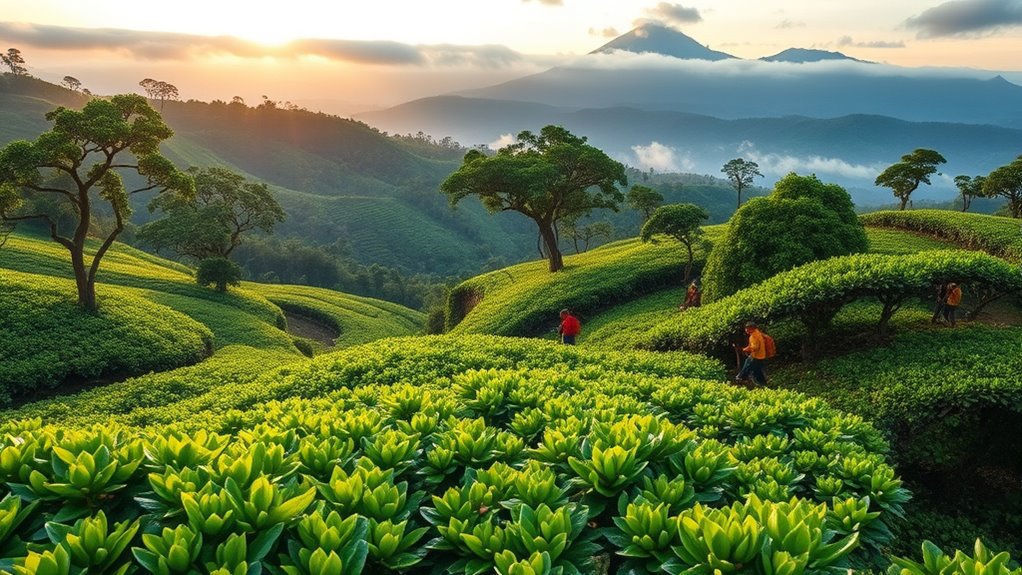
Climate change, pests, and fluctuating market demands pose significant challenges for coffee farmers within the Belt. Rising temperatures and irregular rainfall disrupt traditional growing seasons and reduce yields, making crops more vulnerable to diseases like coffee rust and pests such as the coffee borer beetle. To combat these issues, farmers adopt sustainable practices like shade-grown coffee, which helps moderate temperatures, preserve biodiversity, and improve resilience. Implementing organic farming reduces chemical use, protecting ecosystems and ensuring healthier beans. Additionally, many farmers are embracing agroforestry, crop diversification, and water-efficient techniques. These strategies not only safeguard environmental health but also stabilize incomes and support long-term productivity, ensuring coffee farming remains viable despite climate and market uncertainties. The adoption of sustainable farming practices is essential for the future of coffee cultivation in the Belt. Transparency in affiliate relationships and the use of cookies can also play a role in supporting sustainable initiatives by providing valuable insights and funding sources for ongoing improvements.
Frequently Asked Questions
How Does Altitude Affect Coffee Bean Flavor Profiles?
Altitude substantially impacts your coffee’s flavor profile by slowing bean maturation, which enhances complexity and brightness. When you grow coffee at higher elevations, the cooler temperatures allow the beans to develop more nuanced flavors, often with brighter acidity and floral or fruity notes. Lower altitudes tend to produce beans with bolder, earthier, or more bitter qualities. So, the higher the altitude, the more vibrant and sophisticated your coffee’s taste tends to be.
What Are the Main Differences Between Arabica and Robusta Coffees?
You’ll notice that Arabica coffee tends to be milder, with sweeter, more complex flavors and a smoother finish, often grown at higher elevations for better quality. Robusta, on the other hand, is bolder, more bitter, and contains more caffeine, thriving at lower altitudes. It’s often used in espresso blends and instant coffees for its strong, earthy taste and resilience. Your choice depends on your preference for flavor and caffeine strength.
How Does Climate Change Threaten Coffee Belt Regions?
Climate change threatens Coffee Belt regions by causing rising temperatures, shifting rainfall patterns, and increased extreme weather events. These changes disrupt ideal growing conditions, reducing yields and quality. You might notice smaller or less flavorful beans, and farmers may struggle to adapt. As temperatures rise, some areas could become unsuitable for coffee cultivation, forcing farmers to relocate or switch varieties, which impacts local economies and the global coffee supply.
Why Is Shade-Grown Coffee Environmentally Beneficial?
Imagine a lush canopy of leaves filtering sunlight, casting gentle shadows over coffee plants. Shade-grown coffee benefits the environment by preserving native forests, supporting biodiversity, and maintaining soil health. It reduces the need for chemical inputs, prevents erosion, and keeps temperatures stable. You help protect delicate ecosystems when choosing shade-grown coffee, ensuring vibrant habitats thrive alongside your morning brew, fostering a sustainable future for coffee-growing regions.
How Do Cultural Traditions Influence Coffee Cultivation Worldwide?
You notice that cultural traditions shape how coffee is cultivated worldwide by influencing farming methods, processing techniques, and even flavor preferences. In Ethiopia, for example, communal harvesting is common, while in Colombia, careful hand-picking guarantees quality. These traditions also affect certification standards and brewing styles, creating regional identities. Your appreciation for diverse coffee flavors is rooted in these cultural practices that have been passed down through generations, enriching the global coffee experience.
Conclusion
Knowing where your coffee comes from helps you appreciate its unique story—like a vintage record spinning tales of mountain slopes and lush rainforests. By understanding the climate, varieties, and challenges farmers face, you become part of a global community that values sustainable practices. Just as the Renaissance period revived art and ideas, today’s coffee industry is evolving toward more responsible cultivation. So sip mindfully, and remember, each cup holds centuries of history and hope.