

Your imported coffee habits impact the environment through transportation emissions, water use, and energy consumption. They also influence local communities’ economic stability and development, especially if supply chains are unstable or controlled by large corporations. Certifications like Fair Trade aim to promote sustainable farming and fair wages, but they can vary in credibility. To enjoy coffee responsibly, you can choose brands focused on ethical sourcing and sustainability; learn more about how your choices can support a healthier planet and communities.
Key Takeaways
- Imported coffee contributes to carbon emissions through transportation, processing, and energy use, raising environmental sustainability concerns.
- Supply chain practices impact local communities’ economic stability and development, influencing social sustainability.
- Certification labels aim to ensure ethical standards but vary in rigor, affecting consumer trust and true sustainability.
- Fair Trade and sustainable farming practices support farmer livelihoods, environmental health, and community well-being.
- Consumer choices and emerging technologies like blockchain can promote transparency and encourage sustainable coffee consumption.

Amazon Fresh, Organic Fair Trade Peru Whole Bean Coffee, Medium Roast, 12 Oz
- Fragrant Medium Roast Coffee: Smooth finish and rich aroma
- 12-Ounce Whole Bean Bag: Freshly roasted coffee beans
- 100% Arabica Coffee: Grown in Peru for quality
As an affiliate, we earn on qualifying purchases.
As an affiliate, we earn on qualifying purchases.
What Is the Environmental Impact of Imported Coffee?

Imported coffee’s environmental impact is significant and complex. When you choose imported coffee, you contribute to its carbon footprint, which includes emissions from transportation and processing. Shipping beans across continents releases greenhouse gases, adding to climate change. Water usage is another concern; coffee cultivation often requires large amounts of water, straining local resources. In some regions, this leads to water scarcity and affects nearby ecosystems. The energy needed for roasting, packaging, and transporting also adds to environmental strain. While coffee is a beloved beverage, understanding its true environmental costs helps you make more conscious choices. Reducing your carbon footprint and water consumption can be achieved by exploring sustainable options or local alternatives, ultimately lessening the overall environmental burden of your coffee habits. Additionally, implementing proper cultivation techniques can reduce the environmental impact of coffee farming. Recognizing the importance of sustainable farming practices can help mitigate some of these issues and promote more eco-friendly coffee production. Being aware of carbon emissions from transportation highlights the importance of supporting local coffee producers to decrease environmental impacts. Moreover, choosing certified sustainable coffee can significantly lessen your contribution to environmental degradation. Supporting initiatives that promote low-impact farming can lead to long-term benefits for ecosystems and local communities.
How Do Coffee Supply Chains Affect Local Communities?
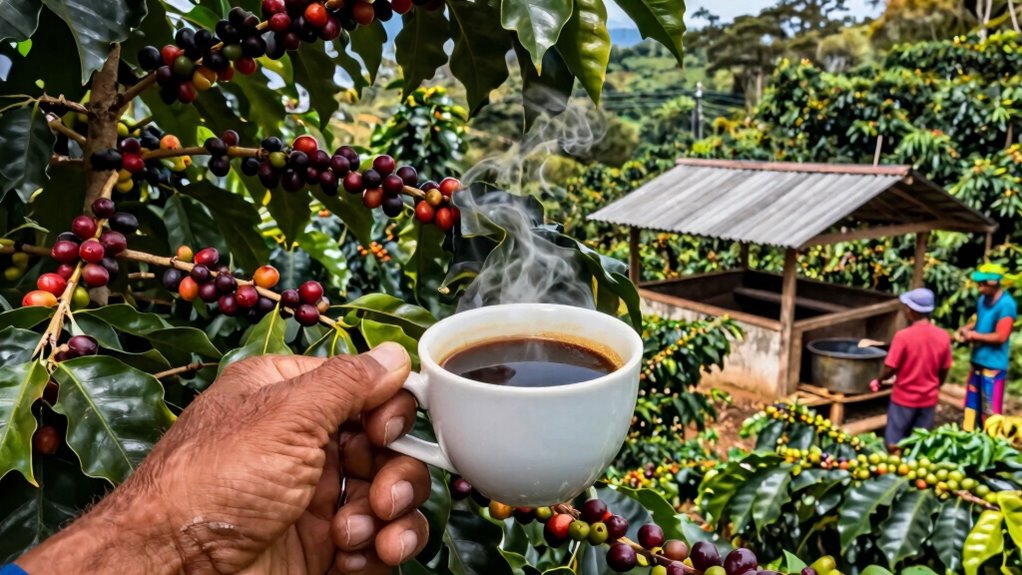
Your choice of imported coffee directly impacts local communities, especially farmers who depend on fair prices for their livelihood. Supply chains can also pose environmental risks and make community development more difficult when profits don’t reach those on the ground. Understanding these connections helps you see how your coffee habits shape the well-being of these communities.
Economic Impact on Farmers
Coffee supply chains directly influence the livelihoods of local farmers, often determining their economic stability and community well-being. When supply chains are well-organized and transparent, farmers can secure fair prices, which supports their farmer livelihoods and encourages sustainable practices. However, unstable market conditions and price fluctuations can threaten their economic security, forcing farmers to take on debt or abandon coffee growing altogether. Large corporations often control pricing and export agreements, limiting farmers’ ability to negotiate better deals. This imbalance affects local communities by reducing income, decreasing investment in education and infrastructure, and perpetuating poverty. Strengthening market stability and ensuring fair compensation are essential to help farmers thrive, maintain their livelihoods, and foster resilient, prosperous communities. Additionally, implementing transparent supply chains can help build trust and accountability, ultimately benefiting both farmers and consumers.
Environmental Sustainability Concerns
How do supply chains impact the environment in local communities? They often lead to increased waste and strain on resources. Coffee waste, for example, is a significant issue, as discarded husks and pulp can pollute waterways if not properly managed. This waste can harm local ecosystems and disrupt urban farming efforts, which many communities rely on as sustainable food sources. Additionally, transportation emissions from long supply chains contribute to pollution and climate change, affecting nearby environments. When coffee is imported, local communities may also face deforestation to expand plantations, further damaging natural habitats. Proper battery maintenance and efficient energy use in processing facilities can help reduce some of these environmental impacts. The environmental consequences of extensive supply chains highlight the importance of sustainable practices in coffee production, ensuring that local ecosystems are protected and that waste is minimized to support healthier communities. Implementing eco-friendly farming methods can significantly decrease the environmental footprint of coffee cultivation and help preserve biodiversity. Moreover, adopting sustainable transportation practices can further reduce emissions associated with coffee distribution. sustainable practices are essential to mitigating these impacts and promoting eco-friendly coffee consumption.
Community Development Challenges
The pathways that bring coffee from farms to your cup can considerably shape the well-being of local communities. When supply chains prioritize efficiency over sustainability, they often ignore the needs of those nearby, causing economic disparities. In some regions, urban agriculture offers a solution by empowering communities to grow food locally, reducing dependency on imported coffee. However, this shift can be hindered when traditional coffee supply chains dominate, limiting local development. Coffee innovation, like supporting smallholder farmers or implementing fair trade practices, can help address these challenges. By fostering community-centered approaches, you can contribute to more equitable development. Strengthening local economies and encouraging urban agriculture initiatives can improve community resilience, ensuring that coffee’s journey benefits everyone involved rather than just distant corporations. Additionally, understanding the ethics behind genetic testing and other consumer choices can enhance awareness of how supply chains impact both local and global communities. Promoting transparency in supply chains can also help consumers make more informed and ethically responsible decisions, supporting sustainable practices that benefit local communities.
What Do Coffee Certifications Really Mean?

Coffee certifications are meant to guarantee certain standards, but what do they actually confirm? These standards aim to promote sustainability, fair labor practices, and quality, yet their impact varies. Understanding what certification labels really mean helps you make more informed choices about the coffee you buy. Additionally, certification labels can sometimes be misleading or inconsistent across different regions and organizations. Recognizing the role of certification in shaping sustainable practices is essential for consumers seeking to support ethical and environmentally friendly coffee production.
Certification Standards Explained
Ever wonder what those certification labels on your coffee bag truly signify? Certification standards are the rules producers must meet to earn these labels, guaranteeing practices like fair wages, environmental protection, or organic farming. These standards are developed by certifying organizations, which set criteria for sustainability and ethical practices. Certification verification is how these organizations confirm that farmers and companies actually follow their rules—often through audits, site visits, or documentation checks. It’s a thorough process designed to prevent false claims and ensure credibility. When you see a certification label, you’re trusting that the product aligns with specific standards. However, it’s important to understand that certification isn’t foolproof; verification can vary in rigor, and standards may differ between certifying bodies. Additionally, some certifications may incorporate astrological compatibility or cultural beliefs, which can influence the perceived authenticity or value of the certification. Understanding the certification process and the standards involved can help consumers make more informed choices about the coffee they enjoy.
Impact on Sustainability
While certification labels aim to promote sustainable practices, their actual impact on environmental and social well-being can be mixed. Certifications often overlook cultural traditions that shape local coffee communities, risking the loss of heritage. A deeper understanding of certification standards reveals that they may not fully address the complexities of local contexts. Consumer awareness is key—you might think you’re making a positive difference, but labels don’t always guarantee fair treatment or environmental health. Sometimes, certifications focus on specific criteria, ignoring broader issues like water use or social equity. This can lead to misleading claims that give consumers a false sense of ethical consumption. The emotional stakes are highlighted in this table:
| Positive Impact | Limitations & Concerns |
|---|---|
| Supports eco-friendly farming | Can obscure cultural traditions |
| Encourages fair wages | Sometimes superficial or misleading |
| Promotes biodiversity | May neglect local community needs |
| Raises consumer awareness | Certification costs can exclude small farmers |
| Drives industry accountability | Not all labels are equally rigorous |
How Fair Trade Supports Sustainable Coffee Farming
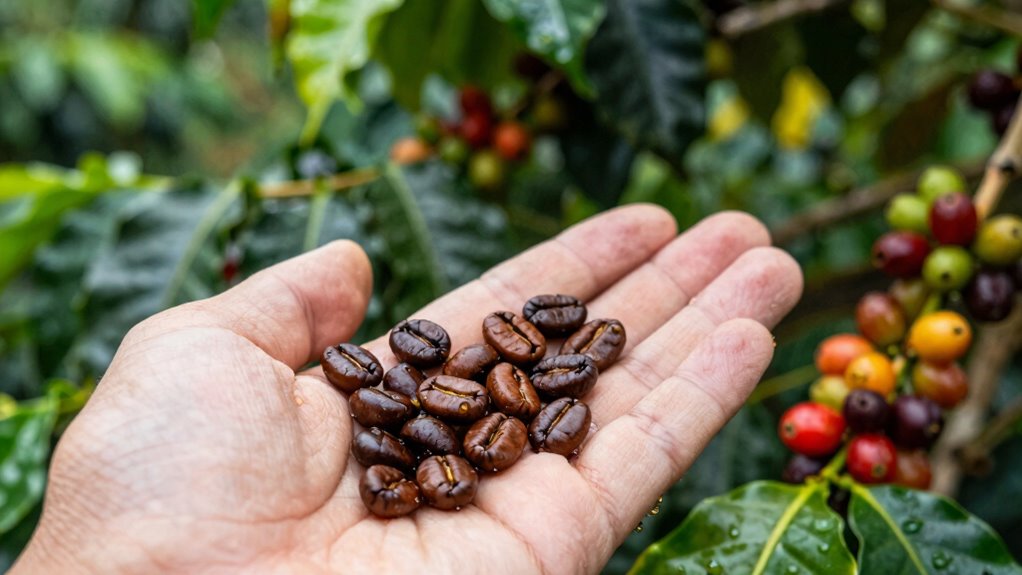
How does Fair Trade certification promote sustainable coffee farming? It guarantees that farmers receive fair compensation, which helps improve their livelihoods and encourages ethical sourcing. Fair trade standards require producers to follow environmentally friendly practices, such as reducing chemical use and conserving water. This certification empowers farmers to invest in better equipment and sustainable farming methods, reducing environmental impact. Additionally, Fair Trade promotes community development projects, like education and healthcare, strengthening local resilience. By choosing Fair Trade coffee, you support farmers committed to sustainability, fostering a more responsible and ethical supply chain. This approach not only benefits the environment but also promotes social equity, ensuring that coffee farming remains viable for future generations. Incorporating gold IRA markets into investment strategies can further support economic sustainability and diversification.
What Are the Main Challenges and Opportunities in Sustainable Coffee?

Sustainable coffee faces a range of challenges, but it also presents significant opportunities for positive change. One key challenge is adopting technological innovations that can improve farming practices, reduce environmental impact, and boost efficiency. These innovations often require upfront investment and training, which can be barriers for smallholders. Additionally, consumer awareness plays a vital role; when you understand the importance of sustainability, you’re more likely to support ethical brands. This shift in awareness encourages producers to adopt better practices and fosters demand for sustainably sourced coffee. The opportunity lies in harnessing these technological advances and educating consumers to create a market that values ethical and eco-friendly choices. Embracing sustainable farming methods can further enhance environmental benefits and ensure the long-term viability of coffee cultivation. Recognizing the importance of climate-resilient agriculture can help farmers adapt to changing environmental conditions and sustain their livelihoods. Moreover, leveraging innovative farming techniques can optimize resource use and improve crop resilience. Incorporating soil health management practices can significantly contribute to long-term sustainability and productivity. Integrating local knowledge and traditions into modern sustainability efforts can also provide valuable insights and culturally appropriate solutions. Together, these efforts can drive meaningful progress toward a more sustainable coffee industry.
How Can Consumers Choose Ethical Coffee?

Choosing ethical coffee starts with being informed about where and how your coffee is produced. Look for organic labels, which indicate the beans are grown without harmful pesticides and chemicals. Consumer awareness is key—know the brands that prioritize fair trade and sustainable practices. Here’s a quick guide:
| Certification | What It Means |
|---|---|
| Organic | Grown without synthetic chemicals |
| Fair Trade | Ensures fair wages and working conditions |
| Rainforest Alliance | Promotes environmental and social responsibility |
| Direct Trade | Builds direct relationships with farmers |
Focusing on these labels helps you support ethical practices and reduces environmental impact. By choosing products with these certifications, you make a conscious decision that benefits farmers, ecosystems, and communities.
What Are Future Trends in Sustainable Coffee and Responsible Consumption?

What are the upcoming trends shaping the future of sustainable coffee and responsible consumption? You’ll likely see more innovative farming techniques, such as agroforestry and regenerative agriculture, which improve soil health and reduce environmental impact. These methods support resilient coffee ecosystems and better resource management. Additionally, consumer activism continues to drive change, as more buyers demand transparency and ethical practices. You can expect brands to prioritize fair trade certifications and eco-friendly packaging, making it easier for you to make responsible choices. Technology will also play a bigger role, with blockchain providing traceability and authenticity. Incorporating detailed survival gear maintenance practices and understanding local environmental factors can help farmers adopt more sustainable methods. Embracing sustainable farming techniques is essential for ensuring the long-term health of coffee production systems. As awareness grows, responsible consumption will become a key driver for market shifts towards more sustainable and ethical coffee production. Furthermore, advancements in environmental monitoring can help optimize resource use and minimize ecological footprints. These trends reflect a growing commitment to sustainability, empowering you to support coffee that’s ethically produced while contributing to environmental preservation.
Frequently Asked Questions
How Does Coffee Packaging Impact Environmental Sustainability?
Your coffee packaging impacts environmental sustainability markedly. Opting for eco-friendly packaging made from biodegradable materials reduces waste and pollution. These materials break down naturally, minimizing landfill accumulation and lowering your carbon footprint. By choosing coffee packaged sustainably, you support environmental health and encourage brands to adopt greener practices. Ultimately, your choices can make a positive difference in reducing plastic waste and promoting a more sustainable coffee industry.
What Are the Social Effects of Coffee Farming on Indigenous Populations?
You might not realize it, but your coffee choice impacts indigenous populations deeply. When farmers prioritize indigenous rights, they often fight to preserve their cultural heritage amidst economic pressures. This struggle can lead to cultural preservation efforts or, conversely, exploitation and loss of traditions. Your support can tip the balance, empowering indigenous communities to maintain their identity. Stay aware—your coffee habit could be a catalyst for positive change or cultural erosion.
How Can Technology Improve Transparency in Coffee Supply Chains?
Technology can boost transparency in coffee supply chains through blockchain verification, which creates an immutable record of each step from farm to cup. You can access detailed information about the coffee’s origin, production methods, and fair-trade practices. This guarantees accountability, reduces fraud, and builds trust among consumers. By using blockchain, you gain confidence that your coffee is ethically sourced, supporting sustainable practices and benefiting local communities.
Are There Any Health Concerns Related to Sustainably Certified Coffees?
Sustainably certified coffees, like those with organic certification and fair trade practices, are generally safe to consume and don’t pose specific health concerns. These certifications guarantee the coffee is grown without harmful chemicals and supports fair labor conditions. However, some people may experience allergies or sensitivities to certain organic products. Always check labels for allergens, and if you have sensitivities, consult with a healthcare professional before choosing certified coffees.
How Do Climate Change Effects Vary Across Different Coffee-Growing Regions?
You’ll notice climate change impacts vary widely across coffee regions. For example, some high-altitude areas see a 1.5°C temperature rise, affecting bean quality and harvest timing. In lower-altitude zones, water availability decreases as droughts become more frequent, stressing coffee plants. These variations mean some regions face more severe challenges, disrupting traditional growing conditions and threatening future coffee supplies. Staying aware of these changes helps you understand the global effort needed to sustain coffee farming.
Conclusion
By choosing ethically sourced coffee, you hold immense power—more than you might realize—to reshape global farming practices and protect our planet. Every cup you sip can be a force of positive change, steering the coffee industry towards sustainability and fairness. If you stay conscious and demand responsible options, you’re not just enjoying coffee—you’re fueling a movement that could change the world. Your choices are the catalyst for a greener, fairer future for coffee lovers everywhere!