

Your coffee’s aftertaste reveals subtle flavor clues that hint at its quality, origin, and processing. You might notice fruity, spicy, or earthy notes lingering on your palate, influenced by roast level, brewing method, and freshness. Recognizing these nuances can guide you in choosing better beans and brewing techniques. Keep exploring, and you’ll discover how to interpret these taste hints more skillfully and find your perfect cup.
Key Takeaways
- The aftertaste reveals subtle flavor notes like fruit, spice, and earth that indicate coffee origin and processing methods.
- Lingering, bright aftertastes often signify freshness and high-quality beans, while bitterness may suggest over-extraction.
- Brewing variables such as temperature, time, and method influence the development and clarity of flavor clues in the aftertaste.
- Recognizing specific flavor notes helps identify the coffee’s roast level, origin, and overall quality.
- Analyzing the aftertaste’s complexity and balance guides preferences and informs selection of preferred coffee profiles.

Homely Accents Vintage Coffee Knowledge Tin Sign for Home Kitchen Bar Decor
- Unique Coffee Artwork: Witty Coffee Taster's Flavor Wheel design
- Durable Aluminum Build: High-quality, long-lasting aluminum material
- Perfect Gift for Coffee Lovers: Ideal for coffee enthusiasts and drinkers
As an affiliate, we earn on qualifying purchases.
As an affiliate, we earn on qualifying purchases.
What Is Coffee Aftertaste and Why Does It Matter?
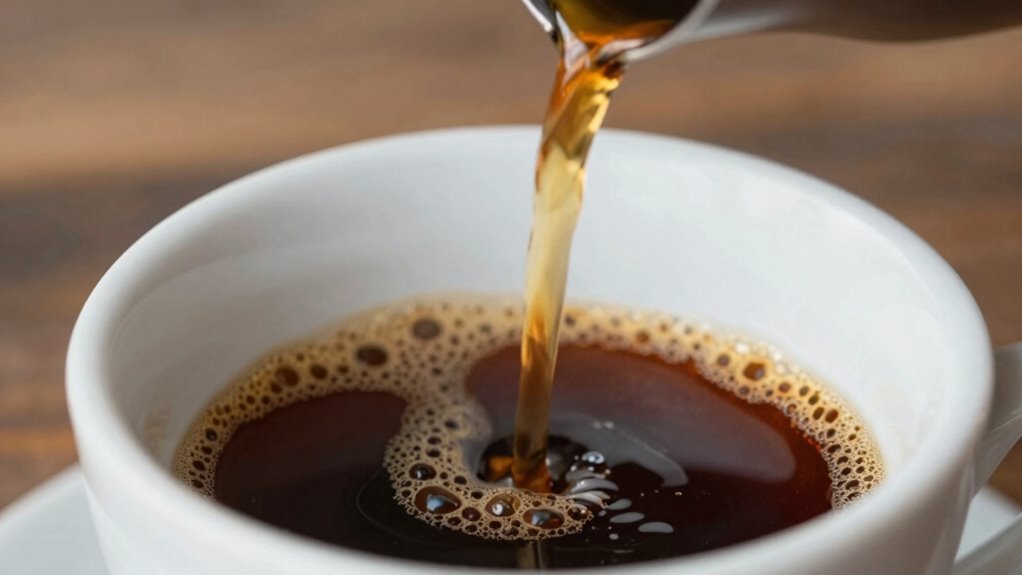
Even though many people focus on the aroma and initial taste of coffee, the aftertaste plays a essential role in the overall experience. It’s the lingering flavor that remains after you swallow, revealing deeper nuances of the coffee. Your perception of the coffee aroma during brewing influences the aftertaste, shaping what you taste afterward. Brewing temperature is fundamental here; if it’s too high or too low, it can alter the extraction process, affecting the aftertaste’s clarity and complexity. A well-brewed coffee with the right temperature allows the true flavors to shine through, giving you a richer aftertaste. This lingering flavor helps you evaluate the coffee’s quality and character, making every sip an ongoing adventure that extends beyond the initial taste. Additionally, calibration of brewing equipment can ensure consistent temperature control, further enhancing the aftertaste’s depth and clarity.
How Roast Level and Coffee Origin Shape Aftertaste

The level of roast and the origin of the coffee beans considerably influence the aftertaste you experience. Light roasts tend to highlight bright, fruity, and floral notes, which linger in your palate, while darker roasts often produce a smoky, bitter finish. Coffee bean genetics play a role here, as different varieties have unique flavor profiles that become more pronounced depending on the roast level. Additionally, brewing temperature effects are vital; higher temperatures can accentuate certain flavors, intensifying the aftertaste, while lower temps might mellow it. The origin also impacts flavor, with beans from different regions offering distinct aromatic and taste characteristics. By understanding these factors, you can better predict and appreciate the subtle nuances in your coffee’s aftertaste. Exploring regional flavors and coffee/tea culture enriches this understanding, revealing how traditional processing and local ingredients influence the final flavor profile. Recognizing flavor profile variations can help enthusiasts tailor their brewing methods to enhance specific aftertaste qualities. Moreover, considering the impact of processing methods can further refine the overall flavor experience. Knowing how processing techniques shape flavor profiles allows for a more intentional approach to brewing.
Techniques for Detecting and Analyzing Coffee Aftertaste
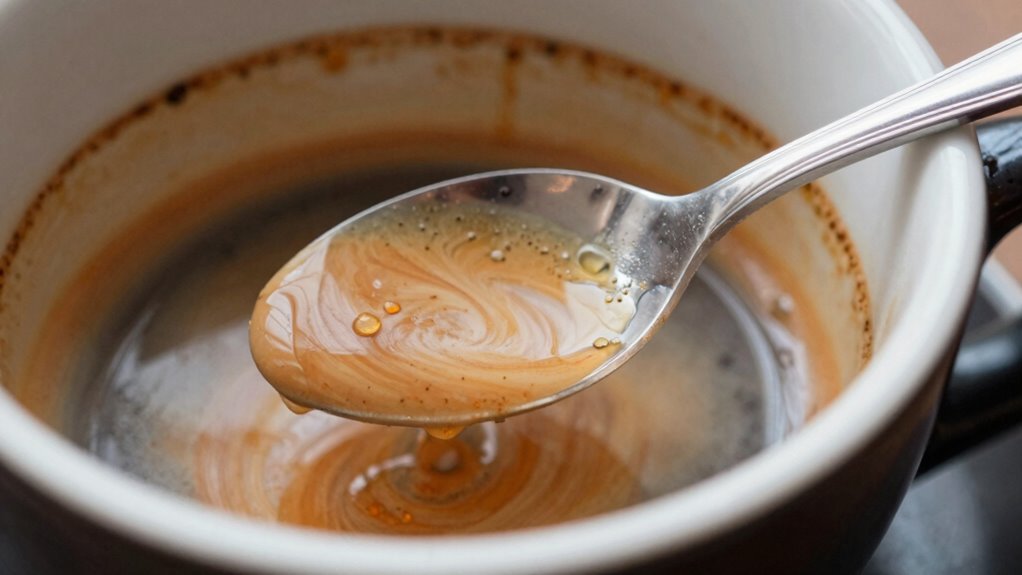
You can identify coffee aftertaste through sensory evaluation, which involves carefully tasting and noting flavor nuances. Using tools like the flavor wheel helps you systematically recognize specific taste qualities, while chemical analysis offers precise insights into the compounds responsible. Combining these techniques enhances your ability to detect and analyze aftertaste with accuracy. Incorporating tasting techniques can further refine your palate and improve your overall sensory assessment.
Sensory Evaluation Techniques
To accurately detect and analyze coffee aftertaste, sensory evaluation techniques rely on structured methods that engage your senses systematically. Begin with understanding how coffee bean harvesting impacts flavor; beans harvested at the right ripeness develop cleaner aftertastes. Proper grinder calibration ensures consistent particle size, which influences extraction and aftertaste clarity. When tasting, use a clean palate and take small sips, allowing the aroma and flavor to develop on your palate. Focus on the lingering sensations after swallowing, noting the intensity and character of the aftertaste. Take mental or written notes on subtle flavor shifts. Repeating this process with different beans and brew styles sharpens your ability to detect specific aftertaste qualities and improves your overall sensory evaluation skills.
Flavor Wheel Utilization
Utilizing a flavor wheel can considerably enhance your ability to identify and describe coffee aftertaste with greater accuracy. The wheel helps you categorize subtle flavor notes, connecting them to specific coffee bean chemistry. Recognizing how certain compounds influence aftertaste allows you to pinpoint flavors like acidity, sweetness, or bitterness more precisely. Additionally, understanding brewing temperature plays a crucial role; a higher temperature can extract different compounds, altering how flavors linger. By consistently referencing the flavor wheel during tasting, you develop a structured approach to detect nuanced aftertaste elements. This technique sharpens your palate and deepens your appreciation of how coffee chemistry and brewing variables shape the final flavor profile. Over time, you’ll become more adept at interpreting the complex clues hidden in a coffee’s aftertaste.
Chemical Analysis Methods
Chemical analysis methods provide a scientific way to identify and quantify the compounds responsible for coffee’s aftertaste. Techniques like gas chromatography-mass spectrometry (GC-MS) and liquid chromatography help you detect aromatic molecules influenced by coffee cultivation and bean preservation. These methods analyze how specific compounds evolve during roasting and storage, revealing their impact on flavor nuances. By examining volatile and non-volatile compounds, you gain insights into the subtle differences in aftertaste linked to different growing regions or processing methods. This precise analysis helps producers optimize cultivation practices and preserve bean quality, ensuring consistent flavor profiles. Additionally, understanding the importance of measurement tools used in labs enhances the accuracy of chemical analysis. Ultimately, chemical analysis bridges the gap between sensory perception and the chemical makeup, allowing you to better understand and control the complex aftertaste in every cup.
Common Fruit, Spice, and Earth Notes in Coffee’s Aftertaste

When tasting coffee’s aftertaste, you might notice fruit notes like berries or citrus that linger on your palate. Spice hints such as cinnamon or cardamom can add warmth, while earthy tones like soil or moss provide depth. Recognizing these flavors helps you better understand the coffee’s unique profile. Incorporating colorful presentation can enhance the sensory experience, encouraging exploration of subtle flavor nuances. Additionally, just as multi-mower setups in yard care can optimize the overall landscape, paying attention to these flavor complexities can create a more enriching tasting journey. Being mindful of how these notes interplay can deepen your appreciation for the coffee’s flavor profile. Furthermore, understanding the sound vibrations involved in sound healing practices can inspire new ways to enhance sensory experiences during tasting. Additionally, understanding the store return policies and hours of your favorite coffee brands or retailers can give you better insight into their product offerings and customer service standards.
Fruit Flavors in Coffee
Have you ever noticed a bright, fruity note lingering after a sip of your coffee? That lively flavor often comes from the coffee’s aroma and the freshness of the beans. When beans are freshly roasted, they retain more of their natural fruit qualities, which can translate into vibrant aftertaste notes. Common fruit flavors you might detect include berries, citrus, or apple-like tones. These flavors are influenced by the coffee’s origin and processing method, which can enhance or mute certain fruit notes. The aftertaste reveals subtle hints of these fruits, making each cup unique. Paying attention to the fruitiness in your coffee’s aftertaste can help you identify high-quality beans and appreciate the complexity behind each brew’s flavor profile. Additionally, understanding how processing methods impact flavor can deepen your appreciation for the diverse profiles in coffee.
Spice and Earth Notes
Spice and earth notes often add depth and complexity to your coffee’s aftertaste, enriching the overall flavor experience. When you notice a subtle spice harmony, such as hints of cinnamon, clove, or black pepper, it elevates the sensory pleasure. These spices can provide warmth and a touch of excitement to each sip. Earth notes, on the other hand, contribute earth complexity, evoking flavors like damp soil, moss, or cedarwood. They ground the coffee’s profile, adding a natural richness. Together, spice harmony and earth complexity create a balanced aftertaste that reveals the coffee’s unique character. Recognizing these notes helps you appreciate the nuanced layers of flavor, turning each cup into a more engaging tasting journey.
How Brewing Methods Change Coffee’s Flavor Clues
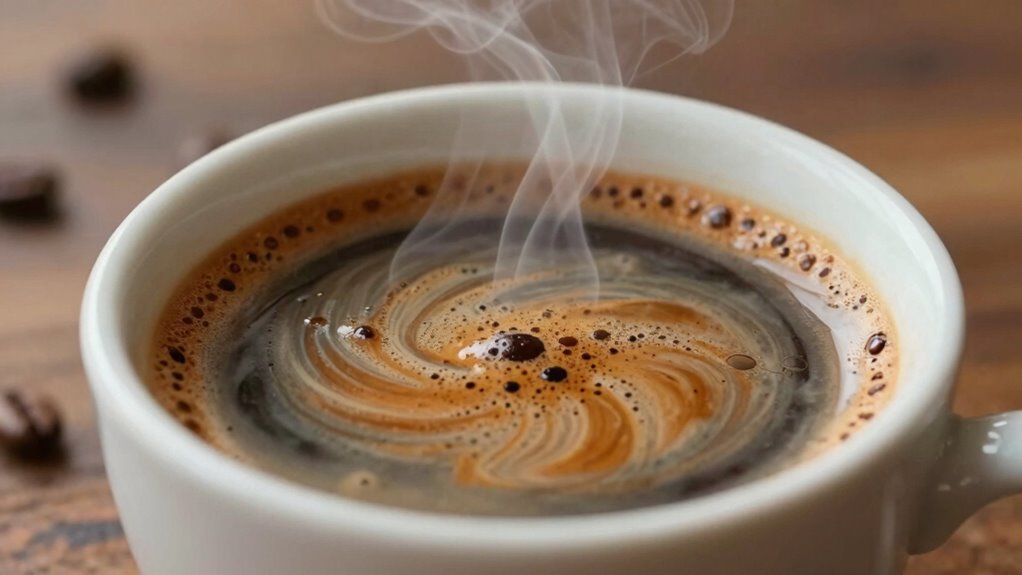
The way you brew your coffee considerably influences the flavor clues revealed in its aftertaste. Different brewing techniques impact flavor extraction, shaping the subtle notes you experience after each sip. For instance, methods like pour-over emphasize clarity and brightness, highlighting fruity and floral aftertastes. French press brewing tends to produce a fuller-bodied profile, bringing out rich, chocolatey, or nutty clues. Cold brew extraction yields smooth, mellow flavors with less acidity, affecting the aftertaste’s perception. Additionally, factors like brew time, grind size, and water temperature play essential roles in flavor extraction. Adjusting these variables allows you to control how pronounced certain aftertaste notes become, making each brewing method uniquely suited for revealing different flavor clues hidden within your coffee.
Tips to Improve Your Coffee Tasting Skills

Improving your coffee tasting skills starts with paying close attention to the sensory details in each sip. Focus on how the coffee’s flavor evolves, noting subtle changes that reveal information about coffee bean maturation—such as brightness or depth. Understanding how caffeine metabolism affects your perception can also sharpen your senses; faster metabolism might make you more sensitive to bitterness, while slower metabolism emphasizes sweetness. Practice regularly by tasting different brews side by side, and take notes on aroma, acidity, and aftertaste. Keep your palate fresh by avoiding strong flavors beforehand. Incorporating knowledge of coffee flavor profiles can further enhance your ability to identify nuanced tastes. Gaining awareness of sensory perception can help you refine your palate and distinguish even the most subtle flavor nuances. Recognizing how different factors like bean origin and roast level influence flavor helps you better decode the complex profile of each brew, allowing you to appreciate the variety of coffee tastes more deeply. Additionally, understanding how brewing methods impact flavor can assist in revealing specific notes and characteristics in your coffee. Over time, you’ll recognize how factors like bean origin and roast level influence flavor, helping you identify nuances and refine your ability to decode coffee’s complex profile. Recognizing signs of a twin flame connection can also deepen your appreciation for subtle energetic shifts, much like detecting complex flavor notes in coffee.
How to Use Aftertaste to Choose Your Ideal Coffee
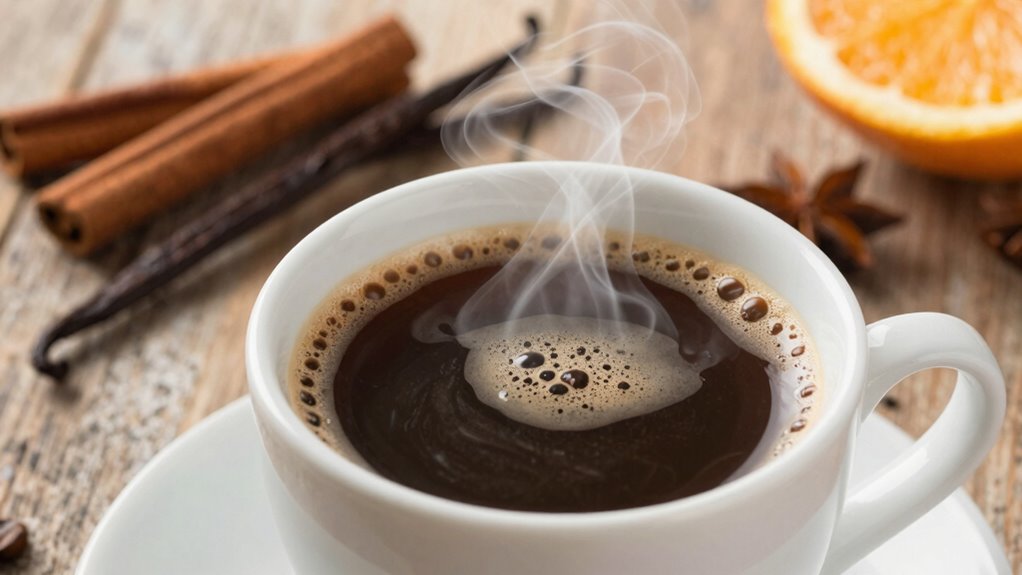
Aftertaste offers valuable clues that can help you select your ideal coffee. Pay attention to how long and how pleasant the aftertaste lingers, as it reveals the coffee’s complexity. For example, different coffee bean varieties produce distinct aftertastes—some are fruity, others nutty or spicy. Your preferred brewing temperature also influences the aftertaste; brewing too hot or cold can dull or exaggerate certain flavor notes. Use these tips to refine your choices:
Pay attention to the aftertaste’s duration and flavor to discover your perfect coffee match.
- Notice if the aftertaste is balanced or overwhelming
- Identify specific flavor notes that appeal to you
- Consider how the aftertaste evolves over time
- Match the aftertaste with your preferred bean variety or brewing method
- Incorporate natural filtration systems to maintain water quality, which can subtly affect the clarity and purity of the aftertaste in your brewed coffee. Additionally, understanding the complexity of flavor profiles can help you appreciate how different factors contribute to the final taste experience. Recognizing the impact of water quality can further enhance your ability to discern subtle flavor nuances and improve your overall coffee experience. Being aware of how water composition influences extraction can also lead to more consistent and satisfying results, especially when combined with knowledge of how water chemistry affects flavor extraction.
Understanding the Role of Aftertaste in Coffee Quality and Selection
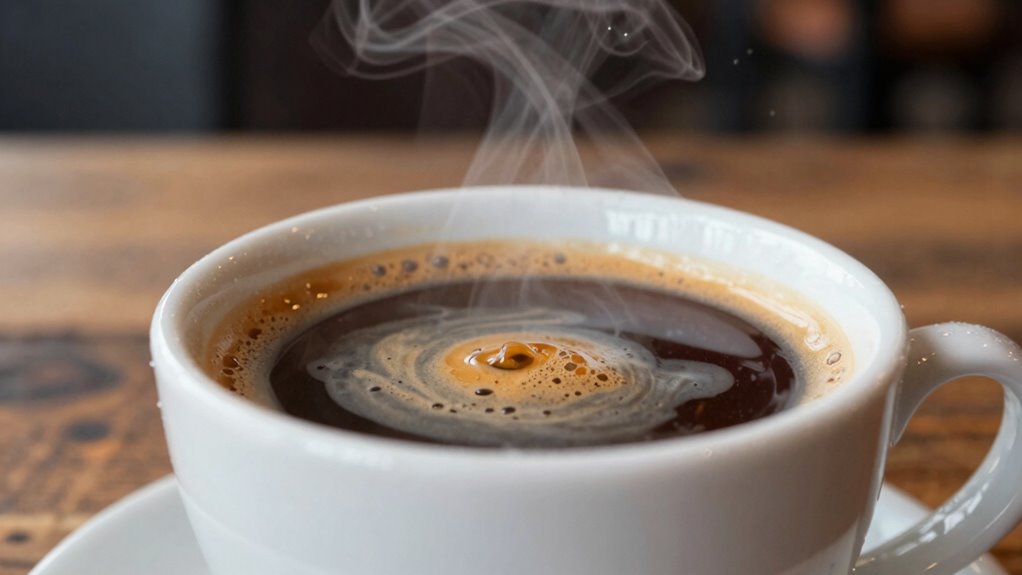
Recognizing the role of aftertaste can considerably enhance your ability to assess coffee quality. A lingering aftertaste reveals nuances about freshness and bean origin, helping you choose better beans. Proper coffee storage preserves these flavors, preventing staleness that dulls the aftertaste. Additionally, brewing techniques profoundly influence the aftertaste; for example, over-extraction can create bitter notes, while balanced extraction highlights complex flavors. By paying attention to the aftertaste, you can evaluate how well your brewing method preserves or enhances the coffee’s inherent qualities. A clean, bright aftertaste often indicates high-quality beans and good preparation. Understanding coffee grinding and its impact on extraction can further refine your ability to achieve the ideal aftertaste. Incorporating sensory evaluation techniques allows you to better detect subtle flavor nuances and improve your coffee choices. Exploring flavor profile analysis can deepen your appreciation of how different factors influence aftertaste and overall coffee quality. Recognizing storage techniques can also help maintain freshness and preserve the delicate flavors that contribute to a desirable aftertaste. Developing a tasting process can systematically improve your palate and consistency in coffee selection. Ultimately, understanding how aftertaste reflects freshness, storage, and brewing helps you select coffees that meet your flavor preferences and elevate your overall coffee experience.
Frequently Asked Questions
Can Coffee Aftertaste Vary Between Individual Tasters?
Yes, your personal taste and sensory perception can cause coffee aftertaste to vary between individuals. You might notice subtle differences based on your palate, experience, and even mood. These factors influence how you interpret flavors and aromas, making the aftertaste unique to you. So, what one person perceives as a lingering fruitiness, another might describe as a spicy note, highlighting the subjective nature of coffee tasting.
How Does Storage Affect Coffee’s Aftertaste?
Storage impact profoundly influences coffee’s aftertaste by affecting flavor development. When you store coffee improperly, exposure to air, moisture, or light can cause it to lose freshness and develop off-flavors, dulling its aftertaste. To preserve a vibrant aftertaste, keep your coffee in an airtight container, away from heat and light. Proper storage helps maintain the beans’ aromatic oils, ensuring the aftertaste remains rich and true to its original flavor profile.
Are There Specific Health Benefits Linked to Certain Aftertastes?
Certain aftertastes in coffee can enhance your health through better flavor pairing and sensory perception. For example, fruity or herbal aftertastes often contain antioxidants, which support your immune system and reduce inflammation. By paying attention to these subtle flavor clues, you can select coffees that align with your health goals. Engaging your senses helps you enjoy coffee more mindfully, making each sip a beneficial experience for your well-being.
Which Coffee Varieties Are Known for a Long-Lasting Aftertaste?
You’ll find that dark roasts, like French or espresso, often have a long-lasting aftertaste, making them ideal for flavor pairing with rich desserts. Medium roasts tend to offer a balanced aftertaste that lingers softly, while light roasts usually have a shorter, more delicate finish. By understanding these roast levels, you can select coffees that match your preferred aftertaste, enhancing your overall coffee experience and discovering new flavor nuances.
How Does Aging Coffee Influence Its Aftertaste Profile?
Aging coffee can considerably alter its aftertaste, often enhancing its complexity. Studies show that aging causes fermentation effects that develop richer, deeper flavors over time. You’ll notice a smoother, more nuanced aftertaste as the coffee’s chemical composition changes, allowing subtle notes to emerge. This flavor development can last longer, giving you a lingering, satisfying finish. If you enjoy layered flavors, aging transforms the coffee into an even more enthralling sensory experience.
Conclusion
By honing your ability to detect and interpret coffee’s aftertaste, you’ll open a world of flavor nuances that can elevate your brewing experience. Did you know that nearly 70% of coffee enthusiasts say that aftertaste considerably influences their overall enjoyment? So, next time you sip, pay close attention to those lingering notes. They hold the key to discovering your perfect coffee and truly appreciating its complex, delicious story.