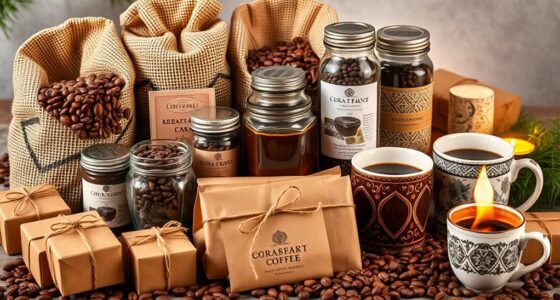
When you buy coffee, ask yourself about its freshness—look for shiny beans and check the roast date. Consider the origin, as it influences flavor, and choose a roast level that matches your taste. Think about packaging—airtight and light-proof preserves it fresh. Look for certifications like Fair Trade to guarantee ethical practices. Price is also key; quality coffee usually costs $10–$20 a pound. If you want to learn how these factors come together, keep exploring further.
Key Takeaways
- Is the coffee fresh, with a recent roast date and proper storage to preserve flavor?
- Does the coffee originate from reputable sources with transparent certifications like Fair Trade or Rainforest Alliance?
- Are the flavor profile and roast level aligned with my taste preferences and brewing method?
- Is the packaging airtight and designed to maintain freshness during storage?
- Is the price justified by quality, origin, and ethical standards, ensuring good value for money?
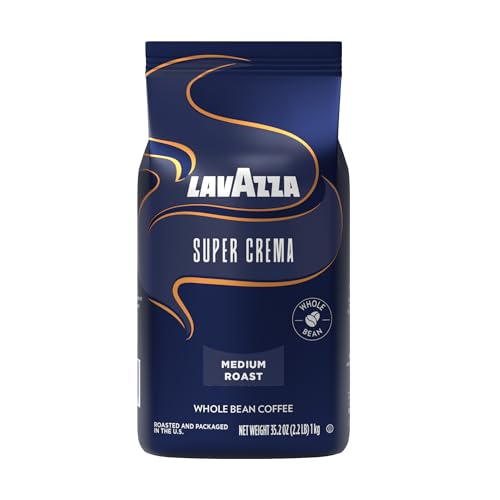
Lavazza Super Crema Whole Bean Coffee, Medium Espresso Roast, Arabica and Robusta Blend, 2.2 lb Bag, Package May Vary (Pack of 1)
- Product Type: Whole Bean Coffee Bag
- Weight: 2.2 lb Bag
- Roast Level: Medium Espresso Roast
As an affiliate, we earn on qualifying purchases.
As an affiliate, we earn on qualifying purchases.
How Can I Determine Coffee Quality and Freshness?
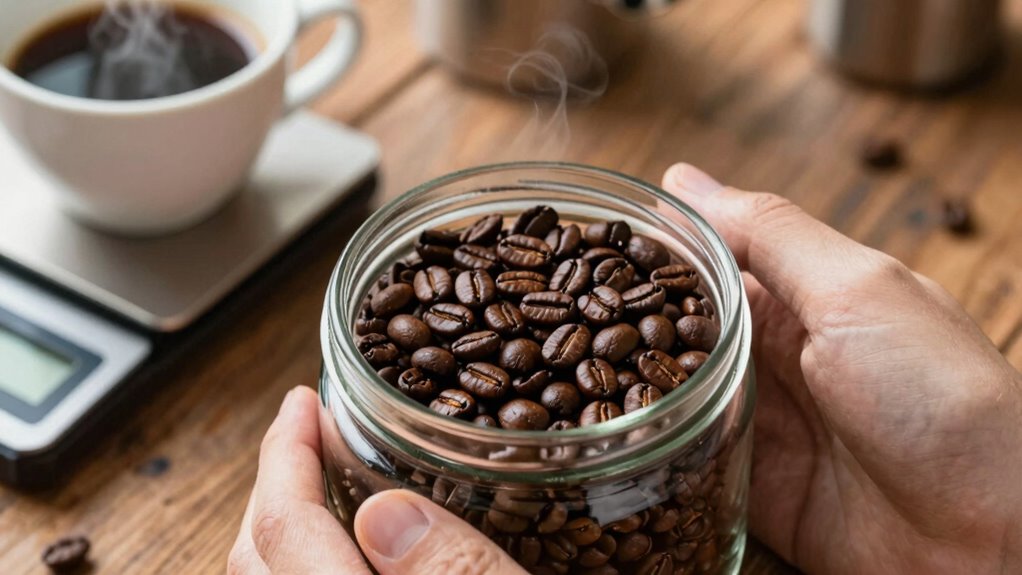
Determining the quality and freshness of coffee starts with paying attention to its appearance and aroma. Fresh coffee beans should look shiny and uniform, with consistent color and minimal cracks. Proper coffee bean storage is essential; keep beans in an airtight container away from light, heat, and moisture to preserve their freshness. When you’re ready to brew, focus on grinding consistency. A uniform grind ensures even extraction, which enhances flavor and indicates good quality. If your grind is uneven or too coarse, it may affect aroma and taste, signaling potential freshness issues or poor storage. Additionally, paying attention to the roast date can help determine how fresh your beans are, as roasted coffee is best enjoyed within a few weeks of roasting. Understanding storage conditions is crucial since improper storage can accelerate staling and diminish flavor. Good storage practices, such as controlling exposure to light and moisture, can significantly extend the freshness of your coffee. Proper packaging, such as vacuum-sealing or storing in opaque containers, can also help maintain coffee quality over time. Monitoring storage environment can reveal whether your coffee has been kept in optimal conditions, further influencing its overall freshness. By observing these details—appearance, aroma, storage, grind, and roast date—you can confidently assess whether your coffee is fresh and of high quality, leading to a better brewing experience.
What Should I Know About Coffee Origin and Its Impact?
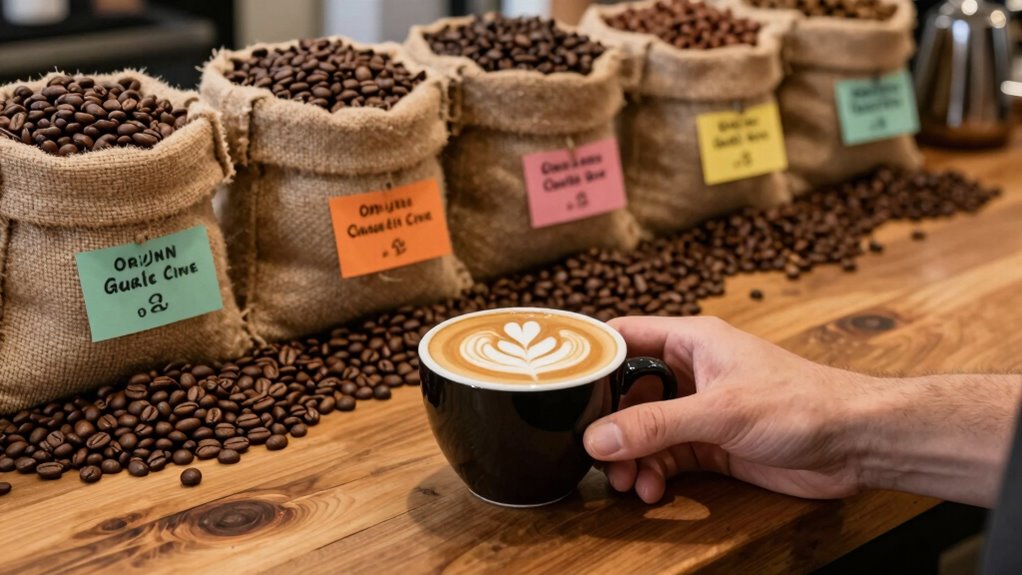
Have you ever wondered how the coffee’s place of origin influences its flavor? Coffee farming practices differ around the world, shaping the taste profile you experience. For example, beans from Ethiopia often have fruity, floral notes, while Colombian coffees tend to be smooth and balanced. The climate, altitude, and soil quality in each region affect how beans develop. Understanding these factors helps you choose coffee that suits your preferences. Additionally, global trade connects coffee farming communities to markets worldwide, impacting quality and price. Knowing the origin also supports ethical choices, such as opting for fair-trade options. Emerging trends in sustainable coffee production are also shaping how consumers can make environmentally conscious choices. For instance, certifications like organic farming promote environmentally friendly practices that protect local ecosystems. Recognizing the geography of coffee can further deepen your appreciation and guide you toward selections that match your taste and values.
How Do Roast Levels Affect Coffee Flavor?
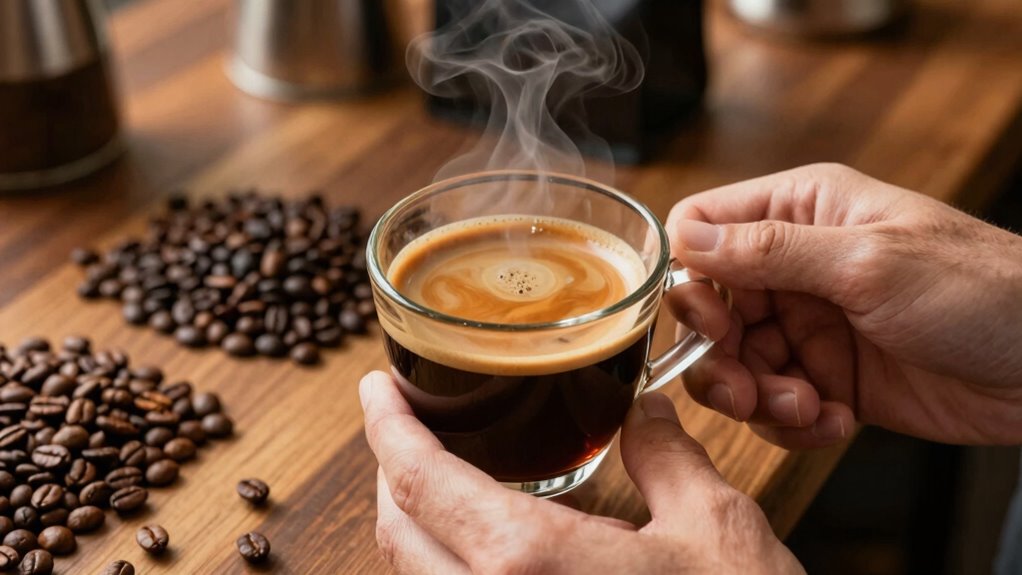
The roast level of your coffee plays a significant role in shaping its flavor profile. Different roast profiles develop unique tastes, from bright and acidic to rich and smoky. Lighter roasts preserve more of the beans’ original flavors, highlighting fruity or floral notes. Medium roasts balance acidity with caramel and chocolate undertones. Dark roasts emphasize bold, smoky, and bitter qualities, often masking origin flavors. Here’s a quick overview:
| Roast Profile | Flavor Profile |
|---|---|
| Light | Bright, fruity, floral |
| Medium | Balanced, caramel, nutty |
| Dark | Bold, smoky, bitter |
Understanding these roast profiles helps you choose coffees that match your taste preferences.
Which Brewing Method Is Best for My Taste?
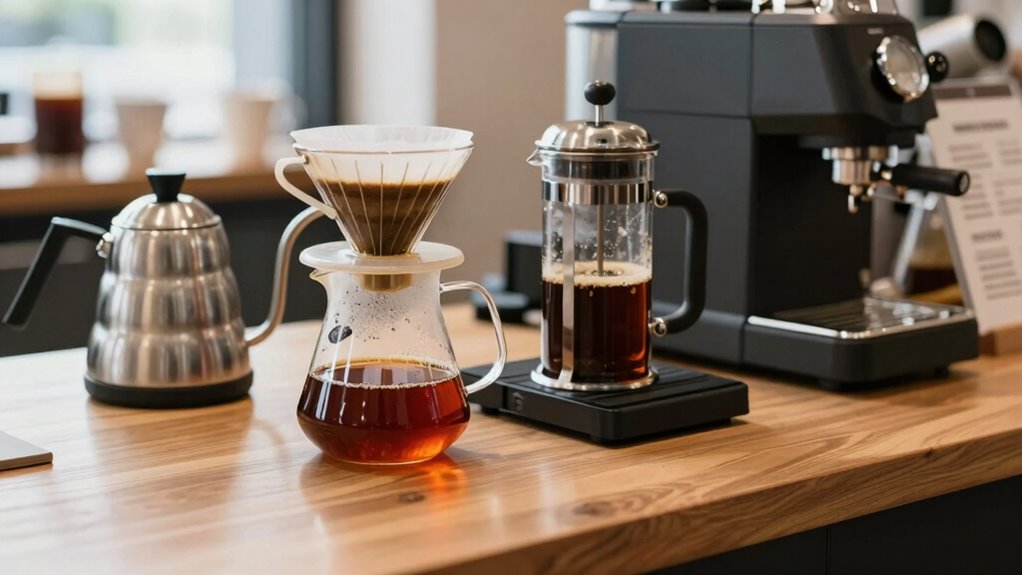
Your choice of brewing method affects how flavors are extracted and how long the brew takes. Faster methods like espresso pull out bold notes quickly, while longer steeping methods like French press develop richer tastes. Consider what balance of flavor extraction and brew time matches your personal preference.
Flavor Extraction Techniques
Choosing the right brewing method is essential because it directly affects how flavors are extracted from your coffee beans. Different methods target specific flavor notes by controlling extraction temperature and contact time. For example, a French press emphasizes full-bodied, rich flavors with a longer steeping process, while pour-over highlights brighter, more delicate notes through precise temperature control. The extraction temperature influences which compounds dissolve into your brew, impacting aroma and taste. Higher temperatures tend to extract bolder, more intense flavors, whereas lower temperatures preserve subtle, nuanced notes. By understanding how various techniques influence extraction, you can select a method that emphasizes your preferred flavor profile, ensuring each cup delivers the desired complexity and balance.
Brew Time Considerations
Brew time plays a significant role in shaping the flavor profile of your coffee, influencing both the intensity and clarity of different notes. Longer brew times, like with French presses, extract more complex flavors but can introduce bitterness if overdone. Shorter brew times, such as with espresso, highlight bright, bold notes. Your choice depends on your taste preferences, but also on how you store your coffee and grind size. Proper coffee storage keeps beans fresh, ensuring consistent flavor extraction, while grind size impacts brew time—finer grinds for quicker methods like espresso, coarser for longer brews like French press. Matching grind size to your brewing method helps optimize brew time and flavor, so experiment to find what best complements your taste.
Why Does Packaging Matter for Coffee Freshness?
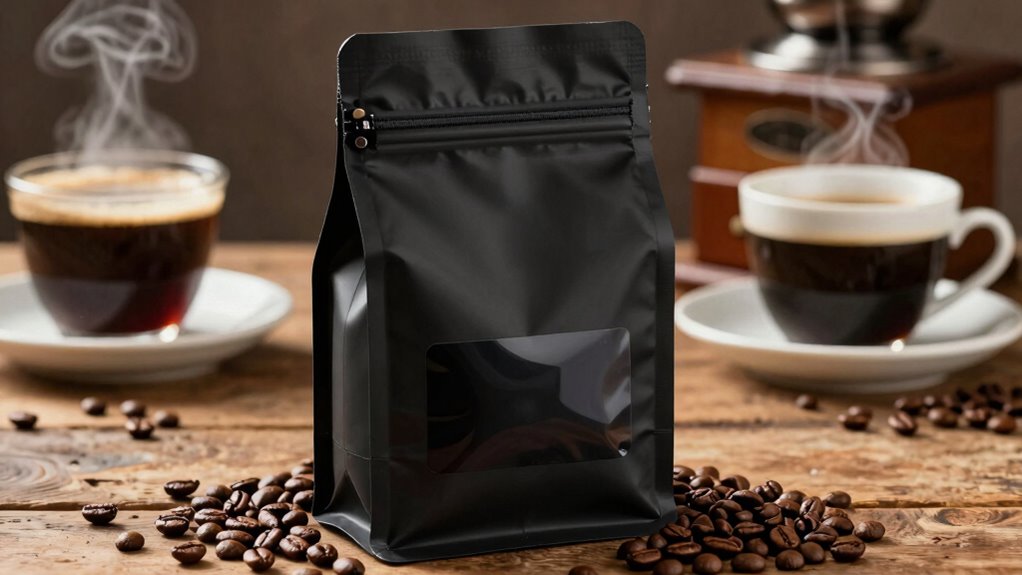
Ever wondered why packaging plays such a crucial role in maintaining coffee’s freshness? It all comes down to packaging design and how well it protects your coffee during storage and transit. Good packaging prevents exposure to oxygen, moisture, and light, which are major factors that cause coffee to go stale quickly. Proper coffee storage relies heavily on airtight containers, and packaging that’s resealable or vacuum-sealed keeps beans fresh longer. The right packaging design ensures your coffee remains flavorful and aromatic until you’re ready to brew. When shopping, pay attention to packaging quality—it’s a clear indicator of how well your coffee will stay fresh. Additionally, understanding coffee storage considerations can help you make better choices for keeping your beans fresh at home. Proper packaging also accounts for derating factors like altitude and temperature, which can affect storage conditions. Considering packaging materials that are resistant to environmental factors can further extend the freshness of your coffee. In fact, the choice of packaging can also influence the coffee’s aromatic profile, ensuring you enjoy a richer flavor. Ultimately, thoughtful packaging helps preserve the beans’ freshness, ensuring you get the best taste with each cup. For example, some packaging includes specialized barriers that block out light and oxygen more effectively, enhancing freshness over time.
What Is a Good Price Range for Quality Coffee?
Wondering what a good price range is for quality coffee? Generally, expect to pay between $10 and $20 per pound for well-sourced beans. Higher prices often indicate better quality, specialty beans, or unique origins. When buying, consider how coffee bean grinding affects freshness—grinding just before brewing preserves flavor. Investing in quality beans pays off if you follow proper coffee storage tips, like storing in an airtight container away from light and heat, to maintain freshness and aroma. Proper storage techniques help preserve the flavor profile and ensure each cup is as vibrant as intended. Additionally, choosing beans from reputable sources can ensure you’re getting authentic quality and sustainable practices. Being aware of grading standards can also help you make more informed choices about coffee quality and pricing. Recognizing the various origin stories of coffee beans can deepen your appreciation and guide you toward more distinctive selections. Understanding the sound healing science behind coffee roasting processes can reveal how different temperatures influence flavor development, adding another layer to your appreciation. While bargain-priced coffee might save you money upfront, it can lack the flavor complexity of more premium options. Balancing price with quality involves understanding that good coffee is an investment in taste, so don’t shy away from slightly higher prices if it means a better experience.
How Can Certifications Show That Coffee Is Ethical and Sustainable?
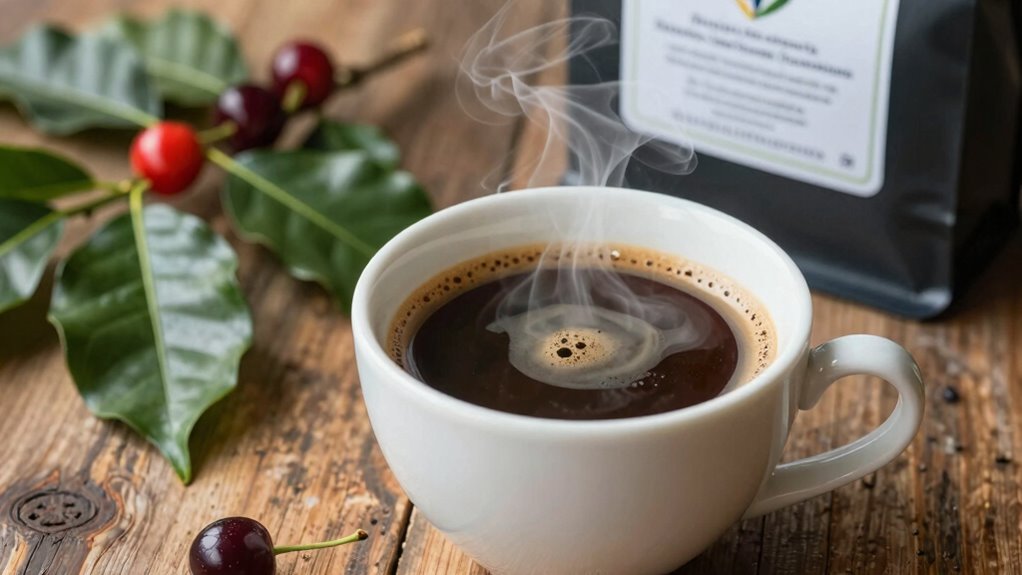
Certification labels matter because they verify that your coffee meets specific ethical and sustainability standards. These labels help you identify products that support fair treatment of farmers and environmentally friendly practices. Plus, they often indicate higher quality, so you get better-tasting coffee while making a responsible choice. Additionally, certifications can reflect adherence to sustainable farming practices, ensuring long-term environmental health and resource management. Many reputable certifications also emphasize transparent fee structures, which promote trust and accountability in the supply chain.
Certification Labels Significance
How can you be sure that the coffee you buy supports ethical and sustainable practices? Certification labels are key. They serve as proof of coffee certification, indicating the product has met specific standards for ethical and sustainable sourcing. These labels help you quickly identify brands committed to fair labor practices, environmental conservation, and responsible farming. For example, certifications like Fair Trade or Rainforest Alliance verify that farmers receive fair wages and that ecosystems are protected. By paying attention to these labels, you guarantee your purchase aligns with your values. Certification labels aren’t just marketing tools—they’re a guarantee that your coffee supports a more sustainable industry. In short, they help you make conscious choices that benefit both farmers and the planet.
Impact on Coffee Quality
Certifications often serve as a mark of quality, signaling that the coffee you buy has been produced with care for both ethical standards and sustainability. These certifications guarantee the coffee comes from reputable sources, often prioritizing specific coffee bean varietals known for their unique flavors and quality. They also influence how the coffee should be brewed; for example, certain certifications recommend precise brewing temperatures to optimize flavor and preserve ethical practices. By choosing certified coffee, you’re more likely to get beans that meet high standards for sustainability, which can positively impact overall coffee quality. This assurance helps you enjoy a richer, more consistent cup, knowing it was produced responsibly. Certifications consequently directly contribute to elevating both ethical integrity and the sensory experience of your coffee.
Frequently Asked Questions
How Do I Store Coffee to Maximize Freshness?
To maximize freshness, store your coffee in an airtight container away from light, heat, and moisture. Keep it in a cool, dark place like a pantry or cabinet, avoiding the refrigerator, which can introduce moisture and odors. Proper coffee storage helps preserve flavor and aroma, ensuring each brew tastes fresh. Remember, freshness preservation depends on keeping your coffee protected from environmental factors that can degrade its quality over time.
What’s the Difference Between Single-Origin and Blended Coffees?
Single-origin coffees come from a specific region or farm, offering unique flavors that reflect that area’s terroir. Coffee blends combine beans from various origins to create balanced, consistent flavors. If you seek distinctive, nuanced profiles, go for single origin. But if you prefer a smooth, reliable taste, coffee blends are your best bet. Understanding these differences helps you select the perfect brew for your preferences.
How Can I Tell if Coffee Beans Are Ethically Sourced?
To enjoy ethically sourced coffee, look for labels like Fair Trade and Organic certification—these indicate the beans were harvested responsibly. You can also research brands committed to transparency and ethical practices. By choosing certified options, you support fair wages and environmentally friendly methods, making your coffee experience both delightful and conscientious. Remember, small choices like these help promote sustainable farming and better lives for farmers around the world.
What Are the Signs of a Well-Roasted Coffee Bean?
A well-roasted coffee bean exhibits a balanced flavor profile, with vibrant aromas and complexity. You’ll notice an even, matte surface without oiliness or cracks, indicating the appropriate roast level. The beans should feel firm but not hard, and their color will align with the roast level—light, medium, or dark—each offering distinct flavor nuances. These signs confirm you’re choosing quality beans that deliver a satisfying, consistent cup.
How Do Grind Size and Brewing Time Influence Flavor?
Think of grind size and brewing time as the steering wheel and accelerator of your coffee journey. A finer grind increases surface area, boosting flavor extraction, while a longer brewing time allows flavors to fully develop. If you mismatch them, it’s like steering off course—your coffee could taste weak or bitter. To achieve brewing consistency and the best flavor, adjust grind size and brewing time carefully, ensuring each cup hits the right notes.
Conclusion
By asking these questions, you’re like a skilled explorer uncovering hidden treasures in your coffee choices. You’ll find the perfect beans that match your taste, budget, and values, turning every cup into a delightful experience. Just as a master chef selects the finest ingredients, your keen questions guarantee you savor the best from your brew. Keep asking, keep exploring—your ideal coffee journey awaits, as satisfying as a symphony played just for you.