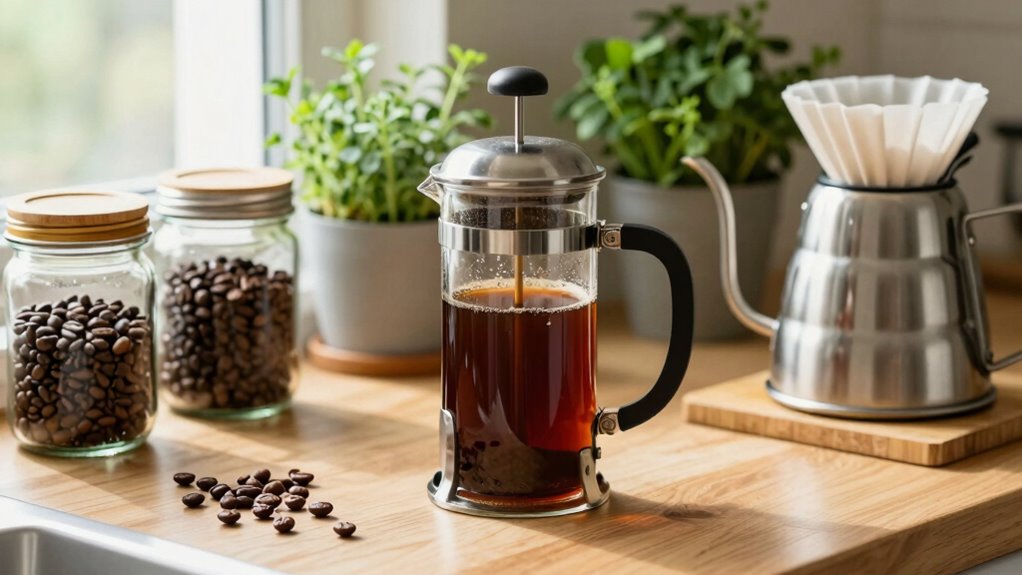

Brewing at home is a more sustainable choice because it reduces waste by using reusable glass bottles and eco-friendly ingredients. It minimizes packaging waste and decreases reliance on single-use containers, which often end up in landfills or oceans. Plus, you can choose energy-efficient equipment and local, organic ingredients that lower your carbon footprint. By making your own beverages, you promote mindful consumption and resource use—if you keep exploring, you’ll find even more ways to make your habits greener.
Key Takeaways
- Home brewing reduces reliance on single-use packaging, minimizing waste and plastic pollution.
- Reusable glass bottles and durable equipment support a circular resource model.
- Using sustainable, local ingredients lowers carbon footprint and supports eco-friendly agriculture.
- Energy-efficient brewing practices decrease overall energy consumption.
- Crafting beverages at home encourages mindful consumption and waste reduction habits.
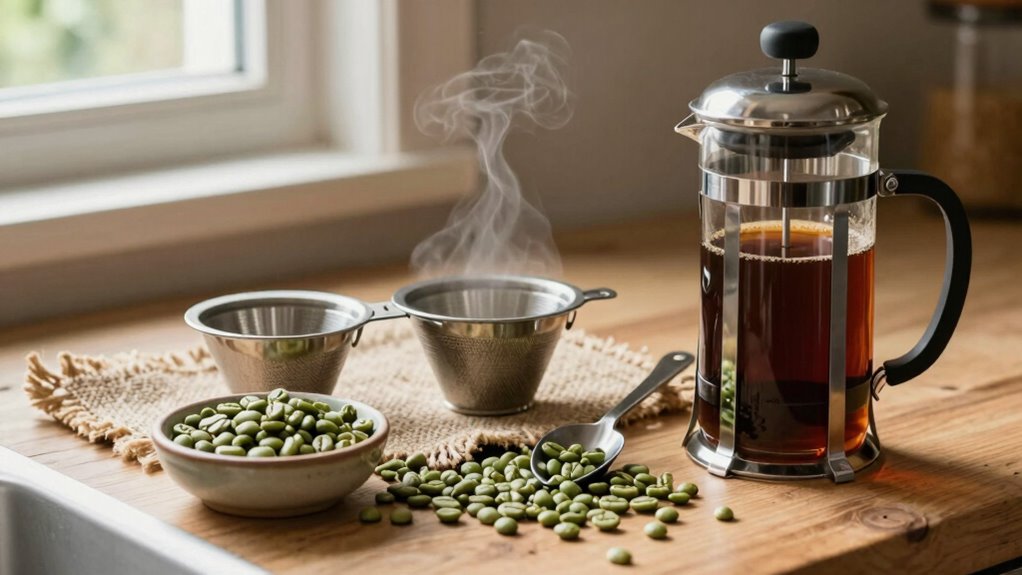
Ever wondered how brewing your own beverages at home can positively impact the environment? When you take on the task of brewing at home, you gain control over every step, from ingredients to packaging. One of the biggest benefits is reducing waste, especially when you choose to use glass bottles instead of single-use plastic containers. Glass bottles are reusable, durable, and don’t leach chemicals into your drinks, making them a sustainable choice. After each use, you can easily clean and refill them, cutting down on the mountain of plastic waste that often ends up in landfills or oceans. Plus, glass is fully recyclable without losing quality, so it’s an environmentally friendly option for packaging your homemade beverages.
Brewing at home with glass bottles reduces waste and supports sustainable, eco-friendly packaging choices.
Your brewing equipment also plays a crucial role in minimizing your ecological footprint. By investing in quality, reusable brewing tools—such as stainless steel kettles, fermentation vessels, and filters—you can reduce your reliance on disposable items. These tools last for years, saving you money and decreasing waste. Using efficient brewing equipment means less energy consumption during the process, especially if you choose models with energy-saving features. Additionally, because you control the process, you can opt for organic ingredients or locally sourced supplies, which further lowers your environmental impact by decreasing transportation emissions and supporting sustainable farming practices. Incorporating eco-friendly brewing practices can amplify these benefits and make your home brewing even more sustainable. Moreover, selecting sustainable ingredients supports your efforts to reduce your carbon footprint and promotes environmentally responsible agriculture.
Brewing at home encourages mindful consumption. Instead of buying pre-packaged drinks in single-use bottles or cans, you craft your beverages from scratch, often with fewer additives and preservatives. This shift not only benefits your health but also reduces packaging waste. When you brew your own drinks—like kombucha, beer, or flavored water—you’re less dependent on mass-produced options that often come with excessive packaging. The ability to reuse glass bottles means fewer trips to the store for new containers, and you can even repurpose bottles for storage or decorative purposes once they’re empty. This practice promotes a circular approach, where waste is minimized, and resources are reused. Reusing glass bottles also supports reducing the environmental impact of packaging materials. Additionally, choosing energy-efficient brewing methods allows you to further lessen your environmental footprint during the process. Implementing composting leftover ingredients can also effectively reduce food waste generated during brewing. By integrating these sustainable habits, you foster a more eco-conscious lifestyle that benefits both your health and the planet.
Finally, home brewing fosters a sense of sustainability that extends beyond just waste reduction. It encourages you to be more conscious about your overall consumption patterns. You learn to optimize your ingredient use, minimize leftovers, and select eco-friendly materials. Over time, these habits contribute to a more sustainable lifestyle. By choosing to brew at home, you’re making a daily commitment to lower your environmental impact—one glass bottle, one brew, and one mindful decision at a time.

CUCUMI 10pcs 16oz Glass Juice Bottles with Lids, Reusable Juice Containers Drinking Jars Water Cups with Brush, Glass Straws, Lids with Hole
Glass Drinking Bottle Set: 10 square 16oz glass bottles, 10 black plastic threaded sealing caps, 5 silver aluminum…
As an affiliate, we earn on qualifying purchases.
As an affiliate, we earn on qualifying purchases.
Frequently Asked Questions
How Does Home Brewing Reduce Overall Water Usage Compared to Commercial Brewing?
Home brewing reduces overall water usage by allowing you to control water consumption during the process, promoting water conservation and resource efficiency. You use only what you need, avoiding excess waste common in commercial breweries, which often operate on large, inefficient systems. By brewing at home, you’re more mindful of your water use, minimizing waste and supporting sustainable practices in daily beverage preparation.
Can Brewing at Home Help Decrease Packaging Waste Significantly?
Brewing at home acts like a shield, cutting down packaging waste considerably. Instead of relying on store-bought bottles and cans, you can reuse bottles or opt for bulk ingredients, reducing clutter and waste. Recycling options become more manageable, helping you close the loop on waste. By taking control of your brewing process, you turn packaging waste from a mounting pile into a manageable, eco-friendly part of your routine.
What Are the Energy Implications of Home Brewing Versus Store-Bought Coffee?
Home brewing generally uses less energy than store-bought coffee, especially if you optimize your brewing method. You control brewing consistency, ensuring efficient use of water and power. While some machines may consume more energy, experimenting with manual methods like pour-over or French press can reduce overall energy use. Plus, fresh coffee flavor improves when you brew at home, making it a sustainable and flavorful daily choice.
How Does Home Brewing Influence Coffee Bean Sourcing and Fair Trade Practices?
Brewing at home is like steering your own ship through ethical waters. You actively choose fair trade and ethical sourcing coffee beans, supporting farmers who prioritize sustainability and fair wages. This control means you’re less likely to buy from sources with questionable practices, making your daily coffee ritual a conscious act. By sourcing responsibly, you help promote better working conditions and environmental care, turning your coffee habit into a meaningful movement.
Are There Eco-Friendly Alternatives for Brewing Equipment at Home?
Yes, you can choose eco-friendly brewing equipment at home. Reusable filters reduce waste compared to paper filters, letting you enjoy coffee without disposables. Biodegradable pods are another great option—they break down naturally, minimizing landfill impact. Switching to these alternatives helps you cut down on waste and energy use, making your daily coffee routine more sustainable while still enjoying great flavor.

VEVOR Beer Brewing Equipment, 8 Gal/30L 304 Stainless Steel Home Beer Brewer,1500W All-in-One Home Brewing Kit with Tall strainer, Integrated Inner Barrel & Reinforced Handle
Large Capacity Brewing: The VEVOR electric brewing system features an 8 gal / 30L kettle can mash up…
As an affiliate, we earn on qualifying purchases.
As an affiliate, we earn on qualifying purchases.
Conclusion
Brewing at home not only gives you fresher coffee but also substantially reduces waste and energy use. Did you know that brewing your own coffee can cut packaging waste by up to 80% compared to store-bought options? By making this daily choice, you’re actively lowering your carbon footprint and supporting sustainability. So next time you reach for your brewing gear, remember—you’re making a positive impact on the planet with every cup.
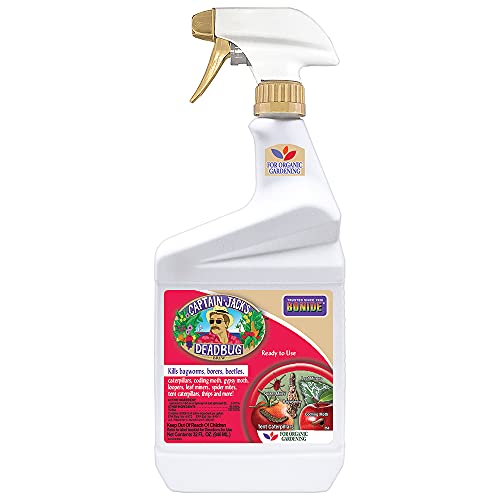
Bonide Captain Jack's Deadbug Brew Ready-to-Use Spray, 32 oz Outdoor Insecticide and Mite Killer for Organic Gardening
INSECT KILLER – This pest control is great for use on bagworms, borers, beetles, caterpillars, codling moth, gypsy…
As an affiliate, we earn on qualifying purchases.
As an affiliate, we earn on qualifying purchases.
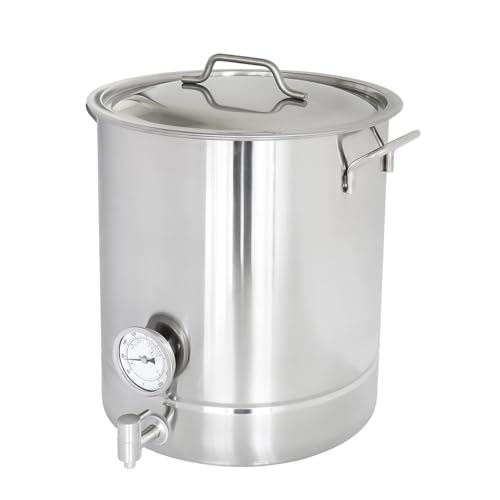
Home Beer Brew Kettle Stainless Steel Brewing Pot with Drilled Bottom Thermometer Bar Beer Home Brewing Supplies 40L (40L)
Stainless steel material: Stainless steel beer barrel, sturdy and durable. Can ensure that the barrel remains in good…
As an affiliate, we earn on qualifying purchases.
As an affiliate, we earn on qualifying purchases.