
Using better water in brewing helps you achieve consistent flavors and reduces off-flavors caused by imbalance, which often lead to frustration. Properly balanced water minimizes process issues like stuck sparges or scale buildup, lowering waste and re-brews. It guarantees enzymes work efficiently and fermentation goes smoothly. When you control your water chemistry, you simplify brewing, save ingredients, and enjoy better results. Keep exploring to discover how fine-tuning water can make your brewing experience smoother and more enjoyable.
Key Takeaways
- Proper water pH ensures efficient enzyme activity, leading to consistent and high-quality brews with fewer re-brews.
- Correct mineral balance prevents off-flavors and process issues, reducing waste and brewing setbacks.
- Water testing and treatment enable precise adjustments, minimizing ingredient waste and fermentation problems.
- Managing water hardness and mineral levels decreases equipment scaling and cleaning, saving time and resources.
- Overall, optimized water chemistry enhances flavor consistency, reducing frustration and improving brewing success.
Have you ever wondered how water quality impacts the taste of your brew? The truth is, water isn’t just a background element; it’s a fundamental ingredient that shapes the final flavor. When your water has the right pH level, it balances acidity and alkalinity, ensuring your grains extract properly during mashing. If the water is too acidic or too alkaline, it can lead to off-flavors, poor extraction, or even stuck sparges. A balanced water pH—ideally around 5.2 to 5.5 for mashing—helps enzymes work efficiently, giving you a cleaner, more consistent brew. Beyond pH, mineral composition plays a critical role. Minerals like calcium, magnesium, sulfate, and chloride influence both flavor and process. For example, calcium improves mash stability and aids in protein coagulation, which ultimately results in clearer beer. Magnesium contributes to yeast health, helping fermentation go smoothly. Sulfates enhance hop bitterness, giving your brew a crisp, clean finish, while chlorides enhance malt sweetness and body. When your water’s mineral levels are properly adjusted, it reduces the chances of off-flavors caused by imbalance or unwanted mineral interactions. This means fewer re-brews, less waste, and less frustration. Proper water treatment can also support natural filtration systems, helping maintain water quality without relying solely on chemicals. Using water with the right balance of pH and minerals also minimizes the chances of stuck sparges or inefficient extractions, which are common sources of waste and disappointment. If your water is too hard, it can cause scaling and clogging, forcing you to clean more often or discard batches. Conversely, if it’s too soft, your beer might lack body or flavor complexity. By tailoring your water’s mineral makeup, you set the stage for more predictable results and fewer brewing mishaps. Adjusting water chemistry can also help prevent mineral imbalances that lead to undesirable flavors or process issues, making your brewing more reliable. Incorporating water testing kits can help you accurately measure mineral levels and fine-tune your adjustments more precisely. This control over water chemistry can save you time and ingredients, reducing the need for multiple attempts to get it right. It might seem small, but fine-tuning water pH and mineral content can drastically cut down on waste — both of ingredients and effort. It also means you’re less likely to encounter fermentation issues or flavor flaws that make you start over. Ultimately, better water isn’t just about improving taste; it’s about creating a smoother, more enjoyable brewing process. When you pay attention to these details, you’ll find yourself frustrated less often and producing higher-quality beer with fewer setbacks. Proper water chemistry isn’t complicated once you get the hang of it, and the payoff is a more consistent, satisfying brewing experience every time.
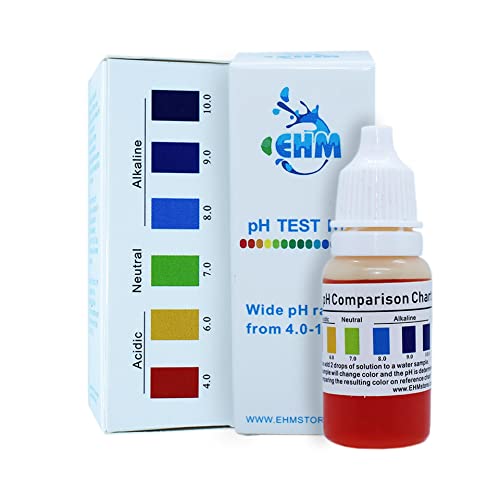
Alkaline Water (ph Test Kit) for Drinking Water Measures pH Level of Water More Accurately Than Test Strips pH Starter Kit Drops Easy to Use
- pH Range: 4.0 to 10.0
- Ease of Use: Squeeze bottle design
- Made in USA: All parts and ingredients
As an affiliate, we earn on qualifying purchases.
As an affiliate, we earn on qualifying purchases.
Frequently Asked Questions
How Does Water Mineral Content Affect Beer Flavor?
Water mineral content greatly impacts your beer’s flavor. If your water has the right mineral balance, it enhances malt sweetness or hop bitterness, depending on your brew style. A proper water pH ensures better extraction of flavors during brewing. Too high or low pH can cause off-flavors, while imbalanced minerals may result in flat or overly harsh beer. Adjusting water pH and mineral content helps you achieve a cleaner, more balanced taste.
Can Water Treatment Improve Fermentation Consistency?
Ever wondered if water treatment can boost fermentation consistency? It definitely can! By adjusting water pH levels and removing chlorine, you create a stable environment for yeast. Properly treated water minimizes off-flavors and fermentation hiccups, leading to more predictable results. Think of it as giving your yeast the best start—reducing waste and frustration, and ensuring each batch turns out just right. Wouldn’t you want that kind of control?
What Are the Best Water Sources for Brewing?
You should seek water sources with a balanced mineral profile and ideal water pH for brewing. Ideally, use filtered or spring water that has the right mineral content—like calcium and magnesium—to enhance flavor and clarity. Avoid water with unpredictable mineral levels or high chlorine. Testing your water regularly ensures consistent mineral balance and pH, helping you produce better beer and reduce frustration caused by inconsistent results.
How Often Should Brewing Water Be Tested?
You should test your brewing water at least once a month to guarantee quality. Regular water testing helps you identify mineral levels and contaminants that might affect your brew. Based on the results, you can make necessary brewing adjustments, like altering water chemistry or filtration. Consistent testing ensures your water remains ideal, reducing frustration and waste by preventing off-flavors and brewing failures, ultimately leading to better, more consistent beer.
Does Filtered Water Impact Yeast Health?
Filtered water positively impacts yeast health by maintaining ideal water pH and mineral balance, which are vital for fermentation. When you use properly filtered water, it reduces harmful contaminants and guarantees the pH stays within the ideal range for yeast activity. This creates a stable environment, leading to better fermentation, fewer off-flavors, and a more consistent brew. Always check your water’s mineral content and pH to support healthy yeast fermentation.
Conclusion
Improving your water quality can truly make a difference in your brewing experience, reducing frustration and waste. With better water, you’ll notice clearer flavors and fewer mishaps—almost like having your own secret potion from the days of alchemy. Don’t underestimate the power of good water; it’s the unsung hero in your brewing journey, turning everyday ingredients into something extraordinary. So, gear up and embrace the magic of better water—your taste buds will thank you!