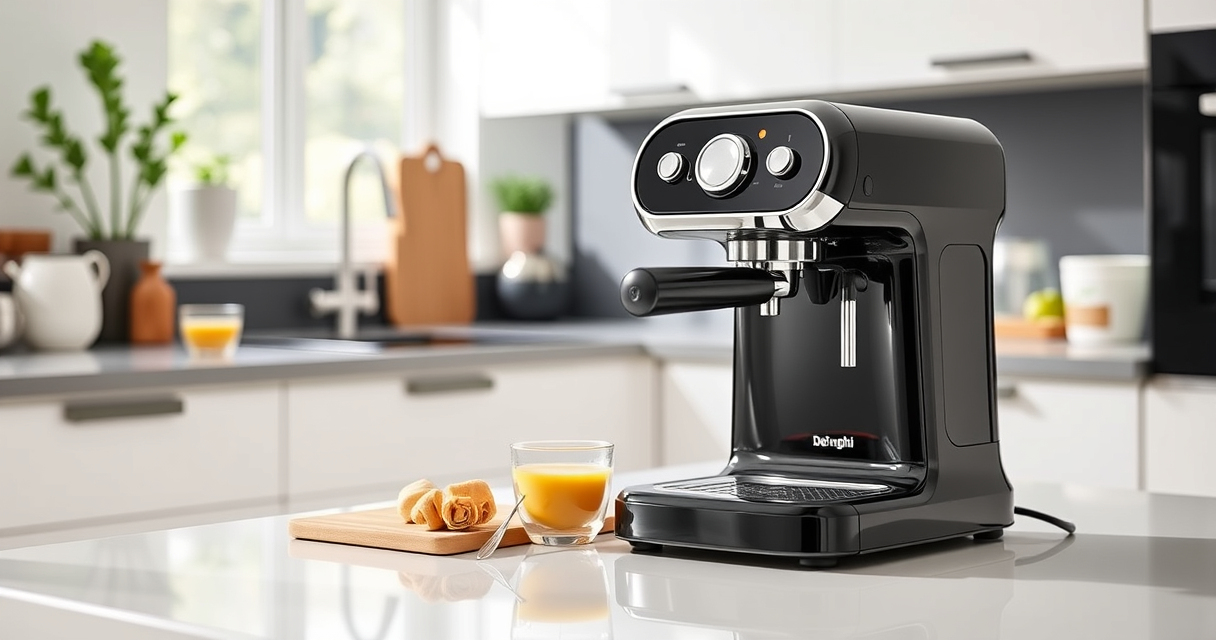
If your De’Longhi Magnifica Evo espresso machine’s grinder is making unusual noise, it can affect your coffee quality and indicate underlying problems. This guide provides practical, safe steps to diagnose and fix grinder noise issues, ensuring your machine runs smoothly and delivers the best coffee experience.
Key Takeaways
| Identify common causes | Grinding noise can be caused by debris, misalignment, or worn burrs. |
| Routine maintenance helps | Regular cleaning and descaling prevent most noise issues. |
| Step-by-step troubleshooting | Follow clear steps to inspect, clean, and fix your grinder. |
| Safety first | Always unplug the machine before performing maintenance. |
| Seek professional help if needed | Persistent noise may require expert servicing. |

De'Longhi Magnifica Evo Next Fully Automatic Espresso Machine - Programmable Coffee Maker with Grinder and Milk Frother - Hot & Cold Brewer for Espresso, Latte, Cappuccino, Americano, Tea and More
#1 Super Automatic Espresso Maker in the US*, *Source: Circana Retail Tracking Service, Unit Share, Jan. 2025 -...
As an affiliate, we earn on qualifying purchases.
Step 1: Turn Off and Unplug Your Machine
Before inspecting or cleaning, ensure the espresso machine is turned off and disconnected from power to prevent injury or damage.

De'Longhi Replacement Water Filter for Select Espresso Machines, DLSC002
Designed to optimize the water quality
As an affiliate, we earn on qualifying purchases.
Step 2: Access the Grinder and Remove Beans
- Open the bean hopper lid and remove any remaining beans.
- Remove the hopper according to your model’s instructions to access the burrs.
Step 3: Clean the Burrs and Grinder Components
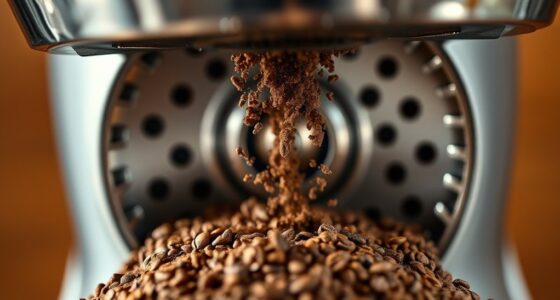
- Use a soft brush or a dedicated grinder cleaning brush to remove coffee grounds and debris from the burrs and surrounding areas.
- If your machine supports it, run a cleaning cycle with grinder cleaning tablets or a small amount of rice (check your manual).
Step 4: Check for Wear or Misalignment
Inspect the burrs for signs of wear or damage. If they look dull, chipped, or misaligned, consider replacing them or consulting a technician.
Step 5: Reassemble and Test
Reattach the hopper, fill with fresh beans, and plug in the machine. Run a test brew to see if the noise persists. If the grinding is smooth and quiet, you’ve likely resolved the issue.
Additional Tips and Warnings
- Regularly clean your grinder to prevent buildup that causes noise.
- Use the recommended grind settings for your beans to avoid strain on the burrs.
- Never attempt to repair internal components unless qualified.
The Products in This Guide
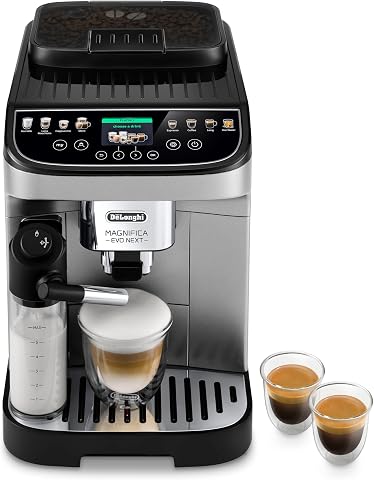
De’Longhi Magnifica Evo Next Fully Automatic Espresso Ma
- ✔ Color: Multiple options
- ✔ Power: 1450W
- ✔ Weight: Specific to model

De’Longhi Replacement Water Filter
- ✔ Type: Water filter
- ✔ Capacity: Multiple uses
- ✔ Compatibility: Select De’Longhi models
De’Longhi Magnifica Evo Next Fully Automatic Espresso Ma
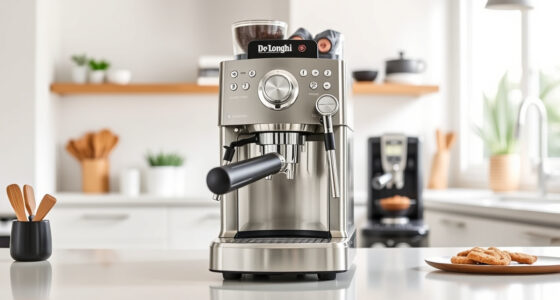
The De’Longhi Magnifica Evo Next Fully Automatic Espresso Machine offers 13 grind settings, programmable drinks, and a built-in grinder, making it ideal for espresso lovers seeking customizable coffee options.
Pros:
- Consistent grinding quality
- Multiple customizable options
- Built-in milk frother
- User-friendly interface
Cons:
- Can be noisy when grinding
- Requires regular cleaning
- Higher price point
Best for: Home baristas wanting a versatile espresso machine with integrated grinder.
Not ideal for: Those seeking a quiet grinder or minimal maintenance machine.
Bottom line: A highly capable espresso machine with adjustable grind settings and convenience features.
De’Longhi Replacement Water Filter
The De’Longhi Replacement Water Filter helps optimize water quality, which can reduce mineral buildup and noise in your espresso machine over time.
Pros:
- Improves machine performance
- Easy to install
- Prevents lime scale
- Ensures better-tasting coffee
Cons:
- Needs replacement every few months
- Additional cost
- Limited to specific models
Best for: Maintaining optimal water quality and prolonging machine lifespan.
Not ideal for: If your machine doesn’t support external filters or you prefer descaling products.
Bottom line: A simple upgrade that helps keep your espresso machine running smoothly.
Frequently Asked Questions
Why is my De’Longhi grinder making loud noises?
Loud noises can be caused by debris buildup, misaligned burrs, or worn-out grinder components. Regular cleaning and inspection can help reduce noise.
How often should I clean the grinder?
It’s recommended to clean the grinder every 1-2 months, depending on usage, to prevent buildup that can cause noise and affect performance.
Can I fix grinder noise myself?
Yes, many issues like debris removal or burr alignment can be handled safely at home, but avoid replacing internal parts unless you’re experienced or consult a technician.
When should I replace the burrs?
Burrs typically last between 500-1000 pounds of coffee. Replace them if you notice inconsistent grind size, noise, or if they appear dull or damaged.
Keep Your Coffee Perfect with Proper Maintenance
Addressing grinder noise in your De’Longhi espresso machine involves a combination of cleaning, inspection, and sometimes component replacement. Regular maintenance not only reduces noise but also ensures your machine produces high-quality espresso every time. If issues persist, professional servicing may be the best course to keep your machine in top shape.
Affiliate disclosure: As an Amazon Associate we earn from qualifying purchases. Prices and availability are accurate as of the time of publishing.