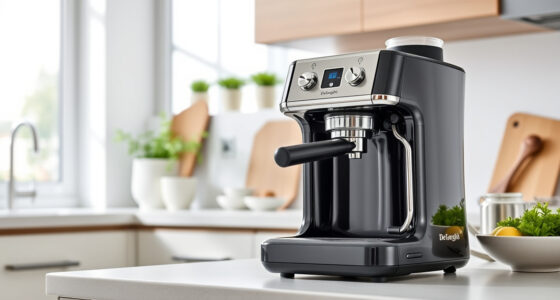
To save your coffee machine from ruin, you need to regularly descale it to remove mineral deposits from hard water. Recognize signs like slower brewing or weaker steam, and choose the right descaling solution based on your machine type. Follow proper procedures, avoid shortcuts like using vinegar, and stick to recommended intervals—usually every 3 to 6 months. Maintaining good water quality and cleaning parts keeps your machine running smoothly. Keep going, and you’ll uncover the secrets to lasting performance.

Get coffee and tea gear delivered free with Prime
- Fast, free delivery on millions of items
- Prime Video, Amazon Music and more included
- Member-only deals all year
Key Takeaways
- Regularly descale your coffee machine every 3-6 months to prevent mineral buildup and internal damage.
- Use manufacturer-approved descaling solutions or safe alternatives like citric acid for effective cleaning.
- Recognize signs such as longer brewing times, reduced steam, or indicator alerts to know when descaling is needed.
- Follow proper procedures: run descaling cycles, rinse thoroughly, and clean removable parts to avoid corrosion.
- Maintain good water quality and routine cleaning to extend your machine’s lifespan and ensure optimal performance.
coffee machine descaling solution
As an affiliate, we earn on qualifying purchases.
As an affiliate, we earn on qualifying purchases.
Why Descaling Is Essential for Your Coffee Equipment
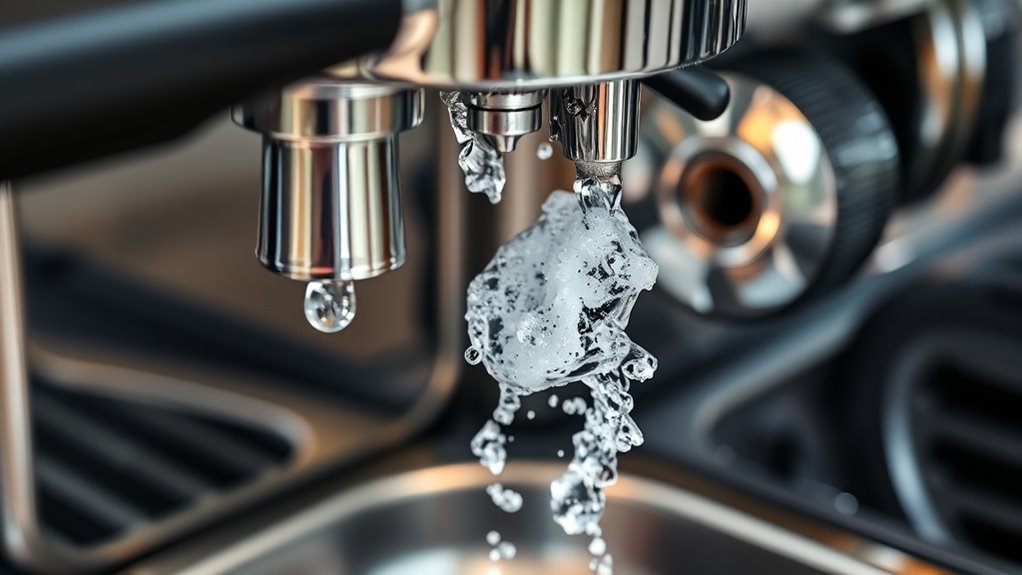
Regular descaling is essential because mineral deposits from hard water can quickly clog your coffee machine’s internal parts, leading to poor performance. When calcium and magnesium build up, they restrict water flow, causing longer brewing times and uneven extraction. Scale also hampers heat transfer, resulting in inconsistent temperatures that affect flavor. Over time, these deposits can damage critical components like the boiler, pump, and heating elements, reducing your machine’s lifespan. Neglecting descaling increases the risk of malfunctions and costly repairs. By regularly removing scale, you guarantee your coffee machine operates smoothly, maintains peak pressure, and produces the best-tasting coffee. In short, descaling preserves your equipment’s efficiency and extends its durability, saving you money and frustration in the long run. Vetted – The Pinball Spot
Recognizing the Signs That Your Machine Needs Descaling
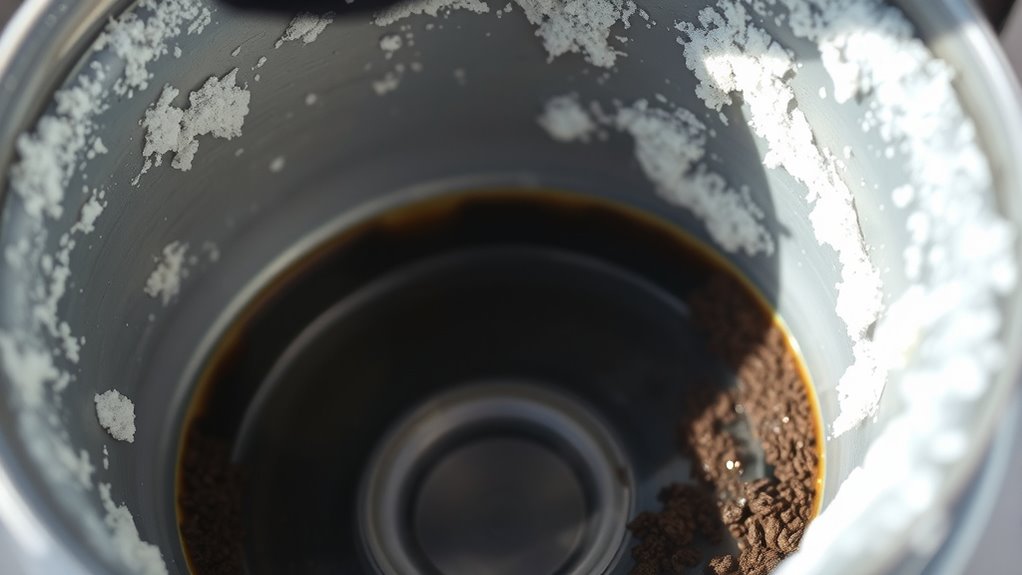
When mineral buildup starts to interfere with your machine’s performance, it’s a clear sign that descaling is necessary. You may notice longer brewing times or inconsistent extraction, which indicate blockages from scale deposits. Reduced steam pressure or weaker steam output suggests mineral accumulation in the boiler or steam wand. If your coffee flow feels slower or you see uneven pouring, the internal pipes might be clogged. Indicator lights or alerts on your machine are designed to notify you when descaling is due—don’t ignore them. Additionally, changes in taste or temperature irregularities point to scale interfering with heat transfer. Staying attentive to these signs helps you catch buildup early, preventing damage and maintaining ideal coffee quality.
Choosing the Right Descaling Solution for Your Coffee Maker
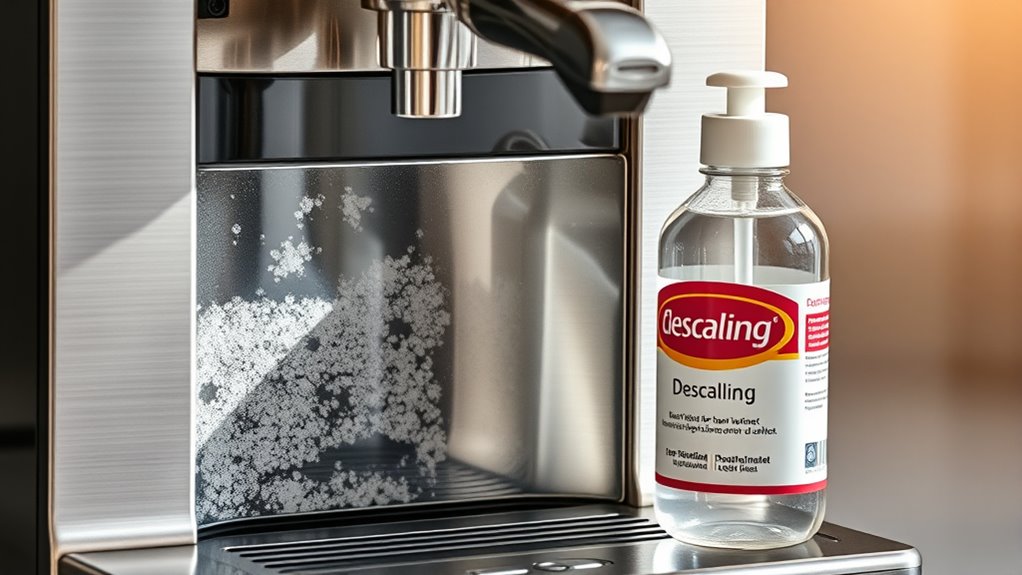
Choosing the right descaling solution is essential to guarantee your coffee maker stays in top condition without risking damage. First, check your manufacturer’s recommendations to ensure compatibility. Commercial descaling solutions are formulated specifically for coffee machines and effectively dissolve scale without harming internal parts. If you prefer a natural option, vinegar can work, but it might leave odors and is less precise. Citric acid-based products are a safer alternative, offering effective descaling with less risk of corrosion. Always follow the correct dilution ratios provided on the packaging to prevent damage. Some machines require proprietary descaling liquids designed for their specific models, so double-check your user manual. Using the appropriate solution ensures thorough cleaning while maintaining your machine’s longevity. Additionally, selecting eco-friendly materials for cleaning supplies can help reduce environmental impact and ensure safety for your household. Being mindful of chemical compositions in descaling solutions can also help prevent potential damage to sensitive machine components. It’s also beneficial to consider the pH level of the descaling agent, as highly acidic solutions may be more effective but could also pose a higher risk of damaging delicate parts if not used properly. Incorporating descaling products with appropriate pH levels ensures effective cleaning while protecting your machine’s internal parts.
Step-by-Step Guide to Descaling Different Types of Coffee Machines
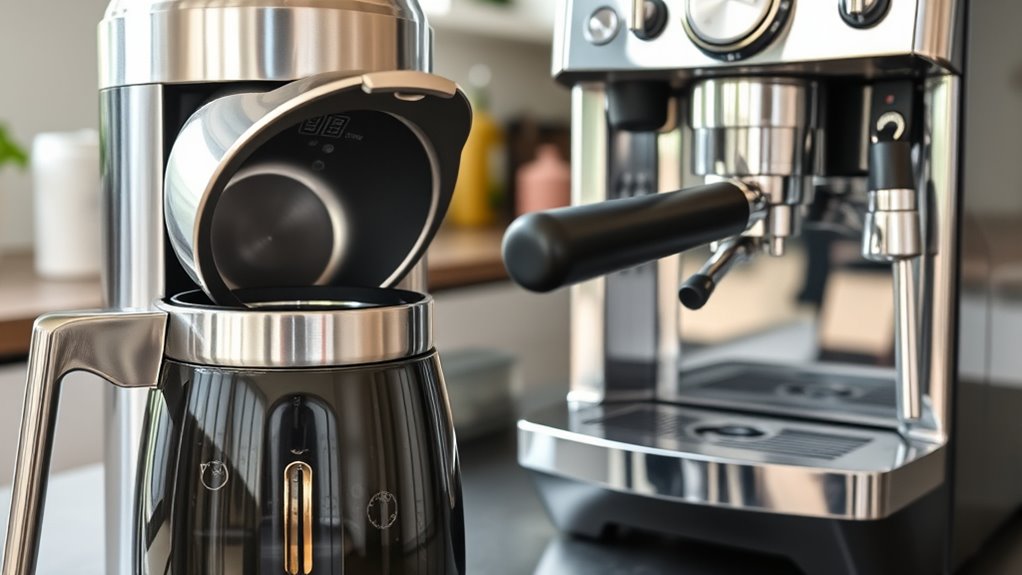
Descaling different types of coffee machines involves specific steps tailored to each device’s design and function. For espresso machines, remove the water tank and filter, add a descaling solution, activate the descaling cycle, and run it through the group heads and steam wands. Rinse thoroughly with fresh water afterward. Proper maintenance is essential to prevent mineral buildup and ensure longevity. Regular descaling prevents clogged internal components, which can impair performance and damage the device over time. Consistent cleaning also helps reduce bacterial growth and keeps the machine smelling fresh. Additionally, ensuring proper machine calibration can optimize descaling effectiveness. Drip coffee makers require you to run a brew cycle with the descaling agent, then follow up with multiple water-only rinses to clear residues. Capsule machines often have a descaling mode; run the solution through the coffee and hot water spouts, then rinse with clean water. Always clean removable parts like milk frothers or filters separately. Follow your manufacturer’s instructions for best results and avoid damaging internal components. Proper descaling helps maintain the top 10 anime films and ensures your coffee machine operates efficiently over time.
Frequency Tips: When and How Often to Descale
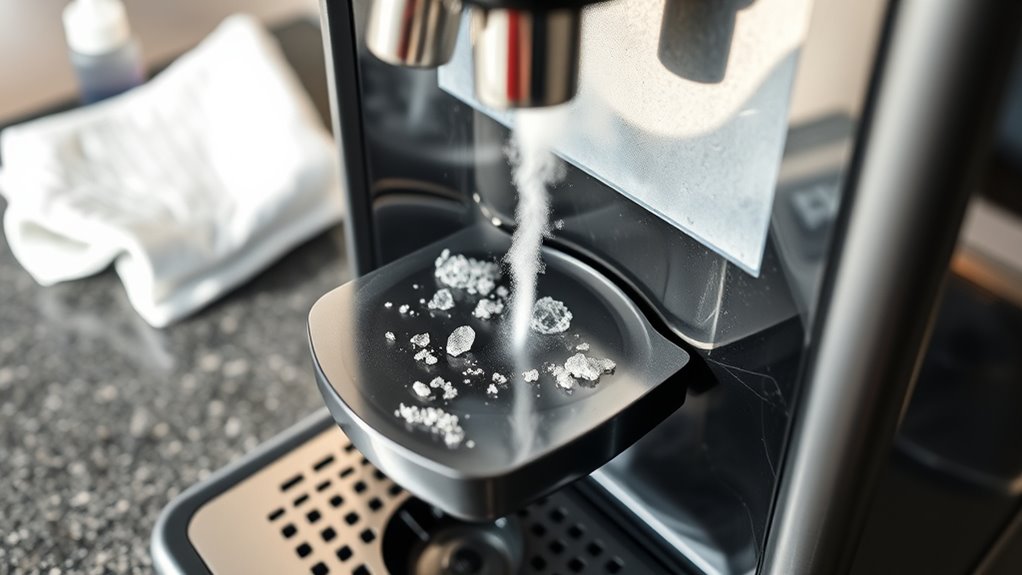
Regular descaling is essential to keep your coffee machine running smoothly and producing the best flavor. How often you should descale depends on your water hardness and usage. Typically, every 3 to 6 months is recommended. If you notice slower brewing times, reduced steam pressure, or a buildup of scale inside your machine, it’s time to descale sooner. Machines with indicator lights or alerts make it easier to stay on schedule—heed these prompts. Hard water areas may require more frequent descaling, while softer water allows for longer intervals. Skipping this maintenance risks damage and costly repairs. To keep your machine in top shape, stick to a routine based on your water quality and usage patterns, and always follow manufacturer guidelines for frequency. Understanding water hardness can help you determine the best descaling frequency for your specific situation. Additionally, being aware of regulatory standards related to water quality can help you better assess your descaling needs. Regularly checking your water supply for mineral content can also aid in tailoring your maintenance schedule.
Common Mistakes to Avoid During the Descaling Process
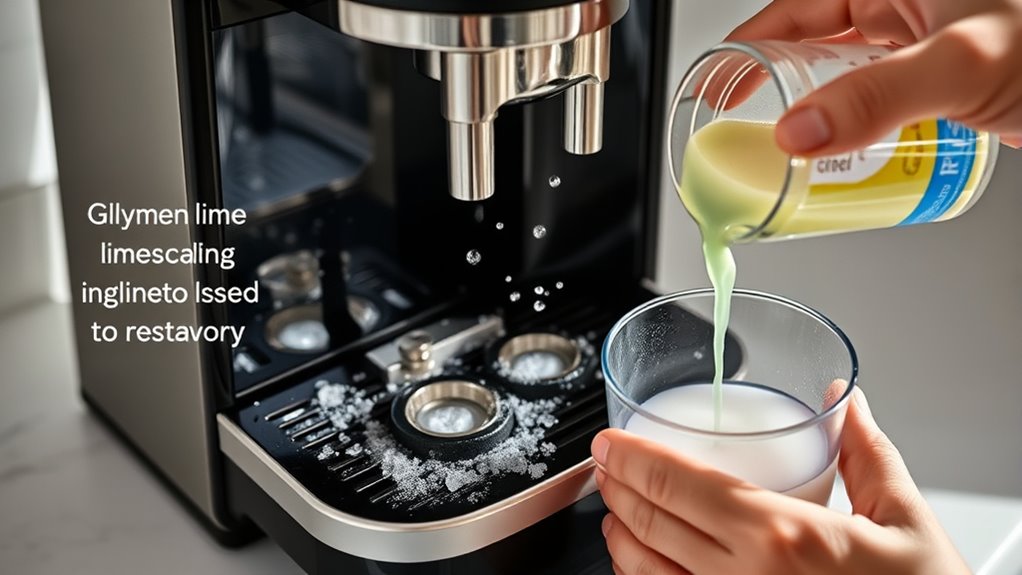
Even experienced users can make mistakes that compromise the descaling process, leading to incomplete cleaning or potential damage. First, don’t ignore manufacturer instructions—using the wrong descaling agent or incorrect dilution can harm your machine. Second, avoid rushing through rinsing; failing to thoroughly flush out descaler leaves residues that can affect taste and damage internal parts. Third, neglecting to clean removable components separately, like filters and steam wands, allows buildup that scales up again quickly. To prevent these issues, always follow proper procedure:
- Use the recommended descaling solution and follow dilution instructions precisely.
- Rinse thoroughly after descaling to remove chemical residues.
- Clean removable parts separately to ensure complete removal of deposits.
Skipping these steps risks damaging your machine and shortening its lifespan.
Post-Descaling Maintenance and Cleaning Practices

After completing the descaling process, maintaining your coffee machine’s cleanliness is key to keeping it in top shape. Regularly clean removable parts like filters, brew heads, and milk frothers to prevent buildup. Wipe down the exterior and control panel with a damp cloth to remove dust and residue. Always rinse the water tank thoroughly after descaling to eliminate any lingering chemicals. Use a soft brush or cloth to clean internal components that are accessible, avoiding harsh abrasives. Check and replace water filters or accessories as recommended. Establish a routine cleaning schedule based on your machine’s usage and water hardness. Proper maintenance helps prevent future scale formation, ensures consistent performance, and extends your machine’s lifespan. According to glycolic acid benefits, regular descaling can also help in maintaining optimal performance by preventing mineral buildup. Incorporating industry transformations, such as AI automation, can streamline your maintenance routines and alert you when professional servicing might be needed. Additionally, understanding Honda Tuning principles can inspire innovative approaches to maintaining high-performance equipment, even in household appliances. Engaging in mindfulness techniques during cleaning routines can reduce stress and make the process more enjoyable, promoting a more attentive and thorough maintenance effort. Moreover, adopting preventive maintenance practices can significantly prolong the life of your coffee machine and improve its efficiency over time.
Troubleshooting Common Descaling Challenges
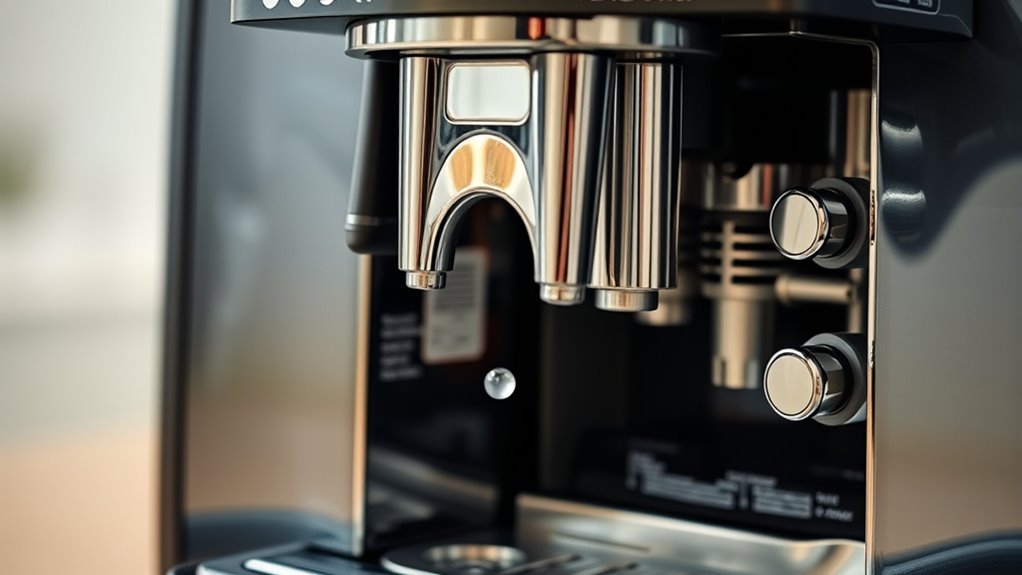
Descaling your coffee machine can sometimes present unexpected challenges, especially if the process doesn’t go as planned. You might notice stubborn scale deposits or lingering odors. To troubleshoot effectively, consider these steps:
- Verify you used the correct descaling solution and followed manufacturer instructions precisely.
- Ensure you completed all rinse cycles thoroughly to remove chemical residues.
- Check for blockages or buildup in internal parts like the water outlet or steam wand, which may require manual cleaning.
- Recognize that regular descaling and maintenance are crucial for preserving machine performance and preventing damage, as emphasized in climate control principles for efficient system operation.
If issues persist, consult your machine’s manual for specific guidance or contact customer support. Sometimes, repeated descaling cycles are necessary for stubborn buildup, or a professional cleaning might be required. Addressing these challenges promptly helps maintain optimal performance and extends your machine’s lifespan.
Extending Your Machine’s Lifespan Through Proper Care
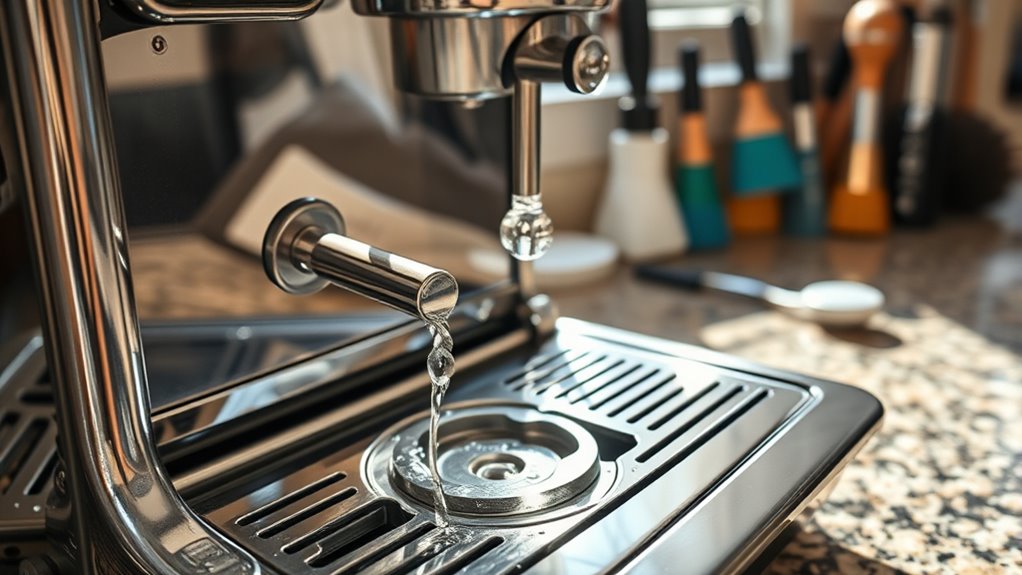
To maximize your coffee machine’s lifespan, adopting proper care routines is essential. Regularly descaling your machine prevents mineral buildup that can clog internal parts and reduce performance. Keep removable components like filters and frothers clean, and rinse thoroughly after each use. Use manufacturer-approved descaling agents to avoid damage and follow recommended intervals—typically every 3 to 6 months, depending on water hardness. Always unplug your machine before cleaning or manual maintenance. Pay attention to warning lights or brewing irregularities, which indicate it’s time to descale. Proper care not only maintains ideal flavor and temperature but also prevents costly repairs and extends your machine’s life. Consistent maintenance is your best investment in ensuring your coffee maker remains reliable and efficient over the years. Proper care routines are key to preventing mineral buildup and ensuring optimal performance. Regularly checking for signs of wear and adhering to manufacturer guidelines further prolongs the life of your appliance, making preventative maintenance an essential practice. Incorporating routine checks can also help you catch potential issues early, especially since calcium deposits can significantly impair functionality if left unchecked. Additionally, maintaining good water quality can further reduce mineral accumulation and enhance your machine’s durability. Properly managing water hardness and using filtered water can minimize scale formation, ultimately extending your machine’s operational lifespan.
Frequently Asked Questions
Can I Use Vinegar Instead of Commercial Descaling Solutions?
Yes, you can use vinegar instead of commercial descaling solutions, but with caution. Vinegar is a mild acid that helps break down mineral deposits, making it a cost-effective option for home use. However, it may leave odors and isn’t always compatible with all machines. Always dilute vinegar properly, run a rinse cycle afterward, and check your machine’s manufacturer guidelines to avoid potential damage.
How Do I Descale a Coffee Machine With a Built-In Water Filter?
Descaling a coffee machine with a built-in water filter is like giving it a fresh start. First, remove the filter if possible, then fill the water tank with a commercial descaling solution or vinegar mixture, following the manufacturer’s instructions. Run the descaling cycle, and afterward, thoroughly rinse by running multiple plain water cycles. Reinstall the filter, and your machine will run smoothly, free of mineral buildup.
Is It Safe to Descale My Espresso Machine Daily?
No, you shouldn’t descale your espresso machine daily. Descaling too often can wear down internal components and potentially damage the machine. Typically, you should descale every 3 to 6 months, depending on your water hardness and usage. Keep an eye out for indicator lights or signs like slower brewing times. Regular maintenance and proper cleaning will keep your espresso machine running smoothly without risking harm from over-descaling.
What Are Signs of Damage Caused by Skipping Descaling?
Ignoring descaling is like leaving a wound untreated; it festers and worsens. You might notice your machine’s performance deteriorate—slower brewing, weak steam, or inconsistent coffee flavor—as signs of internal damage. Mineral buildup can crack boiler parts or clog pumps, leading to costly repairs. If you skip descaling, you’re risking your machine’s longevity, turning your once-reliable coffee maker into a broken relic, and sacrificing your perfect brew.
Can Descaling Solutions Harm My Machine’s Internal Components?
Descaling solutions can harm your machine’s internal components if you don’t follow the instructions carefully. Using too strong or improperly diluted solutions may corrode parts like seals, gaskets, or heating elements. Always use manufacturer-recommended products and stick to the proper ratios. Rinse thoroughly after descaling to remove any residue. Properly executed, descaling keeps your machine safe and functioning well without risking damage.
Conclusion
Think of descaling as tending to a garden—your coffee machine thrives when you remove the weeds of mineral buildup. By caring for it regularly, you’re nurturing a resilient, vibrant brew that energizes your mornings. Skip the maintenance, and your machine risks wilting under pressure. So, embrace descaling as your secret ritual—your trusted companion in brewing perfect coffee, ready to blossom anew with each clean, fresh start.
Halloween Picks
halloween
As an affiliate, we earn on qualifying purchases.