A gentle change that can make your coffee taste sweeter is adjusting your brew temperature slightly lower, around 195°F to 200°F, and using a medium or coarser grind for better extraction. Maintaining proper storage and fresh beans also boosts natural sugars. Small tweaks like these help extract more sweetness without bitterness. If you want to discover more simple ways to enhance your coffee’s flavor, keep looking for tips that refine your brewing process.

Get coffee and tea gear delivered free with Prime
- Fast, free delivery on millions of items
- Prime Video, Amazon Music and more included
- Member-only deals all year
Key Takeaways
- Use a consistent, appropriate grind size tailored to your brewing method to enhance extraction of natural sugars.
- Maintain optimal brew temperature between 195°F to 205°F for better flavor and sweetness.
- Store coffee beans in airtight containers away from light, heat, and moisture to preserve their natural sweetness.
- Brew for the right amount of time to fully extract sugars without over-extraction causing bitterness.
- Grind beans just before brewing to maximize freshness, aroma, and naturally occurring sweetness.
As an affiliate, we earn on qualifying purchases.
Why Your Coffee Might Not Be Sweet Enough and How to Fix It
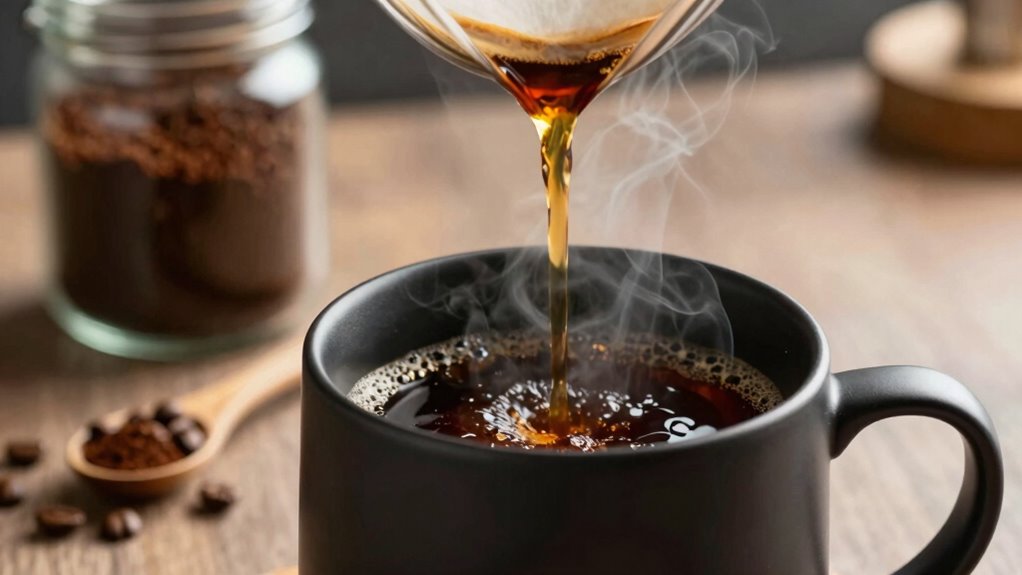
If your coffee isn’t as sweet as you’d like, the issue might stem from how it’s brewed. One key factor is coffee storage — if you don’t store your beans properly, they lose freshness faster, resulting in a duller flavor and less natural sweetness. Keep your beans in an airtight container, away from light, heat, and moisture. When beans stay fresh, they retain more of their inherent sugars and aromatic oils, which contribute to sweetness. Grinding just before brewing also preserves bean freshness, ensuring you access maximum flavor. Additionally, proper gear maintenance can help ensure your brewing equipment functions optimally, leading to better extraction and sweeter-tasting coffee. Regularly cleaning your coffee maker prevents the buildup of residues that can impact flavor, preserving the aromatic oils that enhance sweetness. Maintaining your equipment and ensuring proper water temperature are essential to consistent brewing quality, which directly impacts the sweetness of your coffee. To further enhance sweetness, paying attention to the water quality used in brewing can make a significant difference. If your coffee lacks sweetness, consider improving your storage habits and using fresh beans. These small steps help preserve the natural sugars in your beans, making your coffee taste sweeter and more vibrant with every cup.
Choosing the Right Coffee Beans and Roast Levels for Natural Sweetness
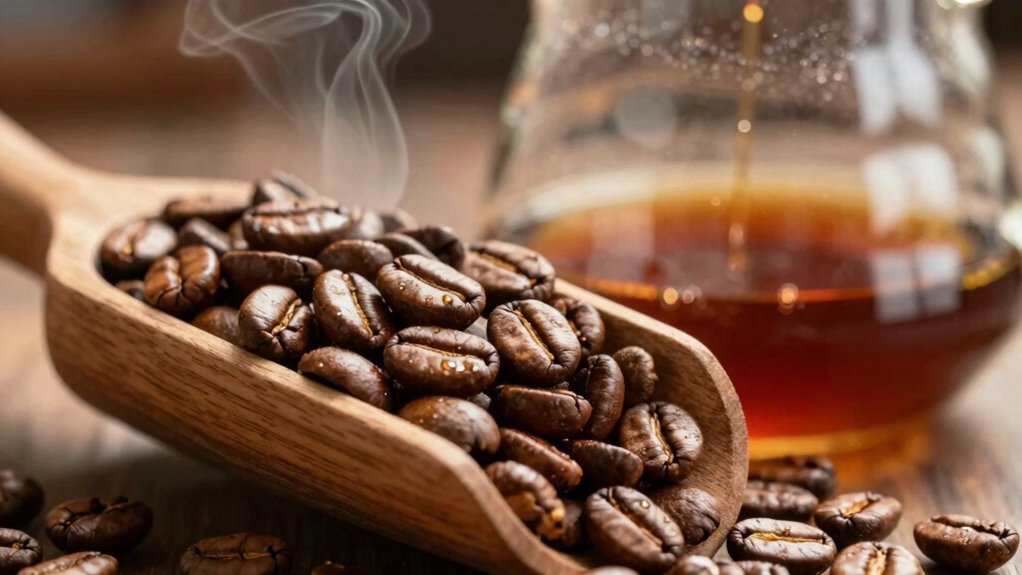
Choosing the right coffee beans and roast levels is essential for enhancing natural sweetness in your brew. Coffee bean origins influence flavor, with regions like Ethiopia and Central America offering naturally sweeter beans. Roast profile selection is equally important: lighter roasts preserve the beans’ inherent sweetness and fruity notes, while darker roasts develop bitterness. Use this guide to help your choices:
| Coffee Bean Origin | Roast Profile Selection | Resulting Flavor |
|---|---|---|
| Ethiopia | Light | Bright, fruity sweetness |
| Central America | Medium | Balanced, caramel notes |
| South America | Dark | Rich, smoky undertones |
Focusing on regional characteristics can further help you select beans that naturally enhance sweetness, making each cup more delightful.
Additionally, paying attention to processing methods can influence the final flavor profile and sweetness levels.
How to Adjust Your Grind Size for a Smoother, Sweeter Brew
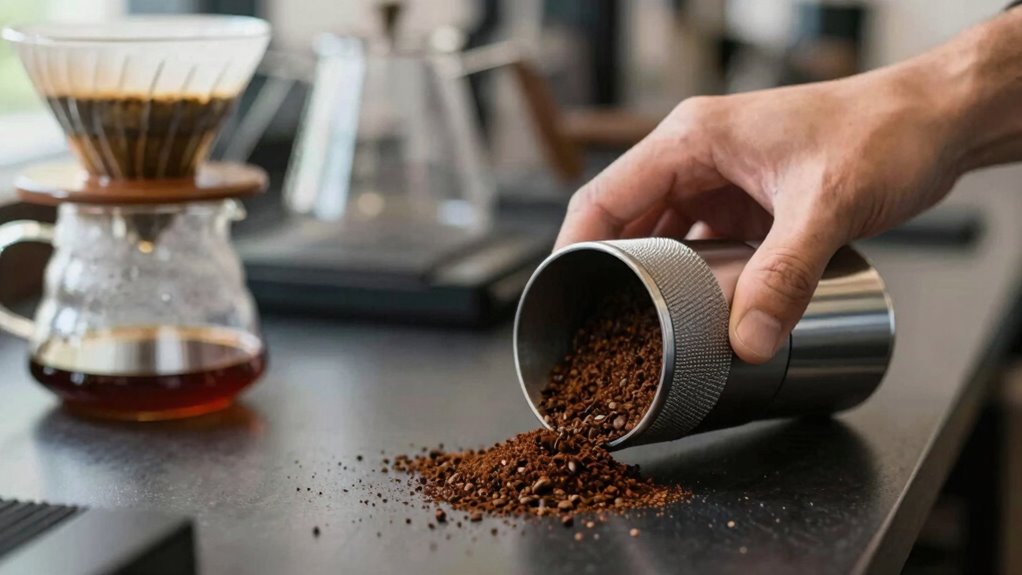
Adjusting your grind size directly influences how your coffee extracts, impacting both flavor and smoothness. Using the right grind setting for your brew type guarantees a balanced, sweeter cup. Experimenting with these settings helps you find the ideal grind for a richer, more enjoyable experience. Incorporating safe techniques when adjusting your grind ensures consistency and preserves the quality of your brew. Understanding brew extraction can help you make more informed adjustments for optimal flavor. Additionally, being mindful of tool maintenance can prevent common issues and keep your grinder functioning smoothly, ensuring your workspace setup remains efficient and conducive to quality brewing.
Optimal Grind Settings
Achieving a smoother, sweeter brew starts with finding the right grind size. You want a grind that’s consistent, which means regularly checking your grinder for proper maintenance. A clean grinder guarantees uniform particle size, preventing over-extraction that can cause bitterness. Store your coffee properly in an airtight container away from light and moisture; stale beans can affect grind quality and flavor. When adjusting your grind, start with a medium setting and tweak based on your brewing method—coarser for French press, finer for espresso. Remember, small adjustments matter. Proper grind settings optimize extraction, making your coffee taste naturally sweeter and smoother. Consistent grinder maintenance and smart storage help maintain the ideal grind size, giving you a more enjoyable, balanced brew every time. Brewing science plays a crucial role in understanding how grind size impacts extraction and flavor.
Impact on Extraction
Have you ever noticed how the grind size directly influences the flavor and smoothness of your brew? Smaller grinds increase extraction, pulling more soluble compounds and often making the coffee taste bolder or more bitter, while larger grinds result in under-extraction, leading to a weak or sour flavor. Coffee bean aging also plays a role; freshly roasted beans extract differently than older beans, so adjusting grind size can help balance flavors. Additionally, the brewing vessel material affects extraction; metal filters may require a slightly coarser grind to prevent over-extraction, while paper filters can handle finer grinds for a cleaner taste. Extraction process is influenced by various factors, and fine-tuning your grind size based on these factors guarantees a smoother, sweeter brew with ideal extraction. Understanding grind consistency can also significantly impact the overall extraction quality, ensuring each cup maintains a balanced flavor profile. Also, considering the type of dog breed you’re brewing for can influence preferred flavor profiles, as some breeds respond better to certain flavors and textures in their water.
Adjusting for Brew Type
Different brewing methods call for specific grind sizes to optimize flavor and smoothness. If you’re making a French press, go for a coarse grind; for espresso, opt for a fine grind; and for drip coffee, a medium grind works best. Adjusting grind size influences not only taste but also how you pair milk and store your coffee.
- Think about milk pairing—smoother grinds often complement creamier textures, enhancing sweetness.
- Store your coffee properly to maintain the ideal grind and flavor profile, preventing bitterness.
- Experiment with grind size to find the perfect balance, making each sip more satisfying and subtly sweeter.
The Best Water Temperature to Bring Out Coffee’s Natural Flavors
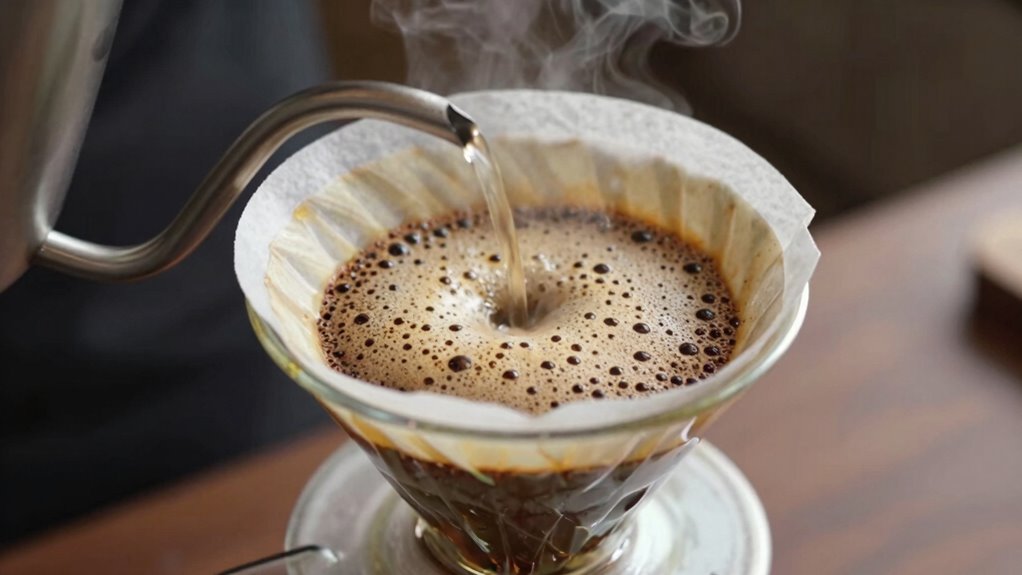
The right water temperature can make a big difference in highlighting your coffee’s natural flavors. Ideally, you’ll want to keep your brewing water between 195°F and 205°F to maximize flavor extraction without bitterness. Understanding this ideal range helps you fine-tune your brew for richer, more balanced results.
Optimal Brewing Temperature Range
What’s the ideal water temperature to release coffee’s full flavor potential? The perfect brewing temperature range is between 195°F and 205°F (90°C to 96°C). When you hit this range, your coffee unleashes its natural sweetness and depth. Think about it—at this temperature, the beans release complex flavors, creating a rich, smooth cup. To enhance this experience, store your coffee properly in a cool, airtight container, preserving freshness. When brewing, aim for consistent temperatures to maintain that perfect balance. Remember, a cozy cafe ambiance with warm lighting and inviting aromas complements this process, making every sip more delightful. By respecting this temperature range, you elevate your coffee from ordinary to extraordinary, making each cup a moment of genuine pleasure. Additionally, brewing temperature consistency is crucial for optimal flavor extraction, ensuring a balanced and satisfying cup every time.
Impact on Flavor Extraction
Maintaining the right brewing temperature directly impacts how effectively your coffee extracts its natural flavors. When you brew at the ideal temperature, you’ll notice a richer coffee aroma that highlights the beans’ unique characteristics. Too hot, and you risk over-extracting, which can create bitterness, while too cold may result in under-extraction, dulling the flavor profile. Consistent temperature control guarantees brewing consistency, helping you achieve a balanced cup every time. The best water temperature, around 195-205°F (90-96°C), allows the coffee’s oils and soluble compounds to dissolve properly, revealing nuanced flavors. This precision enhances the overall taste, making your coffee sweeter and more vibrant. Proper temperature management is essential for bringing out the full potential of your coffee’s natural flavors.
Brew Time Tips to Enhance Coffee’s Natural Sweetness
Adjusting your brew time can considerably boost the natural sweetness of your coffee. When you tweak the duration, you allow the beans’ sugars to fully develop, resulting in a smoother, sweeter flavor. To maximize this, consider these tips:
- Shorten or extend brew time slightly, depending on your method, to balance extraction without overdoing it.
- Use fresh beans stored properly—in an airtight container away from light—to preserve their natural sugars.
- Incorporate coffee art as a mindful ritual, helping you focus on brewing precision and timing, which influences sweetness.
- Paying attention to brew parameters like temperature and grind size can also significantly impact the flavor extraction process.
Troubleshooting Common Brewing Mistakes That Dull Your Coffee’s Flavor
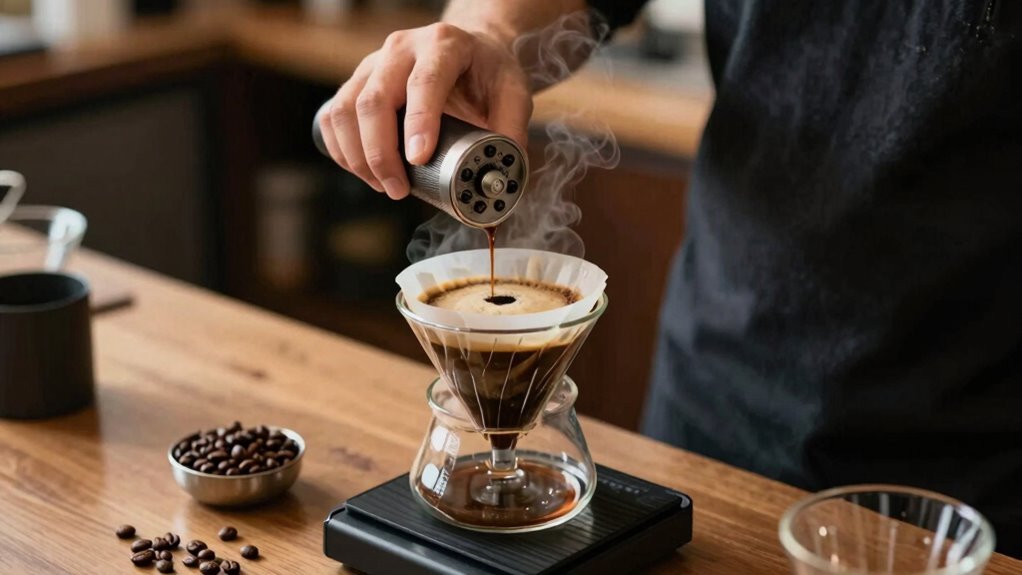
While perfecting your brew time can enhance the natural sweetness of your coffee, overlooking common mistakes during brewing can quickly dull its flavor. Poor coffee storage can lead to stale, flat-tasting beans, so keep your coffee in an airtight container away from heat and light. Additionally, using worn or incompatible brewing equipment can affect extraction, resulting in weak or bitter flavors. Make certain your grinder is clean and set to the right grind size for your brewing method. Overly fine or coarse grounds can cause over-extraction or under-extraction, dulling the taste. Also, check that your brewing temperature is correct; too hot or too cold water hampers flavor development. Addressing these mistakes ensures your coffee’s vibrant, sweet profile isn’t lost. Paying attention to coffee freshness and proper storage practices can further elevate your brewing results.
Frequently Asked Questions
Can Adding Milk or Sugar Affect the Natural Sweetness of Coffee?
Adding milk or sugar does affect the natural sweetness of your coffee. Milk can enhance flavor and create a smoother, creamier taste, subtly balancing bitterness. Sugar, on the other hand, directly boosts perceived sweetness, but too much can overpower the coffee’s natural flavor. For ideal flavor enhancement and sweetness balance, add small amounts gradually, tasting as you go. This way, you enjoy a harmonious coffee experience without masking its authentic notes.
How Does Storage Method Impact Coffee’s Flavor and Sweetness?
You might think storage doesn’t matter, but it really impacts your coffee’s flavor profile and sweetness. If you store coffee improperly, like leaving it in a humid, light-filled space, it loses freshness and flavor. Use airtight containers in a cool, dark place to preserve aroma and sweetness. Proper storage techniques keep your coffee tasting vibrant, ensuring every cup maintains its rich, sweet notes and delightful flavor profile.
Are There Specific Brewing Methods That Naturally Produce Sweeter Coffee?
Yes, drip brewing and pour-over methods naturally produce sweeter coffee because they enhance flavor balance and aroma. These techniques allow water to extract more nuanced sugars and aromatic compounds, resulting in a smoother, sweeter taste. By controlling variables like grind size and water temperature, you optimize aroma enhancement, which elevates sweetness. These methods effectively highlight the coffee’s natural sugars, making each sip more flavorful and satisfying.
Does the Origin of Coffee Beans Influence Their Inherent Sweetness?
Yes, bean origin considerably influences inherent sweetness. For example, Ethiopian coffees are known for their bright, fruity flavor profiles with naturally sweeter notes, thanks to their unique growing conditions. About 60% of flavor components come from bean origin, impacting sweetness and overall taste. So, when choosing coffee, paying attention to bean origin can help you find naturally sweeter coffees that suit your palate.
Can Brewing Equipment Cleanliness Impact Coffee’s Perceived Sweetness?
Yes, brewing equipment cleanliness impacts your coffee’s perceived sweetness. Residue buildup can dull the coffee aroma and introduce off-flavors, masking natural sweetness. Regularly cleaning your equipment guarantees ideal brewing temperature and preserves those sweet, aromatic notes. When your equipment is spotless, your coffee’s flavor profile shines, making it taste sweeter and more vibrant. Keep your gear clean, and you’ll enjoy a richer, more delightful cup every time.
Conclusion
By tweaking your brewing methods, you can reveal your coffee’s natural sweetness like a secret treasure chest. Adjust your grind, water temperature, and brew time with care, and watch your cup transform into a symphony of flavors. Think of it as tuning an instrument—you’ll find the perfect balance that makes your coffee sing sweeter notes. Small gentle changes can make all the difference, turning every sip into a delightful, flavorful experience.
Halloween Picks
halloween
As an affiliate, we earn on qualifying purchases.