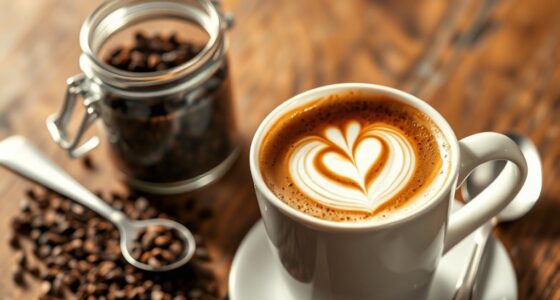
Many believe espresso packs more caffeine than other coffee drinks, but it’s more complicated. The caffeine content depends on brewing method, serving size, bean type, grind size, and roast level. A small espresso shot has about 60–65 mg of caffeine, but larger servings of brewed coffee can contain more overall caffeine. If you’re curious about how variables affect caffeine and why myths persist, there’s more to uncover.
Key Takeaways
- Espresso contains about 60–65 mg caffeine in 1 oz, but serving size is small, limiting total caffeine intake.
- Brew method, grind size, and extraction time influence caffeine concentration and total caffeine in each cup.
- Larger servings of brewed coffee or cold brew often have more caffeine than a single espresso shot.
- Roast level has minimal impact on caffeine content; bean density affects caffeine retention more than roast style.
- Total caffeine intake depends more on serving size than the brewing method itself.

Genovate DNA Caffeine Sensitivity Test – Discover Your Body's Response to Caffeine
YOUR CAFFEINE METABOLISM: Discover your unique caffeine metabolism with the DNA Caffeine Sensitivity Test. Understand how your genes…
As an affiliate, we earn on qualifying purchases.
As an affiliate, we earn on qualifying purchases.
How Caffeine Is Measured in Different Coffee Types

Understanding how caffeine is measured in different coffee types is essential for comparing their stimulant effects. Caffeine content varies based on serving size, brewing method, and bean type. For example, espresso has about 60–65 mg per 1 oz shot due to its high concentration, while an 8 oz brewed coffee contains roughly 95 mg. Cold brew and French press coffees offer similar caffeine per ounce but often come in larger servings, increasing total caffeine intake. Measurement focuses on caffeine concentration (mg per ounce) and total caffeine per serving. Factors like grind size, water temperature, and extraction time influence the caffeine extracted during brewing. Proper measurement techniques, such as consistent brewing parameters, help ensure accurate comparisons across different styles. Additionally, standardized testing methods can improve the reliability of caffeine level assessments. Using accurate measurement tools is crucial for obtaining precise caffeine levels, especially when comparing different brewing methods. Furthermore, calibrated brewing equipment can help maintain consistency in caffeine extraction across various batches. Knowing these distinctions helps you understand why different coffee drinks can deliver similar or varying stimulant effects despite differences in appearance and brewing process. Additionally, applying proper measurement techniques ensures a more accurate comparison of caffeine levels across different brewing styles.
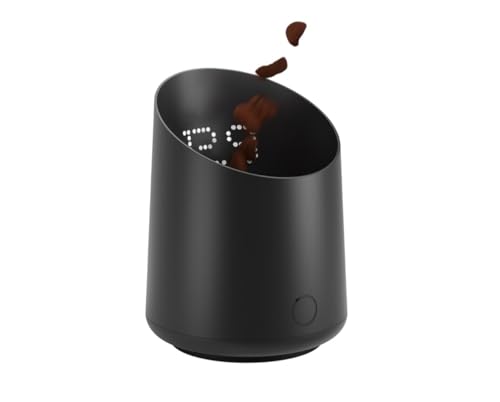
Subminimal Subscale Digital Dosing Cup with LED Display – Sleek & Precise Scale – Dosing & Brewing Accessories, Measures Coffee Grounds for Espresso – Black
SLEEK AND INTUITIVE DESIGN: The Subminimal Subscale boasts a matte black finish with a barely visible capacitive touch…
As an affiliate, we earn on qualifying purchases.
As an affiliate, we earn on qualifying purchases.
The Role of Brewing Methods in Caffeine Extraction

Brewing methods play an essential role in determining how much caffeine is extracted from coffee beans. The process influences both concentration and total caffeine content in your cup. For example, espresso uses high pressure and fine grounds to quickly extract a concentrated shot rich in caffeine per ounce. In contrast, drip coffee, French press, and pour-over methods typically extract less caffeine per ounce but can produce larger servings, increasing overall caffeine intake. Cold brew involves a prolonged steeping process, resulting in higher total caffeine, even if the concentration per ounce remains lower. The key factors include pressure, contact time, and grind size. These elements work together to influence the efficiency of caffeine extraction, meaning your choice of brewing method directly impacts how much caffeine ends up in your cup. Additionally, understanding vetted formulations of brewing and preparation techniques can help optimize caffeine levels for individual preferences. Proper temperature control during brewing also plays a role in maximizing caffeine extraction efficiency. Furthermore, the bean roast level can subtly affect caffeine content, with lighter roasts generally retaining slightly more caffeine than darker roasts. Variables like water temperature and brewing duration further contribute to the caffeine extraction process, affecting the strength and potency of your coffee. Additionally, water quality can influence extraction efficiency, impacting overall caffeine levels.

Mfacoy 2 Pack Measuring Cups, 75ML Espresso Cups with Handle, Espresso Shot Glasses with V-Shaped Mouth, Clear Accessories, Milk Frothing Pitcher
The capacity of 75ml allows you to fill 2 servings of espresso at one time. There are clear…
As an affiliate, we earn on qualifying purchases.
As an affiliate, we earn on qualifying purchases.
Impact of Grind Size on Caffeine Content

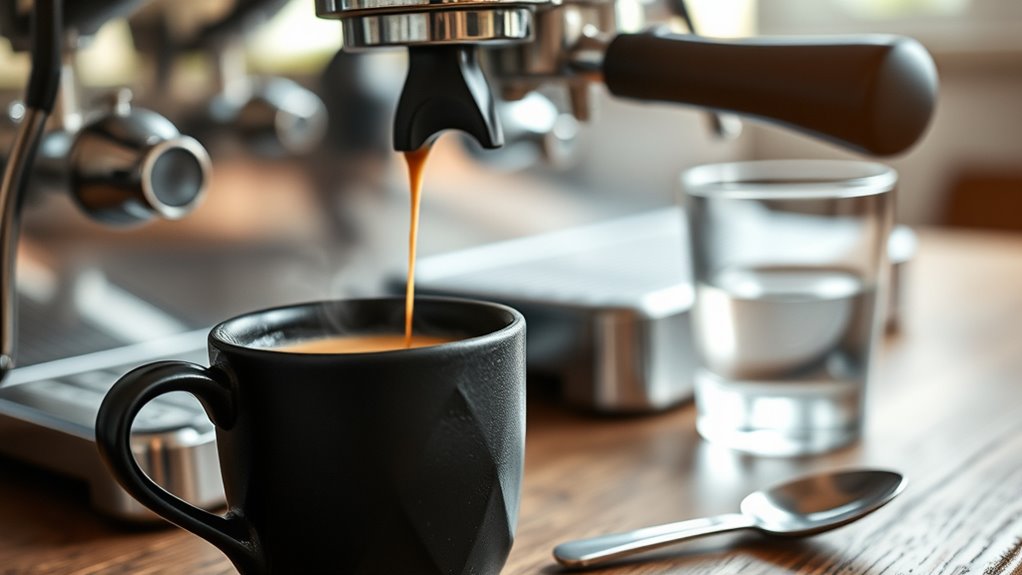
The size of the coffee grind directly affects how much caffeine is extracted during brewing. When you use a finer grind, you increase the surface area that water contacts, leading to faster and more efficient caffeine extraction. This is why espresso uses a very fine grind—it maximizes caffeine pulled in a short brewing time. Conversely, coarser grinds, like those for French press or cold brew, slow down extraction but can result in a higher total caffeine content over a longer contact period. If your grind is inconsistent, extraction becomes uneven, causing some parts to be over-extracted and others under-extracted. Understanding caffeine extraction helps you fine-tune your brewing process to achieve your desired balance of flavor and caffeine levels. Additionally, the brewing method you choose plays a significant role in how much caffeine is ultimately extracted from your coffee beans. Ultimately, adjusting grind size allows you to control the balance between extraction speed and total caffeine yield, impacting both flavor and caffeine levels in your brew.

Cold Brew Coffee Maker,64 oz Mason Jar Pitcher with Stainless Steel Filter, Pour Spout Handle Lid, Heavy Duty Glass Airtight & Leak-Proof for Iced Coffee,Tea & Lemonade
【What You Will Get】:1 Pcs / 64 oz mason jar pitcher with pour spout lid, 1 stainless stell…
As an affiliate, we earn on qualifying purchases.
As an affiliate, we earn on qualifying purchases.
Does Roast Level Change Caffeine Levels?

Roast level doesn’t substantially change the caffeine content in your coffee beans, but it does affect how much caffeine ends up in your cup. Light roasts tend to be denser and retain more caffeine per scoop because they lose less mass during roasting. Dark roasts, on the other hand, lose weight through roasting, so they contain slightly less caffeine by volume. However, the actual caffeine amount per bean remains similar regardless of roast level. When you measure coffee by volume, light roasts may give you a bit more caffeine. But overall, roast level has minimal impact on caffeine levels; flavor and aroma are the main changes caused by roasting. Additionally, 16PF personality traits can influence individual preferences for coffee strength and brewing methods. Understanding chemical composition of different roasts can also help consumers choose the right type for their caffeine needs. The density differences between roast levels play a significant role in how much caffeine is delivered in your cup. Moreover, automation in business has led to innovations in coffee production and distribution, impacting supply chains globally.
Serving Sizes and Total Caffeine Intake
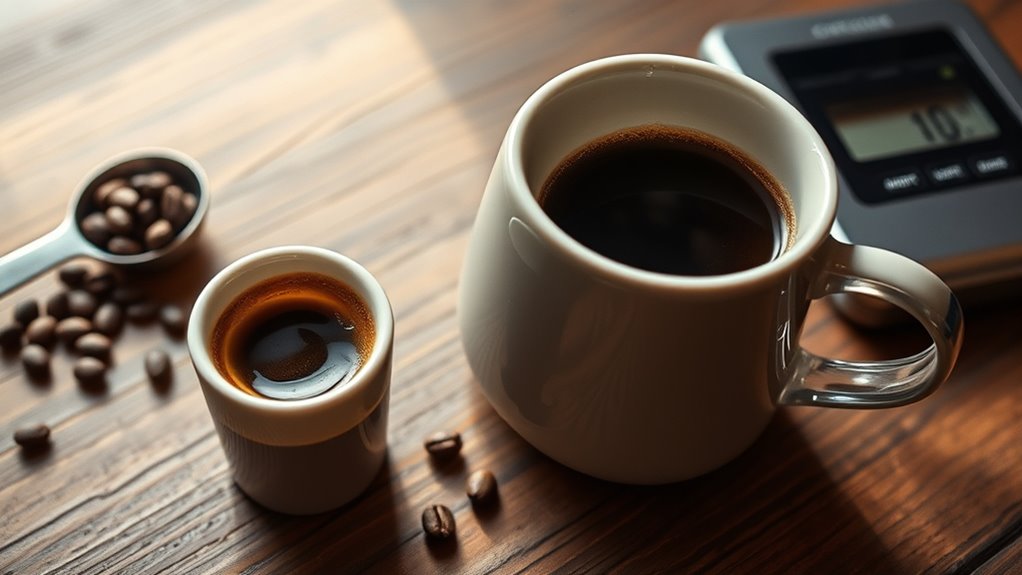
Serving sizes play a crucial role in determining your total caffeine intake, often more so than the brewing method itself. A small espresso shot (1–2 oz) delivers about 60–125 mg of caffeine, but because of its size, your total intake stays relatively low. Conversely, larger cups of brewed coffee (8 oz or more) can contain 95–140 mg of caffeine or more, depending on the strength. Drinking a tall cold brew or multiple servings markedly increases your caffeine intake. Even if espresso has higher caffeine concentration per ounce, the small volume limits total caffeine. In contrast, larger portions of brewed coffee or cold brew can equal or surpass espresso’s caffeine dose. So, your total caffeine depends more on how much you drink than how it’s brewed. Additionally, the serving size significantly influences the overall caffeine consumption, regardless of the brewing method.
What Science Says About Caffeine Variability
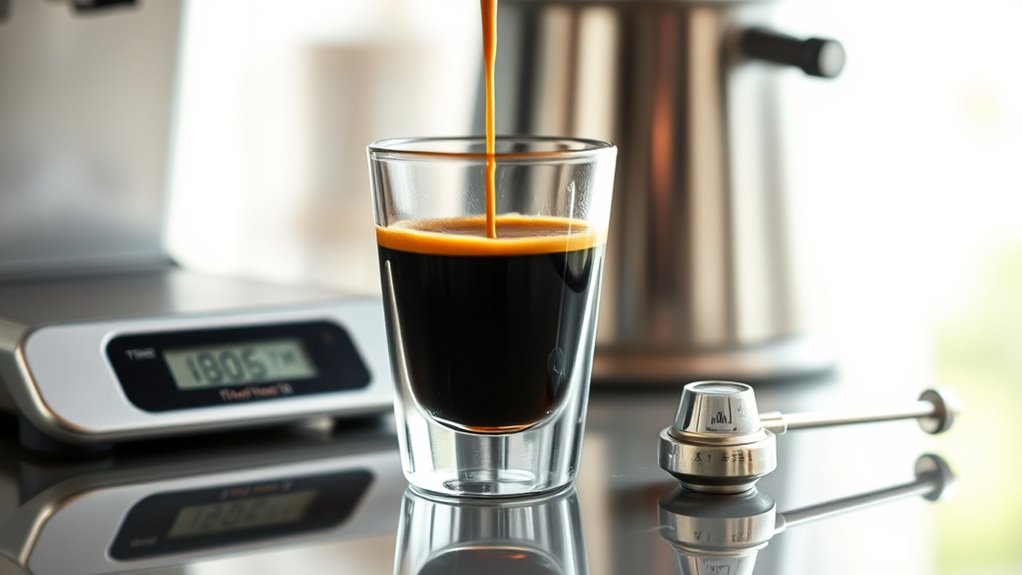
Scientific studies show that caffeine content in coffee can vary widely, even when using the same brewing method. Factors like bean type, grind size, water ratio, and brewing equipment influence caffeine levels. You might find a shot of espresso containing between 50–75 mg, while an 8 oz cup of brewed coffee ranges from 70–140 mg. Extraction time has minimal impact; instead, grind size and water temperature play larger roles. For example:
- Bean variety affects caffeine potential.
- Finer grinds extract more caffeine quickly.
- Longer brewing times increase total caffeine.
- Roast level influences bean density, not caffeine content directly.
Understanding these variables helps you see why caffeine amounts fluctuate. Additionally, automation in brewing processes can help maintain consistency in caffeine extraction across different cups. Moreover, brew method consistency can significantly influence the final caffeine content, reducing variability caused by manual techniques. Temperature control is another critical factor that ensures optimal extraction and caffeine stability during brewing. Furthermore, headphone compatibility with brewing equipment is not applicable here but underscores the importance of understanding how different factors affect the final product.
Frequently Asked Questions
How Does Water Temperature Influence Caffeine Extraction?
Water temperature directly affects caffeine extraction because hotter water dissolves caffeine more efficiently. When you brew with higher temperatures, you help extract more caffeine from the coffee grounds, especially during longer contact times. Conversely, lower temperatures slow down extraction, often resulting in less caffeine in your cup. So, adjusting water temperature can influence how much caffeine ends up in your coffee, with hotter water generally extracting more.
Does Adding Milk or Sugar Affect Caffeine Content?
Adding milk or sugar doesn’t change the caffeine content in your coffee or espresso. You’re just mixing in other ingredients, which dilute the overall beverage but leave the caffeine amount unchanged. If you add a lot of milk or sugar, your drink might taste milder or sweeter, but the caffeine per ounce stays the same. So, your caffeine intake depends on the coffee’s original caffeine level, not the extras you add.
Are Decaffeinated Coffees Completely Caffeine-Free?
Decaffeinated coffees aren’t completely caffeine-free, but they contain very low amounts. You’re likely to get about 0.006 grams (6 mg) of caffeine per liter, which is minimal compared to regular coffee. If you’re sensitive to caffeine or trying to cut back, decaf is a good option, but it still has tiny traces. So, while it’s not entirely caffeine-free, it’s a much safer choice for avoiding most of the stimulant’s effects.
How Does Brewing Time Impact Caffeine Levels?
Brewing time influences caffeine extraction, but its impact is limited compared to grind size and water temperature. Longer extraction periods, like in cold brew or French press, can increase total caffeine in your cup, especially with coarser grinds. However, once the ideal extraction point is reached, extending brewing time doesn’t markedly boost caffeine levels. Focus on grind size and brewing method for more control over caffeine content.
Can Caffeine Content Vary Between Different Coffee Brands?
Yes, caffeine content can vary between different coffee brands, like stars in the night sky. Factors like bean type, roast level, and processing methods influence caffeine levels. Even if two brands use the same amount of beans, differences in origin or roasting can lead to more or less caffeine. So, don’t assume all coffees are created equal—your favorite brand might pack a different caffeine punch than others.
Conclusion
So, next time you wonder if espresso packs more caffeine, remember it’s all about serving size—an ounce of espresso has about 63 mg of caffeine, while a standard 8-ounce cup of drip coffee contains roughly 95 mg. Brewing methods, grind size, and roast level also play roles, but size matters most. Don’t be fooled by myths—your caffeine intake depends on how much coffee you actually drink.