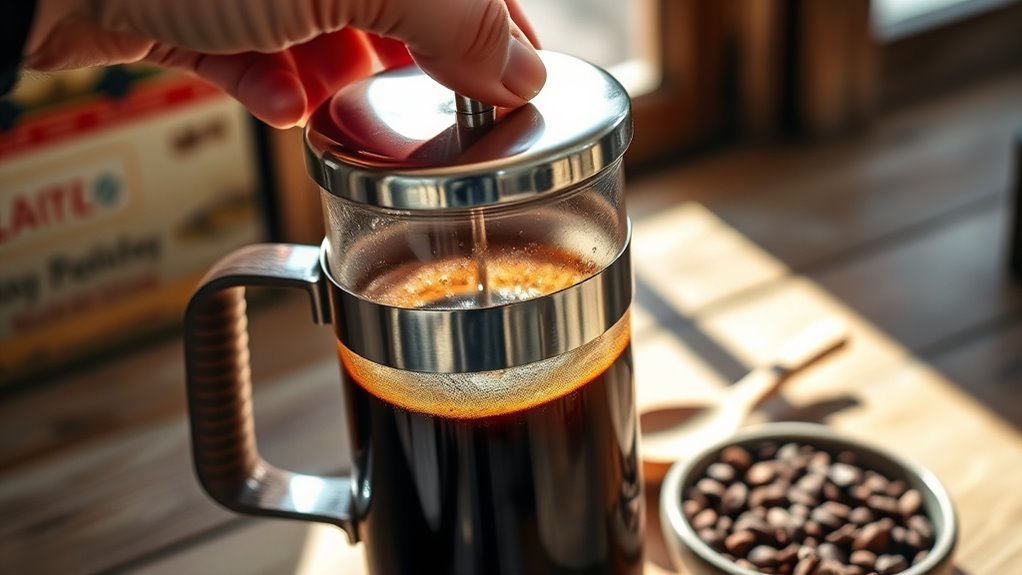

To make your first French press coffee, start by using fresh, whole beans and grind them coarsely. Boil water, then let it sit 30 seconds to reach about 205°F. Add about 8 tablespoons of grounds, pour in hot water, and let it steep for 4–5 minutes. Slowly press the plunger, pour, and enjoy a rich, flavorful cup. If you want to perfect your technique and get the best results, keep exploring these essential steps.
Key Takeaways
- Use coarsely ground coffee (breadcrumb-like) and measure about 8 tablespoons for a balanced brew.
- Heat water to 205°F, then pour over grounds, starting with a bloom phase of 30 seconds.
- Steep for 4 minutes with the lid on, then slowly and steadily press the plunger.
- Pour the coffee gently into cups immediately after pressing to preserve freshness.
- Maintain consistent timing, use quality water, and serve promptly for optimal flavor.

Veken French Press Coffee Maker 34oz, No Plastic Touching Cafe,Thickened Glass Stainless Steel Brewer, Cold Brew Cafetera Tea pot for Kitchen Travel Camping, Gifts, Decor, Bar Accessories, Dark Pewter
No Plastic Touching Food: Made with 304 stainless steel and food-grade silicone, our French press keeps all brewing…
As an affiliate, we earn on qualifying purchases.
As an affiliate, we earn on qualifying purchases.
Gathering Your Equipment and Ingredients

To start brewing great coffee with a French press, gather all the necessary equipment and ingredients first. You’ll need a French press with a glass carafe and plunger mechanism, a burr grinder for whole beans, and a kettle to heat water. Get a timer to track your brew stages and a wooden spoon or spatula for stirring—avoid metal utensils to prevent cracking the glass. Measure about 56 grams (around 8 tablespoons) of whole coffee beans, preferably fresh and roasted to your taste. Confirm your water is clean, soft, and filtered for ideal flavor. Verify your grinder is set to a coarse, breadcrumb-sized grind, which balances extraction and sediment. Proper water quality in your setup ensures your coffee’s true flavors are preserved from bean to cup. Maintaining the right brew temperature also plays a crucial role in extracting optimal flavors from your coffee. Using the correct coffee grind size helps prevent over-extraction or under-extraction, leading to a balanced cup. Considering the celebrity lifestyle insights, creating an ideal brewing environment can elevate your coffee experience. Having everything ready ensures a smooth brewing process and better-tasting coffee.
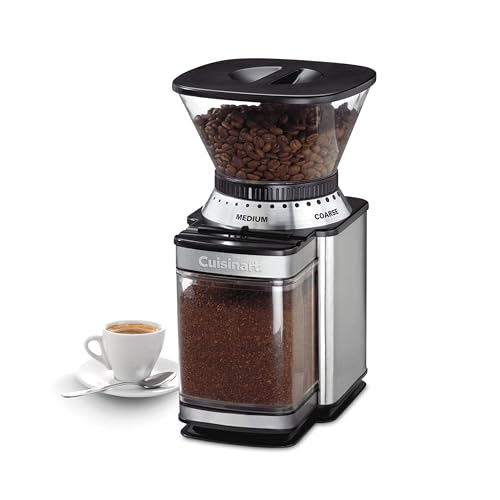
Cuisinart Coffee Grinder, Electric One-Touch Automatic Burr Coffee Grinder with 18-Position Grind Selector, Cup Size Selector for 4 – 18 Cups, DBM-8P1, Black Stainless
ENJOY OPTIMUM FLAVOR: The Cuisinart Coffee Grinder with 18-position slide-dial grind selector provides a uniform grind from ultra-fine…
As an affiliate, we earn on qualifying purchases.
As an affiliate, we earn on qualifying purchases.
Preparing the Water for Brewing
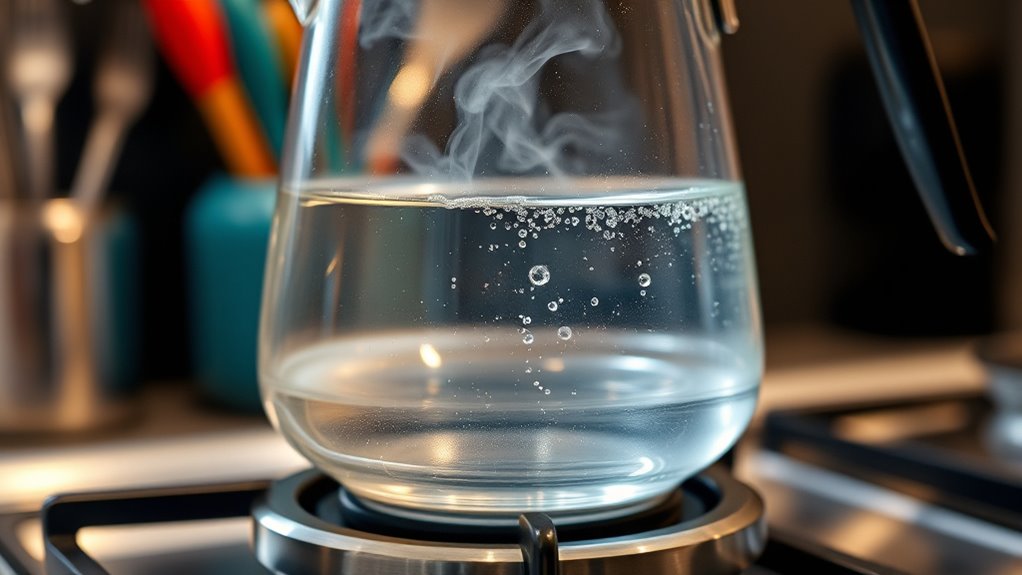
To get the best flavor, you need to use water heated to just the right temperature, around 205°F. Make sure your water is fresh, clean, and soft, since hard or unfiltered water can ruin the taste. Proper water quality and temperature are key to brewing a great cup of coffee. Using filtered water can help ensure your brew is free from impurities that might affect the flavor. For the best results, consider using water mineral content to enhance the taste and aroma of your coffee. Additionally, selecting water with appropriate pH balance contributes to optimal extraction and flavor clarity.
Water Temperature Precision
Achieving the perfect water temperature is essential for extracting the best flavors from your coffee beans. The ideal temperature is around 205°F, which ensures ideal extraction without bitterness. Start by boiling your water, then let it sit for about 30 seconds—this brings it down to the right temperature. Using water too hot can over-extract the coffee, making it bitter, while cooler water results in under-extraction, dull flavors, and weak brew. Use a thermometer if you’re unsure, or rely on the timing after boiling. Keep in mind that consistent water temperature helps produce a balanced, flavorful cup. Proper temperature control is crucial for brewing success, and some brewers use a temperature-controlled kettle to maintain the optimal water temperature throughout the brewing process. Additionally, maintaining the correct water temperature prevents over- or under-extraction, which directly impacts the taste quality of your coffee. To further improve your brewing, understanding the mechanics of French press can help you achieve a more consistent and flavorful result.
Water Quality Selection
Using high-quality water is essential for brewing flavorful coffee because water makes up most of your final cup. Poor water quality can mask or spoil your coffee’s natural flavors. Always choose fresh, filtered, or spring water instead of unfiltered or hard tap water. Soft water enhances extraction and clarity, while hard water can cause mineral buildup and dull taste. Avoid using water with high chlorine or impurities, as these can introduce off-flavors. Here’s a quick reference:
| Water Type | Effect on Coffee | Best Use |
|---|---|---|
| Filtered | Clean, smooth flavor | Daily brewing |
| Spring | Rich, natural taste | Specialty brews |
| Hard Tap Water | Dull, mineral-heavy flavor | Avoid |
| Bottled Purified | Consistent quality | Precise brewing |
Additionally, understanding the water quality can help you select the optimal water for your brewing needs. Good water mineral content can further improve your coffee’s flavor profile, making it more balanced and enjoyable, especially when considering water composition for different brewing methods. Incorporating an awareness of water pH levels can also help optimize extraction and enhance overall taste. For instance, using water with the right water hardness can prevent mineral buildup in your equipment and improve extraction efficiency.
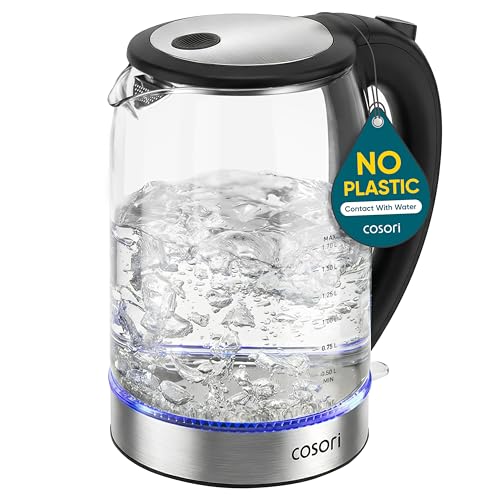
Cosori Electric Kettle, No Plastic Contact With Water, Wide Mouth For Easy Cleaning, Auto Shut Off, 1.7L Tea Kettle & Hot Water Boiler, Water Heater & Teapot, Borosilicate Glass, Black, 1500W
No Plastic Contact with Your Water——With no plastic inside, water never touches plastic, ensuring a pure taste and…
As an affiliate, we earn on qualifying purchases.
As an affiliate, we earn on qualifying purchases.
Grinding and Measuring Your Coffee
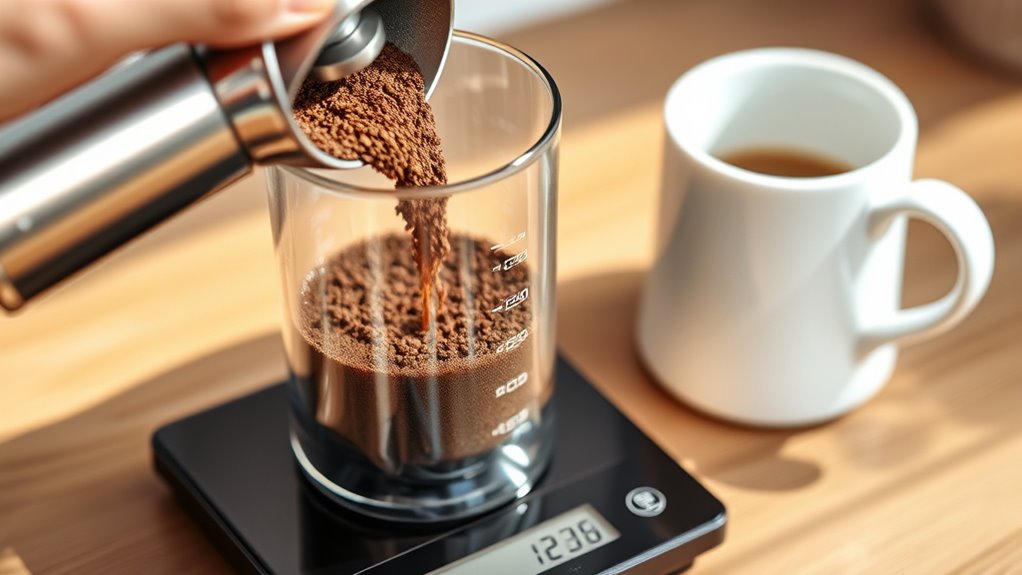
Measuring and grinding your coffee precisely guarantees a better brew. Use about 56 grams (roughly 8 tablespoons) of whole beans for a balanced flavor. Weighing your beans ensures consistency, especially if you brew often. Grind your coffee on a medium setting, aiming for a texture similar to breadcrumbs—coarse enough to prevent sediment but fine enough for proper extraction. Whole beans retain more flavor than pre-ground coffee, so grind just before brewing. The size of your grind influences how quickly flavors extract; too fine can cause over-extraction and bitterness, while too coarse may result in a weak brew. Measure carefully to maintain the right coffee-to-water ratio, ensuring your French press produces a rich, flavorful cup every time.
![Teranuvo Hourglass - [4 Minutes][Shock Resistance][Perfect Timer for Medium-Dark Coffee]](https://m.media-amazon.com/images/I/31h++vvAj7L._SL500_.jpg)
Teranuvo Hourglass – [4 Minutes][Shock Resistance][Perfect Timer for Medium-Dark Coffee]
Accurate Timers: Elegant glass sand timers to be used in the brewing process to get a perfect cup…
As an affiliate, we earn on qualifying purchases.
As an affiliate, we earn on qualifying purchases.
Starting the Brewing Process

Once you’ve prepared your coffee grounds with the right amount and grind size, it’s time to start the brewing process. Begin by rinsing the empty French press with very hot water to help maintain temperature. Next, pour about half of your heated water—around 205°F—over the grounds, ensuring they are fully saturated. Allow the coffee to bloom for 30 seconds, releasing carbon dioxide and enhancing flavor extraction. After the bloom, stir gently with a wooden spoon or spatula to break the crust and mix the grounds evenly. Then, pour in the remaining hot water, filling the press. Place the lid on, with the plunger pulled up, and let the coffee steep for the appropriate time based on your roast. This sets the foundation for a flavorful brew. Proper steeping time is essential to achieve the ideal balance of strength and aroma in your coffee.
Timing and Steeping Your Coffee

To guarantee your coffee develops its full flavor, timing is crucial during the steeping process. Once you’ve added the remaining hot water, set your timer for four minutes if you’re brewing dark roast, or five minutes for light roast. This steeping period allows the coffee grounds to release their flavors fully. Avoid rushing this step, as under-steeping can result in weak, under-extracted coffee, while over-steeping may produce bitterness. During steeping, resist the urge to disturb the grounds. Keep the lid on the French press to maintain temperature and consistency in extraction. Proper timing ensures your coffee reaches its ideal strength and flavor, making your first French press experience enjoyable and satisfying. Additionally, projector bulb maintenance is essential for ensuring consistent performance if you’re using a home theater setup for a movie night after brewing. Be mindful that timing and steeping are key factors in achieving the perfect brew. For optimal results, consider water temperature as well, since it significantly influences extraction quality. Once the timer ends, proceed to plunge the plunger smoothly and steadily. Maintaining an awareness of meditation and mindfulness during this process can enhance your overall brewing experience and help you appreciate each step.
Plunging and Serving Your Coffee
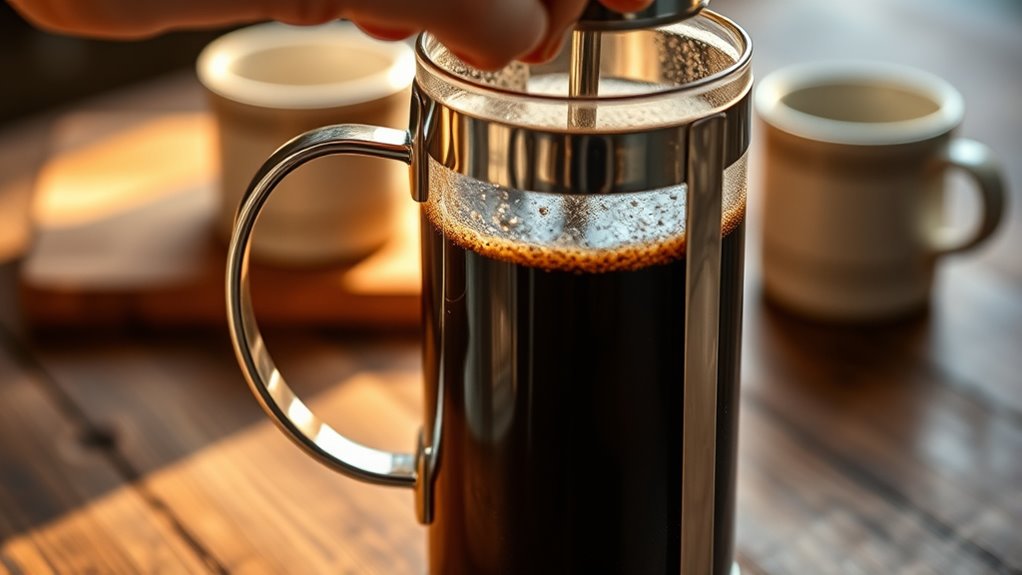
When you’re ready to plunge, do so slowly and steadily to prevent splashing and sediment in your cup. Use a gentle pour to avoid disturbing the grounds at the bottom of the French press. Serve your coffee immediately after brewing to enjoy it at its freshest and avoid over-extraction.
Slow and Steady Plunge
As you finish steeping your coffee, it’s crucial to press the plunger slowly and evenly over about 15 seconds. Applying gentle, consistent pressure prevents hot water splashing and minimizes sediment in your cup. Rushing the plunge can cause grounds to escape, resulting in bitterness and a gritty texture. Think of your plunger as a delicate task—steady, controlled, confident. Once pressed, serve immediately to enjoy the full flavor and aroma. Take a moment to appreciate the rich, inviting scent. Remember, a slow, steady plunge preserves clarity and enhances taste, turning your brew into a truly satisfying experience.
| Calm | Control | Confidence |
|---|---|---|
| Patience | Precision | Satisfaction |
| Gentle | Sure | Flavorful |
Gentle Pour Technique
After pressing the plunger slowly and evenly, focus on pouring your coffee carefully to preserve its clarity and aroma. Use a steady, gentle pour to avoid disturbing the settled grounds at the bottom of the carafe. Keep the spout close to the cup to minimize splashing and splattering. Pour in a slow, controlled manner, allowing the coffee to flow smoothly without turbulence. This gentle technique prevents excess sediment from mixing into your cup and helps maintain the coffee’s delicate flavors. If you’re serving multiple cups, pour slowly and evenly to ensure each receives a balanced aroma and taste. Remember, patience during pouring enhances the overall experience, allowing you to enjoy the full richness of your freshly brewed French press coffee. Proper pouring technique also helps prevent spills and keeps your brewing area clean.
Serve Immediately After Brewing
Plunging your French press promptly once the steeping time ends is essential to preserve the coffee’s ideal flavor and aroma. As soon as the timer goes off, press the plunger down slowly and evenly over about 15 seconds. This gentle pressure prevents too much sediment from escaping and minimizes the risk of hot water splashing. Once you’ve pressed the grounds, pour the coffee into your cup immediately. Serving right away ensures you enjoy the coffee at its freshest and most vibrant. Delaying can lead to over-extraction, which makes the coffee bitter and dulls the aroma. So, don’t wait—pour, sip, and enjoy your perfectly brewed cup while it’s at its peak flavor.
Tips to Avoid Common Mistakes
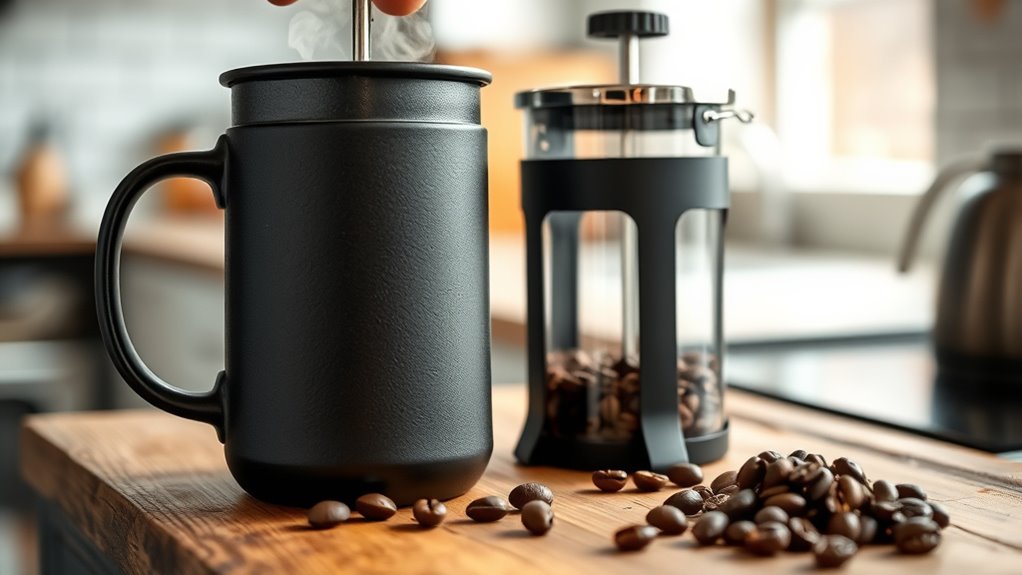
To prevent common mistakes when brewing coffee with a French press, start by paying close attention to water temperature and grind size. Use water heated to 205°F, after boiling and resting for 30 seconds. Avoid water that’s too cool, as it results in under-extraction and weak flavor. For grind size, opt for a coarse, breadcrumb-like consistency; too fine a grind causes sediment and bitterness. Measure about 8 tablespoons of whole beans for a balanced brew. Use a burr grinder for consistency. Steep the coffee for the correct time—around 4 minutes for dark roasts and 5 for light. Don’t rush the plunging process; press slowly to reduce sediment. Ultimately, serve immediately to prevent over-extraction and bitterness. These tips help ensure a smooth, flavorful cup.
Frequently Asked Questions
Can I Use Flavored Coffee Beans in a French Press?
Yes, you can use flavored coffee beans in a French press. Just keep in mind that the strong flavors may intensify during brewing, so choose a flavor profile you enjoy. Use fresh, whole beans and grind them to a coarse setting. Follow your usual brewing steps, including proper water temperature and steeping time. This way, you’ll get a delicious, aromatic coffee that highlights the flavor notes of your beans.
How Do I Clean My French Press Properly?
To clean your French press properly, start by unscrewing the plunger and separating all parts. Rinse the glass carafe with warm water to remove leftover grounds. Use a mild dish soap and a soft brush or sponge to scrub the carafe, lid, and plunger thoroughly. Rinse everything well to eliminate soap residue. Dry all parts completely before reassembling to prevent mold and guarantee your next brew stays fresh and tasty.
Is It Okay to Reheat French Press Coffee Later?
Reheating French press coffee is like trying to revive a tired song; it’s best avoided. When you reheat, the flavors can turn bitter and dull, losing their vibrant notes. Instead, pour fresh hot water over your grounds for a new brew or enjoy it immediately. If you must reheat, do so gently in short bursts, but know you’ll sacrifice some of that fresh, rich taste you brewed for.
What’s the Best Way to Store Leftover Coffee?
To store leftover coffee, transfer it to a clean, airtight container promptly to preserve flavor and prevent oxidation. Avoid leaving it in the French press, as it can develop stale tastes. Keep the container in the refrigerator, and consume the coffee within 24 hours for the best quality. Reheat gently on the stove or in the microwave, but note that reheated coffee may lose some of its original aroma and taste.
How Do I Adjust Brewing Time for Different Coffee Roasts?
To adjust brewing time for different roasts, you should steep dark roasts for about 4 minutes since they extract faster, while light roasts need around 5 minutes for ideal flavor. Keep in mind that lighter beans benefit from a slightly longer steep to develop their nuanced flavors. Monitor the taste and adjust the time in small increments until you find the perfect balance that suits your preference.
Conclusion
Now that you’ve mastered your French press, brewing coffee becomes your daily ritual—a symphony, each step harmonizing perfectly. With patience and practice, you’ll turn simple beans into a rich, comforting brew that fuels your day. Think of your French press as a trusted garden, nurturing bold flavors with care. Keep experimenting, enjoy each cup, and soon, coffee brewing will feel like second nature—an art you’ve skillfully learned to craft.