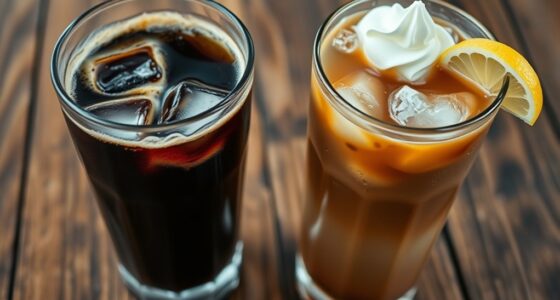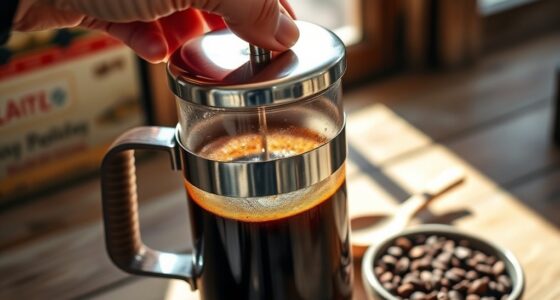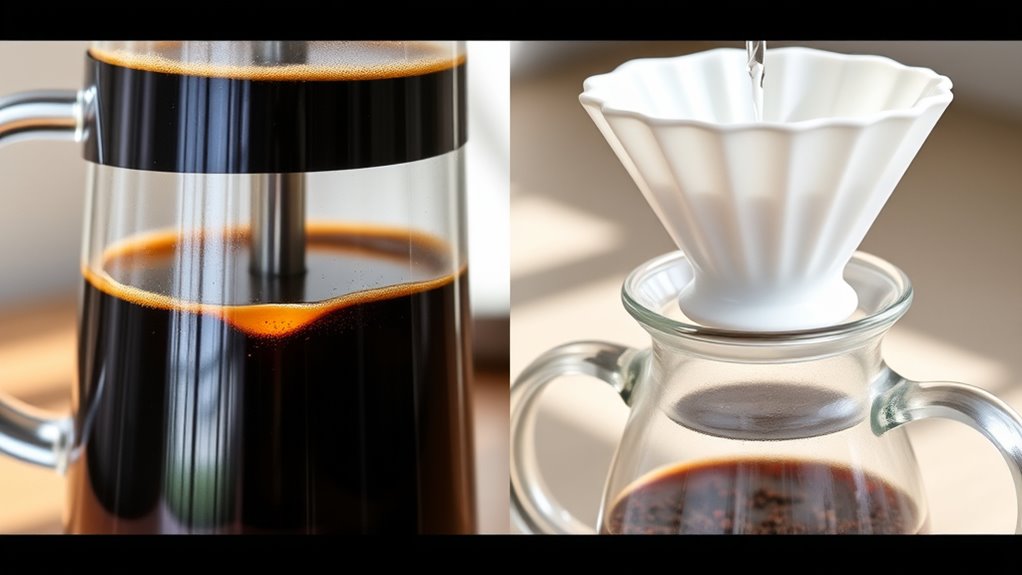
Brew versus steep mainly refers to immersion and drip coffee methods. In immersion, you fully soak the grounds for a set time, producing a rich, full-bodied cup with more oils and sediments. Drip involves hot water flowing through grounds quickly, resulting in a cleaner, brighter, lighter brew. Each method influences flavor, clarity, and texture differently. To discover which suits your taste and brewing style best, explore how these techniques shape your perfect cup.
Key Takeaways
- “Brew” typically refers to drip methods where hot water flows through grounds, producing a clean, light coffee, while “steep” involves immersion for richer extraction.
- Immersion (steep) methods fully submerge coffee grounds, resulting in fuller-bodied, denser brews; drip methods flow water over grounds for clarity.
- Steeping usually involves longer contact time, extracting more oils and particles, enhancing richness; brewing time in drip is shorter, emphasizing brightness.
- The primary difference lies in contact method: immersion submerges grounds entirely; drip flows water through grounds for quick extraction.
- Choice between brew and steep depends on desired flavor profile: steep yields bold, full-bodied coffee; drip offers cleaner, more nuanced cups.

Hario "Switch" Immersion Dripper, Size 03
This product comes with an 03 SWITCH dripper and a 40-pack of size 03 V60 filters.
As an affiliate, we earn on qualifying purchases.
As an affiliate, we earn on qualifying purchases.
Defining the Core Techniques of Coffee Preparation
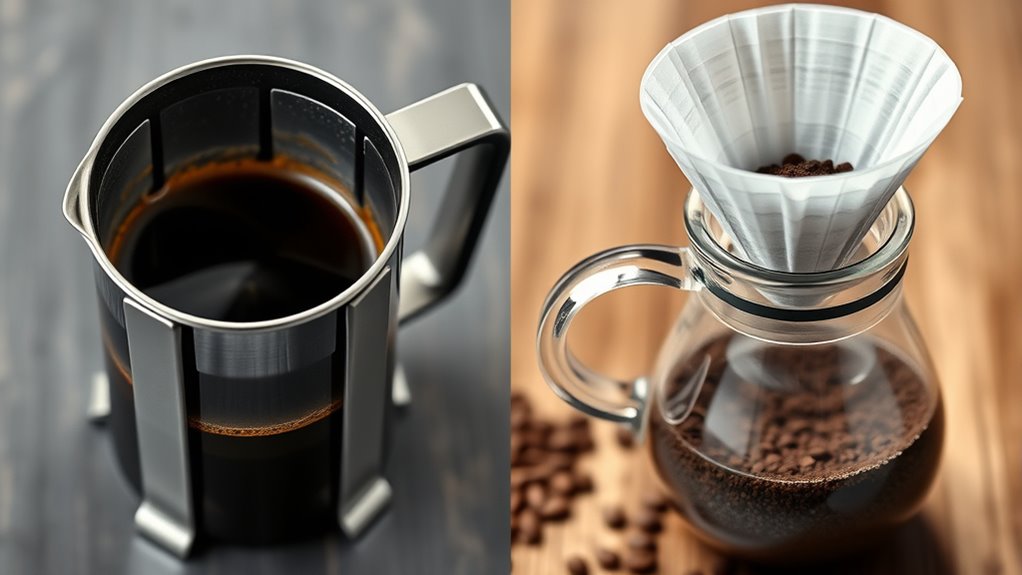
Understanding the core techniques of coffee preparation means recognizing the primary ways hot water interacts with coffee grounds to extract flavor. In immersion brewing, water fully saturates the grounds, soaking them for a set time, allowing flavors to dissolve gradually through osmosis and time. This method produces a rich, full-bodied coffee with a heavier mouthfeel. In drip brewing, hot water flows through the coffee bed by gravity, extracting flavors quickly as it filters downward. This results in a cleaner, lighter cup with clearer clarity and more delicate notes. Some methods combine these approaches, like AeroPress or Clever Dripper, blending immersion and drip principles for a balanced extraction. The extraction process plays a crucial role in determining the overall quality and flavor profile of your brew, and understanding the brewing parameters such as temperature, grind size, and time can help optimize your results. Additionally, the design of the brewing device influences how water interacts with the grounds, affecting the final flavor. Recognizing the impact of water flow on extraction efficiency can further refine your brewing technique.

Ninja Drip Coffee Maker With K Cup Combo, DualBrew Pro Specialty Coffee System, Coffee Machine Compatible with K-Cup Pods, 12 Cup Single Serve Coffee Makers with Paper Filter, CFP301
13-SIZE DUAL COFFEE MAKER: Grounds and pods system with 5 grounds brew sizes (Sm, XL Cup, Travel, XL…
As an affiliate, we earn on qualifying purchases.
As an affiliate, we earn on qualifying purchases.
How Extraction Shapes Flavor and Body
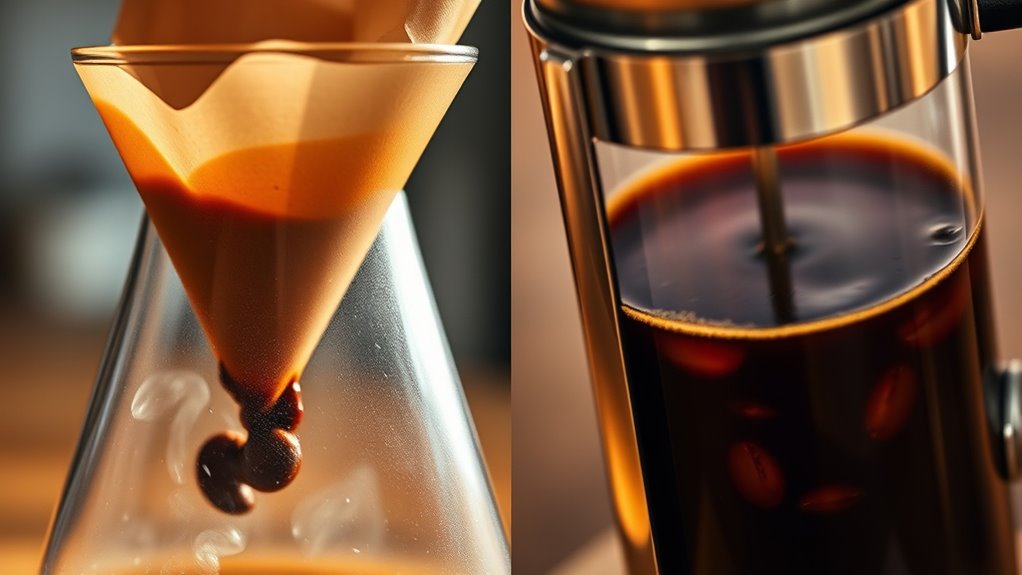
You can influence how your coffee tastes and feels by adjusting extraction speed and clarity. Faster extraction tends to produce brighter, more nuanced flavors, while slower extraction creates richer, fuller bodies. Understanding how these factors interact helps you craft a cup that balances flavor complexity with desired mouthfeel. Proper heat management during brewing can also enhance extraction efficiency and overall flavor profile. Additionally, controlling extraction time impacts the sensory experience, allowing for tailored flavor profiles to suit individual preferences. A thorough understanding of vetted brewing methods can further refine your technique and improve consistency in your coffee. Being aware of asset division strategies can also help in scenarios where financial stability is a concern post-brew, especially if adjustments to resources are needed. Moreover, selecting the appropriate extraction method plays a crucial role in achieving your preferred flavor outcome.
Extraction Speed and Clarity
Extraction speed directly influences both the flavor profile and body of your coffee. Faster extraction, typical in drip brewing, pulls out bright, complex, and delicate flavors quickly, resulting in a cup with clarity and a lighter mouthfeel. You’ll notice this method emphasizes specific notes and maintains the integrity of subtle nuances. Slower extraction, as seen in immersion brewing, takes more time to dissolve solubles, producing a fuller-bodied, richer coffee with heavier texture. The extended contact allows oils and fine particles to dissolve more fully, creating a denser, more robust cup. Clarity in immersion methods can be compromised by the presence of these particles and oils, which add body but reduce overall transparency. Your choice of extraction speed directly shapes the balance between sharpness, richness, and clarity in your brew. Additionally, understanding how brewing time affects extraction can help you tailor your method to achieve the desired flavor and body.
Flavor Nuance and Richness
The way coffee is brewed remarkably influences its flavor nuance and richness by controlling how solubles are dissolved and how oils and particles are extracted. With immersion methods, longer contact time pulls out more oils and heavier compounds, creating a full-bodied, bold profile. Drip brewing, with its faster extraction, emphasizes clarity and highlights delicate, complex notes, often resulting in a brighter, more nuanced cup. Your choice affects flavor depth and texture.
| Brew Method | Flavor Focus | Body & Texture |
|---|---|---|
| Immersion | Rich, full-bodied | Heavy, viscous |
| Drip | Bright, nuanced | Light, clean |
| Hybrid | Balanced, versatile | Moderate, smooth |

AeroPress Original Coffee and Espresso-style Maker, Barista Level Portable Coffee Maker with Chamber, Plunger, & Filters, Quick Coffee and Espresso Maker
UNIQUELY DELICIOUS: No more average joe from fancy, expensive machines. By combining the best of several brew methods…
As an affiliate, we earn on qualifying purchases.
As an affiliate, we earn on qualifying purchases.
Equipment and Filter Choices in Different Methods
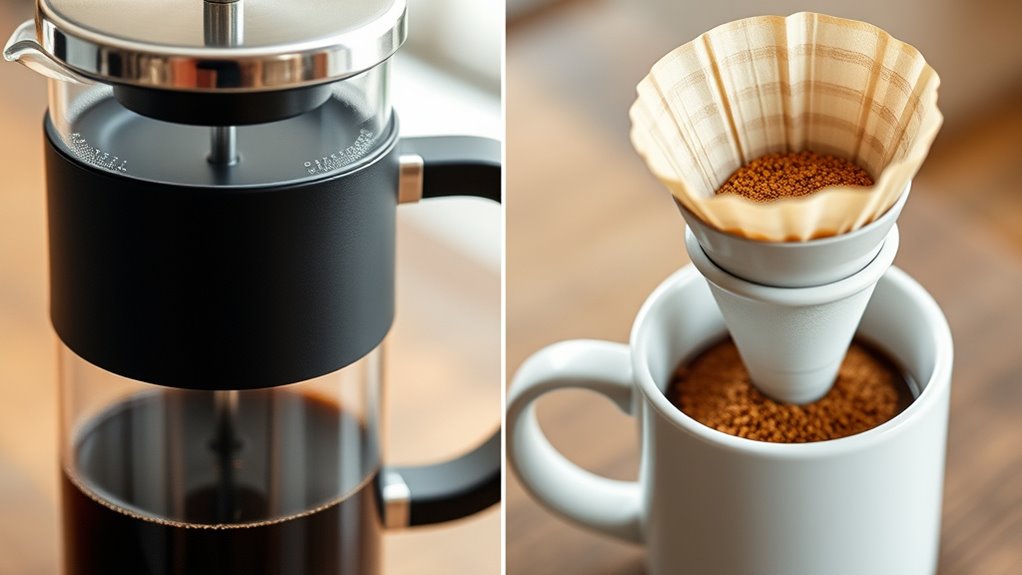
Your choice of equipment and filters directly impacts your coffee’s clarity, body, and ease of use. Different devices favor specific filter materials and designs that influence extraction and maintenance. Understanding these factors helps you pick the right setup for your preferred brewing style and routine. Additionally, selecting secure and reliable technology can prevent disruptions and security vulnerabilities during your brewing process.
Filter Material Effects
Have you ever wondered how filter material impacts the flavor and clarity of your coffee? The filter material influences extraction and mouthfeel markedly. Paper filters trap oils and fines, resulting in a clean, bright cup with less body. Metal filters allow more oils and fine particles, producing a richer, fuller texture. Cloth filters strike a balance, offering some clarity while retaining oils. The choice affects flavor nuances and sediment presence. Proper filter selection can also help maximize IRA contributions by ensuring your brewing process is as efficient as possible. Selecting the right filter type can also influence your brewing efficiency and consistency, much like understanding subtopic 4: Grocery Savings Strategies can optimize your overall expenses. Additionally, understanding the Horsepower of Electric Dirt Bikes can inspire innovative approaches to energy use in your daily routines. Recognizing how filter material interacts with your coffee beans can further refine your brewing results, especially when considering the importance of spiritual insights from angel numbers in personal growth.
Device Design Considerations
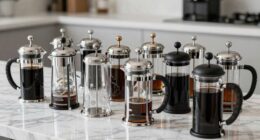
Device design plays a significant role in shaping the brewing process and final flavor profile, especially through the choice of equipment and filters. For immersion brewing, you’ll find devices like French presses, AeroPress, or Twist Press, which often use coarse metal or paper filters. These designs prioritize simplicity, with fewer moving parts and minimal flow control. Drip devices, such as pour-over cones or automatic brewers, incorporate basket geometries, filter types, and flow pathways that influence extraction. They rely on gravity and precise water delivery, requiring careful consideration of filter material and device shape to prevent channeling or uneven extraction. The design choices affect flow rate, contact time, and sediment control, ultimately impacting clarity, body, and flavor nuances in your brewed coffee. Additionally, filter material selection can significantly influence the removal of fine particles and oils, further shaping the final cup’s texture and clarity. Considering device ergonomics can also enhance consistency and ease of use during brewing sessions.
Ease of Maintenance
When comparing the ease of maintenance between brew methods, the choice of equipment and filters plays a crucial role. Immersion devices like French presses and AeroPress are straightforward—simply rinse or scrub after use, with minimal parts to clean. Filters, often metal or paper, are easy to replace or rinse, reducing cleanup time. Filters can also impact the overall maintenance effort, with reusable mesh filters requiring thorough rinsing after each use to prevent buildup, whereas paper filters are disposable and eliminate cleaning concerns. Filters made from durable materials can extend their lifespan and reduce waste, simplifying maintenance further. Additionally, choosing high-quality equipment can enhance durability and ease of cleaning, making the process more efficient. Drip machines and pour-over setups involve more components: baskets, carafes, and multiple filters, which require regular cleaning to prevent buildup and clogging. Paper filters simplify cleanup but generate waste, while reusable mesh filters need thorough rinsing. Overall, immersion methods tend to be more beginner-friendly and lower maintenance, whereas drip systems demand more attention to ensure consistent performance and prevent residue accumulation. Additionally, some Volkswagen tuning modifications, such as ECU remapping, require specialized tools and knowledge to maintain optimal performance.
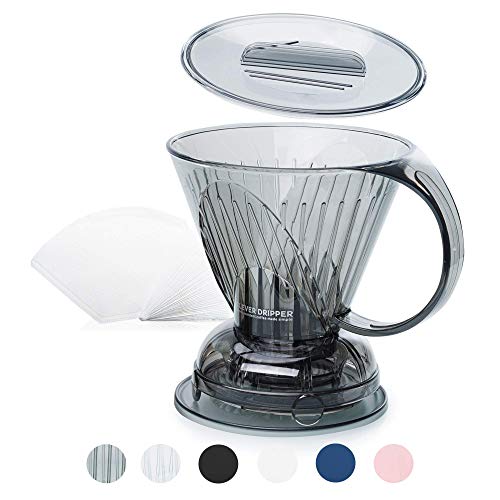
Clever Coffee Dripper and Filters, Large 18 oz (Cloud)| Barista's Choice| Safe BPA Free Plastic|Includes 100 Filters
🏆 | Combines the Best of Pour Over and French Press Coffee with its Patented Release Valve
As an affiliate, we earn on qualifying purchases.
As an affiliate, we earn on qualifying purchases.
Efficiency and Coffee Consumption Considerations

Efficiency in coffee brewing often hinges on how well each method utilizes coffee grounds to produce a desirable cup. Drip brewing tends to be more coffee-efficient because it extracts maximum flavor from fewer grounds through continuous water flow and sediment filtering. You’ll typically use less coffee for the same strength, making it more economical. Immersion brewing, however, often requires more coffee and coarser grounds since the full saturation and longer steep times demand a higher coffee-to-water ratio. While immersion methods are straightforward, they may result in more coffee waste if you’re not careful. Adjusting variables like steep time and grind size can improve efficiency, but overall, drip brewing offers a more optimized use of your coffee grounds, especially when aiming for consistency and minimal waste.
Unique Aspects of Cold Brew: Immersion vs. Slow Drip
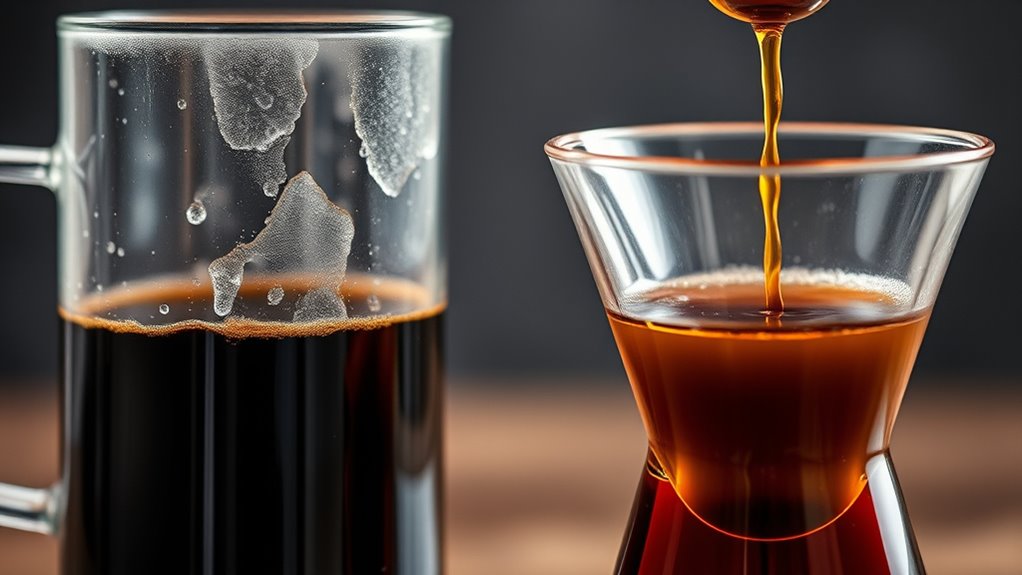
Cold brew coffee varies markedly depending on whether you choose immersion or slow drip methods, each producing distinct flavor profiles and body qualities. With immersion, you immerse grounds fully for hours, creating a concentrated, full-bodied brew with richer oils and a heavier mouthfeel. Slow drip, however, involves water gradually passing through the grounds, resulting in a lighter, brighter coffee with clearer acidity.
Cold brew methods—immersion for richness or slow drip for brightness—create distinct flavor profiles and textures.
- Immersion yields bold, dense flavor with intense richness.
- Slow drip emphasizes brightness and delicate nuances.
- Immersion often produces a more consistent, less labor-intensive process.
- Slow drip offers more control over extraction by adjusting drip rate and grind size.
- The contact time influences aroma, with immersion tending toward heavier, robust profiles and drip highlighting subtle complexity.
User Experience and Consistency in Brewing Styles
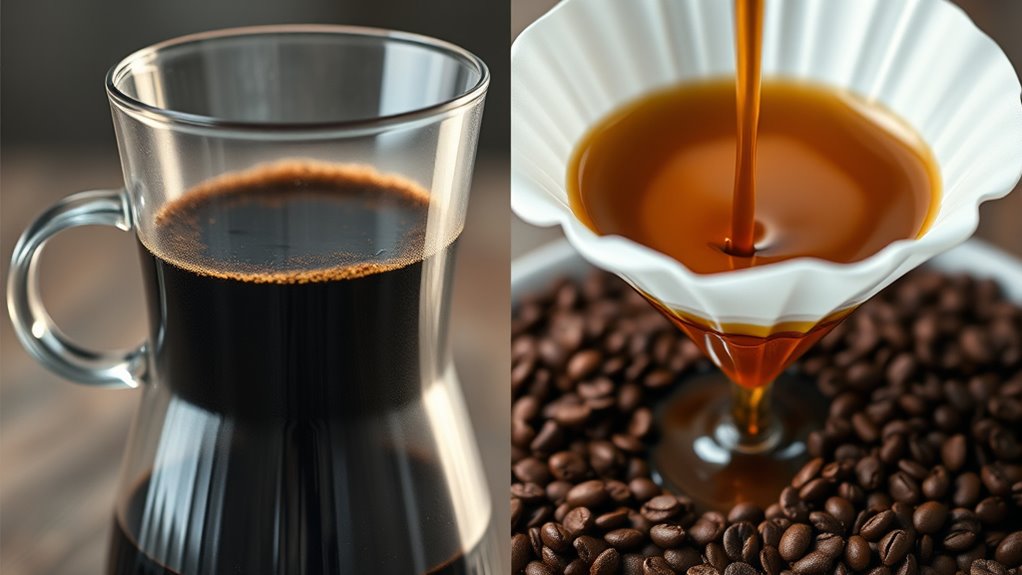
Choosing a brewing style considerably impacts your experience and the consistency of your coffee results. Immersion methods are straightforward and forgiving, making them ideal for beginners or those who prefer simplicity. With fewer variables—mainly steep time, water-to-coffee ratio, and temperature—you can achieve predictable, repeatable results. In contrast, drip brewing demands more technique, such as precise pouring, grind size adjustments, and flow control, which can improve your ability to fine-tune flavor but may introduce variability. Drip methods often produce a cleaner, more nuanced cup, especially with high-quality beans. Immersion brewing offers a heavier, bolder profile that’s more consistent across brews. Your choice influences not only your overall experience but also how easily you can replicate your ideal cup each time. Additionally, vetted equipment options like the first home theatre projector can enhance your overall brewing and entertainment setup, offering a more immersive experience. Moreover, understanding personal finance management principles can help you budget for quality brewing equipment and accessories, ensuring you get the best value for your investment. Incorporating knowledge of somatic therapy principles can also promote mindfulness and relaxation during your brewing routine, enriching the overall experience.
Selecting the Right Method for Your Coffee Preferences
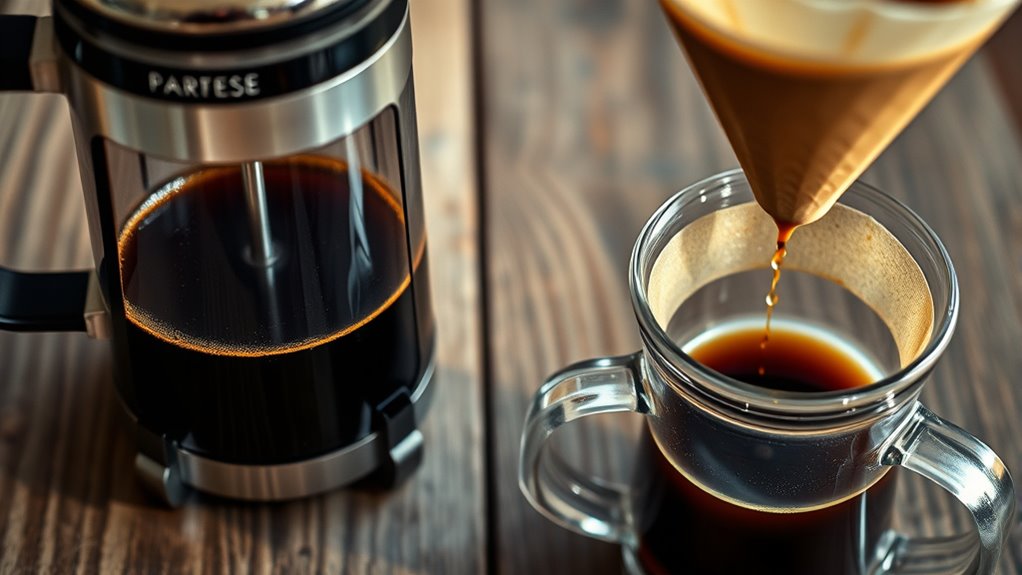
Your preferred coffee experience plays a big role in selecting the brewing method that suits you best. If you enjoy bold, full-bodied coffee with rich texture, immersion brewing like French press or AeroPress might be ideal. You’ll appreciate the heavier mouthfeel and deeper extraction. On the other hand, if you prefer a clean, bright cup that highlights delicate flavors and clarity, drip brewing offers a lighter, more nuanced profile. Consider these factors:
- Desire for bold or subtle flavors
- Preference for ease and consistency
- Interest in controlling brewing variables
- Focus on clarity and complexity
- Willingness to experiment with techniques
Matching your taste and lifestyle with these aspects helps you choose the right method, ensuring a satisfying coffee experience every time.
Frequently Asked Questions
How Does Grind Size Affect Extraction in Immersion Versus Drip Brewing?
In immersion brewing, using a coarser grind slows extraction, resulting in a heavier, fuller-bodied cup, while a finer grind can lead to over-extraction and bitterness. In drip brewing, a medium grind optimizes flow rate and extraction, balancing clarity and flavor complexity. Too fine a grind causes clogging and over-extraction, producing bitter notes, whereas too coarse slows extraction, making the brew weak and underdeveloped.
Can Hybrid Brewing Methods Combine the Advantages of Both Techniques Effectively?
Yes, hybrid brewing methods can effectively combine both techniques’ advantages. You get the bold, full-bodied flavor of immersion with the clarity and complexity of drip. By adjusting variables like steep time, water flow, or filter type, you control extraction and flavor nuances. This flexibility allows you to customize your brew, balancing richness and brightness, and often results in a more versatile and satisfying coffee experience.
What Are the Best Practices for Maintaining Consistency Across Different Brew Sessions?
You can maintain consistency by standardizing your variables: use the same coffee-to-water ratio, grind size, and water temperature each time. Invest in a scale and timer for precise measurements and timing. Keep your equipment clean to avoid flavor carryover. Record your process details, so you can replicate successful brews. Consistent routines and small adjustments help you achieve reliably great coffee with every session.
How Does Temperature Variation Influence Flavor in Immersion and Drip Methods?
Temperature variation affects both immersion and drip brewing by altering extraction rates. If your water’s too hot, you’ll extract overly bitter, harsh flavors, especially in immersion methods where contact time is long. Cooler temps may under-extract, resulting in weak, flat taste. In drip brewing, inconsistent temperatures can cause uneven extraction, impacting clarity and flavor complexity. To optimize flavor, keep your water temperature steady, ideally around 195-205°F, regardless of your brewing method.
Are There Specific Beans That Perform Better With Immersion or Drip Brewing Styles?
If you’re brewing with a light, delicate Ethiopian Yirgacheffe, drip methods might bring out its bright acidity and nuanced flavors better. Conversely, a bold, full-bodied Sumatran bean benefits from immersion, which extracts richer oils and deeper complexity. For example, a coffee shop found that immersion highlights Sumatran’s earthy tones, while drip accentuates Ethiopian’s floral notes, helping you choose the best method based on your beans’ profile.
Conclusion
Now that you understand the differences between immersion and drip methods, the choice is yours. Will you embrace the rich, full-bodied experience of a cold brew, or enjoy the clarity and precision of a drip? Each method offers its own unique flavor journey, but only one will keep you hooked from first sip to the last. The decision awaits — are you ready to discover your perfect brew?