

To find truly ethical coffee brands, look for reliable certification labels like Fair Trade, Rainforest Alliance, or USDA Organic on packaging. Verify the brand’s transparency and their supply chain practices, ensuring traceability from farm to cup. Be cautious of vague claims and greenwashing—ask for proof of third-party verification. Supporting small farmers and cooperatives makes a big difference. Stay curious—exploring these steps can help you enjoy coffee that aligns with your values.
Key Takeaways
- Look for third-party certified labels like Fair Trade, Organic, Rainforest Alliance, or Bird-Friendly on packaging.
- Research brands’ transparency about sourcing practices and certification verification processes.
- Prioritize shade-grown and eco-friendly farming methods that support biodiversity and habitat preservation.
- Verify claims by requesting detailed supply chain stories and proof of certification to avoid greenwashing.
- Support brands that promote fair wages, workers’ rights, and direct relationships with smallholder farmers.
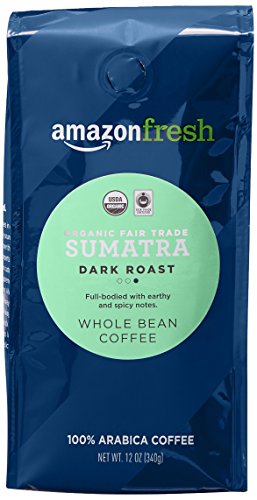
Amazon Fresh Organic Fair Trade Sumatra Whole Bean Coffee, Dark Roast, 12 Ounce
Dark roast with deep, intense flavor
As an affiliate, we earn on qualifying purchases.
As an affiliate, we earn on qualifying purchases.
Understanding Coffee Certification Labels and What They Mean

Have you ever looked at a coffee package and wondered what those certification labels really mean? Certification labels serve as signals of ethical and sustainable practices, but not all are equal. Fair Trade Certified guarantees fair prices, social standards, and bans child labor, supporting small farmers. Rainforest Alliance Certified emphasizes environmental sustainability, biodiversity, and responsible resource use. Organic Certified confirms coffee is grown without synthetic pesticides or fertilizers, promoting soil health. Bird-Friendly Certified combines shade-grown practices with organic standards to preserve bird habitats. Each label involves third-party verification, but their focus areas differ—some prioritize social fairness, others environmental health. Recognizing these labels helps you make informed choices, supporting farmers and ecosystems. Understanding what each certification stands for ensures you pick coffees aligning with your values and contribute to positive change. Additionally, many of these certifications, like Rainforest Alliance and Bird-Friendly, incorporate shade-grown practices, which are beneficial for both the environment and the quality of the coffee. Moreover, understanding the certification standards can help you better evaluate the true impact of your coffee choices. A thorough verification process is essential to ensure that the claims made by coffee brands are accurate and trustworthy, further empowering consumers to make ethical decisions.

San Francisco Bay 100% Organic Coffee Rainforest Blend Whole Bean 3 Lbs
PREMIUM ORGANIC COFFEE: 100% certified organic whole bean coffee sourced from sustainable rainforest farms
As an affiliate, we earn on qualifying purchases.
As an affiliate, we earn on qualifying purchases.
How to Spot Genuine Fair Trade and Organic Coffee

Wondering how to tell if your coffee is truly Fair Trade or Organic? First, check the packaging for certified labels like Fair Trade or USDA Organic. These logos guarantee third-party verification and adherence to strict standards. Avoid relying solely on claims like “sustainably sourced” or “natural,” which lack regulation. Also, research the brand’s transparency about their certification process and sourcing practices. To deepen your understanding, review this table:
| Certification | Focus Area | Key Indicator |
|---|---|---|
| Fair Trade | Fair wages, social justice | Certified logo, fair trade terms |
| Organic | No synthetic pesticides or fertilizers | USDA Organic label |
| Rainforest Alliance | Biodiversity, sustainability | Green frog logo |
| Bird-Friendly | Habitat preservation, shade-grown | Smithsonian Bird-Friendly logo |
| UTZ | Sustainable farming practices | UTZ certification |
This helps ensure genuine, ethically sourced coffee. Understanding certification standards can further help you make informed choices. Additionally, researching the verification process used by certifying organizations can provide greater confidence in your coffee’s ethical credentials. Recognizing the certification labels on packaging is essential for verifying authenticity and ensuring adherence to ethical standards. Being aware of the certification process can help you better assess the credibility of the labels displayed on your coffee. Incorporating ethical sourcing practices into your purchasing decisions supports sustainable agriculture and fair labor.

Tomorrow's Coffee Organic, Fair Trade, Shade Grown Whole Bean bird friendly coffee | Dark French Roast with chocolate flavor | Sustains Amazon Rainforest | 1 lb. omnidegradable bags (Ground)
As an affiliate, we earn on qualifying purchases.
As an affiliate, we earn on qualifying purchases.
The Significance of Shade-Grown and Bird-Friendly Certifications

Shade-grown and Bird-Friendly certifications play a crucial role in promoting environmental sustainability and biodiversity conservation. By choosing coffee with these labels, you support farming practices that grow coffee under native tree canopies, creating habitats for birds, insects, and other wildlife. These certifications guarantee that coffee farms maintain complex vegetation layers, which help preserve ecosystem health and natural balance. When you buy shade-grown or Bird-Friendly coffee, you’re not only enjoying quality beans but also contributing to the protection of migratory bird routes and overall biodiversity. These certifications highlight farms committed to maintaining natural habitats, making your coffee choices more environmentally impactful. Additionally, maintaining proper shade management is essential for optimizing the ecological benefits associated with these certifications, as it influences biodiversity preservation and the health of the entire ecosystem. A focus on sustainable farming practices further enhances the positive environmental outcomes linked to shade-grown coffee. Proper shade management also encourages natural pest control, reducing the need for chemical interventions and supporting healthier ecosystems.

Atlas Coffee Club World of Coffee Discovery Set – Gourmet Coffee Gift Sampler – 8-Pack Variety Box of the World’s Best Single Origin Coffees – Whole Bean
ATLAS COFFEE CLUB’S COFFEE WORLD TOUR: Consider us your Coffee Tour Guides! Our World of Coffee sampler box…
As an affiliate, we earn on qualifying purchases.
As an affiliate, we earn on qualifying purchases.
Environmental Benefits of Sustainable Coffee Farming Practices
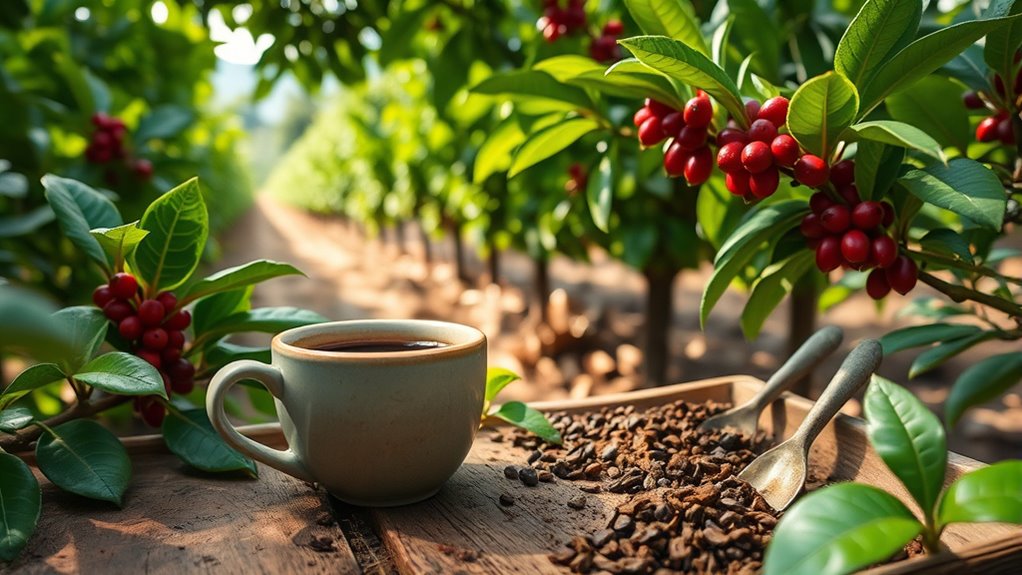
You can support environmental health by choosing coffee that promotes biodiversity conservation through shade-grown practices. Sustainable farming methods also help save water and energy, reducing the overall carbon footprint. These practices protect ecosystems while ensuring your coffee is ethically sourced and environmentally friendly. Additionally, adopting sound healing science principles in farming communities can promote holistic well-being and sustainable land management. Implementing eco-friendly irrigation techniques further minimizes water usage and prevents soil erosion. Incorporating trailer music techniques can also raise awareness about environmental issues through compelling storytelling in campaigns. Recognizing the importance of dream symbols and their meanings can deepen our understanding of interconnectedness with nature and our environment. Integrating yoga practices into community programs can foster mindfulness of environmental sustainability and promote a balanced relationship with nature.
Biodiversity Conservation Efforts
Biodiversity conservation is a central benefit of sustainable coffee farming practices, which actively protect and enhance natural ecosystems. By choosing certified coffee, you support efforts like:
- Maintaining native tree canopies that provide habitat for birds, insects, and wildlife.
- Using shade-grown methods that preserve forest cover and prevent habitat fragmentation.
- Promoting agroforestry systems that diversify plant life, boosting ecosystem resilience.
- Creating wildlife corridors that connect fragmented habitats, aiding species migration and survival.
These practices help sustain biodiversity by reducing deforestation, minimizing chemical use, and encouraging native plant growth. When you select ethically certified coffee, you’re directly contributing to preserving ecosystems and supporting a thriving environment for countless species.
Water and Energy Savings
Have you ever wondered how sustainable coffee farming can conserve essential water and energy resources? When you choose brands with eco-friendly certifications like Rainforest Alliance, you support practices that reduce water usage through efficient irrigation and minimal chemical runoff. These farms often implement water-saving techniques such as drip irrigation and recycling water for multiple uses. Energy savings come from adopting renewable energy sources like solar or wind power, and from optimizing farm machinery to lower fuel consumption. Shade-grown coffee farms naturally require less energy-intensive interventions, maintaining ecosystems that regulate microclimates. Additionally, supporting sustainable farming practices can help promote biodiversity and improve soil health, which further enhances resource conservation. Incorporating integrated resource management strategies can significantly decrease the overall environmental impact of coffee production. Moreover, certifications and transparency ensure that these environmentally friendly practices are maintained and verified. By prioritizing these sustainable practices, you help reduce the carbon footprint associated with coffee production, conserve vital water supplies, and promote farming methods that are healthier for the planet and future generations. Furthermore, fostering trust and transparency within coffee supply chains can ensure that these environmentally friendly practices are maintained and verified.

Supporting fair wages and worker rights is an essential aspect of ethical coffee production because it directly impacts the livelihoods of farmers and laborers. When you choose brands that prioritize social impact, you help make certain fair compensation and safe working conditions. Here are four key ways they do this:
- They guarantee minimum prices, protecting farmers from market fluctuations.
- They enforce standards against child labor and forced labor.
- They promote safe, healthy working environments, which is vital for sustainable production.
- They support workers’ rights to organize and bargain collectively. Additionally, many ethical brands incorporate fair trade practices into their branding to appeal to consumers who value style and sophistication.
The Role of Third-Party Verification in Ensuring Authenticity
Third-party verification plays a crucial role in ensuring that coffee labeled as ethical truly meets established standards. When you see a certification logo like Fair Trade or Rainforest Alliance, you’re relying on independent organizations to confirm that the coffee complies with strict social, environmental, and economic criteria. These organizations conduct audits and site visits to verify practices such as fair wages, sustainable farming, and habitat preservation. This process helps prevent false claims and greenwashing, giving you confidence that the coffee’s ethical credentials are legitimate. Certification bodies also provide transparency by sharing audit results and standards, so you can make informed choices. Ultimately, third-party verification acts as a safeguard, ensuring that your purchase supports genuine sustainability and fair treatment for farmers and ecosystems alike.
Recognizing Greenwashing and Avoiding Misleading Claims

Greenwashing is a common tactic used by some coffee brands to give the illusion of sustainability without making meaningful changes. To spot it, stay alert for misleading claims. Here are four key tips:
- Verify certifications: Look for recognized labels like Fair Trade, Organic, or Rainforest Alliance, and check if the brand provides proof of verification.
- Question vague terms: Words like “sustainable,” “natural,” or “green” can be empty without clear definitions or certification backing.
- Check for transparency: Brands that openly share sourcing details and certification info are more trustworthy than those making broad, unsubstantiated claims.
- Avoid buzzwords: Overuse of terms like “eco-friendly” or “ethically sourced” without specifics often signals greenwashing. Always seek concrete evidence.
How to Trace the Journey of Your Coffee From Farm to Cup

Tracing the journey of your coffee from farm to cup involves more than just reading labels; it requires active effort to uncover the story behind each sip. Start by researching brands known for transparency and certification. Check if they provide detailed sourcing information, such as farm locations, cooperatives, or direct relationships with farmers. Visit their websites or contact customer service to ask about their supply chain practices. Look for traceability tools or stories that show how coffee travels from harvest to roasting. Pay attention to certifications that emphasize transparency, like Direct Trade or verified third-party audits. By staying informed and asking questions, you guarantee your coffee’s journey aligns with your ethical values, supporting farmers and sustainable practices at every step.
Choosing Brands Committed to Transparency and Ethical Sourcing

To choose brands committed to transparency and ethical sourcing, you need to verify certification details and understand what they entail. Demand clear information about supply chains and how the coffee is sourced, so you can trust its origin. Recognize genuine ethical labels and avoid greenwashing by being familiar with their standards and meanings.
Verify Certification Details
Verifying certification details is essential when choosing ethical coffee brands, as it guarantees you’re supporting truly sustainable and fair practices. To do this, check that the certification logos on packaging are legitimate and up-to-date. Here’s what to look for:
- Confirm the certification body’s credentials and website links.
- Ensure the brand provides clear details about their certification process and audits.
- Look for traceability information that shows where and how the coffee was sourced.
- Be cautious of vague claims like “sustainably sourced” without proof or third-party verification.
Demand Transparent Supply Chains
Choosing ethical coffee brands goes beyond checking certifications; it also means demanding transparency in their supply chains. You should look for brands that openly share details about where and how their coffee is sourced. Ask if they can trace their coffee back to specific farms or cooperatives, ensuring the farmers are paid fairly and work under safe conditions. Transparency builds trust and confirms that the company’s claims are genuine. Brands committed to openness often provide information about their sourcing relationships, auditing processes, and social or environmental impact. Avoid companies that are vague or reluctant to disclose supply chain details. By choosing brands that prioritize transparency, you support ethical practices, help prevent exploitation, and make more informed choices that align with your values.
Recognize Genuine Ethical Labels
Identifying genuine ethical labels starts with understanding that not all certifications are created equal. You need to look beyond the logo and verify the credibility behind each label. Here’s how to do it:
- Check if the brand provides clear information about the certification body and audit process.
- Look for reputable logos like Fair Trade, Organic, Rainforest Alliance, or Bird-Friendly, ensuring they’re officially licensed.
- Be cautious of vague claims like “Sustainably Sourced”—these require extra scrutiny since standards vary.
- Confirm that the certification addresses both environmental and social impacts, such as fair wages and habitat preservation.
Tips for Supporting Small-Scale and Cooperative Coffee Farmers

Supporting small-scale and cooperative coffee farmers starts with doing your homework on the brands you buy from. Look for certifications like Fair Trade, Rainforest Alliance, or Bird-Friendly, which prioritize these farmers’ welfare. Research brands’ sourcing practices to verify they work directly with cooperatives or small farms, promoting fair prices and transparent relationships. Choose companies that disclose their supply chains and support community development projects. Supporting cooperatives often means your purchase helps farmers access better resources, education, and healthcare. Avoid brands that rely heavily on intermediaries or lack transparency. By making informed choices, you empower small farmers, promote sustainable practices, and help build resilient, equitable coffee communities. Your purchasing decisions can create a meaningful difference in farmers’ lives.
Frequently Asked Questions
How Do Certification Standards Vary Between Different Ethical Coffee Labels?
You’ll notice certification standards differ based on focus areas. Fair Trade emphasizes fair prices and social rights, while Rainforest Alliance prioritizes environmental sustainability and biodiversity. Organic labels focus on pesticide-free farming, and Bird-Friendly standards combine shade-grown practices with habitat preservation. Some certifications, like Fair Trade, guarantee fair wages, but others may focus more on environmental practices. Always check the specific standards and verify third-party audits to understand each label’s unique commitments.
Can Certified Organic Coffee Still Use Natural Pesticides?
Yes, certified organic coffee can still use natural pesticides. You might think organic means pesticide-free, but that’s not always the case. Organic standards allow certain natural pesticides to protect crops from pests and diseases. This can surprise many consumers who assume organic equals completely chemical-free. So, if avoiding all pesticides is your goal, look for additional certifications like Bird-Friendly or Rainforest Alliance, and always check the details on the label.
What Are Common Signs of Greenwashing in Coffee Branding?
You can spot greenwashing in coffee branding when brands use vague terms like “sustainable” or “eco-friendly” without certification logos. Watch out for exaggerated claims that lack transparency or detail about their sourcing practices. If they avoid third-party verification or don’t provide clear information about their supply chain, they’re likely trying to conceal less ethical practices. Always check for recognized certification labels to ensure genuine commitment to sustainability.
How Do Premiums Paid to Farmers Benefit Local Communities?
Premiums paid to farmers directly benefit local communities by funding better infrastructure, healthcare, and education. You support fair wages and sustainable farming practices, which boost local economies and improve living standards. These premiums often help farmers invest in environmentally friendly methods, preserve biodiversity, and strengthen community resilience. When you choose ethical coffee with premiums, you’re contributing to social and economic growth in coffee-growing regions, creating lasting positive change.
Are “sustainably Sourced” Claims Regulated or Just Marketing?
A “sustainably sourced” claim is often a flag fluttering in the breeze, but it’s usually just marketing unless backed by regulation. Without strict standards or certification, it’s like a lighthouse without a beam—easy to mislead. You should look for transparent brands that disclose sourcing practices and third-party audits. Trustworthy labels like Fair Trade or Rainforest Alliance provide that assurance, guiding you through the fog of greenwashing.
Conclusion
Just like the heroes of old who sought truth and justice, you hold the power to make ethical choices. By understanding labels, avoiding greenwashing, and supporting transparent brands, you become a champion for fair trade and sustainable farming. Every cup you sip can be a step toward positive change—transforming your coffee ritual into a modern-day quest for conscience. Choose wisely, and let your passion for justice brew a better world, one sip at a time.