
To guarantee your coffee machine is eco-friendly, choose models with Energy Star ratings and features like auto-shutdown. Turn off your machine when not in use, use timers, and avoid running it unnecessarily. Insulate your equipment and keep it well-maintained to reduce heat loss and energy waste. These simple tips help save money and protect the environment. Stick with us to discover how smart upgrades and design tweaks can make your coffee habits even greener.
Key Takeaways
- Choose Energy Star-rated coffee machines with smart features like auto-shutdown and heat recovery to reduce energy consumption.
- Turn off or unplug your coffee machine after use to prevent standby power drain and save energy.
- Regularly maintain and descale your machine to ensure efficient operation and energy efficiency.
- Use timers or programmable switches to automate powering off during idle periods or outside brewing times.
- Insulate boilers and hot water tanks to minimize heat loss and optimize energy use during standby.
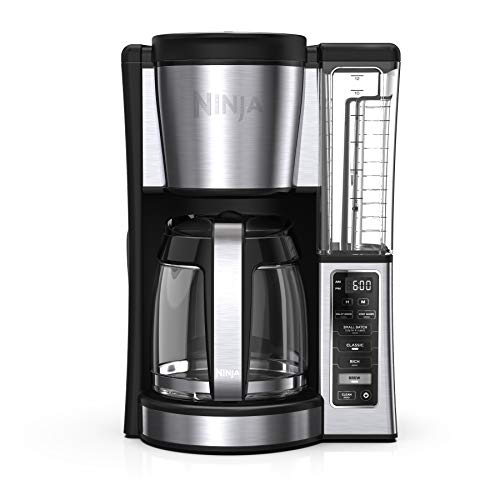
Ninja 12-Cup Programmable Coffee Brewer, 2 Brew Styles, Adjustable Warm Plate, 60oz Water Reservoir, Delay Brew – Black/Stainless Steel
2 BREW STYLES: Classic or Rich, each brew is flavorful and never bitter with custom brew strengths.
As an affiliate, we earn on qualifying purchases.
As an affiliate, we earn on qualifying purchases.
Understanding Your Coffee Maker’s Power Consumption
Understanding your coffee maker’s power consumption is essential for reducing energy use and lowering your environmental impact. Most drip coffee makers use between 550 and 1200 watts, while single-serve pod machines like Keurig or Nespresso consume roughly 900 to 1500 watts. Automatic espresso machines can draw up to 1500 watts, and commercial models with grinders may use 1200 to 1800 watts. Knowing how much energy your machine uses helps you identify opportunities to cut back. For example, running a 1500W machine for 10 minutes costs about $0.0384 daily. By monitoring your usage patterns and energy efficiency tips, you can avoid leaving machines on unnecessarily or wasting energy during standby periods. Proper installation and maintenance of your coffee maker can also improve its efficiency and lifespan. Being aware of your coffee maker’s power draw is the first step toward making more eco-friendly choices. Additionally, understanding energy consumption patterns can help you develop better habits and further reduce your carbon footprint. Incorporating energy-saving practices such as using timers or switching to more efficient models can significantly contribute to sustainability.

BLACK+DECKER 12-Cup Digital Coffee Maker, Programmable, Washable Basket Filter, Sneak-A-Cup, Auto Brew, Water Window, Keep Hot Plate, Black
12-CUP DURALIFE GLASS CARAFE: The sturdy 12-cup* carafe has measurement markings for accurate filling and an easy-grip handle…
As an affiliate, we earn on qualifying purchases.
As an affiliate, we earn on qualifying purchases.
Choosing Energy-Efficient Coffee Machines
Choosing energy-efficient coffee machines can substantially reduce your home’s or business’s electricity bills and environmental impact. Look for models with Energy Star ratings, which meet strict efficiency standards. Modern machines with advanced features like PID-controlled boilers or heat recovery systems use less energy by maintaining ideal temperatures and recovering heat. Smaller boilers and insulated components help cut unnecessary power use, especially during standby. Consider single-serve or drip coffee makers designed for low wattage and short brewing cycles. Auto-power down functions and programmable timers ensure your machine isn’t wasting energy when not in use. Regular maintenance also keeps your machine running efficiently, extending its lifespan and reducing energy waste. Additionally, selecting models with smart controls can help monitor and optimize their performance for better energy management. Incorporating energy-saving features into your selection process can further enhance efficiency while enjoying your favorite brew. Being aware of energy consumption patterns can help you make smarter choices and reduce your overall carbon footprint. Implementing energy-efficient technologies can sometimes require an initial investment but offers long-term savings and environmental benefits. By selecting smarter, eco-friendly options, you enjoy great coffee while protecting the environment.
BLACK+DECKER 12-Cup Digital Coffee Maker, Programmable, Washable Basket Filter, Sneak-A-Cup, Auto Brew, Water Window, Keep Hot Plate, Black
12-CUP DURALIFE GLASS CARAFE: The sturdy 12-cup* carafe has measurement markings for accurate filling and an easy-grip handle…
As an affiliate, we earn on qualifying purchases.
As an affiliate, we earn on qualifying purchases.
The Impact of Idle Energy Waste in Coffee Shops
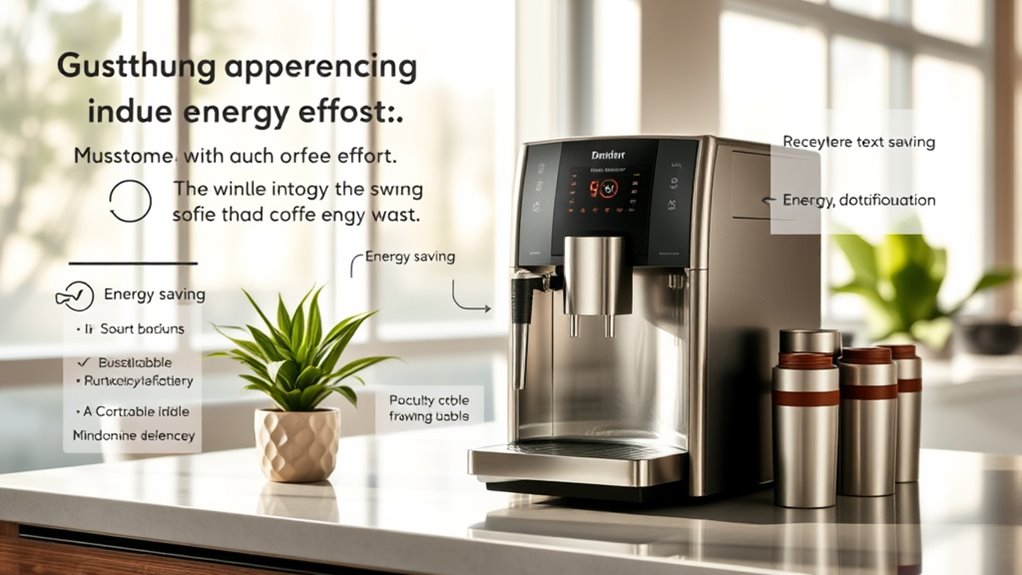
You might not realize how much heat escapes from your coffee machines when they’re idle, wasting energy and increasing costs. Standby power consumption keeps machines running in the background, even when you’re not brewing. Addressing these waste opportunities can substantially lower your shop’s energy use and environmental impact. Utilizing energy-efficient settings or timers can help reduce unnecessary power drain during off-hours. Implementing space-saving designs can also minimize the footprint of your equipment and improve overall efficiency. Additionally, choosing models with higher contrast ratios can enhance performance while maintaining energy savings.
Heat Loss During Idle
In coffee shops, a considerable amount of energy is wasted during idle periods when machines remain on but aren’t actively brewing. Heat loss from uninsulated boilers and hot components causes ongoing energy drain, even when the machine isn’t in use. Large boilers lose heat through conduction and convection, requiring continuous energy input to maintain temperature. This heat loss accounts for a substantial portion of energy waste, especially in busy cafes with multiple machines running throughout the day. Insufficient insulation and lack of temperature regulation exacerbate this problem. As a coffee shop owner or barista, keeping machines powered without needlessly losing heat wastes resources and increases costs. Using better insulation, smart temperature controls, and turning machines off during extended breaks can help reduce this idle heat loss considerably. Additionally, implementing wall organization systems to keep equipment properly stored and insulated can further minimize heat dissipation. Recognizing that some machines are prone to heat loss through conduction can guide more targeted insulation strategies. Employing thermal coverings during off-hours can provide an extra layer of insulation, further cutting down on heat loss when machines are idle. Moreover, integrating energy-efficient timers can optimize operational hours and prevent unnecessary energy consumption during downtimes.
Standby Power Consumption
Standby power consumption considerably contributes to energy waste in coffee shops, as machines often remain powered on even when not actively brewing. This idle energy use can add up quickly, wasting significant electricity and increasing costs. To reduce this waste:
- Turn off machines when they’re not in use, especially overnight or during slow hours.
- Use auto-power down features on newer models to automatically shut off after a period of inactivity.
- Insulate boilers and heating elements to lower standby heat loss, reducing energy needed to maintain temperature.
- Incorporate load‑planning tools to optimize equipment usage and minimize unnecessary standby energy.
- Regularly check for energy-efficient settings and updates provided by manufacturers to ensure optimal power management.
- Educate staff about energy conservation practices to promote mindful operation and further reduce unnecessary energy use.
- Adopting smart energy management systems can further help monitor and control standby power consumption more effectively.
- Conducting energy audits periodically can identify additional areas where standby power is being wasted and inform targeted improvements.
Energy Waste Opportunities
Idle energy waste in coffee shops considerably impacts overall efficiency, as machines often stay powered on even when not actively brewing. This unnecessary power draw, especially from espresso machines with large boilers, can consume up to 26 kWh daily. Much of this energy is used to maintain high temperatures and keep equipment ready, even when idle. Standby modes and uninsulated boilers exacerbate the problem, wasting significant energy over time. Implementing energy-efficient practices such as turning off machines when not in use, installing auto-power down features, and improving insulation can significantly reduce this waste. Additionally, regular maintenance and equipment upgrades can enhance energy conservation efforts. By reducing idle energy waste, you can lower operational costs and lessen environmental impact, making your coffee shop more eco-friendly and efficient.

Elite Gourmet 100-Cup Commercial Coffee Urn & Hot Water Boiler – Dual-Wall Insulated, Tested to Keep Coffee Hot for 24 Hours, Dripless Faucet, Stainless Steel for Offices, Churches & Catering
BUILT FOR LARGE GROUPS & LONG EVENTS: Designed for offices, churches, catering, and gatherings where large volumes of…
As an affiliate, we earn on qualifying purchases.
As an affiliate, we earn on qualifying purchases.
How Insulation and Design Features Reduce Energy Use
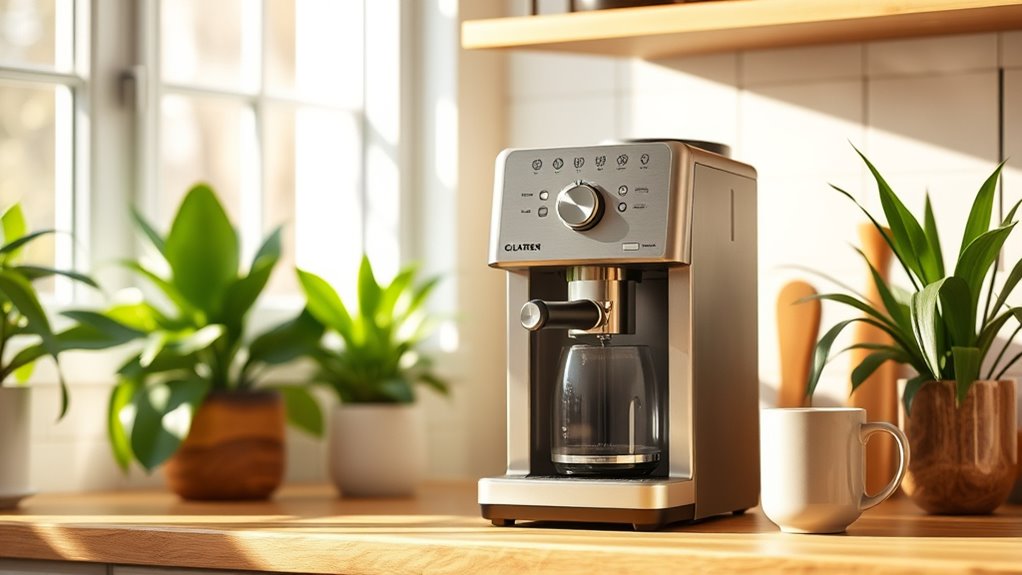
You can substantially cut energy use by focusing on boiler insulation, which helps retain heat and reduces the workload on your machine. Modern boiler controls optimize temperature settings, ensuring energy isn’t wasted maintaining unnecessary heat. Additionally, heat recovery systems capture and reuse waste heat, further lowering overall energy consumption.
Boiler Insulation Benefits
Insulation in coffee machine boilers plays a crucial role in reducing energy consumption by minimizing heat loss during operation and standby periods. When your boiler is well-insulated, it keeps heat contained, so your machine doesn’t need to work as hard to maintain temperature. This means less energy is wasted, saving you money and reducing environmental impact. Insulation benefits include:
- Lower energy bills by decreasing boiler reheating needs
- Reduced heat loss during idle times, conserving power
- Enhanced overall efficiency, leading to quicker recovery times
Modern Boiler Controls
Modern boiler controls markedly reduce energy use by optimizing how your coffee machine manages heat. They ensure the boiler maintains the right temperature without overheating or excessive energy consumption. PID (Proportional-Integral-Derivative) controllers monitor temperature precisely, adjusting power supply as needed, which prevents unnecessary heat loss. Additionally, modern boilers are designed with smaller, more efficient components that require less energy to operate. These controls also enable better insulation and thermal management, reducing standby heat loss. Some machines include eco modes that lower power during idle times. By fine-tuning heat regulation and minimizing waste, these advanced controls help you save energy, cut costs, and lessen your environmental impact—making your coffee routine more sustainable without sacrificing performance.
Heat Recovery Systems
Heat recovery systems play a crucial role in reducing energy use by capturing and reusing waste heat generated during coffee brewing. These systems improve efficiency by recycling heat that would otherwise escape.
To maximize savings, you should consider:
- Installing insulation around boilers and hot water tanks to prevent heat loss.
- Using design features like heat exchangers to transfer residual heat back into the brewing process.
- Choosing machines with integrated heat recovery systems that automatically recycle waste heat.
Practical Tips for Saving Energy at Home
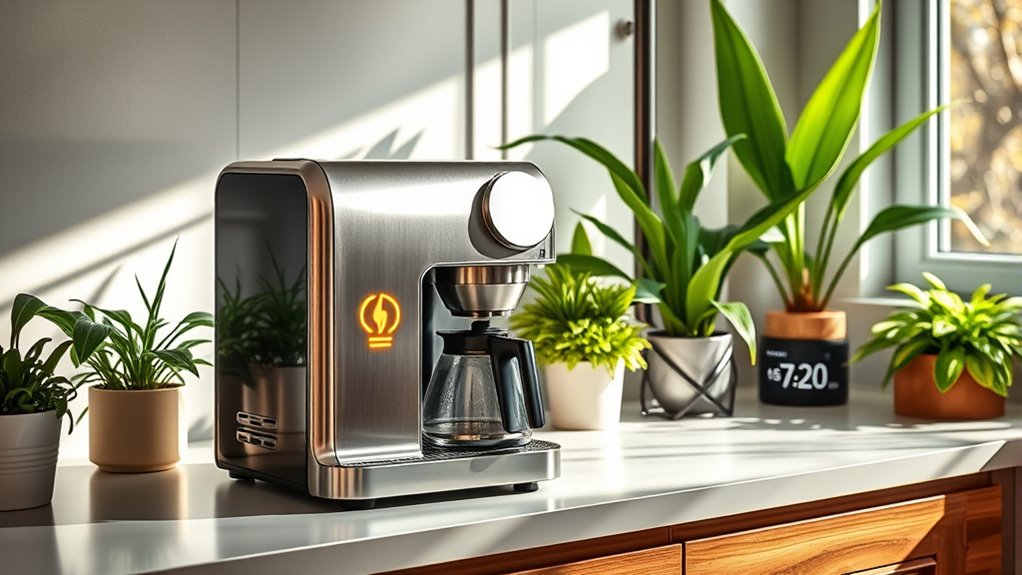
To save energy when using your coffee machine at home, start by turning it off when you’re finished brewing rather than leaving it on standby. Standby mode consumes power unnecessarily, adding up over time. Use a timer or switch to automate turning off the machine after use. Only brew the amount of coffee you need—avoiding extra cycles saves energy. Regularly descale and maintain your machine to keep it running efficiently, reducing energy waste caused by overheating or clogging. If your machine has an auto-shutdown feature, activate it to cut power after a set period. Also, consider brewing with a smaller, energy-efficient model if possible. These simple steps can considerably reduce your household energy consumption while still enjoying your daily coffee.
Benefits of Turning Off Your Machine When Not in Use

Turning off your coffee machine when you’re not using it is one of the simplest yet most effective ways to save energy. When you power down, you prevent unnecessary energy waste caused by standby mode and heat maintenance. Here’s how it helps:
Turning off your coffee machine prevents energy waste and extends its lifespan.
- Reduces energy consumption – Machines in standby can still draw 0.15 to 0.30 kWh per hour, adding up over time.
- Extends appliance lifespan – Less continuous use means fewer wear-and-tear issues, saving you money on repairs or replacements.
- Lowers costs – Cutting standby power can save you roughly $20 annually, depending on your usage.
Optimizing Water Use to Decrease Energy Needs

By carefully managing how much water you use during each brew, you can substantially reduce the energy your coffee machine consumes. Using only the necessary amount prevents your machine from heating excess water, which wastes energy. For drip coffee makers, avoid filling the reservoir completely if you’re brewing a small amount; instead, measure the water needed for your cup or pot. When using single-serve machines, opt for smaller brew sizes to match your needs rather than large cups filled to the brim. Regularly descaling your machine ensures efficient heating and water flow, reducing energy waste caused by blockages or mineral buildup. Additionally, only run your machine when you need coffee, and avoid multiple brewing cycles with excess water. Proper water management minimizes energy use while maintaining great-tasting coffee.
The Importance of Regular Maintenance and Auto-Power Down
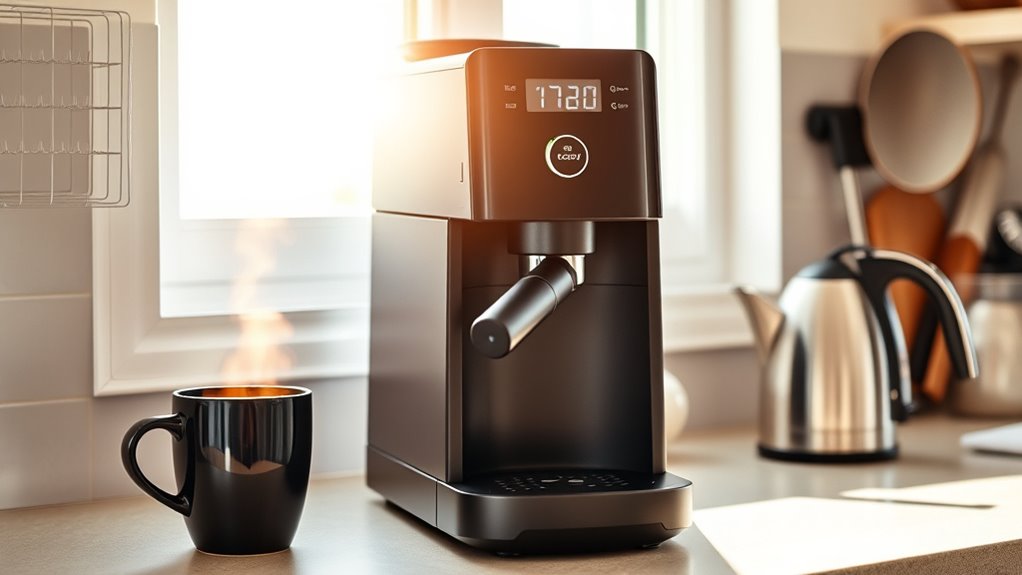
Regular maintenance is essential for keeping your coffee machine running efficiently and preventing energy waste. When you clean and descale your machine regularly, you ensure it heats more quickly and uses less power. Additionally, routine checks help identify issues that could cause overheating or unnecessary energy use. To maximize your machine’s efficiency, consider these steps:
Regular maintenance boosts efficiency and reduces energy waste in your coffee machine.
- Clear out mineral buildup by descaling monthly.
- Clean filters and brew heads to ensure optimal performance.
- Use auto-power down features to shut off the machine after periods of inactivity.
Implementing these practices reduces energy consumption and prolongs your machine’s lifespan. Auto-power down, in particular, minimizes standby energy waste when you’re not actively brewing. Staying on top of maintenance helps you save energy and supports your eco-friendly goals.
Environmental Benefits of Upgrading to Eco-Friendly Coffee Equipment
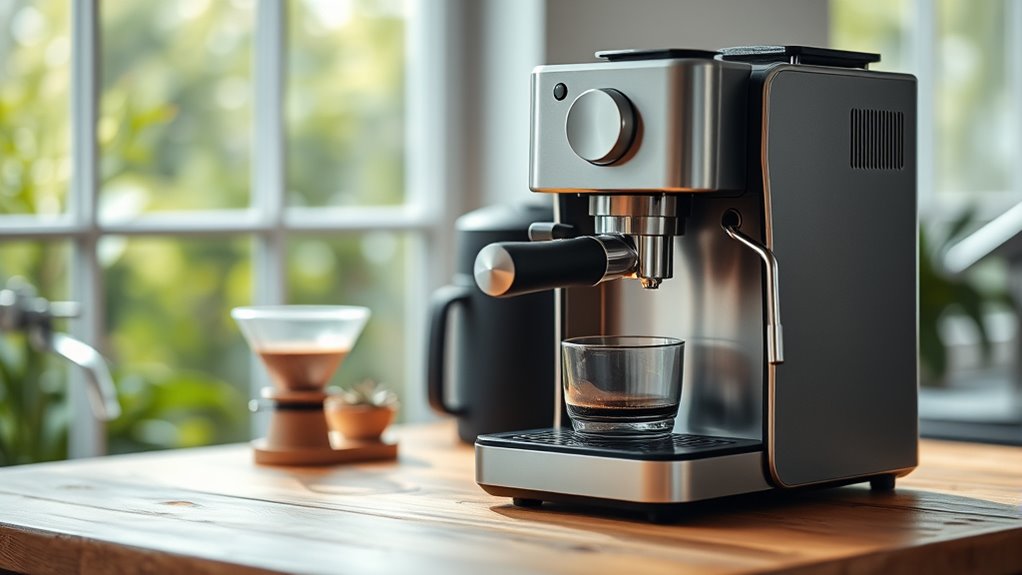
Upgrading to eco-friendly coffee equipment not only improves your machine’s efficiency but also delivers significant environmental benefits. Modern, Energy Star-rated machines use less power, reducing your carbon footprint and lowering energy consumption. These machines often feature better insulation, heat recovery, and precise temperature controls, which cut unnecessary energy waste. By choosing efficient equipment, you help decrease greenhouse gas emissions associated with electricity production. Additionally, eco-friendly machines tend to have longer lifespans and require fewer replacements, leading to less waste and resource use. For your daily routine, this means contributing to a healthier planet while enjoying your coffee. Over time, these upgrades can save you money on energy bills and support sustainable practices, making your love for coffee more environmentally responsible.
Frequently Asked Questions
How Does Boiler Insulation Affect My Coffee Machine’s Energy Efficiency?
Boiler insulation markedly boosts your coffee machine’s energy efficiency by reducing heat loss. When you insulate the boiler, less energy is needed to maintain the water temperature, which cuts down on overall power consumption. This means your machine uses less electricity, saves you money, and minimizes environmental impact. Investing in good insulation can improve performance, especially in commercial settings, and ensure your machine runs efficiently for longer periods.
What Features Should I Look for in an Eco-Friendly Coffee Machine?
Look for features like boiler insulation, PID-controlled boilers, and heat recovery systems—these work together like a well-orchestrated symphony to boost efficiency. An Energy Star rating is your badge of eco-friendliness, signaling lower energy use. Auto-power down and standby modes act like a pause button, saving energy when you’re not brewing. Choosing a smaller, efficient design helps reduce waste, making your coffee routine greener and more cost-effective.
Can Reducing Brewing Water Volume Save Energy in Commercial Coffee Shops?
Reducing brewing water volume can save energy in commercial coffee shops by decreasing the amount of hot water heated and maintained at temperature. When you use less water, your machines don’t need to work as hard to heat and keep it warm, which cuts down on idle energy waste. This simple adjustment can lead to noticeable savings in energy consumption and help your shop become more eco-friendly.
How Much Energy Do Standby Modes in Coffee Makers Typically Consume?
Standby modes in coffee makers typically consume between 0.15 and 0.30 kWh per hour. When you leave your machine on standby, it wastes considerable energy over time, especially in busy cafes where machines idle for hours. To save energy, turn off your coffee machine when not in use, or enable auto-power down features if available. Doing so can markedly reduce unnecessary energy consumption and cut your costs.
Are There Specific Maintenance Practices That Improve My Machine’s Energy Performance?
To improve your coffee machine’s energy performance, regularly clean and descale it to guarantee peak efficiency. Check and replace worn-out seals and gaskets, which can cause heat loss and increase energy use. Keep the machine well-maintained by inspecting water filters and ensuring proper insulation, especially in boilers. Additionally, follow manufacturer recommendations for calibration and servicing. Proper maintenance minimizes energy waste, prolongs your machine’s lifespan, and saves you money on electricity costs.
Conclusion
By making small changes, you could transform your coffee routine into an eco-friendly revolution that saves more energy than a city’s entire power grid. Upgrading your machine, turning it off when not in use, and maintaining it properly can slash your energy use, making your coffee habit practically planet-saving. Imagine your kitchen becoming a beacon of sustainability, inspiring others to follow your lead—and all with just a few simple, powerful actions.