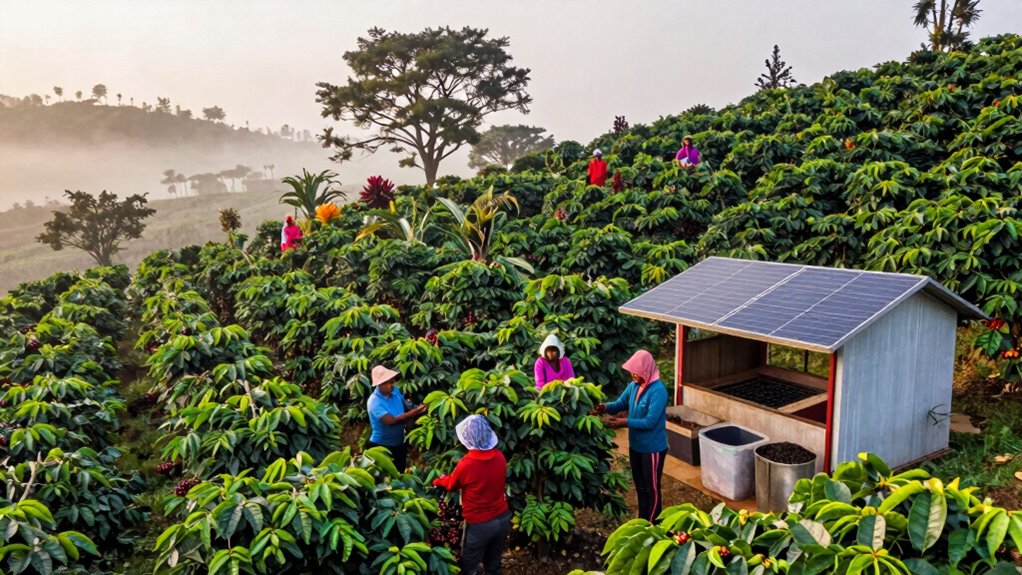

Sustainable coffee goes far beyond eco-friendly packaging; it involves responsible farming practices that protect ecosystems, conserve water, and reduce chemical use. It also means supporting fair wages and worker rights, ensuring labor conditions are safe and equitable. Promoting biodiversity and soil health helps create resilient environments that sustain coffee production. If you’re curious how you can make a real impact, exploring these deeper aspects reveals how your choices support a more sustainable future.
Listen free for 30 days with Audible
Thousands of audiobooks and originals — cancel anytime.
As an affiliate, we earn on qualifying purchases.
Key Takeaways
- Implementing eco-friendly certifications like Rainforest Alliance and Fair Trade to ensure responsible farming and social practices.
- Adopting sustainable farming methods such as shade-grown coffee, crop diversity, and soil conservation techniques.
- Using water-efficient technologies, rainwater harvesting, and drought-resistant coffee varieties to conserve water resources.
- Ensuring fair wages, safe working conditions, and supporting workers’ rights through ethical labor practices and unionization.
- Supporting transparent supply chains, community development, and native ecosystem restoration to promote broader environmental and social sustainability.
As an affiliate, we earn on qualifying purchases.
What Does Truly Sustainable Coffee Mean?
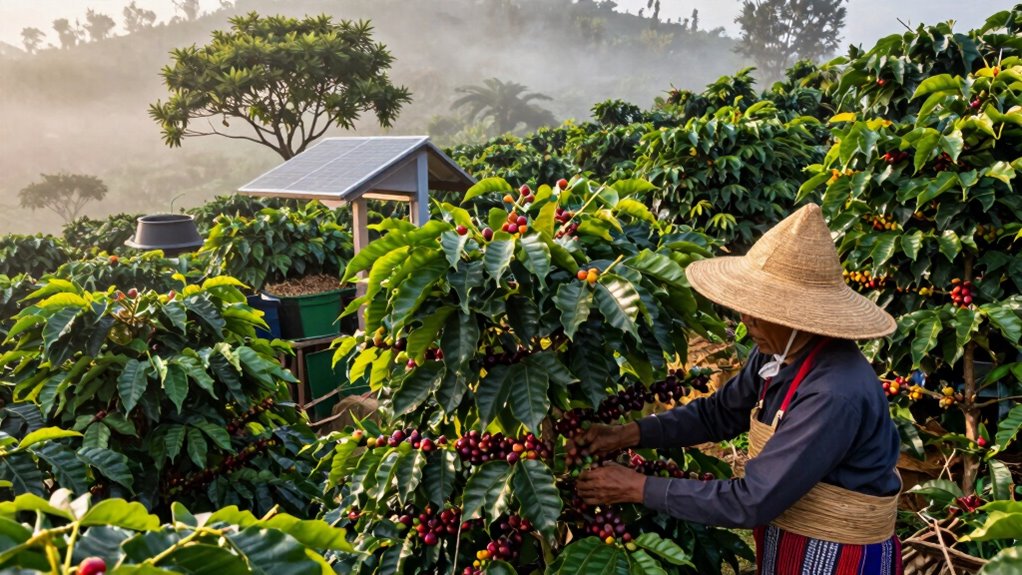
Understanding what truly makes coffee sustainable goes beyond just choosing environmentally friendly packaging or fair wages. It involves considering eco-friendly certifications that verify responsible practices, like Rainforest Alliance or Fair Trade. These certifications guarantee farmers follow standards that protect ecosystems and workers’ rights. Equally important is evaluating the coffee’s carbon footprint—how much greenhouse gas is emitted during production, processing, and transportation. Truly sustainable coffee minimizes its environmental impact from farm to cup. It’s about supporting systems that preserve biodiversity, reduce emissions, and promote social equity. When you choose coffee with credible eco-friendly certifications and consider its carbon footprint, you’re making a conscious decision that contributes to long-term environmental health and fair livelihoods. eco-friendly certifications play a crucial role in verifying responsible practices and guiding consumers toward sustainable choices. Sustainability isn’t just a label—it’s a holistic approach. Additionally, understanding the land management practices involved helps ensure long-term ecological balance.
How Sustainable Farming Practices Protect the Environment
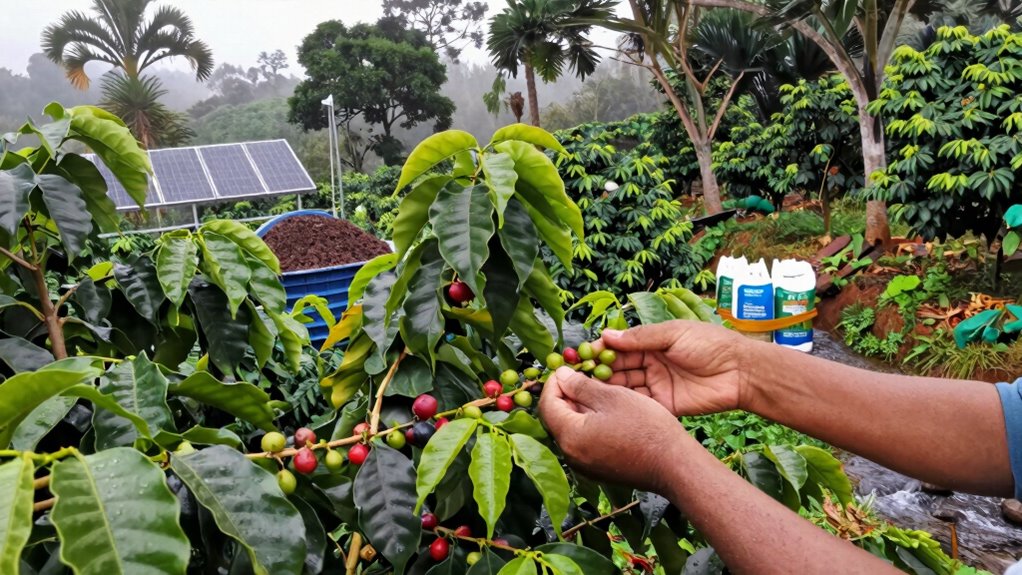
Sustainable farming practices play a crucial role in protecting the environment by minimizing negative impacts and promoting ecological balance. By focusing on coffee bean genetics, farmers select resilient varieties that require fewer chemical inputs and thrive naturally, reducing environmental stress. Shade grown practices also contribute considerably by maintaining natural canopy cover, which preserves biodiversity, prevents soil erosion, and enhances carbon sequestration. These methods create a balanced ecosystem where pests are naturally controlled, decreasing the need for pesticides. You can support these practices by choosing coffee that emphasizes eco-friendly farming techniques. Additionally, implementing crop diversity can further strengthen ecological resilience and promote healthier soil. Understanding vulnerabilities in devices and how they can be mitigated also supports sustainable practices by reducing the need for energy-intensive security measures. Research suggests that adopting familiar faces in dreams can symbolize comfort and connection, reminding us of the importance of nurturing relationships and environments. Furthermore, adopting integrated pest management techniques aligns with sustainable farming by reducing chemical dependence and encouraging natural pest control methods. Incorporating sustainable farming methods can lead to improved soil health and water conservation, benefiting both the environment and future crops. Ultimately, sustainable farming not only safeguards the environment but also ensures healthier coffee production for future generations. Your choices help promote farming methods that respect and preserve the land you enjoy every day.
Water-Saving Techniques for Coffee Growers
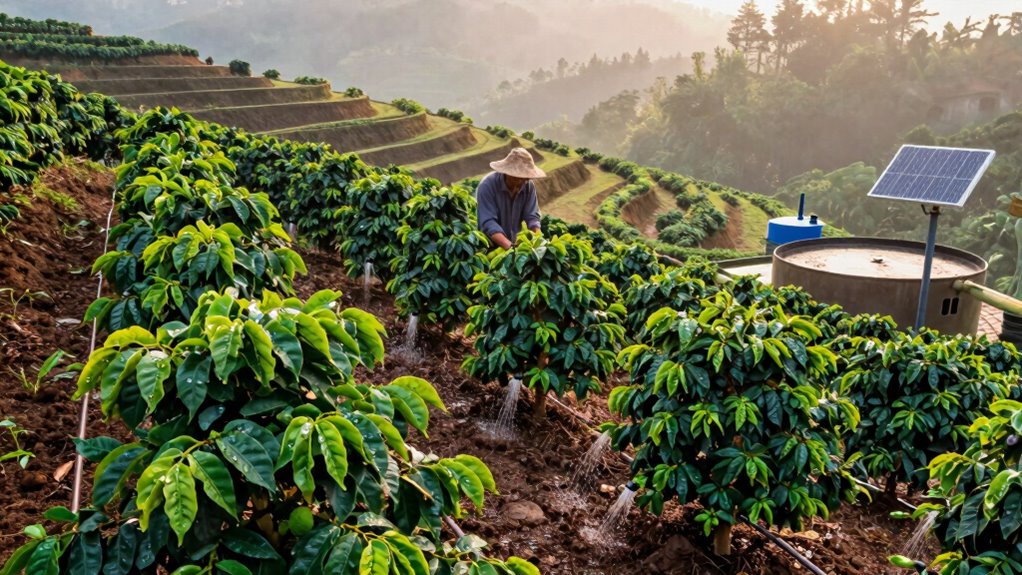
Have you ever considered how coffee growers can save water without sacrificing quality? It all begins with effective water management practices. By monitoring soil moisture levels, growers can optimize irrigation schedules, ensuring water is only used when needed. Improving irrigation efficiency through drip or micro-sprinkler systems reduces waste and directs water precisely to the roots. Implementing rainwater harvesting techniques also helps supplement water sources and lessen reliance on groundwater. Additionally, selecting drought-resistant coffee varieties can decrease water requirements. These water-saving techniques not only conserve essential resources but also promote healthier plants and higher yields. For example, choosing the right irrigation methods can significantly enhance water conservation efforts. Incorporating soil moisture sensors further refines water application, preventing over-irrigation. Using advanced irrigation technology allows growers to better tailor watering schedules, saving water while maintaining crop health. By focusing on water management and irrigation efficiency, coffee growers can make a significant impact on sustainability, ensuring future water availability while maintaining top-quality coffee.
Fair Wages and Worker Rights in Sustainable Coffee
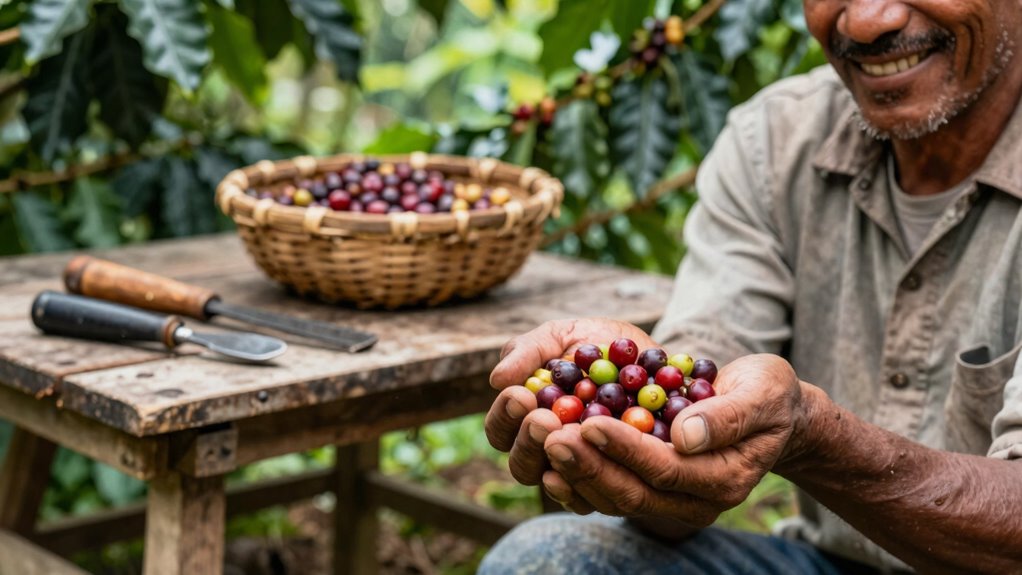
You have the power to support coffee companies that prioritize fair compensation practices, ensuring workers earn a living wage. Protecting worker rights isn’t just ethical—it’s essential for a sustainable coffee industry. By choosing brands committed to these principles, you help foster a more just and resilient coffee supply chain. Supporting ethical labor practices encourages industry-wide improvements and accountability. Additionally, promoting worker rights can lead to safer working conditions and improved community well-being. Recognizing the importance of transparency in supply chains can further empower consumers to make informed choices. Implementing comprehensive reporting systems can enhance accountability and ensure ongoing progress in fair labor standards. Understanding how industry-specific certifications promote fair wages can also guide consumers toward more responsible purchasing decisions.
Fair Compensation Practices
Fair compensation practices are fundamental to ensuring that coffee farmers and workers receive fair wages and enjoy their rights. When companies prioritize ethical sourcing, they commit to paying farmers livable wages that reflect their work’s true value. This approach supports community development by enabling farmers to invest in education, healthcare, and local infrastructure, creating a ripple effect that benefits entire communities. Fair pay also encourages better working conditions and sustainable practices, as farmers are less pressured to cut corners or exploit resources. By focusing on fair compensation, you help uphold the dignity of coffee workers and promote social equity within the industry. This commitment to just wages aligns with broader sustainability goals, ensuring coffee production benefits everyone involved. Recognizing the importance of respecting Native cultural heritage, many companies are working to incorporate traditional practices and values into their sustainability efforts. Additionally, promoting fair wages and worker rights can motivate farmers to adopt more sustainable and responsible farming methods, further elevating the industry’s overall integrity. Supporting fair compensation also fosters long-term industry resilience, helping ensure that the coffee supply chain remains sustainable and equitable for future generations. Integrating water conservation strategies in farming practices can further enhance sustainability efforts in coffee production.
Worker Rights Protections
Ensuring worker rights protections in sustainable coffee involves more than just paying fair wages; it requires safeguarding labor rights and promoting safe, equitable working conditions. Supporting labor unionization enables workers to advocate for their rights, fair treatment, and improved conditions. Worker safety must be a priority, with measures in place to prevent accidents and health risks on farms. Employers should provide proper training, protective gear, and fair policies that respect workers’ rights to organize and express concerns without fear of retaliation. When these protections are in place, it creates a more just and sustainable coffee industry. Proper materials and fuel primers are essential for maintaining safe working environments and reducing risks. Additionally, implementing labor rights enforcement ensures ongoing compliance and accountability within the industry. Upholding labor standards fosters trust, stability, and better quality coffee, benefiting everyone involved from farm to cup. A focus on worker empowerment can also lead to more resilient and sustainable supply chains. Strengthening worker protections further enhances the long-term viability of sustainable coffee practices.
Supporting Biodiversity and Soil Health in Coffee Regions
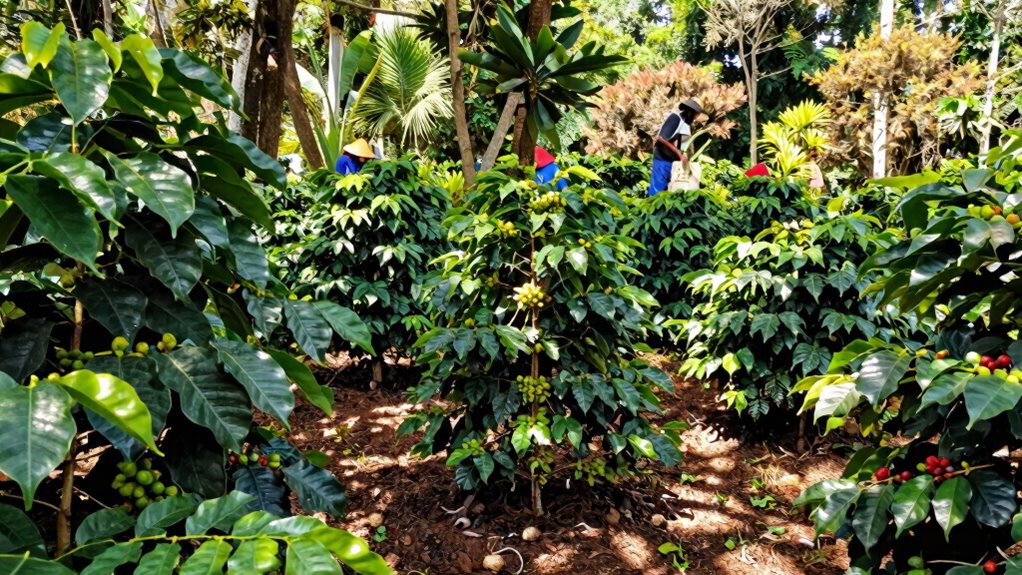
You can help protect biodiversity and improve soil health by supporting practices like planting native species and conserving existing ecosystems. Implementing soil conservation techniques, such as cover cropping and minimal tillage, keeps the land fertile and resilient. By backing local restoration efforts, you contribute to a healthier environment that benefits both coffee farms and surrounding wildlife. Additionally, promoting solar energy use on farms can reduce reliance on fossil fuels, further supporting sustainable agricultural practices solar system safety. Ensuring ADAS sensor calibration is maintained properly can also contribute to safer and more efficient farm operations. Regularly reviewing screening guidelines and considering individual health factors can enhance early detection and treatment outcomes mammography guidelines. Incorporating regulatory considerations ensures that farming practices align with environmental standards and promote long-term sustainability. Understanding certification standards can help farmers meet sustainability criteria and access eco-conscious markets.
Promoting Native Plant Diversity
How can promoting native plant diversity transform coffee-growing regions? By cultivating native flora, you support habitat preservation, which boosts biodiversity and soil health. Native plants adapt better to local conditions, reducing the need for chemical inputs and watering. This creates a resilient ecosystem that sustains coffee plants naturally. Additionally, fostering ecological balance can help mitigate the impacts of climate change on coffee agriculture.
Implementing Soil Conservation Techniques
Building on the importance of native plant diversity, implementing effective soil conservation techniques can considerably enhance soil health and support biodiversity in coffee-growing regions. You can combat soil erosion by planting cover crops that stabilize the soil, reducing runoff and nutrient loss. Incorporate composting methods to enrich the soil naturally, fostering a resilient environment for coffee plants and local wildlife. Here are four impactful actions you can take:
- Use cover crops to protect against erosion and improve soil structure
- Implement contour planting to minimize runoff on slopes
- Apply organic compost to boost soil fertility and microbial activity
- Limit tillage to preserve soil integrity and prevent erosion
These practices not only preserve the land but also promote a healthier, more diverse ecosystem for coffee production.
Supporting Local Ecosystem Restoration
Supporting local ecosystem restoration is crucial for maintaining biodiversity and improving soil health in coffee-growing regions. You can promote urban coffee initiatives that focus on restoring native habitats and protecting endangered species. These efforts help create a balanced ecosystem, benefiting both farmers and wildlife. As a consumer, your awareness of sustainable practices encourages coffee producers to adopt methods that support biodiversity and soil vitality. Choosing coffee from farms that prioritize ecosystem restoration signals your commitment to environmental health. Supporting initiatives like reforestation projects and soil enrichment programs ensures long-term sustainability. By actively engaging in these efforts, you help preserve the natural landscape, enhance soil resilience, and foster a thriving ecosystem for future coffee generations. Your choices have the power to make meaningful environmental impacts.
How You Can Support and Advocate for Truly Sustainable Coffee
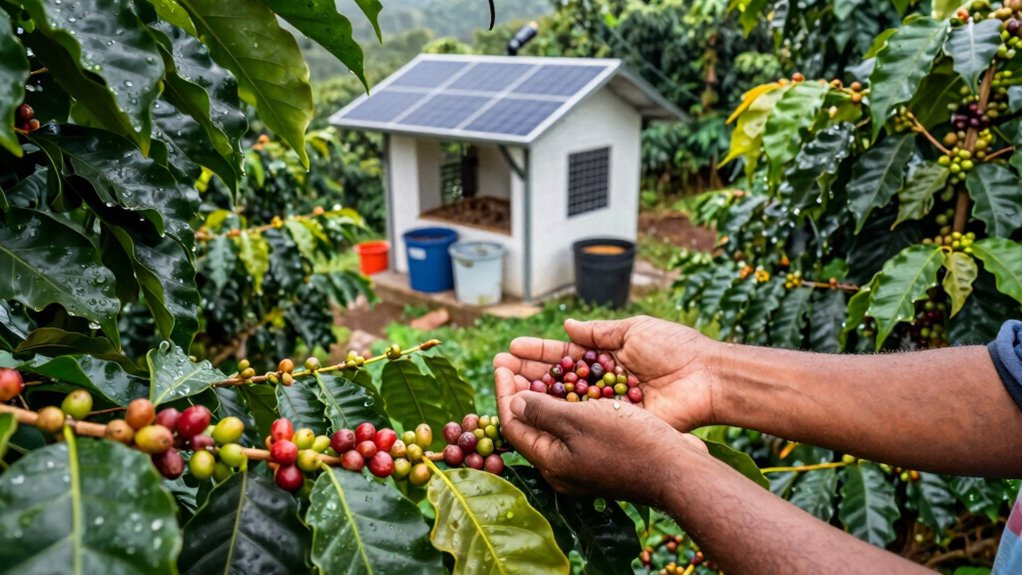
You can make a meaningful difference by choosing to buy coffee from brands committed to transparency and sustainable practices. Supporting the entire process, from coffee roasting to coffee branding, guarantees your choices promote real change. Here are four ways to advocate for truly sustainable coffee:
Supporting transparent, ethical coffee brands creates real change and promotes sustainable practices worldwide.
- Research brands that prioritize ethical sourcing and transparent supply chains.
- Support small-scale farmers who adopt eco-friendly farming practices.
- Share your knowledge about sustainability with friends and on social media.
- Choose direct trade or fair-trade coffee, encouraging fair wages and better working conditions.
Frequently Asked Questions
How Do Certifications Ensure Genuine Sustainability in Coffee?
Certification standards, like Organic certifications, guarantee genuine sustainability by setting strict criteria that farmers must meet. You can trust these labels because they verify environmentally friendly practices, fair labor conditions, and reduced chemical use. When you see these certifications, you’re supporting farms committed to long-term ecological health and social responsibility. They help guarantee that your coffee consumption promotes sustainable agriculture and benefits both the environment and local communities.
What Role Do Consumers Play in Promoting Sustainable Coffee Practices?
You play a crucial role in promoting sustainable coffee by staying aware of ethical sourcing practices. Think of yourself as a gardener, nurturing change with each purchase—your choices influence farmers and suppliers. Consumer awareness amplifies demand for ethically sourced coffee, encouraging brands to prioritize sustainability. When you choose certified options, you help create a ripple effect, supporting farmers who use eco-friendly methods and fostering a more sustainable coffee industry for everyone.
How Are Climate Change Impacts Addressed in Coffee Sustainability Efforts?
You can support climate change efforts in coffee sustainability by choosing brands that prioritize climate adaptation strategies and carbon offsetting. These companies actively work to reduce their environmental impact through sustainable farming practices, reforestation, and investing in renewable energy. By supporting such initiatives, you help promote resilience in coffee-growing regions, ensuring long-term sustainability and a healthier planet. Your choices directly contribute to mitigating climate change effects on coffee production.
What Innovative Technologies Are Being Used in Sustainable Coffee Production?
Innovative processing techniques are transforming sustainable coffee production like a catalyst speeding up change. You’ll see eco-friendly cultivation methods, such as precision agriculture and drone monitoring, reducing resource use and environmental impact. These technologies help farmers optimize water, fertilizer, and pest management, ensuring healthier crops and ecosystems. By embracing such innovations, you support a coffee industry that’s not only productive but also committed to preserving the planet for future generations.
How Do Supply Chain Practices Influence Coffee Sustainability Beyond Farms?
Supply chain practices greatly influence coffee sustainability beyond farms. When you prioritize supply chain transparency, you guarantee that every step, from sourcing to shipping, adheres to ethical and environmental standards. Supporting fair trade initiatives guarantees fair wages and better working conditions for farmers. By choosing coffee brands committed to these practices, you promote sustainable production, reduce environmental impact, and foster a more equitable industry for everyone involved.
Conclusion
By choosing coffee that embraces sustainable farming practices, you’re not just enjoying a great cup—you’re helping protect the environment and support fair treatment for workers. Think of it like planting a seed for a healthier planet; each mindful choice adds up. Your support fuels positive change beyond just packaging, ensuring coffee’s future is as rich and vibrant as the flavor in your mug. Together, we can make a difference—one sustainable sip at a time.
Flea & tick season Picks
flea and tick prevention
As an affiliate, we earn on qualifying purchases.