
EU deforestation-free regulations are changing how coffee enters the market. You’ll see increased demand for certified, traceable, and sustainable products, which may raise prices and create supply chain shifts. Smaller producers might struggle to meet new standards, affecting availability and trade flows. Larger companies are investing in sustainable practices and certifications. If you want to understand how these changes influence your coffee choices and global trade, there’s more to uncover.
Key Takeaways
- EU regulations require coffee imports to be deforestation-free, increasing the need for supply chain transparency and origin verification.
- Compliance challenges may lead to market exclusion for smallholders and higher costs for exporters.
- Supply chains are shifting, with larger traders favoring certified, sustainable sources to meet new standards.
- Stricter standards could cause trade disruptions, price volatility, and supply chain restructuring in global coffee markets.
- These regulations promote innovation in traceability technologies and sustainable farming practices within the coffee industry.

Veken French Press Coffee Maker 34oz, No Plastic Touching Cafe,Thickened Glass Stainless Steel Brewer, Cold Brew Cafetera Tea pot for Kitchen Travel Camping, Gifts, Decor, Bar Accessories, Dark Pewter
No Plastic Touching Food: Made with 304 stainless steel and food-grade silicone, our French press keeps all brewing...
As an affiliate, we earn on qualifying purchases.
Overview of the EU Deforestation-Free Regulations

The EU’s Deforestation-Free Regulations aim to guarantee that imported commodities like coffee do not contribute to forest loss. These regulations establish strict deforestation policies that exporters must follow to assure environmental compliance. As a coffee supplier or importer, you’ll need to verify that your products originate from areas free of recent deforestation activities. The rules require transparent supply chain documentation, making it imperative to trace the origins of your coffee beans. The goal is to prevent commodities linked to forest destruction from entering the EU market. By adhering to these policies, you help protect global forests while aligning with legal requirements. Understanding the scope of the regulations is vital for maintaining compliance and guaranteeing your coffee exports remain sustainable and legally compliant within the EU market. Incorporating environmental impact assessments can further ensure adherence to these regulations and promote sustainable practices.

Ziruma Non-Toxic French Press, Surgical Stainless Steel Coffee Press, Plastic-Free, Heavy Metal-Free, No Endocrine Disruptors, 34 Oz, Double Wall, 4-Layer Filter, Portable Coffee Maker
✅ 𝟑𝟏𝟔 𝗦𝘂𝗿𝗴𝗶𝗰𝗮𝗹-𝗚𝗿𝗮𝗱𝗲 𝗦𝘁𝗲𝗲𝗹 𝗳𝗼𝗿 𝗮 𝗛𝗲𝗮𝗹𝘁𝗵𝗶𝗲𝗿 𝗕𝗿𝗲𝘄 - Crafted with premium, 316 surgical-grade stainless steel and 100%...
As an affiliate, we earn on qualifying purchases.
Key Requirements for Coffee Suppliers and Exporters
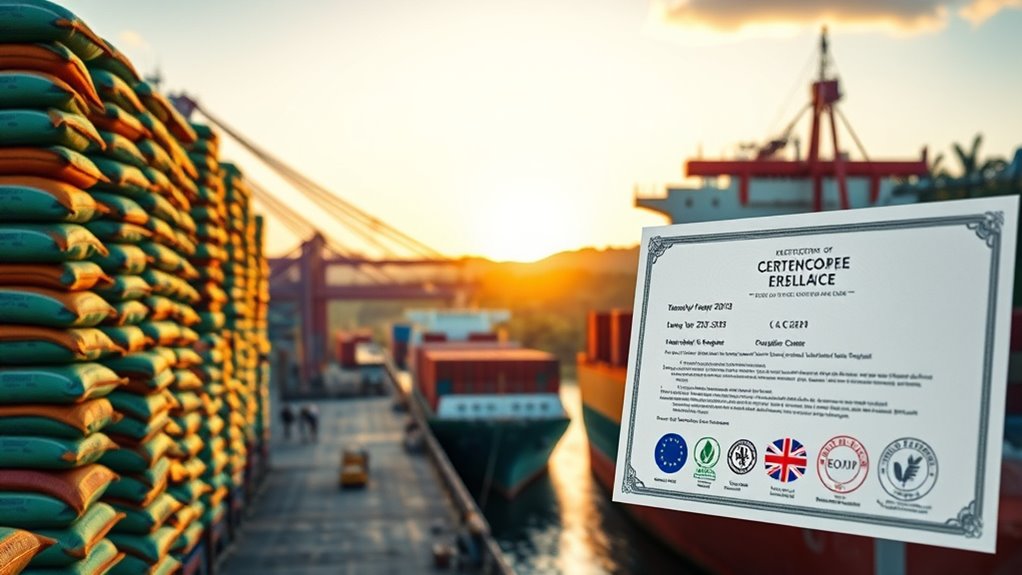
To comply with the EU’s deforestation-free regulations, coffee suppliers and exporters must implement robust traceability systems that verify the origin of each batch. You need clear documentation proving sustainable sourcing, often supported by sustainability certifications like Rainforest Alliance or Fair Trade. Ensuring your coffee is traceable from farm to export helps meet legal standards and satisfies buyers’ demands. Additionally, integrating transparency into your coffee roasting process is vital for demonstrating compliance. Certification labels boost credibility, but accurate tracking is essential regardless of certification status. Here’s a quick overview of key requirements:
| Requirement | Description | Purpose |
|---|---|---|
| Traceability Systems | Verifiable origin documentation | Regulatory compliance |
| Sustainability Certifications | Formal recognition of sustainable practices | Market acceptance |
| Supply Chain Transparency | Clear visibility of all sourcing stages | Consumer trust |
| Documentation Accuracy | Precise records of origin and certifications | Legal compliance |
| Quality Control | Maintain standards during roasting | Product integrity |
A robust traceability system not only ensures compliance but also builds consumer confidence in sustainable sourcing practices.

ESPRO P7 Brushed Stainless Steel French Press 304 – Patented Double Walled Micro-Filter Insulated French Press Coffee Maker, Grit-Free Brew - Heat Resistant BPA Free (18oz)
PATENTED DOUBLE MICRO- FILTER GRIT-FREE BREW: Engineered with double filter technology, this French Press Stainless Steel brews a...
As an affiliate, we earn on qualifying purchases.
Challenges Faced by Coffee Producers in Meeting New Standards
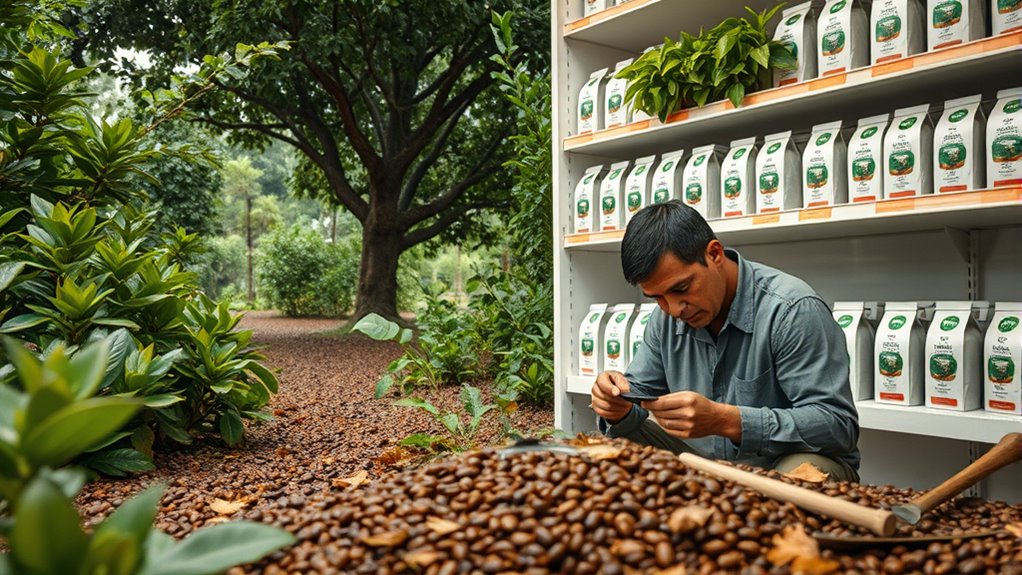
Meeting the new EU deforestation-free standards poses significant hurdles for coffee producers, especially those operating with limited resources or in regions lacking robust infrastructure. Smallholder struggles are particularly evident, as many lack the knowledge or tools needed to meet certification requirements. Certification costs can be a major barrier, adding financial strain to already vulnerable farmers. These costs include audits, documentation, and compliance measures, which may be difficult to afford without external support. Additionally, some producers face challenges in accessing reliable technical assistance or understanding complex regulations. As a result, many smallholders worry that they may be excluded from EU markets or forced to sell at lower prices. Overcoming these hurdles requires targeted support, capacity building, and affordable certification pathways. Understanding certification requirements is crucial for producers seeking to adapt successfully to these regulations.

Barista Warrior French Press Coffee Maker - Double-Wall Stainless Steel Insulated French Press with Built-In Thermometer, Dual Filters Coffee Maker with Wooden Spoon - White
Built-In Thermometer: Ensures your water stays at the ideal 195–205°F for each brew. No more bitter or burnt...
As an affiliate, we earn on qualifying purchases.
Impact on Global Coffee Supply Chains and Trade Flows
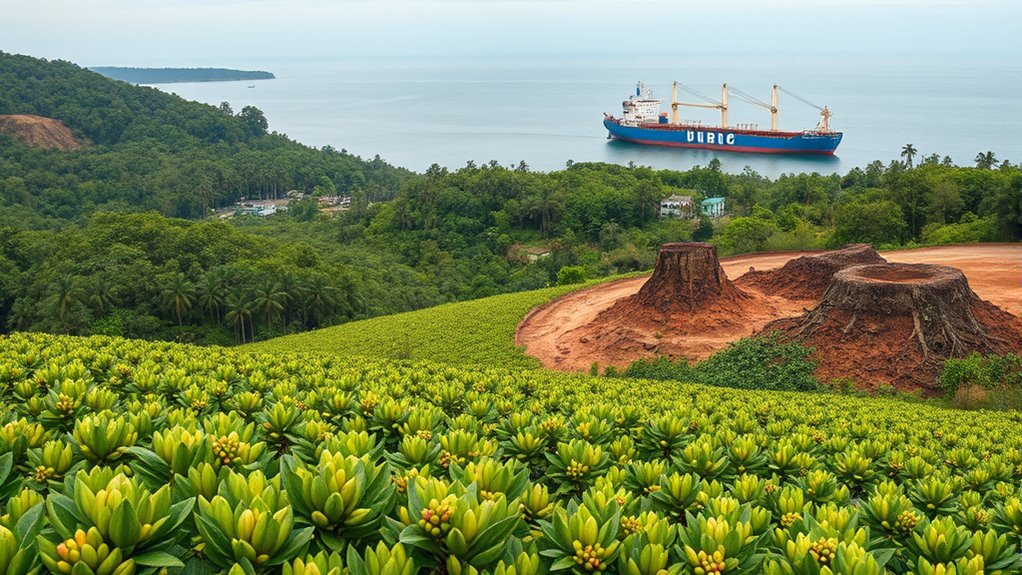
As EU’s new deforestation-free standards take effect, global coffee supply chains are experiencing shifts in sourcing and trade patterns. Countries and traders are adapting to stricter deforestation policies, which limit access to traditional suppliers involved in environmentally harmful practices. This leads to trade disruptions, as some coffee exports face restrictions or delays, forcing traders to find alternative sources. You may notice increased costs or longer transit times as supply chains adjust. Smaller producers may struggle to meet compliance, reducing their market share. Larger traders are reevaluating partnerships and sourcing strategies to ensure conformity. Overall, these changes reshape global trade flows, prompting a realignment of supply networks and possibly creating new market opportunities for sustainably certified coffee.
Changes in Certification and Sustainability Practices
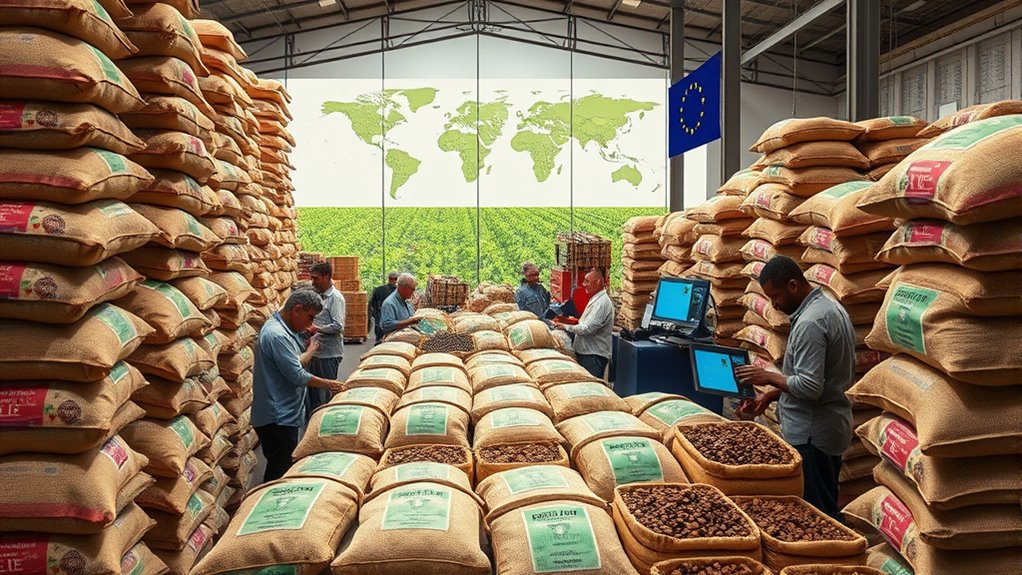
The shift in global supply chains driven by EU’s deforestation-free standards is prompting coffee producers and traders to reevaluate their certification and sustainability practices. You’ll notice a clear certification evolution, as standards become more rigorous and transparent. To meet new requirements, you may need to adopt advanced sustainability metrics that accurately measure environmental impact. This change encourages you to prioritize certifications that verify deforestation-free sourcing, enhancing credibility. Additionally, transparency in sustainability practices becomes essential for market access. You might also invest in traceability systems that track coffee from farm to cup, demonstrating compliance. Incorporating certification processes that align with new standards can streamline compliance and foster trust among consumers and regulators. Overall, these adjustments aim to align your practices with stricter regulations, ensuring your coffee remains competitive in a market increasingly focused on ethical and eco-friendly sourcing.
Effects on Coffee Prices and Market Accessibility in Europe

Since EU’s new deforestation-free standards take effect, coffee prices in Europe are experiencing upward pressure, as producers face increased costs to meet stricter sustainability requirements. This shift impacts market accessibility, making it harder for some suppliers to comply with environmental standards while remaining competitive. As producers invest in environmental compliance, supply chains become more selective, leading to reduced availability of certain coffee varieties. Market volatility also rises, as fluctuating compliance costs and changing import regulations create uncertainty for buyers and importers. Consumers may notice higher prices and limited choices at retail outlets. Overall, these regulations reshape the European coffee market, emphasizing sustainability but challenging traditional market dynamics and accessibility for some importers and consumers alike. Additionally, Nail Tips techniques like layering and detailing can serve as inspiration for branding and packaging designs that emphasize eco-friendly themes.
Responses From Major Coffee Producing Countries
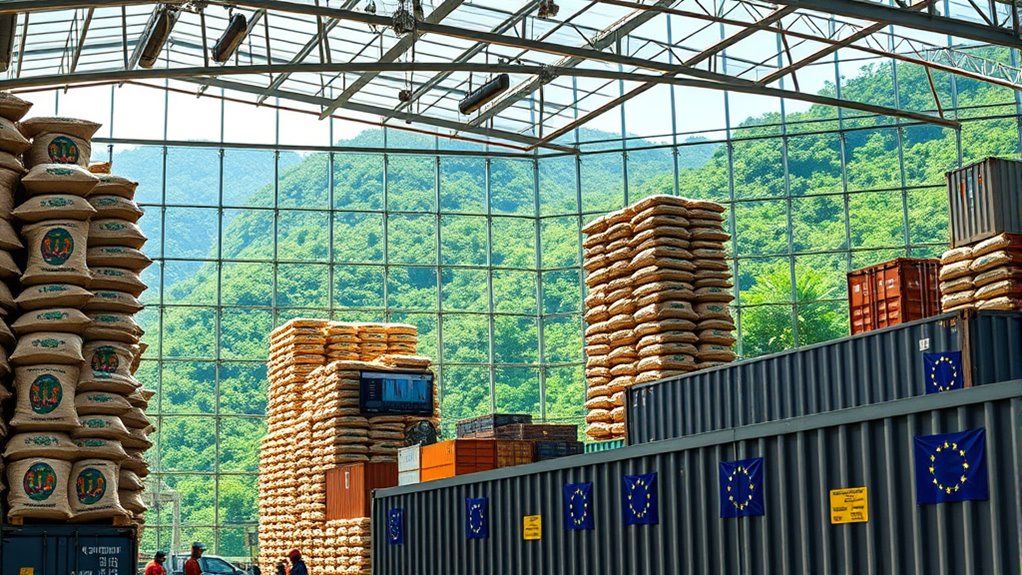
Major coffee-producing countries are adjusting their export policies to meet new EU standards, which affects their supply chains. These changes create logistical challenges and may increase costs for producers. As a result, their economies and global coffee markets are experiencing significant shifts. Additionally, the implementation of regulatory compliance measures is influencing the quality and sustainability practices among producers.
Exporters’ Policy Adjustments
As EU regulations on deforestation-free imports tighten, coffee-exporting countries are actively adjusting their policies to maintain market access. They’re focusing on strategies like market diversification to reduce dependence on the EU, ensuring resilience against sudden trade restrictions. Countries are investing in sustainable farming practices to meet new standards and avoid penalties. Some nations are establishing certification programs that align with EU requirements, bolstering producer resilience. These adjustments help exporters adapt quickly, safeguard revenue, and retain access to key markets.
- Expanding to emerging markets with different environmental standards
- Strengthening compliance frameworks for sustainable certification
- Supporting farmers through training to meet new regulations
Supply Chain Challenges
In response to the tightening EU regulations on deforestation-free coffee, producing countries are actively confronting supply chain challenges by implementing targeted strategies. They focus on enhancing supply chain resilience to adapt to new compliance requirements, ensuring steady exports despite increased scrutiny. However, certification complexity remains a significant hurdle; navigating multiple certification standards demands substantial resources and expertise. Countries are investing in local certification programs and digital tracking systems to streamline processes and reduce costs. These efforts aim to improve transparency and meet EU standards more efficiently. Despite these initiatives, maintaining supply chain resilience while managing certification complexity requires ongoing adaptation and collaboration. Your focus on these areas is crucial to overcoming supply chain challenges and maintaining access to the EU market. Additionally, understanding the importance of personality traits can facilitate better stakeholder engagement and collaboration in these initiatives.
Economic Impact Shifts
The implementation of EU deforestation-free coffee regulations has prompted significant economic shifts among producing countries. You may notice increased price volatility as exporters adapt to new standards, causing fluctuations in global coffee prices. Countries are also pursuing market diversification to reduce reliance on EU imports, seeking alternative buyers and regions. This shift encourages investments in sustainable practices but challenges traditional supply chains. Additionally, the transition requires countries to identify spoiled or unfresh coffee, ensuring compliance with new regulations. – Countries developing new certification standards to meet EU demands – Farmers adopting eco-friendly practices to maintain export access – Exporters exploring emerging markets to offset reduced EU demand
These changes reshape economic stability, forcing coffee producers to innovate and diversify their markets to navigate the evolving landscape.
Opportunities for Sustainable Growth and Innovation

Opportunities for sustainable growth and innovation in the coffee industry are expanding as consumers increasingly demand environmentally responsible products. This shift drives companies to adopt technological innovation, such as blockchain traceability and eco-friendly processing methods, ensuring transparency and sustainability. Consumer awareness about deforestation and environmental impacts motivates brands to develop more sustainable practices and certifications, appealing to eco-conscious buyers. By embracing these innovations, you can differentiate your products and meet new regulatory standards while fostering loyalty among environmentally aware consumers. Additionally, investing in sustainable farming techniques and innovative supply chain solutions can reduce environmental footprints and improve resilience. Deforestation‑free regulations are also prompting industry-wide changes that support long-term ecological balance. Overall, this focus on sustainability opens avenues for growth, allowing you to stay competitive in a market that values responsible and innovative practices.
Future Outlook for Coffee Trade Under EU Regulations
As EU regulations evolve, you’ll need to prepare for significant shifts in supply chains and sourcing strategies. Market players are already adjusting their approaches to meet new compliance standards. Staying proactive will be key to steering these changes effectively. Additionally, understanding the privacy and cookie policies that influence online trade and consumer data management can play a crucial role in navigating the digital aspects of international commerce.
Shifts in Supply Chains
With the EU’s new deforestation-free regulations taking effect, coffee supply chains are poised to undergo significant transformation. You’ll see supply chain restructuring as producers seek compliance with stricter standards. Certification compliance will become vital, pushing suppliers to adopt transparent practices to meet EU demands. Expect a shift toward sourcing from regions with verified sustainability practices, reducing reliance on high-risk areas. This may lead to increased costs but also offers opportunities for premium pricing and market differentiation. Suppliers will need to adapt quickly, investing in traceability systems and sustainable certifications. Overall, these changes will accelerate the shift toward more responsible, transparent supply chains, aligning global trade with environmental goals. Staying ahead means embracing these shifts now to guarantee continued access to the EU market.
Market Adaptation Strategies
To succeed in the evolving coffee market under EU deforestation regulations, you must proactively develop adaptation strategies. Emphasizing farmer empowerment helps guarantee sustainable sourcing, while leveraging technological innovations enhances traceability and compliance. You can adopt practices like blockchain for transparency or use remote sensing to monitor deforestation risks. Collaborating directly with farmers fosters trust and supports sustainable practices. Consider the following strategies:
| Strategy | Focus Area | Benefit |
|---|---|---|
| Farmer empowerment | Training & support | Improved sustainability, compliance |
| Technological innovations | Traceability tools | Enhanced transparency, risk management |
| Supply chain collaboration | Stakeholder engagement | Flexibility and resilience |
Implementing these strategies positions you to navigate regulations, safeguard your supply, and maintain market competitiveness.
Frequently Asked Questions
How Will Small-Scale Coffee Farmers Adapt to New EU Regulations?
You’ll need to adapt to new EU regulations by embracing technological innovations that make your farming more sustainable. Farmer adaptation might involve adopting eco-friendly practices, improving supply chain transparency, or using monitoring tools to meet deforestation-free standards. Staying informed and flexible helps you comply with regulations, ensuring your coffee remains marketable. Investing in these innovations not only boosts your farm’s sustainability but also enhances your reputation and access to international markets.
What Are the Long-Term Environmental Benefits of Deforestation-Free Coffee Standards?
You’re biting off more than you can chew if you think long-term benefits aren’t worth the effort. Deforestation-free coffee standards promote biodiversity preservation and boost climate resilience by maintaining forest ecosystems. Over time, these practices help stabilize local climates, protect wildlife habitats, and reduce carbon emissions. This sustainable approach guarantees healthier environments, supporting both farmers and communities alike, proving that safeguarding nature now pays off in the future.
Will Certification Costs Disproportionately Affect Developing Country Exporters?
You might worry that certification costs could create a cost burden for developing country exporters, potentially increasing export disparities. These costs can strain smaller producers who lack resources for compliance, making it harder for them to compete with larger, established exporters. While certification aims to promote sustainability, it’s essential to take into account support measures that help developing countries manage these costs and ensure fair access to international markets.
How Do EU Regulations Influence Consumer Perceptions of Coffee Sustainability?
You might notice that EU regulations boost consumer perceptions of coffee sustainability by strengthening consumer trust. When brands emphasize ethical branding and comply with these rules, customers feel more confident about the product’s environmental impact. This increased trust can influence purchasing decisions, making consumers more likely to choose sustainably sourced coffee. Ultimately, clear, transparent efforts aligned with EU standards enhance your perception of a brand’s commitment to ethical practices.
Are There Any Legal Challenges to Implementing These Deforestation-Free Policies?
You might wonder if legal hurdles or policy conflicts could slow down implementing deforestation-free policies. These regulations face challenges like differing national laws, trade agreements, and potential disputes over jurisdiction. Policy conflicts may arise between environmental goals and trade interests, complicating enforcement. Despite these hurdles, the EU aims to balance sustainability efforts with legal compliance, working through negotiations and legal frameworks to guarantee effective policy adoption that supports deforestation-free commitments.
Conclusion
While EU deforestation-free regulations aim to protect forests, they challenge coffee producers and reshape global trade. You might face higher prices and stricter standards, yet these rules also open doors to sustainable growth and innovation. As regulations tighten, they create a paradox: safeguarding the environment while risking supply disruptions. Embracing these changes can lead to a more responsible, resilient coffee industry—if you adapt quickly, you’ll turn constraints into opportunities.