

A truly sustainable coffee shop focuses on eco-friendly practices like sourcing locally, using biodegradable packaging, and reducing waste through recycling and composting. It promotes social responsibility by supporting the community, ensuring fair wages, and engaging with local initiatives. Transparency in ethical sourcing and supply chains is key, along with adapting to consumer preferences for eco-conscious options. To create a meaningful impact, it’s essential to stay aligned with industry standards—all the details to help you make your café greener are just a step further.
Key Takeaways
- Implement eco-friendly practices such as local sourcing, biodegradable packaging, and waste recycling to reduce environmental impact.
- Incorporate water-saving fixtures, sustainable materials, and energy-efficient lighting in café design.
- Promote social responsibility through community engagement, fair labor policies, and transparent supply chains.
- Obtain certifications like Fair Trade or Organic to verify ethical sourcing and ensure supply chain transparency.
- Adapt to market trends by offering plant-based options, eco-friendly packaging, and leveraging digital tools for customer engagement.
Implementing Environmentally Friendly Practices

Implementing environmentally friendly practices in coffee shops is essential for reducing their ecological footprint and promoting sustainability. You can start by sourcing coffee beans and ingredients locally, which cuts transportation emissions and supports the local economy. Reusable packaging and compliance with regulations, like Germany’s Reusable Packaging Law, help lower waste and disposal costs. Incorporate composting organic waste to minimize landfill contributions and improve soil health for nearby farms. Using climate-resilient coffee varieties and adopting agroforestry practices reduce deforestation and environmental degradation. Efficient resource management—such as installing energy-efficient lighting and water-saving devices—shrinks operational costs while conserving crucial resources. Sustainable farming methods also benefit from adopting eco-friendly practices, further supporting environmental conservation. These actions demonstrate your commitment to sustainability and help create a more eco-friendly coffee shop environment. Dynamic communication exercises can also enhance teamwork and foster a shared commitment to eco-friendly initiatives among staff. Additionally, understanding the safety of electric heated mattress pads can serve as an analogy for the importance of implementing safety standards in sustainable practices, ensuring all measures are both effective and secure. Promoting awareness of smart toilet features can also inspire innovative ways to incorporate technology for environmental benefits. Incorporating proper waste management strategies ensures that recyclable and compostable materials are properly separated, reducing contamination and increasing recycling efficiency.
Promoting Social Responsibility and Community Engagement

Promoting social responsibility and community engagement is essential for building a loyal customer base and fostering a positive brand image. When you support local initiatives, host community events, or collaborate with local organizations, you create a sense of belonging and trust. Treat your staff well by offering development programs, which boost morale and retention. Transparently sharing your sourcing practices and fair labor policies builds credibility and trust with customers. Engaging with the community through workshops, charity drives, or cultural events demonstrates your commitment to social well-being. By actively participating in local life, you show that your café values more than profits — it cares about the community’s growth and sustainability. Incorporating ethical sourcing practices further reinforces your commitment to social responsibility. This approach enhances reputation, encourages repeat visits, and attracts socially conscious consumers. Additionally, understanding the importance of Cultural Intelligence can help your team better connect with diverse community members and stakeholders. Developing a comprehensive understanding of home security system costs can also assist your café in safeguarding its assets and ensuring a safe environment for staff and patrons. Recognizing the financial impact of supporting local initiatives can further motivate your team and strengthen community ties. Furthermore, embracing creative practice techniques can inspire your staff to develop innovative ideas that resonate with your community’s unique culture.
Ensuring Ethical and Transparent Supply Chains
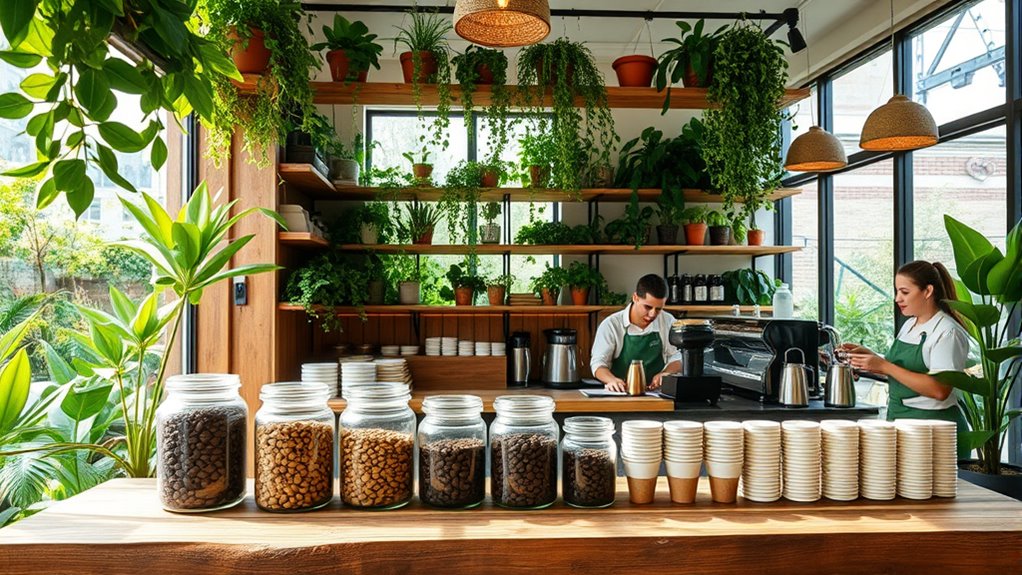
Ensuring ethical and transparent supply chains is crucial for building consumer trust and maintaining brand integrity. You can do this by focusing on:
- Certifications: Obtain third-party labels like Fair Trade or Rainforest Alliance to verify ethical practices.
- Traceability: Track each coffee lot from farm to cup, ensuring authenticity and ethical sourcing. Traceability systems are essential for verifying supply chain integrity, and adopting digital tracking tools can streamline this process. Implementing supply chain transparency practices can further reinforce consumer confidence. Leveraging certification standards can also help validate ethical claims and demonstrate commitment to sustainability.
- Supplier partnerships: Collaborate directly with farmers and cooperatives to promote fair wages and sustainable practices.
- Transparent communication: Share sourcing stories and sustainability efforts openly with customers to build confidence.
- Utilizing Vetted – Grobal World insights can further enhance your supply chain transparency by adopting globally recognized standards and practices.
Adapting to Market Trends and Consumer Preferences

As consumer preferences evolve, coffee shops must stay attuned to market trends to remain competitive and relevant. You need to understand that younger customers, especially Millennials and Gen Z, prioritize sustainability and ethical sourcing, often willing to pay premiums. Embrace digital tools like mobile ordering, loyalty apps, and personalized rewards to boost engagement and foster repeat business. Transparency on social media about sourcing practices and environmental initiatives enhances trust and brand loyalty. While taste remains a key driver, integrating sustainable options—such as eco-friendly packaging or plant-based menu items—can attract conscious consumers. Additionally, highlighting affiliate relationships and other innovative, eco-friendly transportation options can appeal to environmentally aware customers. Understanding IRA investing strategies can also inform financial planning for business sustainability and growth. Moreover, offering educational content about sustainable practices can help customers make informed choices and deepen their connection to your brand. However, you should also focus on convenience, making reusable options easy to access and use, and utilizing cookies and privacy policies to ensure customer data is handled responsibly. Staying adaptable to these trends ensures your café appeals to evolving consumer values and builds long-term loyalty.
Navigating Regulatory Frameworks and Industry Standards

Finding your way through regulatory frameworks and industry standards is essential for coffee shops aiming to operate sustainably and maintain compliance. Staying ahead means understanding and implementing key requirements. Here’s what you should focus on:
- Stay updated on local regulations, such as waste disposal, packaging laws, and energy efficiency standards.
- Obtain relevant certifications like Fair Trade, Organic, or B Corp to verify your sustainability efforts.
- Ensure supply chain transparency, providing traceability to meet growing consumer demand for ethical sourcing.
- Implement waste management practices aligned with regulations, including recycling, composting, and reusable packaging mandates.
- Incorporate sustainable Self Watering Plant Pots to promote eco-friendly aesthetics and water conservation in your café environment.
Frequently Asked Questions
How Can Small Cafes Afford Sustainable Certifications and Compliance Costs?
You can afford sustainable certifications and compliance costs by focusing on cost-effective strategies like sourcing locally and reducing waste, which lowers expenses. Seek grants, subsidies, or partnership programs that support sustainability efforts. Prioritize certifications that align with your budget and customer base, and gradually implement changes to spread out costs. Additionally, leveraging digital tools and community support can help offset expenses, making sustainability achievable without breaking the bank.
What Innovative Methods Can Reduce Water and Energy Use Effectively?
Imagine your café as a well-oiled machine, humming efficiently with less waste. You can install low-flow fixtures that sip water like a gentle stream, and switch to energy-efficient appliances that sip power like a cautious mouse. Using smart sensors and timers, you control usage seamlessly. These innovations act like a breath of fresh air, drastically reducing water and energy use while keeping your café lively and sustainable.
How Do Cafes Track and Verify Ethical Sourcing Across Complex Supply Chains?
You track and verify ethical sourcing by partnering with suppliers committed to transparency and certifications like Fair Trade or Rainforest Alliance. You use traceability systems, such as blockchain, to monitor each supply chain step, ensuring responsible practices. Regular audits and third-party assessments verify compliance, while transparent communication with consumers builds trust. By combining technology, certifications, and on-the-ground checks, you can confidently uphold ethical sourcing standards across complex supply networks.
What Strategies Boost Customer Participation in Sustainable Practices?
Are you making it easy for customers to join your sustainability efforts? You can boost participation by offering incentives like discounts for reusable cups, creating engaging social media campaigns showcasing your eco-friendly initiatives, and educating your patrons about the impact of their choices. Clear signage and convenient options make sustainable habits more accessible, encouraging repeat behavior. When you involve customers actively, they feel connected and proud to support your cafe’s green goals.
How Can Cafes Prepare for Changing Environmental Regulations Globally?
You can prepare for changing environmental regulations by staying informed on global policies and industry standards. Implement proactive measures like adopting reusable packaging, reducing waste, and sourcing locally to meet upcoming compliance. Invest in sustainable practices now, such as efficient resource management and transparency in your supply chain. Collaborate with industry groups, participate in certification programs, and train staff to guarantee your cafe remains compliant and competitive as regulations evolve.
Conclusion
To truly make your coffee shop sustainable, you need to integrate eco-friendly practices, prioritize community engagement, and guarantee transparency in your supply chain. Stay adaptable to market trends and comply with industry standards. Think of your café as a beacon of change, shining brighter than a thousand suns, inspiring others to follow your lead. Remember, every small step you take can transform your business into a powerhouse of sustainability, making a lasting impact on the world around you.