

TL;DR

Get coffee and tea gear delivered free with Prime
- Fast, free delivery on millions of items
- Prime Video, Amazon Music and more included
- Member-only deals all year
In 2026, several top-rated organic coffee subscription services stand out for their sustainability, fair trade practices, and convenience. These companies support small farmers and deliver high-quality beans directly to consumers, reshaping how coffee lovers enjoy their daily brew.
Several top-rated organic coffee subscription services have been named the best options for 2026, emphasizing sustainability, fair trade practices, and convenience. These services are gaining popularity among consumers seeking high-quality, ethically sourced coffee delivered directly to their homes, reflecting a shift toward more conscious consumption.
The list includes companies like Bean Box, Driftaway Coffee, and Trade, each offering unique features such as supporting small-scale farmers, using eco-friendly packaging, and providing customizable subscription options. Bean Box, for example, partners with artisan roasters across the U.S. and supports local small businesses, with subscriptions starting at $20 per month. Driftaway Coffee, a woman-owned business, emphasizes personalized tasting profiles and global sourcing, with prices beginning at $16 for an 8 oz. bag. Trade focuses on organic, sustainably sourced beans, with subscription prices starting at $22, and uses recycled packaging materials. All these services prioritize fair trade certification and sustainable farming practices, ensuring that farmers are paid fairly and that environmental impacts are minimized.
These subscription services are praised for their user-friendly interfaces, reliable delivery, and ability to customize orders, making it easier for consumers to enjoy freshly roasted, ethically sourced coffee. Many also offer virtual tastings and other educational experiences to deepen customer engagement with sustainable coffee practices.
Why Sustainable Coffee Choices Matter in 2026
Choosing an organic coffee subscription in 2026 supports environmentally friendly farming practices, fair wages for farmers, and reduced chemical use, which benefits ecosystems and local communities. For consumers, it means enjoying high-quality coffee while contributing to a more equitable and sustainable industry. As awareness of climate change and social justice grows, these subscriptions represent a tangible way for individuals to make a positive impact through their daily habits.
Products Worth Considering

KitchenAid 28 oz Cold Brew Coffee Maker, KCM4212

De'Longhi 3-in-1 Specialty Coffee Brewer, 8-Cup
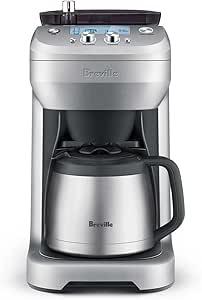
Breville Grind Control BDC650BSS Thermal Carafe Coffee Maker – Brushed Stainless Steel
As an affiliate, we earn on qualifying purchases.
The Rise of Ethical Coffee in the Subscription Market
Over recent years, consumer demand for ethically sourced and sustainable products has surged, leading to a boom in coffee subscription services emphasizing organic and fair trade practices. Companies like Bean Box, Driftaway, and Trade have emerged as leaders, offering transparent sourcing, eco-friendly packaging, and support for small farmers. The trend aligns with broader shifts toward sustainability in the food and beverage industry, driven by increased consumer awareness and climate concerns. Certification bodies such as Fair Trade and organic standards have become key indicators of quality and ethics, influencing purchasing decisions. The growth of these services reflects a commitment to transforming the coffee industry into a more equitable and environmentally responsible sector.
“Our mission is to connect consumers with small-scale farmers and ensure they receive fair compensation, all while delivering exceptional coffee.”
— Carlos Rodriguez, Founder of Trade Coffee
What Remains Unclear About 2026’s Top Coffee Subscriptions
While these companies are recognized for their sustainability and quality, it is not yet clear how they will adapt to potential future supply chain disruptions or changes in certification standards. Consumer preferences may also shift, influencing which services remain the most popular. Additionally, the long-term environmental impact of certain packaging materials or sourcing practices is still under review, and some smaller companies may face challenges scaling sustainably.
Upcoming Developments in Ethical Coffee Subscriptions for 2026
Expect continued innovation in sustainable packaging, greater transparency in sourcing, and expansion of personalized subscription options. Companies are likely to incorporate more virtual tastings, educational content, and loyalty programs to deepen customer engagement. Regulatory changes or new certifications could also influence industry standards, encouraging more brands to meet higher sustainability benchmarks. Consumers can anticipate more options that combine convenience, quality, and ethical practices as the market evolves throughout 2026.
Key Questions
How do I know if a coffee subscription is truly sustainable?
Look for certifications such as Fair Trade, USDA Organic, or Rainforest Alliance, and review the company’s sourcing and packaging practices. Transparency about partnerships with small farmers and environmental initiatives is also a good indicator.
Are organic coffee subscriptions more expensive than regular coffee?
Generally, organic and fair trade coffees tend to cost more due to higher production standards and ethical sourcing. However, many subscriptions offer affordable tiers starting around $16–20 per month for regular-sized bags.
Can I customize my coffee preferences in these subscriptions?
Yes, most top services like Driftaway and Bean Box allow you to personalize your profile based on roast level, flavor preferences, and frequency of delivery, ensuring a tailored experience.
What are the environmental benefits of choosing organic coffee?
Organic coffee is grown without synthetic pesticides and fertilizers, which helps preserve soil health, protect water sources, and support biodiversity in coffee-growing regions.
Will these subscriptions help small farmers and communities?
Yes, most of these companies emphasize fair trade and direct trade practices, ensuring farmers receive fair compensation and invest in sustainable farming methods that benefit local communities.
Source: rss