
TL;DR

Get coffee and tea gear delivered free — and shop member deals
- Fast, free delivery on millions of items
- Access to Prime Big Deal Days deals on October 6–7
- Prime Video, Amazon Music and more included
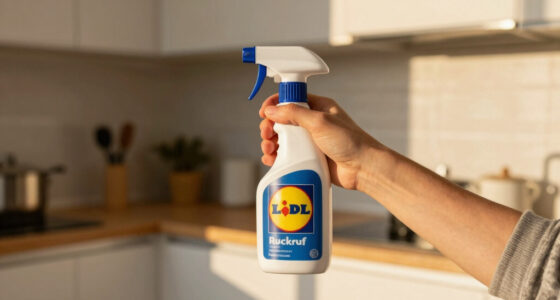
Claims that food recalls rose 400 percent in 2026 are misleading. While the number of recall events remained nearly identical to 2025, the volume of recalled units increased dramatically due to global supply chain consolidation. Experts urge better traceability and communication rather than panic.
Recent viral claims that food recalls increased by 400 percent in 2026 are misleading, according to an analysis by Roger Hancock, CEO of Recall InfoLink. While the frequency of recall events remained statistically flat compared to the previous year, the scale of affected units surged dramatically, exposing vulnerabilities in global supply chain traceability rather than a collapse in food safety standards.
The widely circulated statistic originated from social media posts rather than official regulatory reports. Hancock noted that the claim lacked a verifiable source, yet it spread rapidly because it aligned with public perception during a period of high-profile incidents. Detailed data from the first half of 2026 shows that regulators recorded 1,634 recalls, a negligible difference from the 1,636 recalls recorded during the same period in 2025, similar to recent incidents like when MorningStar Farms voluntarily recalled some frozen nuggets and sausage patties for possible plastic contamination. This stability indicates that the rate at which safety issues are detected has not changed significantly.
However, the impact of these recalls has intensified. The number of recalled units jumped from 211.2 million in the first half of 2025 to 941.2 million in the first half of 2026. This nearly fivefold increase in volume is the likely source of the exaggerated percentage claim. The surge is attributed to complex, global supply chains where a single contamination event at a major supplier can ripple across dozens of retail brands and restaurant chains simultaneously.
A specific example cited is the Cyclospora contamination in lettuce this summer. A single international supplier distributed tainted lettuce that reached Taco Bell locations and multiple grocery store brands nationwide. This illustrates how supply chain consolidation means one issue now has a much wider footprint than it did a decade ago, requiring different solutions focused on rapid identification and clear consumer communication.
Traceability Gaps Drive Consumer Anxiety
The distinction between frequency and scale is critical for consumer safety and industry response. If recalls were happening more often, the focus would be on prevention protocols and internal food safety culture. Because the issue is scale, the priority shifts to traceability systems and communication practices. Consumers need to know exactly which products are affected to avoid unnecessary panic or, conversely, to take appropriate action.
When a large supplier contaminates a product, the breadth of distribution means more people are potentially at risk, but also that the system is catching issues before they cause widespread harm. The real danger lies in information gaps. If companies cannot quickly identify affected batches or communicate clearly, consumers are left guessing. This uncertainty fuels the spread of inaccurate information on social media, which can cause more harm than the original contamination event.
As an affiliate, we earn on qualifying purchases.
The “Summer of Recalls” in 2026 was marked by several high-profile incidents that captured public attention. In this environment, a social media creator claimed to have read that recalls were up 400 percent, though they did not cite a specific report. The claim resonated because it validated existing consumer fears. The viral nature of such claims often outpaces official data releases, creating a reality gap where perception diverges from statistical reality.
Hancock emphasized that while the 400 percent figure was not necessarily incorrect in its raw calculation of unit volume, it was contextually misleading when applied to the general concept of “recalls.” The industry has made progress in both prevention and response, but the globalized nature of food production means that single points of failure now have amplified consequences. This structural change requires updated regulatory and corporate strategies focused on agility and transparency.
“The number of recalls hasn’t changed much: regulators recorded 1,634 recalls in the first half of 2026, compared to 1,636 during the same period last year.”
— Roger Hancock, CEO of Recall InfoLink
Communication Speed Remains Inconsistent
It is not yet clear how consistently companies are meeting the standard for rapid, specific communication. While some firms have improved their traceability capabilities, others still struggle to provide clear product identifiers that allow consumers to easily determine if their specific items are affected. The extent to which supplier cooperation is improving remains a variable factor. Additionally, the long-term impact of these large-scale recalls on consumer trust and regulatory policy is still unfolding.
Industry Focus Shifts to Rapid Response
The food industry is expected to continue investing in digital traceability tools that can map products from source to shelf in real time. Regulatory bodies may also scrutinize communication protocols more closely, potentially mandating faster disclosure timelines. Consumers are advised to rely on official agency alerts and direct company statements rather than social media anecdotes. As supply chains continue to consolidate, the ability to isolate affected batches quickly will become the primary metric for effective recall management.
Key Questions
Did food recalls actually increase by 400 percent in 2026?
No. The number of recall events remained stable, with 1,634 in 2026 compared to 1,636 in 2025. The 400 percent figure referred to the increase in the volume of recalled units, not the frequency of incidents.
Why are recalls affecting so many more products now?
Global supply chains are more consolidated. A single contaminated ingredient from a major supplier can end up in products sold by dozens of different brands and restaurant chains, amplifying the scale of a single recall event.
Should consumers stop buying certain foods?
Not necessarily. Large recalls do not mean the entire food supply is unsafe. Consumers should check official recall notices for specific lot numbers or UPC codes rather than avoiding entire categories of food based on general fear.
What is Cyclospora and why was it in the news?
Cyclospora is a parasite that can contaminate fresh produce like lettuce. This summer, a contamination event linked to an international supplier affected multiple brands, illustrating how supply chain issues can lead to widespread recalls.
Source: rss
Halloween Picks
halloween
As an affiliate, we earn on qualifying purchases.