
TL;DR
A Good Housekeeping dietitian says sandwiches can be a practical way to add protein to lunch, with options ranging from chicken and tuna to chickpeas. Her suggestions pair protein-rich fillings with higher-fiber bread, vegetables and other ingredients; the source cites CDC data but does not give the figures or study details.
A Good Housekeeping dietitian has shared a formula for making a protein-rich sandwich, pairing fillings such as chicken, tuna, eggs or chickpeas with vegetables and higher-fiber bread. The report says recent CDC data identify sandwiches as a major contributor to Americans’ protein intake, though it does not provide the data’s figures, time period or comparison details.

Get coffee and tea gear delivered free with Prime
- Fast, free delivery on millions of items
- Prime Video, Amazon Music and more included
- Member-only deals all year
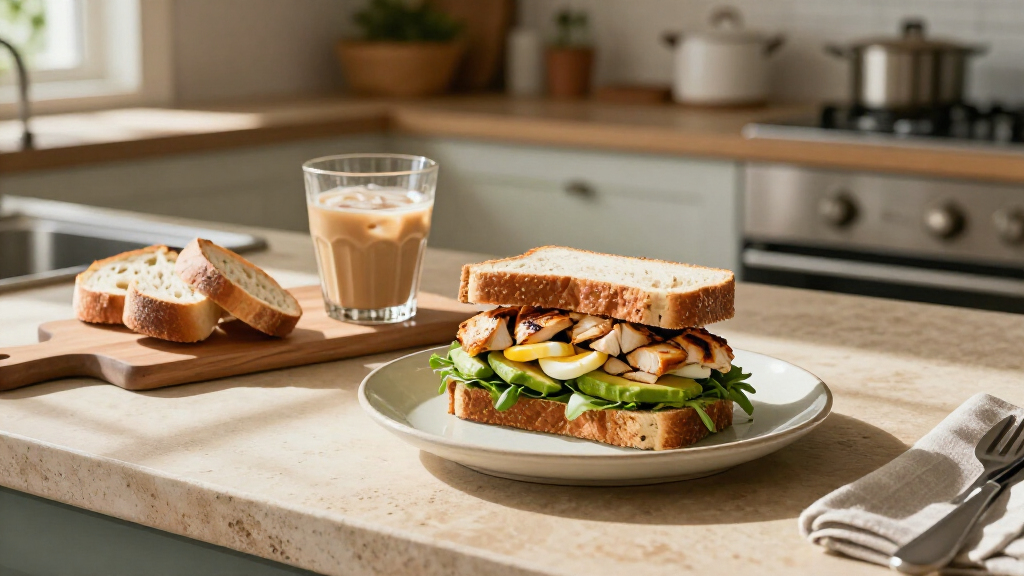
The dietitian’s starting point is a protein-rich filling. She names chicken salad and tuna salad as favorites, and says she sometimes uses Greek yogurt or cottage cheese in place of mayonnaise. Chopped or grated hard-boiled eggs can be added to the salad for more protein. The report presents these as her personal suggestions, not as a prescribed plan or a quantified nutrition comparison.
She recommends building flavor and variety around the filling with ingredients such as avocado, cucumber, tomato and leafy greens. Sprouted grain bread is one option she suggests; a high-protein wrap, including a cottage cheese or egg wrap, is another. Cheese can add more protein and flavor, and she sometimes serves a sandwich with lentil soup as a side.
The report also offers alternatives to poultry. Tuna, eggs and steak can serve as sandwich fillings, while leftover steak can be paired with arugula and available vegetables. For a plant-based option, the dietitian suggests mashing chickpeas with lemon juice, salt, pepper and plain Greek yogurt, then adding dill, celery, shallots and Dijon mustard. Vegan mayonnaise can replace the yogurt. Hummus or avocado spread and a side of bean soup are additional options.
Making Lunch More Filling
The suggestions frame a sandwich as a meal that can combine protein, fiber and produce without relying on a shake, bar or specialized recipe. The dietitian argues that adding vegetables, greens and a higher-fiber bread or wrap can make lunch more varied. Avocado contributes fiber and fats, while cucumber and greens add crunch and volume, according to the report.
That approach gives readers several ways to adapt a familiar meal to different ingredients and preferences, including a plant-based chickpea filling. The report does not state how much protein any one sandwich provides, however, so readers cannot use its examples to compare specific recipes or determine whether a meal meets an individual nutrition target.
Products Worth Considering

Vitamix Nano Personal Blender with SmoothiePilot, Black

Instant Pot Pro Plus 6-Quart 10-in-1 Electric Pressure Cooker

Vitamix VX1 Professional-Grade Blender, 64 oz, Black
As an affiliate, we earn on qualifying purchases.
Sandwiches in Americans’ Diets
The Good Housekeeping report opens with a claim about CDC data: sandwiches are among the biggest contributors to Americans’ protein intake. It gives no underlying table, sample, date range or definition of “sandwich,” and the supplied material does not include a direct CDC statement. The claim is consequently attributable to the report, while its precise scale cannot be assessed from the information provided.
The dietitian’s recommendations are organized around three ideas: begin with a protein-containing filling, consider options beyond chicken and turkey, and include fiber-rich ingredients. Her examples range from animal-based fillings to chickpeas and bean soup. She also emphasizes that a sandwich need not be complicated to serve as a balanced lunch, while taste and personal preference remain part of choosing ingredients.
CDC Figures Not Provided
The source material does not include the CDC figures behind its statement about sandwiches and protein intake. It is unclear what period the data cover, how protein sources were categorized, how large sandwiches’ contribution was, or what other foods were compared. The report also gives no protein totals for its suggested sandwiches, and it does not identify the dietitian by name in the supplied text.
The examples are recommendations from one dietitian, not evidence that every sandwich described has the same nutritional profile. Ingredients, bread type and portion sizes can change a meal’s protein and fiber content. The report does not specify quantities or provide calculations for its recipes.
Checking the Data and Portions
Readers seeking the precise national protein figures would need to consult the underlying CDC data or a fuller report that identifies the dataset, time period and measurements. The supplied article does not say whether additional data or updates are expected.
For someone applying the suggestions, the next practical step is to choose a filling, add vegetables or greens, and select bread or a wrap that fits their preferences. The source provides ingredient ideas rather than a measured nutrition plan; specific protein amounts would require recipe quantities and product nutrition information.
Key Questions
What is the dietitian’s basic formula for a high-protein sandwich?
Start with a protein-rich filling such as chicken salad, tuna, eggs or chickpeas. Add ingredients such as vegetables and greens, and consider higher-fiber bread or a wrap. The report does not give a fixed recipe or protein target.
What can replace mayonnaise in chicken or tuna salad?
The dietitian suggests Greek yogurt or cottage cheese. For her chickpea salad, she says vegan mayonnaise can replace Greek yogurt. The report does not compare their nutrition values.
What is the plant-based sandwich option?
The report suggests mashed chickpeas mixed with lemon juice, salt, pepper and plain Greek yogurt or vegan mayonnaise, with dill, celery, shallots and Dijon mustard. Hummus or avocado spread can be added to the bread.
How much protein does one of these sandwiches provide?
The source gives no protein totals. Amounts would depend on the recipe, ingredient quantities, bread or wrap and serving size.
Source: rss