TL;DR

Get coffee and tea gear delivered free with Prime
- Fast, free delivery on millions of items
- Prime Video, Amazon Music and more included
- Member-only deals all year
Sour food and beverage sales grew 10.8% in dollar terms over the last year, with convenience stores seeing a 5.5% increase. Experts suggest retailers organize sour assortments into core, growth, and discovery categories to maximize revenue. Emerging flavors like sour blue raspberry and black cherry are driving new product development in the channel.
Convenience stores are accelerating their adoption of sour flavors to capture a growing segment of the retail market, according to recent industry data. While sour products have long been a staple in candy aisles, sales growth across all retail channels reached 10.8% in dollar terms for the 52 weeks ending Aug. 9, prompting c-store operators to refine their assortments. Experts note that while the trend is mature, specific sub-categories like energy drinks and nonchocolate candy are experiencing significant momentum.
Data from Circana indicates that sour food and beverage sales increased by 6.9% in units overall, with convenience stores specifically seeing a 5.5% rise in dollar sales and a 1.5% increase in units. Nonchocolate candy remains the dominant category in c-store sour sales, accounting for approximately 64% of dollar sales, followed closely by energy drinks. Sally Lyons Wyatt, global executive vice president at Circana, described the trend as “mature” but highlighted “active pockets of growth and re-invention” within the category.
7-Eleven confirmed that consumer interest remains strong, driven by shoppers seeking “bolder flavor experiences” and sensory excitement. The retailer noted that while Slurpee drinks have served as a platform for sour innovation, the flavor profile is also resonating across their candy portfolio. Specific products such as 7-Select Sour Neon Gummi Worms and freeze-dried candy varieties have maintained popularity. However, not all sour products perform equally; while certain sour gummies have seen declines, newer variants like sour black cherry are gaining traction.
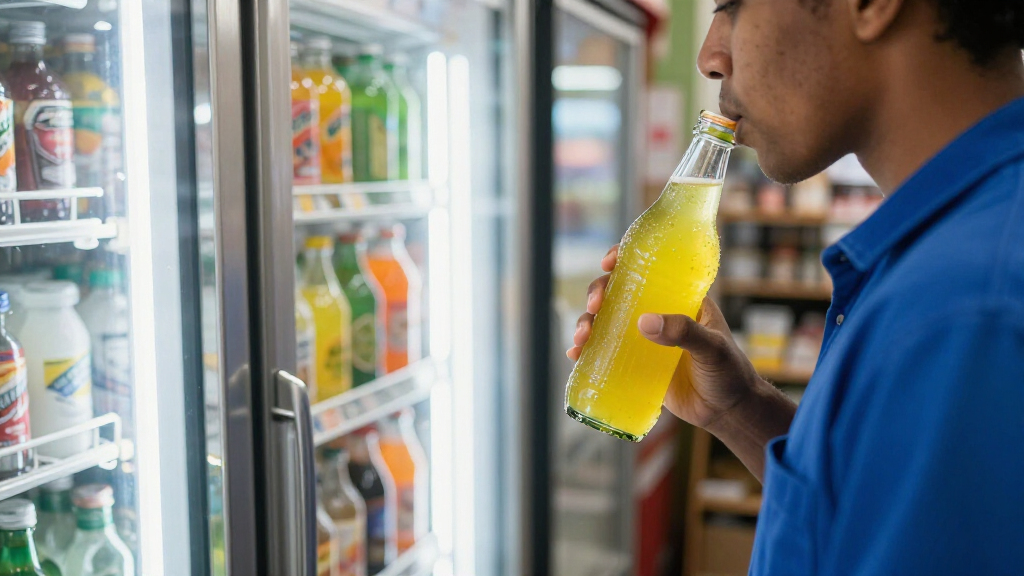
The fastest-growing sour flavor in c-stores is sour blue raspberry, which surged 33% in the past year. This growth is partly driven by the expansion of sour profiles into the energy drink category. Wawa has integrated tart cherry syrup into its Shark Splash Lemonade, offering customers a customizable option. Emily Murawski, a research manager at Datassential, noted that such innovations allow c-stores to put an “unexpected twist” on familiar products, appealing to adventurous consumers.
Strategic Merchandising for Revenue Growth
The shift toward sour flavors represents a significant opportunity for convenience store operators to differentiate their offerings in a crowded market. Because c-stores rely on immediate consumption, sour products serve as effective impulse buys that encourage secondary purchases. Lyons Wyatt emphasized that sour is “definitely an important part of the story” for this channel due to its ability to drive engagement and repeat visits.
By organizing assortments into core (proven formats), growth (emerging winners like black cherry), and discovery (limited editions and cross-category innovations), retailers can better manage inventory and maximize shelf impact. Merchandising strategies, such as placing complementary candy and beverage flavors together in secondary displays, can further boost sales. Lyons Wyatt suggested using simple signage like “sweet,” “sour,” or “extreme” to guide consumer choices and highlight flavor connections.
Evolution of Sour in Retail Categories
Sour has evolved from a niche candy preference to a broad flavor profile spanning beverages, snacks, and desserts. While initially dominated by traditional sour gummies and hard candies, the trend has expanded into energy drinks and salty snacks, with flavors like dill pickle beginning to infiltrate the latter category. This cross-category experimentation is particularly suited to c-stores due to their smaller footprint and wide assortment capabilities.
Historically, sour was associated with novelty and shock value. However, current trends indicate a move toward complex flavor layering, such as combining sour with spicy or tropical notes. Datassential Menucast ranks sour in the 85th percentile for future growth potential, predicting it will outperform 85% of other foods and ingredients over the next four years. This projection underscores the long-term viability of the trend beyond immediate fads.
“Consumer interest in sour candy continues to be strong, driven by shoppers who are seeking bolder flavor experiences, sensory excitement and products that deliver an element of surprise.”
— 7-Eleven Inc.
Performance Variability Among Sour Products
Despite overall growth, performance varies significantly among different sour products. While some categories like sour blue raspberry are surging, other segments, such as certain sour gummy products, have experienced declines in c-stores. It is not yet clear which specific sub-flavors will sustain long-term growth versus those that may fade as consumer preferences shift. Additionally, the extent to which salty snacks will adopt sour profiles like dill pickle remains to be seen, as this is a newer and less established trend within the channel.
Future Innovation and Category Expansion
Retailers are expected to continue experimenting with hybrid flavors and cross-category pairings to maintain consumer interest. Lyons Wyatt recommended that operators focus on visible merchandising to connect candy and beverage flavors, such as placing sour energy drinks in cold vaults alongside complementary candies. Future innovations may include more spicy-sour combinations and the use of chamoy or pickle flavors in unexpected formats. As the trend matures, c-stores that effectively balance core staples with discovery items are likely to capture the most value.
Key Questions
Which sour flavor is growing fastest in convenience stores?
Sour blue raspberry is the fastest-growing c-store flavor, surging 33% in the past year according to Circana data.
What is the dominant category for sour sales in c-stores?
Nonchocolate candy accounts for about 64% of dollar sales in the sour category within convenience stores, followed by energy drinks.
How should retailers organize their sour product assortment?
Experts suggest dividing assortments into three roles: Core (proven formats), Growth (emerging winners), and Discovery (limited editions and innovations).
Is the sour trend expected to continue growing?
Yes, Datassential Menucast ranks sour in the 85th percentile for future growth potential, predicting it will outperform most other foods and ingredients over the next four years.
Source: rss
Fall Picks
fall essentials
As an affiliate, we earn on qualifying purchases.