
TL;DR
A VinePair report asked five New York City hospitality operators what it takes to run a successful bar in the current market. Their responses emphasize an inviting room, attentive service, distinctive beverage programs and pricing that makes guests feel welcome, amid high operating costs and signs that customers are spending less on alcohol.
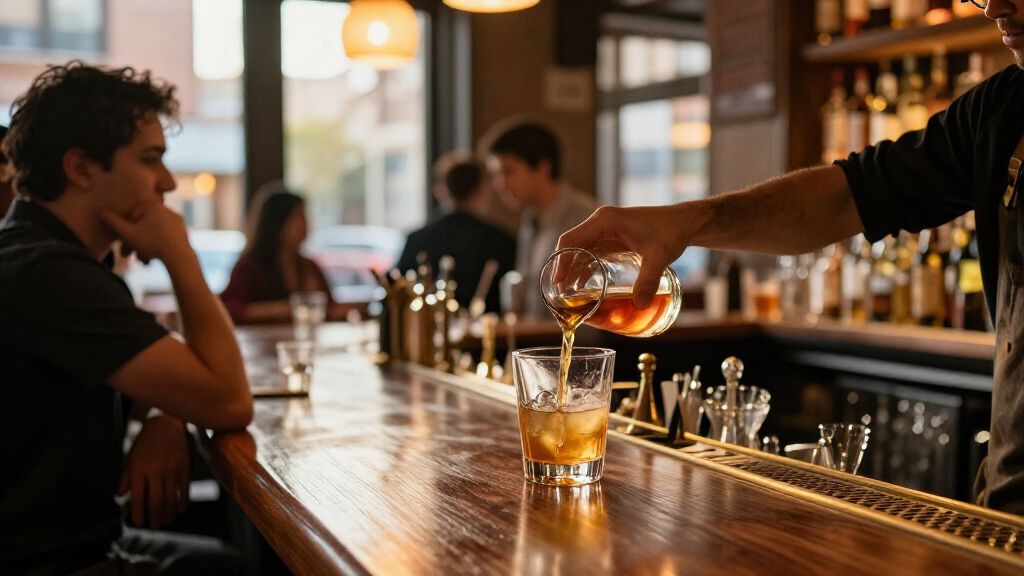
Five New York City bar operators told VinePair that success in the city’s crowded hospitality market depends on more than what is served: they pointed to welcoming spaces, thoughtful beverage programs, attentive service and perceived value. Their comments describe the strategies they use as high rents and rising costs meet customers who are increasingly careful about spending on drinks.

Get coffee and tea gear delivered free with Prime
- Fast, free delivery on millions of items
- Prime Video, Amazon Music and more included
- Member-only deals all year
The operators interviewed by VinePair include Chase Sinzer, owner of Claud, Penny and Stars, and Annie Shi, owner of Lei and a partner in King, Jupiter and Dean’s. The supplied report identifies three other operators but does not include their names or comments in the material provided. Sinzer said Stars works to make its small space feel warm and approachable, while continually updating a wine program intended for both experienced drinkers and casual visitors.
Sinzer described affordability as part of that approach. Stars highlights a section of 88 bottles priced under $88, which he said helps guests feel comfortable and offers a range of price points. He also characterized the work as ongoing, saying operators should recognize success while continuing to scrutinize and improve their businesses.
Shi said guests looking for a night out expect the full experience to justify the expense, including lighting, music, atmosphere and service, as well as the drinks. At Lei, she said, fairly priced bottles and staff recommendations are intended to help more guests feel confident ordering wine. She described the wine team’s tasting and search for appealing wines beyond better-known, increasingly costly regions as one way to offer value.
How Bars Compete for Spending
The comments offer a view of how operators are responding to a difficult balance: guests still expect a memorable outing, but the cost of running a bar and the price of drinks can make that outing harder to justify. The operators’ examples suggest that value does not mean price alone. It can also mean a room that feels welcoming, service that helps guests choose confidently, and a beverage list with options at different price levels.
That matters to readers as customers and to people working in hospitality. A bar’s choices about pricing, staffing, ambience and product selection affect what guests pay and what kind of experience they receive. The report records operators’ perspectives, rather than measuring whether any particular strategy improves profitability or customer retention.
Products Worth Considering

Le Creuset Stainless Steel Roasting Pan with Nonstick Rack, 16.25 x 13.25 in

Le Creuset Toughened Nonstick PRO Fry Pan Set, 2-Piece

Le Creuset Heritage Rectangular Stoneware Baking Dish Set, 3-Piece, Marseille
As an affiliate, we earn on qualifying purchases.
New York’s High-Cost Bar Market
VinePair frames New York City as a market with a large, diverse customer base and substantial competition across its five boroughs. It also points to small storefronts, high rents, labor costs and ingredient expenses as pressures for bars and restaurants. Operators compete not only with nearby venues but with the city’s broad range of established hospitality businesses.
The report also describes customers as watching their spending and cutting back on alcohol purchases while dining out. Against that backdrop, beverage programs may no longer be able to rely on customers spending freely on drinks. The source gives no citywide sales figures or financial data, so the scale of that shift cannot be quantified from the material supplied.
““Our 88 bottles under $88 section has also been a big calling card for Stars.””
— Chase Sinzer, owner of Claud, Penny and Stars, as quoted by VinePair
What the Report Does Not Measure
The supplied excerpt does not include the full views of all five operators, nor does it provide the report’s publication date. It also offers no sales, rent, labor-cost or customer-spending data to test how widespread the pressures described are. Operators’ accounts of pricing and guest experience are their own assessments; the source does not establish that these approaches guarantee business success or produce a specific financial result.
Shi’s comparison of white Burgundy prices between 2016 and 2026 is presented as her account of the increase she has observed. The supplied material does not identify the wines or provide an independent price series, so it should not be treated as a marketwide measure.
How Operators Adapt Their Offers
The report describes ongoing work rather than a single new policy or announced business change. Sinzer said Stars continues to develop its room and beverage selection; Shi described continued tasting and attention to pricing as part of Lei’s wine program. The supplied material does not name a coming launch, deadline or next milestone.
For readers following New York’s hospitality scene, the relevant developments to watch are how bars adjust their drink lists, prices and service as costs and customer habits change. The report provides operators’ current thinking, but further financial or customer data would be needed to judge which approaches are producing lasting results.
Key Questions
What did the five operators say helps a New York City bar succeed?
In the material supplied, operators emphasize a welcoming atmosphere, strong service, carefully selected drinks and prices guests consider fair. The excerpt includes detailed comments from two of the five operators.
How does Stars make its wine list more accessible?
Owner Chase Sinzer said Stars features 88 bottles priced under $88, alongside a broader wine program designed for both experienced guests and casual visitors.
Why does Lei focus on bottle pricing and wine recommendations?
Annie Shi said Lei aims to help guests feel comfortable ordering a bottle and to find wines that taste good at reasonable prices. She described the wine team’s repeated tasting as part of that effort.
Does the report show which strategy is most profitable?
No. The supplied report excerpt shares operators’ views and examples, but includes no comparative financial results showing that one approach generates more profit or guarantees a bar’s success.
Source: vinepair.com