
Coffee pod machines may seem handy, but they harm the environment with tons of waste that take centuries to decompose. The capsules often end up in landfills, releasing toxic chemicals and consuming lots of resources to produce. Their high energy use increases your carbon footprint compared to traditional brewing methods. Switching to reusable or eco-friendly options can make a big difference—if you want to know more about greener coffee choices, stay tuned.
Key Takeaways
- Coffee pod machines generate significant waste, contributing to environmental pollution due to single-use capsules that take centuries to decompose.
- They often rely on non-biodegradable plastics and aluminum, which can leach harmful chemicals during production and disposal.
- Recycling infrastructure is limited, with most capsules ending up in landfills, making the environmental impact worse.
- Manufacturing and transportation of pods consume high amounts of energy, increasing the machine’s overall carbon footprint.
- Alternative brewing methods like French press or reusable filters offer more sustainable, eco-friendly coffee options.
The Environmental Impact of Coffee Pods

Coffee pods may seem convenient, but their environmental impact is significant. Every year, 56 billion pods fill landfills globally, enough to circle the Earth 57 times if laid end-to-end. These capsules generate around 576,000 metric tons of waste annually, roughly the weight of 4,400 school buses. Most pods take up to 500 years to decompose, and plastic ones can leach harmful chemicals into soil and water as they break down. Producing aluminum pods consumes double the energy of plastic and creates toxic waste. Sadly, recycling rates stay low—only about 9% of plastics are recycled in the US—due to limited infrastructure and consumer awareness. This waste contributes to pollution, greenhouse gases, and resource depletion, making coffee pods a less eco-friendly choice than you might think. Additionally, many pod designs lack recyclability features, further complicating waste management efforts.
The Reality of Recycling Coffee Capsules

Despite the availability of recyclable coffee capsules, the reality is that most end up in landfills due to low recycling rates and widespread consumer confusion. Only about 9% of plastics from municipal waste get recycled in the U.S., and many people don’t know how to properly prepare capsules for recycling. Often, recycling facilities don’t accept coffee pods, and consumers neglect to remove lids or empty grounds. As a result, millions of capsules are discarded improperly, contributing to massive waste—over 56 billion capsules annually—most of which take up to 500 years to decompose. This inefficient recycling process means that despite efforts to create recyclable options, the vast majority of capsules still end up polluting land and water, fueling environmental harm rather than reducing it. Additionally, recycling infrastructure remains inadequate to handle the volume of capsules discarded each year, further limiting effective waste management. Improving waste management systems is essential to address these environmental challenges, especially considering the environmental impact of plastic waste from single-use products.
Long-Term Decomposition and Chemical Risks
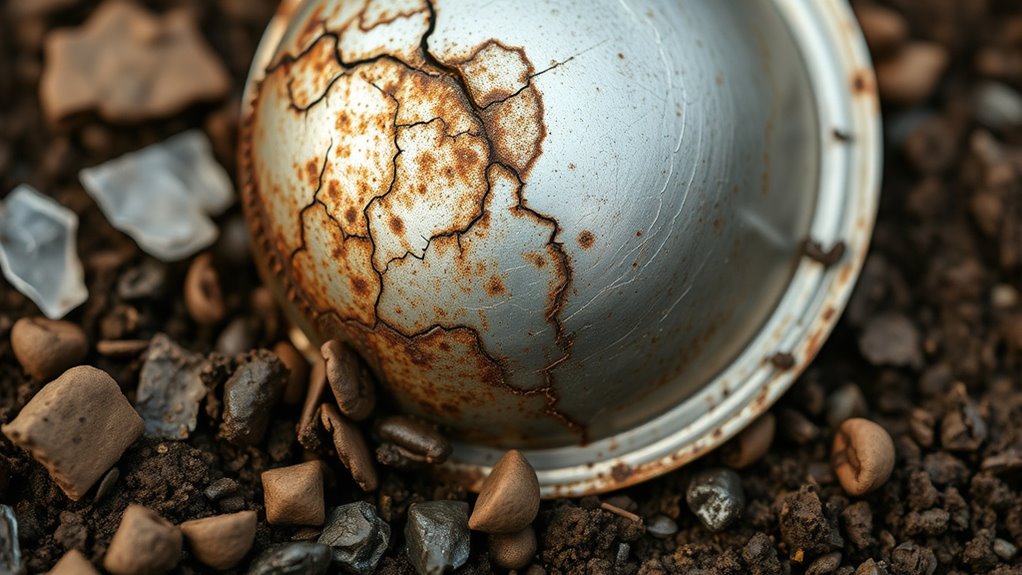
Because coffee pods are often made from non-biodegradable plastics or aluminum, they can persist in landfills for hundreds of years. Plastic pods, mainly polypropylene, don’t break down easily and may release harmful chemicals into soil and water as they degrade over centuries. Plastic waste from these pods can contribute significantly to environmental pollution, impacting ecosystems worldwide. Aluminum pods generate toxic red mud during production, which can leach into nearby environments if not properly managed. Chemical leaching becomes a real concern, especially when plastics break down and release additives or residual caffeine into ecosystems. These substances can contaminate groundwater and harm wildlife. Plus, the slow decomposition means these materials clog landfills, releasing persistent pollutants. Additionally, the headphone connection involved in manufacturing and disposing of coffee pods contributes to environmental pollution, highlighting the importance of considering sustainable alternatives. Furthermore, the long-lasting waste can accumulate in ecosystems, exacerbating pollution problems over time. The environmental impact of these materials underscores the urgent need for eco-friendly packaging solutions. Over time, the chemical risks and long-lasting waste contribute profoundly to environmental degradation, making single-use coffee pods an increasingly problematic choice for eco-conscious consumers.
The Resource Intensity of Pod Production

The production of coffee pods demands considerably more resources and energy than traditional brewing methods. Aluminum and plastic pods require intensive mining and manufacturing processes. Aluminum production, for instance, consumes double the energy of plastic, generates significant waste, and causes environmental harm. Mining bauxite for aluminum creates 10-12 tons of waste per ton of metal, damaging ecosystems and communities. The global coffee capsule market, valued at over $29 billion, accelerates this resource use. Additionally, the environmental footprint of these materials extends beyond manufacturing, contributing to pollution and ecological degradation. Moreover, the energy consumption involved in manufacturing and transporting these pods further amplifies their environmental impact.
Carbon Footprint Comparison With Traditional Brewing

When comparing the carbon footprint of coffee brewing methods, you’ll find that traditional filter coffee often produces fewer emissions than pod machines. Although pods generate about 33 grams of CO2 per use, brewing with a drip filter or mocha can lower that number considerably. Ultimately, choosing your brewing method can make a meaningful difference in reducing your environmental impact.
Emissions of Coffee Brewing
Ever wonder how different brewing methods compare regarding their environmental impact? When you brew coffee, emissions mainly come from energy use and waste. Traditional drip or filter brewing often uses more electricity to heat water, but it produces less waste overall. Coffee pods, especially single-use types, generate substantial emissions during manufacturing, transportation, and landfilling. A single pod can produce about 33 grams of CO2 equivalent, while brewing with a filter cup can be comparable or slightly higher in emissions due to longer heating times. Interestingly, some studies show that traditional brewing methods can emit 1.5 times fewer greenhouse gases than pod systems. Overall, brewing choices influence your carbon footprint, and opting for reusable filters or pour-over methods can considerably reduce emissions. Additionally, the energy consumption of different brewing methods plays a significant role in their environmental impact. Recognizing the lifecycle emissions and the sustainable practices involved in each method can lead to more environmentally friendly coffee habits. Incorporating appliance efficiency into your selection process further enhances your eco-conscious approach.
Furthermore, the use of energy-efficient appliances can significantly lower your overall environmental footprint when brewing coffee.
Pod vs. Traditional Methods
While coffee pods are convenient, they often have a higher carbon footprint than traditional brewing methods. Pod machines require manufacturing, packaging, and waste disposal that contribute considerably to emissions. In contrast, brewing with a drip filter or French press uses minimal packaging and less energy. For example, a single-use pod generates about 33 grams of CO2 equivalent, mainly from production and landfill waste, whereas traditional methods typically produce fewer emissions overall. Although they may consume more electricity heating water, their environmental impact is generally lower because they avoid the massive waste and resource-intensive production associated with pods. Plus, traditional brewing methods often involve reusable filters, further reducing waste. Additionally, the environmental impact of using reusable methods is significantly less, helping to minimize overall carbon emissions. Choosing these alternatives helps cut down on unnecessary emissions and waste, making your coffee habit more eco-friendly.
Hidden Costs of Convenience and Waste

You might think convenience saves time, but it often hides significant environmental costs. Coffee pods generate massive waste, with many ending up in landfills and taking centuries to decompose, while recycling options remain limited. The resources needed to produce these pods—like energy and raw materials—add up quietly, making the true cost of convenience more expensive than it seems. Additionally, the efficiency of heat pumps in heating and cooling applications demonstrates how embracing sustainable technology can reduce environmental impact and long-term costs. Recognizing the environmental footprint of single-use coffee pods encourages consumers to explore more sustainable brewing alternatives that minimize waste and resource consumption. Moreover, understanding the recycling limitations of these pods highlights the importance of choosing eco-friendly options whenever possible. Implementing sustainable practices in daily routines can further mitigate environmental consequences associated with disposable products.
Environmental Impact of Waste
The convenience of single-use coffee pods masks their true environmental cost, as they generate massive waste that persists for centuries. Every year, about 56 billion capsules end up in landfills, weighing roughly 576,000 metric tons—equivalent to over 4,400 school buses. Plastic pods can take up to 500 years to decompose, releasing harmful chemicals as they break down. Aluminum pods produce toxic red mud during manufacturing, and the energy-intensive process of production adds to environmental harm. Recycling rates remain low—only around 9% in the U.S.—due to limited infrastructure and consumer confusion. This waste contributes markedly to greenhouse gas emissions, with some studies showing that brewing with pods can produce similar or higher emissions than traditional methods. The use of best CAD papers to optimize packaging could help develop more sustainable container solutions that reduce waste. Investing in innovative packaging technologies is essential for minimizing environmental degradation and resource depletion. Additionally, promoting reusable alternatives can significantly decrease the reliance on disposable pods, further mitigating environmental harm. Advanced recycling methods could help recover materials more effectively and reduce landfill waste. Enhancing consumer awareness about recycling practices is crucial to improve collection rates and reduce landfill contributions. Avoiding these pods helps reduce environmental degradation and resource depletion.
Recycling Challenges Persist
Despite the widespread availability of recycling programs, coffee pod recycling remains a significant challenge due to limited infrastructure and consumer confusion. You often don’t know whether to rinse, remove lids, or compost the pods. Here are three key issues:
- Limited recycling facilities – Many local centers don’t accept coffee pods, making recycling inconsistent.
- Low consumer awareness – People aren’t always sure how to recycle or dispose of pods properly.
- Low recycling rates – Despite claims of recyclable materials, only a small percentage actually get recycled, with estimates as low as 9% in some regions.
This results in millions of pods ending up in landfills each year, contributing to environmental waste and pollution. The convenience of single-use pods comes with hidden costs often overlooked.
Hidden Resource Costs
Opting for single-use coffee pods might seem convenient, but it masks a hidden resource cost that’s often overlooked. Manufacturing these pods demands significant raw materials, like aluminum and plastic, which require energy-intensive extraction and processing. Aluminum production, for instance, uses twice as much energy as plastic and generates tons of waste and chemical byproducts, some toxic. Additionally, the production process consumes vast water resources and contributes to deforestation and pollution in mining regions. Despite efforts to improve recyclability, most pods still end up in landfills, taking centuries to decompose and leaching harmful chemicals into soil and water. The hidden resource costs extend beyond waste, impacting ecosystems and climate through high energy use and resource extraction, making these pods far less eco-friendly than they appear.
Alternatives to Single-Use Coffee Systems

Switching to alternative brewing methods can considerably reduce the environmental impact of your coffee routine. You have several options that are both eco-friendly and cost-effective.
Opt for eco-friendly brewing methods like pour-over, French press, or cold brew to reduce waste and lower your carbon footprint.
- Pour-over or drip coffee makers – Use reusable filters and grind your own beans for minimal waste.
- French press – No filters needed, and you can reuse the press indefinitely.
- Cold brew – Prepare in larger batches, reducing daily energy use and waste.
These methods eliminate single-use pods, which often contribute to landfill waste and chemical leaching. They also typically require less energy and resources, especially when combined with reusable filters or containers. By choosing these alternatives, you cut down on packaging waste and lower your overall carbon footprint while enjoying great coffee.
How Consumer Choices Affect the Environment

Your choices as a consumer directly impact the environment, especially through the products you buy and how you dispose of them. Opting for coffee pod machines contributes to massive waste, with over 56 billion capsules ending up in landfills annually. Many pods are made from non-biodegradable plastics or aluminum, which can take centuries to decompose and release harmful chemicals. Recycling rates remain low because consumers often don’t know how to dispose of pods properly, and local recycling facilities may not accept them. Additionally, producing these pods consumes significant resources, including energy, water, and raw materials, often leading to deforestation and pollution. By choosing reusable options or alternative brewing methods, you can drastically reduce your environmental footprint and help curb the mounting waste and pollution linked to single-use coffee systems.
Innovations and Sustainable Practices in Coffee Brewing

Innovations in coffee brewing are increasingly focused on sustainability, offering consumers eco-friendly alternatives to traditional single-use systems. You can explore several key advancements:
- Reusable Pods – These allow you to brew multiple cups with the same container, reducing waste and lowering environmental impact.
- Biodegradable Capsules – Made from plant-based materials, these pods decompose faster and minimize landfill contributions.
- Smart Brewing Technologies – Energy-efficient machines adjust water use and temperature, conserving resources and cutting emissions.
Making Informed Decisions for a Greener Morning

Making informed decisions about your morning coffee can considerably reduce your environmental impact. Start by choosing reusable brewing methods like a French press or pour-over, which cut down on waste and energy use. If you prefer pod machines, opt for brands offering recyclable or biodegradable pods, and always follow proper recycling procedures. Be aware that many pods end up in landfills, taking hundreds of years to decompose and potentially leaching harmful chemicals. Reducing water and coffee waste also helps—measure your portions to avoid excess. Supporting sustainable coffee programs ensures your purchase benefits farmers and reduces environmental harm. By being conscious of your choices, you can enjoy your coffee while minimizing its ecological footprint, making your morning routine greener and more responsible.
Frequently Asked Questions
How Do Coffee Pod Companies Address Environmental Concerns?
Coffee pod companies claim they’re working on solutions like recyclable pods, biodegradable materials, and improved recycling programs. They promote initiatives such as reusable pods and partnerships with sustainability programs to reduce waste. However, you should know that recycling rates remain low, and many pods still end up in landfills. To genuinely lessen environmental impact, consider switching to reusable options or brewing methods that produce less waste and lower emissions.
Are There Biodegradable Coffee Pods Available on the Market?
You’ll find biodegradable coffee pods on the market, but only about 9% of plastic waste gets recycled, making their environmental impact limited. These eco-friendly pods are designed to break down faster—some in just a few months—compared to traditional ones that take up to 500 years to decompose. However, their success depends on proper disposal and accessible recycling programs, so educate yourself on local options to truly make a difference.
What Initiatives Exist to Improve Coffee Pod Recycling Rates?
You can support initiatives that improve coffee pod recycling rates by participating in programs like Keurig’s recyclable pods or TerraCycle’s coffee waste recycling. Many companies are investing in better collection systems and consumer education. You should also advocate for improved recycling infrastructure in your community, learn proper disposal methods, and choose brands committed to sustainability. These efforts collectively help reduce landfill waste and promote more eco-friendly coffee consumption.
How Does the Energy Use of Pod Machines Compare to Traditional Coffee Makers?
You’ll find that pod machines often use more energy per brew than traditional coffee makers. While they heat water quickly, their standby modes and shorter brewing cycles can add up, increasing overall energy consumption. In contrast, traditional drip coffee makers tend to use less power over time, especially if you turn them off when not in use. So, if you want to save energy, going with a standard coffee machine is a smarter choice.
Can Reusable Coffee Pods Effectively Reduce Environmental Impact?
A penny saved is a penny earned, and reusable coffee pods can markedly cut your environmental impact. By choosing these, you reduce waste and reliance on single-use plastics or aluminum. They’re durable, easy to clean, and compatible with many machines. While they require a bit more effort upfront, in the long run, they help you enjoy your coffee guilt-free, knowing you’re making a more sustainable choice for the planet.
Conclusion
So, next time you reach for that coffee pod, remember you’re playing with fire—literally and environmentally. Your choice can turn a simple morning ritual into a force of destruction or a step toward greener mornings. Switch to reusable filters or brew fresh, and you’ll save the planet from becoming an uninhabitable wasteland. Your small decision has the power to shape a cleaner, brighter future—don’t underestimate its impact. Choose wisely, and drink sustainably!