If your De’Longhi Magnifica Evo or similar espresso machine is leaking water, it can disrupt your daily coffee routine and indicate underlying issues. Water leaks may stem from various causes, such as clogged filters, loose connections, or mineral buildup. Addressing these problems promptly ensures your machine continues to brew delicious coffee and lasts longer.

Get coffee and tea gear delivered free with Prime
- Fast, free delivery on millions of items
- Prime Video, Amazon Music and more included
- Member-only deals all year
In this guide, we’ll walk you through the most common causes of water leaks, provide safe, step-by-step troubleshooting methods, and share maintenance tips to prevent future issues. Whether you’re a seasoned barista or a casual coffee drinker, understanding how to fix a leaking De’Longhi espresso machine helps you save money and enjoy better-tasting coffee.
Key Takeaways
| Identify leak sources | Determine whether the leak occurs during brewing, steaming, or idle to pinpoint the cause. |
| Check water connections | Loose or damaged hoses and seals are common leak points in espresso machines. |
| Inspect filters and descaling | Clogged filters or mineral buildup can cause pressure issues leading to leaks. |
| Regular maintenance matters | Routine cleaning and descaling prevent leaks caused by limescale and debris. |
| Safety first | Always unplug the machine before inspecting or repairing to avoid electrical hazards. |
Assess When the Leak Occurs
First, observe when your De’Longhi machine leaks water. Is it happening during brewing, steaming, or when the machine is idle? If the leak only occurs during brewing, it may point to a clogged or damaged brew group or a faulty valve. Leaks during steaming could indicate issues with the steam wand or internal seals. An ongoing leak with the machine turned off may suggest a cracked water tank or loose connection.
Accurate identification helps narrow down potential causes and guides your troubleshooting process.
Check the Water Tank and Connections
- Turn off and unplug your espresso machine for safety.
- Remove the water tank carefully and inspect for cracks or damage.
- Ensure the tank is seated correctly and that the water inlet valve is clean and free of debris.
- Examine the water inlet hose and connections for looseness or leaks. Tighten or replace any damaged hoses.
- Refill the tank with fresh water and securely reattach it.
- Plug in the machine and run a test brew to see if the leak persists.
If water leaks from the tank or connections, replacing damaged parts or resealing connections often resolves the issue.
Inspect and Clean the Filters and Descale
Mineral buildup from hard water can cause internal pressure issues, leading to leaks. Use a descaling solution such as the De’Longhi EcoDecalk Descaler to remove limescale deposits. Follow the manufacturer’s instructions for your model, typically involving running the descaler through the brew cycle.
Also, check the water filter (if equipped) for clogs or buildup. Replacing the filter with a compatible one like the De’Longhi Replacement Water Filter can improve water flow and machine performance. Regular descaling and filter replacement prevent leaks caused by mineral deposits and ensure optimal brewing quality.
Examine and Replace Worn Seals and Gaskets
Seals and gaskets inside your espresso machine can wear out over time, especially with frequent use or poor maintenance. Leaking from the brew group or steam wand often indicates worn or damaged seals. Carefully access these components, following your machine’s manual, and replace any cracked or brittle seals.
Using genuine replacement parts, such as those recommended by De’Longhi, ensures a proper fit and reliable seal. If you’re unsure how to replace seals, consider consulting a professional technician to avoid further damage.
Perform Routine Maintenance and Precautions
Prevent future leaks by adopting a regular maintenance routine. Descale your machine every few months, clean the drip tray, and inspect hoses and seals periodically. Always use filtered water to reduce mineral buildup, and consider installing a water filter like the De’Longhi Replacement Water Filter for optimal performance.
When attempting repairs, always unplug the machine, let it cool down, and handle components carefully. If you’re uncomfortable performing repairs yourself, seek professional service to avoid voiding warranties or causing damage.
The Products in This Guide
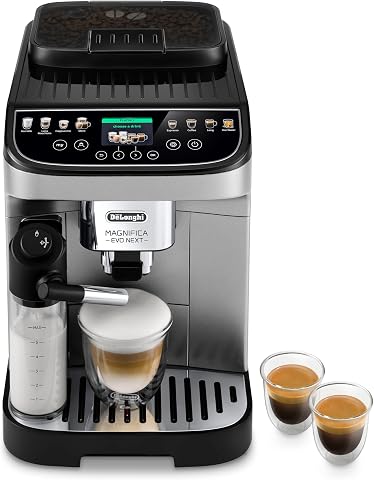
De’Longhi Magnifica Evo Next Fully Automatic Espresso Ma
- ✔ Color: Silver
- ✔ Warranty: 2 years
- ✔ Accessories: Water filter included

De’Longhi Replacement Water Filter
- ✔ Type: Water Filter
- ✔ Duration: 2 months
- ✔ Price: Affordable
De’Longhi Magnifica Evo Next Fully Automatic Espresso Ma
<p>The De’Longhi Magnifica Evo Next Fully Automatic Espresso Machine offers an excellent combination of convenience, performance, and durability. Its programmable features, built-in grinder, and milk frother make it a versatile choice for coffee lovers.</p> <p>When facing leaks, the machine’s design allows for straightforward troubleshooting and maintenance, especially with genuine parts and accessories.</p>
Pros:
- Easy to clean and maintain
- Built-in grinder with 13 settings
- Automatic milk frother for lattes and cappuccinos
- Programmable drinks for customization
Cons:
- Initial setup can be detailed
- Requires regular descaling
- Water tank can be bulky
Best for: Home baristas seeking convenience and quality espresso
Not ideal for: Commercial use or heavy-duty environments
Bottom line: A versatile, user-friendly espresso machine that balances performance and convenience.
De’Longhi Replacement Water Filter
<p>The De’Longhi Replacement Water Filter helps improve water quality, reducing limescale and mineral deposits that can cause leaks and performance issues. It’s easy to install and essential for maintaining your machine’s longevity.</p> <p>Using this filter regularly can prevent many common water-related problems and ensure your espresso tastes its best.</p>
Pros:
- Enhances water quality
- Easy to install
- Prevents limescale buildup
- Improves machine efficiency
Cons:
- Needs replacement every 2 months
- Additional cost per filter
- Compatibility limited to select models
Best for: Maintaining optimal water quality and preventing leaks
Not ideal for: For machines without a water tank or external filtering systems
Bottom line: A simple upgrade that significantly improves water quality and machine durability.
Frequently Asked Questions
Can I use regular tap water in my De’Longhi espresso machine?
Yes, but using filtered water or a water filter like the De’Longhi Replacement Water Filter will reduce mineral buildup and prolong the life of your machine.
How often should I descale my De’Longhi espresso machine?
It is recommended to descale every 2-3 months, depending on your water hardness and usage frequency, using a descaling solution such as De’Longhi EcoDecalk.
What should I do if my machine is still leaking after troubleshooting?
If leaks persist after checking connections, seals, and descaling, consider consulting a professional technician or contacting De’Longhi customer support for repairs.
Is it safe to open the machine and replace internal parts myself?
Only attempt repairs if you are confident and have the proper tools. Always unplug and allow the machine to cool before working inside. Otherwise, seek professional repair services.
Can mineral buildup cause leaks?
Yes, mineral deposits from hard water can cause internal pressure issues and leaks. Regular descaling helps prevent this problem.
Keep Your Coffee Fresh and Your Machine Leak-Free
Proper maintenance and timely troubleshooting can keep your De’Longhi espresso machine functioning flawlessly. Regular descaling, filter replacement, and careful inspection of seals and connections are key to preventing water leaks. If issues persist, professional repair is recommended to ensure safety and longevity. With these steps, you’ll continue enjoying rich, flavorful espresso without interruptions.
Affiliate disclosure: As an Amazon Associate we earn from qualifying purchases. Prices and availability are accurate as of the time of publishing.
Fall Picks
fall essentials
As an affiliate, we earn on qualifying purchases.