
Inside your coffee maker, water is heated by a resilient element controlled by a thermostat to reach ideal brewing temperatures. A check valve ensures water flows in only one direction, while a pump builds pressure to push hot water through coffee grounds evenly. Safety devices like pressure relief valves and sensors prevent accidents. The machine’s durable materials and careful design keep everything working smoothly. Want to know more about each step of this fascinating process?
Key Takeaways
- Water is heated in a reservoir, passing through a check valve into an aluminum tube surrounding the heating element.
- Thermostats and sensors regulate water temperature between 90–96°C for optimal brewing.
- Pumps generate pressure (~9 bars) to push hot water through dispersion systems onto coffee grounds.
- Safety devices like pressure relief valves and thermal fuses prevent overheating and pressure buildup.
- The brewed coffee exits through nozzles or showerheads into a cup, with regular maintenance ensuring quality and safety.

1/4 Inch Check Valve 2-Pack, POM One-Way Push to Connect Non-Return Valve, for RO Water Purifier, Ice Maker, Refrigerator, Coffee Machine, Prevents Water Backflow (1/4" OD Tube) (1/4'')
Safe & Certified Material for Pure Water:Crafted from high-quality, food-grade POM (Polyoxymethylene) material, this check valve is BPA-free…
As an affiliate, we earn on qualifying purchases.
As an affiliate, we earn on qualifying purchases.
How the Heating Element Regulates Water Temperature
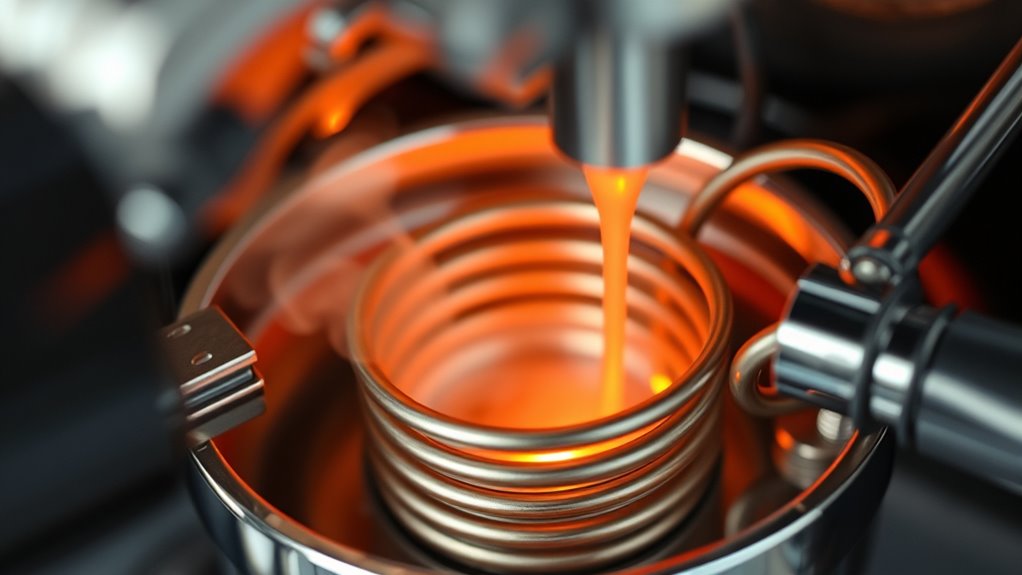
The heating element in a coffee machine actively maintains the water temperature by using sensors and thermal fuses to prevent overheating. It consists of a resistive coil embedded in plaster or ceramic for safety and durability. When you turn on the machine, electrical current flows through the coil, generating heat. Sensors monitor the water temperature, sending signals to the thermostat to keep it within a suitable range—usually around 90–96°C for brewing. If the temperature gets too high, thermal fuses and bi-metallic strips automatically cut off power, preventing damage or safety hazards. Once the water cools down, power is restored, maintaining a steady temperature for consistent extraction. This precise regulation ensures your coffee is brewed at the ideal temperature every time. Temperature regulation is crucial for optimal coffee extraction, as it directly impacts flavor and aroma. Additionally, some advanced coffee machines incorporate heat management technologies to optimize performance and energy efficiency.

Temperature Control Sensor Replacement for Automatic Espresso and Coffee Machine Models
This sensor monitors the water temperature inside the machine, sending data to the control board.
As an affiliate, we earn on qualifying purchases.
As an affiliate, we earn on qualifying purchases.
Water Flow Pathway and Check Valve Functionality

Water enters the coffee machine from the reservoir and flows directly into the aluminum tube surrounding the heating element. From there, it’s pushed upward by steam bubbles created during heating. To prevent backflow, a check valve is positioned along this pathway. When water pressure increases, the check valve opens, allowing hot water to pass into the white tube leading to the brew area. If pressure drops or the machine turns off, the check valve closes, stopping water from returning to the reservoir or pulling in air. This one-way valve ensures a consistent flow of hot water during brewing, maintaining proper pressure and preventing contamination or water mixing. Its reliable operation is essential for delivering even extraction and ideal flavor in your coffee. Additionally, the design of these valves contributes to air quality management, ensuring that no unfiltered air enters the brewing system during operation. Proper functioning of the check valve also helps in maintaining pressure stability, which is crucial for optimal brewing performance. Furthermore, valve durability is vital to withstand repeated heating cycles and prevent leaks over time. Incorporating automated control systems can further enhance the reliability of water flow and pressure regulation during the brewing process.
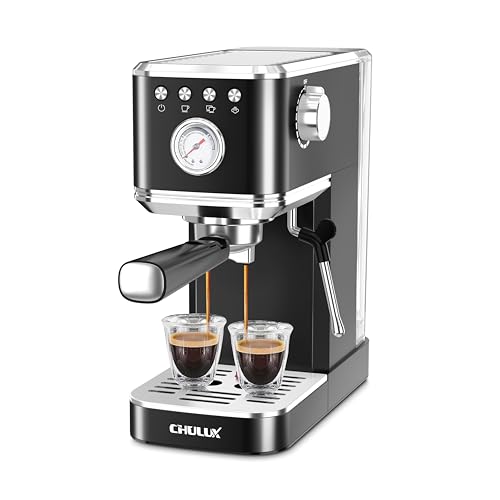
CHULUX Slim Espresso Machine with Milk Frother, 20 Bar Professional Italian Pump Espresso Coffee Machine for Home Cappuccino & Latte Maker, Stainless Steel, Black
Professional Pump: Come with 20 bar original Italian pump for easily extract strong flavored and rich crema espresso;…
As an affiliate, we earn on qualifying purchases.
As an affiliate, we earn on qualifying purchases.
The Role of Pumps in Creating Pressure
Pumps are essential for generating the pressure needed to extract rich flavors from coffee grounds. You’ll find different types, like vibratory and rotary, each designed to produce steady, precise force. Their control systems manage pressure levels to guarantee consistent brewing results every time. Additionally, these systems often incorporate pressure regulation to adapt to various coffee types and brewing preferences, ensuring optimal extraction. Proper pump operation is crucial for preventing over- or under-extraction, which directly impacts coffee quality. Volkswagen Tuning processes, such as ECU remapping and performance upgrades, also rely on controlled pressure to optimize vehicle performance and efficiency. Understanding caffeine content helps in managing the strength and intensity of the brew, which is influenced by pressure during extraction.
Pump Types and Functions
Creating the right amount of pressure is essential for extracting rich flavors from coffee, and that’s where the pump comes in. You’ll find two main types: vibratory and rotary pumps. Vibratory pumps use a piston moved by an electromagnetic coil to generate pressure, often found in budget-friendly machines. Rotary pumps spin a disc with vanes to produce steady, high pressure, common in professional or high-end espresso makers. Both types work by pushing water from the reservoir through the heating element and into the coffee grounds. The pump’s job is to maintain consistent pressure, usually around 9 bars for espresso, ensuring ideal extraction. Its design and operation directly impact the quality of your brew, making it a crucial component in your coffee maker.
Pressure Generation Mechanics
A coffee machine’s pump is responsible for generating the pressure needed to force hot water through coffee grounds, releasing rich flavors and proper extraction. It creates the force required to push water at high pressure, typically around 9 bars in espresso machines. Vibratory pumps use a piston and electromagnetic coil to rapidly move water, while rotary pumps spin a disc with vanes to produce steady pressure. The pump operates in sync with the heating element to maintain the right temperature and pressure balance during brewing. Proper lubrication and precise gears ensure smooth, consistent performance. This pressure is essential for extracting the full aroma and flavor from the coffee grounds, especially in espresso brewing, where high pressure releases complex taste profiles. Additionally, the design of the pump influences the longevity and performance of the coffee maker, making it a critical component for both quality and durability. The mechanical design of the pump also affects noise levels and energy efficiency during operation. An efficient pump design can also help reduce energy consumption and extend the lifespan of the machine. Understanding how different pump types impact brew quality can help users choose the right equipment for their preferences.
Pump Control Systems
Effective pump control systems are essential for maintaining the precise pressure needed during coffee extraction. When you start brewing, the pump kicks in to push hot water through the coffee grounds at the right force. In espresso machines, this pressure is typically around 9 bars. The pump’s operation is synchronized with the heater to keep water at ideal temperature and pressure. Vibratory pumps use a piston and electromagnet, while rotary pumps spin a disc with vanes to generate consistent pressure. Precise control ensures even extraction, maximizing flavor and aroma. The system also monitors pressure levels, adjusting pump activity as needed to prevent over- or under-extraction. Proper pump control guarantees your coffee is brewed with the perfect balance of strength and richness. Additionally, pressure regulation is vital for adapting to different brewing conditions and ensuring optimal results. Advances in AI-driven solutions could further enhance the precision of pump control systems in future coffee machines.
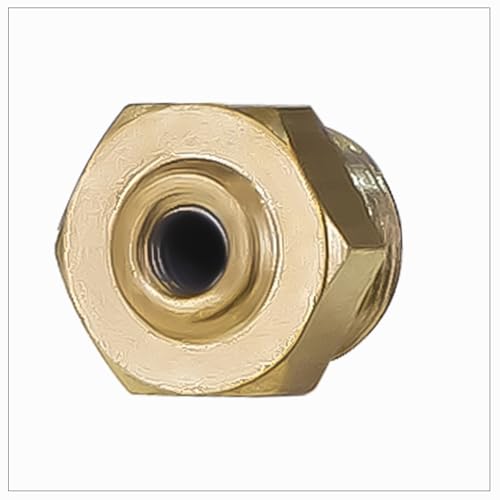
Easyworkz Pressure Valve Replacement for Espresso Pot, Moka Coffee Maker Relief Valve Spare Part, Made in Italy, 8mm/M8
Premium Brass Material – Made of durable Brass, ensuring excellent heat conductivity and long-lasting performance for your espresso…
As an affiliate, we earn on qualifying purchases.
As an affiliate, we earn on qualifying purchases.
Key Components Involved in Brewing

Understanding the key components involved in brewing a perfect cup helps you appreciate how your coffee machine works. First, the heating element warms the water in an aluminum tube until it boils, creating steam bubbles that push hot water upward. A thermostat and sensors keep the temperature between 90–96°C, ensuring ideal extraction. Water flows from the reservoir into the heating tube, passing through a check valve that prevents backflow. Once heated, the water is pushed through a dispersal system, like a nozzle or showerhead, evenly saturating the coffee grounds. The brew head, often a metal group, controls infusion timing and temperature, while solenoid valves open and close to regulate water flow. These components work together to deliver a consistent, flavorful coffee every time. Proper maintenance and cleaning of these parts also play a crucial role in essential oils for optimal performance and longevity. Additionally, temperature regulation is vital for extracting the best flavors without over-extraction or under-extraction, and understanding the water flow dynamics can improve brewing consistency. Regular calibration of sensors ensures the machine maintains precise temperature control, further enhancing the quality of your brew.
Safety Devices Ensuring Safe Operation

You rely on safety devices like thermal fuses and temperature sensors to prevent overheating and electrical hazards. These components automatically shut off the machine if temperatures or pressures surpass safe limits. Together, they ensure your coffee machine operates safely and reliably every time you brew.
Overheat Protection Measures
Overheat protection measures are essential safety devices that prevent coffee machines from reaching dangerous temperatures. They include thermal fuses and sensors that monitor the heating element’s temperature. When a preset limit is exceeded, thermal fuses cut off power immediately, stopping further heating. Temperature sensors, often using bi-metallic strips, detect overheating and disconnect electrical contacts to shut down the system. These devices work together to ensure safe operation, preventing potential hazards like electrical fires or damage to internal components. Some models also feature automatic reset mechanisms, restoring power once temperatures return to safe levels. By continuously monitoring heat levels, these safety features provide peace of mind and protect your coffee maker from overheating-related failures.
Pressure Safety Features
Pressure safety features are critical components that prevent coffee machines from operating under dangerous pressure levels. You’ll find pressure relief valves designed to release excess steam or hot water if pressure exceeds safe limits, preventing explosions or damage. These valves automatically open when internal pressure reaches a preset threshold, allowing steam or water to escape safely. Many machines also include pressure gauges, so you can monitor pressure levels during operation. If pressure gets too high, safety cut-offs activate, stopping the brewing process and preventing accidents. Some models incorporate safety interlocks that prevent the machine from operating if parts aren’t properly assembled or if pressure sensors detect abnormalities. Collectively, these safety devices protect you from potential hazards caused by overpressure, ensuring safe and reliable operation every time.
Material Choices and Structural Design
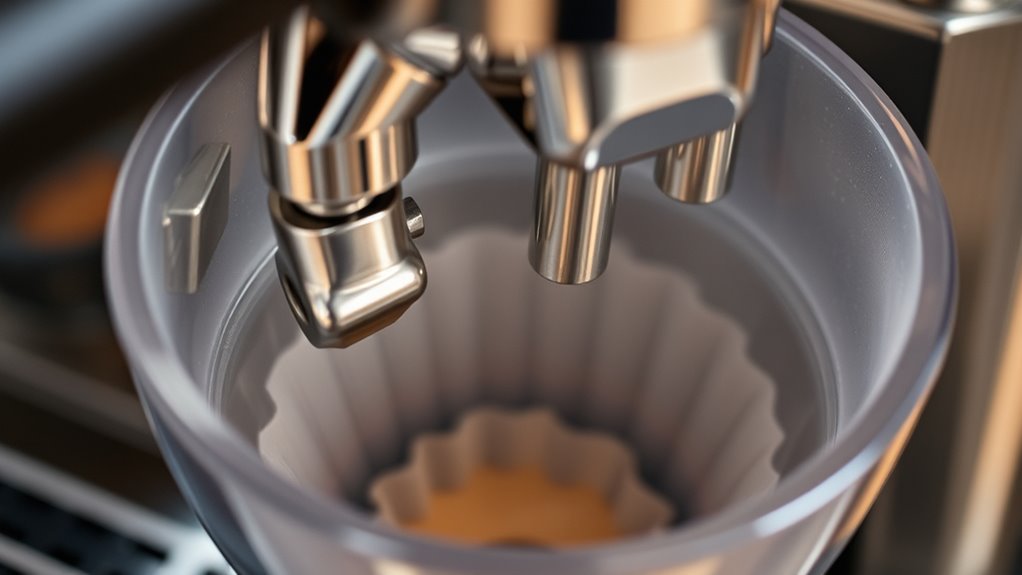
Material choices and structural design in coffee machines focus on balancing durability, heat resistance, and safety. You want components that last, resist high temperatures, and keep you safe. Here’s what’s important:
Choosing durable, heat-resistant materials ensures safe, long-lasting coffee machines.
- Housing Materials: Injection-molded plastics and metals provide sturdy, heat-resistant casings that protect internal parts and ensure longevity.
- Heat Transfer Components: Aluminum and copper tubes inside heating elements enable quick, efficient heat transfer to water, reducing energy waste.
- Corrosion Resistance: Components like check valves and brew groups use corrosion-resistant materials to withstand hot water, coffee acids, and cleaning agents.
- Insulation and Safety: Materials used for electrical insulation minimize shock risks and prevent heat transfer to external surfaces, keeping you safe during operation.
The Brewing Process: From Water to Cup
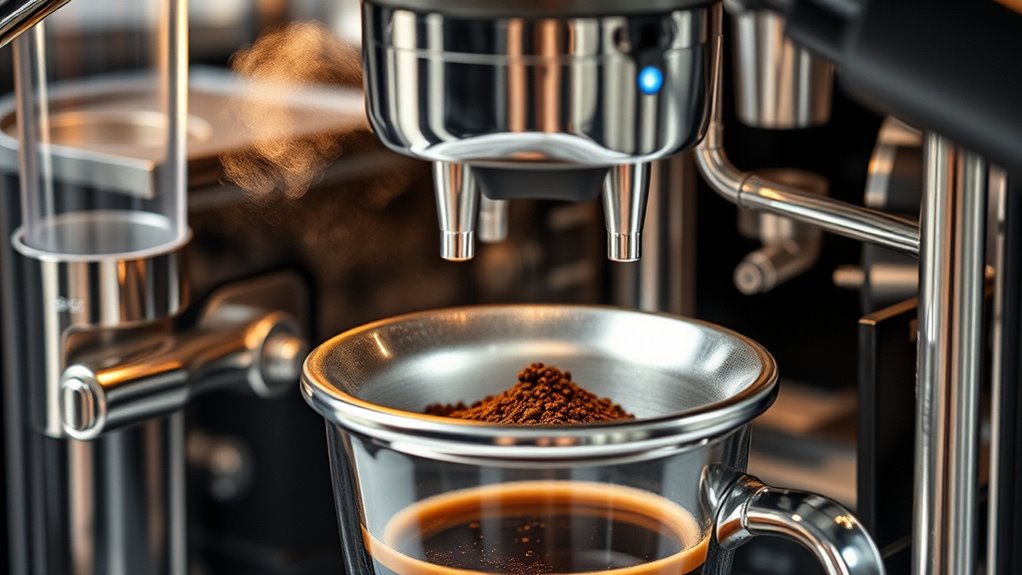
When you start the brewing process, water is heated to the ideal temperature and then forced through the coffee grounds. The heated water travels from the aluminum tube, pushed upward by steam bubbles and controlled by a check valve that prevents backflow. As it moves through the system, a pump increases pressure, especially in espresso machines, ensuring hot water is delivered at around 9 bars. The pressurized water passes through a dispersion mechanism, such as a nozzle or dispersal plate, evenly saturating the coffee grounds in the brew head. During this process, the hot water extracts flavors, oils, and aromas from the coffee, transforming into a rich, aromatic brew. Finally, the brewed coffee flows into your cup, ready for you to enjoy.
Maintenance and Troubleshooting Common Issues
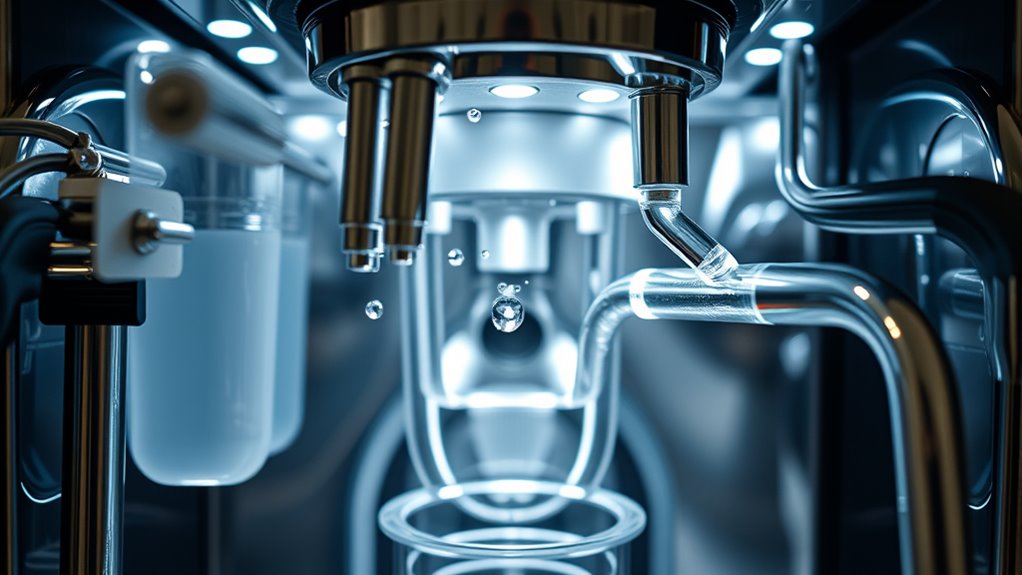
Regular maintenance is essential to keep your coffee machine functioning smoothly and prevent common problems from developing. By staying proactive, you can extend its lifespan and ensure consistent coffee quality. Here are four key troubleshooting tips:
- Clean the coffee grounds and brew head regularly to prevent clogs and ensure even saturation.
- Descale the machine periodically to remove mineral buildup from the heating element and water lines.
- Check and replace water filters as needed to maintain water flow and taste.
- Inspect and clean the check valve and water flow pathways to avoid pressure issues and ensure proper operation.
If your machine isn’t heating properly or water isn’t flowing, these steps often resolve the problem. Regular upkeep prevents major repairs and keeps your coffee tasting great.
Frequently Asked Questions
How Does the Coffee Maker Detect and Respond to Temperature Fluctuations?
Your coffee maker detects temperature fluctuations using sensors like bi-metallic strips and thermal fuses. When the water gets too hot, these sensors automatically cut off power to prevent overheating. As the temperature drops back to safe levels, they restore power, allowing the heating process to continue. This active response guarantees your coffee maker maintains a consistent temperature, keeping your brew perfect and safe during operation.
What Materials Are Used to Ensure Durability and Safety in Internal Components?
You should know that internal components are made from durable materials like injection-molded plastics and metals such as aluminum, copper, and stainless steel, which resist corrosion and heat. These materials guarantee longevity and safety by withstanding high temperatures and constant use. Components like check valves and brew groups use corrosion-resistant metals, while insulation and electrical parts depend on plastics that prevent shocks. This careful material selection keeps your coffee maker safe and reliable over time.
How Does the Check Valve Prevent Backflow During Brewing?
You’ll find that the check valve prevents backflow by opening only when there’s positive pressure from the hot water pushing upward. It uses a small, flexible disc or ball inside a sealed chamber that lifts to allow water through during brewing. When pressure drops or reverses, the valve closes tightly, blocking water from flowing back into the reservoir. This mechanism guarantees a consistent, safe flow of hot water over your coffee grounds.
What Mechanisms Control Water Pressure During Espresso Extraction?
Think of your espresso machine as a skilled orchestra conductor, controlling water pressure to create harmony. The pump, whether vibratory or rotary, acts as the maestro, generating around 9 bars of pressure essential for rich extraction. It works in sync with the heating system, adjusting flow and pressure precisely. This coordination guarantees your coffee’s flavor is perfectly balanced, delivering that bold, satisfying shot every time.
How Are Safety Features Like Thermal Fuses and Sensors Integrated?
You’ll find safety features like thermal fuses and sensors integrated directly into your coffee machine’s heating system. Thermal fuses act as a fail-safe by cutting off power if temperatures get too high, while sensors—like bi-metallic strips—monitor temperature constantly, automatically shutting off the heat when needed. These components work together to prevent overheating, electrical failures, and potential hazards, ensuring safe operation during every brew.
Conclusion
Now you know how your coffee maker works behind the scenes. It’s not just about hot water and a filter—it’s a precise dance of heating elements, pumps, and safety features. Remarkably, some believe that the pressure created by the pump is what truly extracts the coffee’s rich flavors. While that’s partly true, it’s the combined effort of all components working in harmony that delivers your perfect brew every time.