
🔍 Read the full analysis: The Bialetti Question And Beyond: Picking Your Second Coffee Maker on Mad Tasting

Get coffee and tea gear delivered free with Prime
- Fast, free delivery on millions of items
- Prime Video, Amazon Music and more included
- Member-only deals all year
TL;DR
Owners of Bialetti moka pots should select a second coffee maker based on specific gaps in their current brewing routine, such as batch size, cleanup ease, or flavor profile. Options include pour-over for clarity, French press for body, AeroPress for speed, drip for volume, and espresso machines for true espresso. The decision hinges on identifying what the moka pot cannot currently provide.
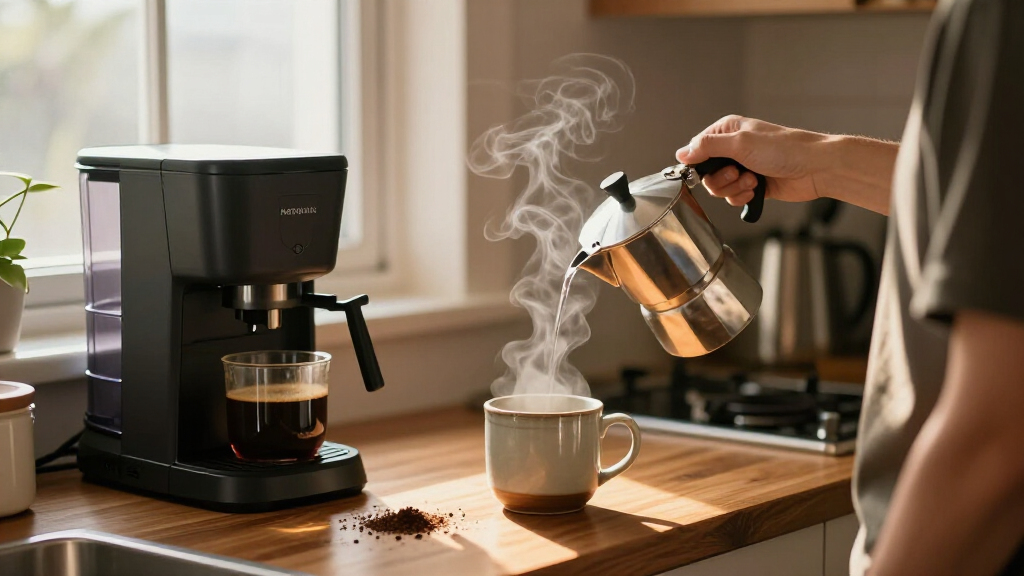
The primary recommendation is to assess what the moka pot cannot do. While the moka pot produces a rich, concentrated brew using steam pressure, it does not achieve the high pressure required for true espresso or crema. If a user desires café-style espresso drinks, a dedicated espresso machine is necessary, though it comes with a higher cost and learning curve. Conversely, if the goal is simply a strong coffee, the moka pot may already suffice, making a different type of brewer more appropriate.
For those seeking a lighter, more aromatic experience, pour-over methods offer greater control over grind, water flow, and brewing time. The use of a paper filter removes most fine particles and oils, resulting in a brighter cup that highlights floral or citrus notes. This method requires a kettle and active attention, making it less suitable for rushed mornings but ideal for unhurried weekends. In contrast, the French press uses a metal screen that allows more oils and sediment to pass through, creating a fuller-bodied, velvety texture that appeals to those who prefer a robust mouthfeel.
Practical considerations such as serving size, cleanup, and counter space play a critical role in the decision. The AeroPress is highlighted for its speed and ease of cleaning, making it suitable for single servings or travel, though it is not ideal for large groups. Drip machines offer hands-off convenience for brewing multiple cups simultaneously, addressing the limitation of small moka pots that require multiple rounds for brunch. Users are encouraged to write down their specific needs, such as “coffee for four” or “less sediment,” to filter options effectively.
Matching Brewing Method to Daily Rhythm
The choice of a second coffee maker significantly impacts daily convenience and coffee quality. By aligning the brewer with the user’s actual schedule, consumers can avoid the frustration of using a device that does not fit their morning routine. For instance, a pour-over setup demands presence and time, which may be impractical on busy weekdays, whereas a drip machine allows for multitasking. Recognizing these differences ensures that the new appliance is used regularly rather than abandoned due to inconvenience.
Furthermore, understanding the technical distinctions between methods prevents consumer disappointment. Many users mistakenly believe a moka pot can produce espresso; clarifying that moka pots operate at far lower pressure than espresso machines helps set realistic expectations. This knowledge empowers buyers to invest in equipment that genuinely enhances their coffee experience, whether that means achieving true espresso extraction or simply enjoying a cleaner, sediment-free cup.
As an affiliate, we earn on qualifying purchases.
Technical Limits of the Moka Pot
The Bialetti moka pot is a stovetop device that uses steam pressure to push hot water through coffee grounds. While it produces a bold, concentrated brew that pairs well with milk, it lacks the 9 bars of pressure typically required for authentic espresso. This technical limitation means it cannot produce crema, the golden foam characteristic of espresso. Consequently, users seeking authentic Italian espresso drinks must look beyond the moka pot to dedicated machines.
Historically, the moka pot has been a staple in Italian households for its simplicity and robust flavor. However, the rise of specialty coffee culture has introduced consumers to a wider variety of brewing methods that emphasize clarity, body, and control. Devices like the AeroPress and various pour-over cones have gained popularity for their ability to highlight subtle flavor notes in single-origin beans, a feature less prominent in the moka pot’s intense brew. This shift in consumer preference drives the demand for complementary brewing tools.
Individual Preferences and Budget Constraints
While the guide provides clear technical distinctions, the optimal choice remains subjective based on individual taste preferences and budget constraints. For example, the French press leaves sediment in the cup, which some users find undesirable, while others appreciate the resulting body. Similarly, the espresso machine requires significant maintenance and skill, which may not be feasible for all users. It is unclear how specific bean types interact with different brewers, as flavor outcomes can vary widely based on roast profile and grind size. Additionally, the long-term durability of newer devices like the AeroPress compared to traditional metal pots is not detailed in the source material.
Testing Methods and Refining Routine
After selecting a second brewer, users should experiment with grind size and brewing time to optimize flavor. The guide suggests starting with the specific need identified, such as a cleaner cup or larger batch, and adjusting variables accordingly. Regular cleaning is essential, particularly for devices like the French press and espresso machine, to prevent oil buildup and maintain taste quality. Users may also consider purchasing a second moka pot in a different size if batch capacity is the primary limitation, rather than investing in a completely new brewing method.
Key Questions
Can a Bialetti moka pot make real espresso?
No. A moka pot uses steam pressure, which is far lower than the 9 bars of pressure required for true espresso. It produces a strong, concentrated coffee but lacks the crema and extraction characteristics of espresso from a dedicated machine.
Which brewer is best for a single person?
The AeroPress or a pour-over setup is often recommended for single servings. The AeroPress is quick and easy to clean, while pour-over offers more control over flavor clarity and aroma.
What is the main difference between French press and pour-over?
A French press uses a metal screen that allows oils and fine particles to pass through, resulting in a fuller body and some sediment. A pour-over uses a paper filter that removes most oils and particles, creating a cleaner, brighter cup.
Is a drip machine worth buying if I already have a moka pot?
Yes, if you need to brew for multiple people or prefer a hands-off method. A drip machine can produce larger batches consistently without requiring constant attention, addressing the small capacity and active monitoring needs of a moka pot.
Source: Mad Tasting
Halloween Picks
halloween
As an affiliate, we earn on qualifying purchases.