
🔍 Read the full analysis: Caffè Al Bar: The Unwritten Rules Of Ordering Coffee In Italy on Mad Tasting

Get coffee and tea gear delivered free — and shop member deals
- Fast, free delivery on millions of items
- Access to Prime Big Deal Days deals on October 6–7
- Prime Video, Amazon Music and more included
TL;DR
In Italy, ordering coffee follows specific unwritten rules: use a simple script, understand timing and payment customs, and know regional differences. This guide explains what to expect and how to navigate Italian coffee culture.
In Italy, the act of ordering coffee at a bar follows a set of unwritten social rules that differ markedly from practices in other countries. For more on Italian coffee customs, see this detailed guide. These customs, rooted in tradition, emphasize brevity, politeness, and regional variation, making the experience both efficient and culturally rich for travelers who understand the script. This guide clarifies what is confirmed about these customs and how they shape everyday life in Italian cafés, as detailed in the original analysis.
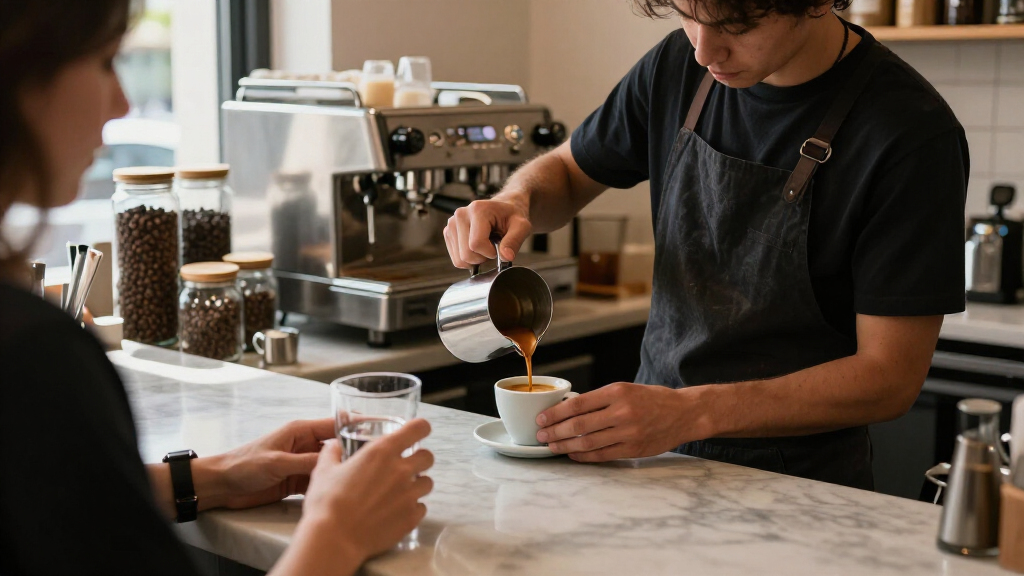
In Italy, ordering ‘un caffè’ generally means requesting an espresso, which is traditionally consumed standing at the bar within minutes of ordering. The standard greeting is ‘Buongiorno’ or ‘Buonasera,’ followed by a short, polite order such as ‘un caffè, per favore.’ Italians typically pay immediately at the counter, either before or after drinking, depending on the bar’s practice. The distinction between ordering at the counter (‘al banco’) and sitting at a table (‘al tavolo’) influences price: counter drinks are usually cheaper, often around €1.20, while table service can double or triple that amount.
Regional customs vary: in Naples, for example, espresso is often enjoyed at the bar, while in tourist-heavy Venice, prices at tables can be significantly higher, sometimes exceeding €6. The type of coffee ordered also matters; for example, ‘caffè latte’ is a different drink from ‘latte,’ and ‘macchiato’ in Italy is an espresso stained with milk, not a large milky coffee. Payment methods are evolving, with contactless and card payments now common, but cash remains preferred in many small, neighborhood bars.
Caffè al Bar: The Unwritten Rules of Ordering Coffee in Italy
In Italy, ordering coffee follows a script of brevity, politeness, and timing. Learn what “un caffè” really means, when to pay, where to stand, and how customs shift from Naples to Venice.
“In Italy, ‘un caffè’ means an espresso, usually drunk standing at the counter in under five minutes, with payment either before or after, depending on the bar.”
— Mad TastingThe Five-Minute Coffee Script
Greet
Walk in and greet the barista. Italians drink standing at the counter — no queue culture anxiety needed.
“Buongiorno”Order
Keep it short and polite. “Un caffè” is understood everywhere as a single espresso.
“Un caffè, per favore”Drink
Consume it at the bar, often in two or three sips. Coffee is a pause, not a lounge session.
Al banco, standingPay
Pay at the counter — before or after, depending on the bar. Some places use a separate cashier.
“Dove si paga?”Depart
Thank the staff and say goodbye on your way out. It’s customary and expected.
“Grazie, arrivederci”Order the Right Drink
Un caffè
A single espresso. Not a filter coffee, not an American-sized cup — just a short, concentrated shot, taken as-is.
Cappuccino
Considered a morning drink. Ordering it after 11 a.m. is a social convention breach, not a crime — especially relaxed in tourist areas.
Latte vs. Caffè Latte
“Latte” means plain milk. If you want coffee with milk, order a “caffè latte” — otherwise expect a glass of milk.
Macchiato
In Italy, an espresso “stained” with a splash of milk — not the large milky coffee served abroad under the same name.
Al banco / Al tavolo
Counter (“al banco”) service is cheapest; sitting at a table (“al tavolo”) can double or triple the price with table service.
Card or Cash?
Contactless is increasingly common, but many small neighborhood bars still prefer cash. Ask politely if unsure.
What a Coffee Actually Costs
How Customs Shift by Region
| Region | Style | Price Level | Local Note |
|---|---|---|---|
| NAPLES | Quick, standing espresso at the bar | Low ✓ | Intense bar culture; coffee as a rapid social pulse. |
| TRIESTE | Distinct local vocabulary and café-house tradition | Moderate ~ | More formal, Austro-Hungarian café heritage. |
| MILAN | Fast-paced, efficient standing service | Moderate ~ | Business rhythm — in and out in minutes. |
| VENICE | Tourist-heavy; relaxed customs at tables | High — €6+ ~ | Sitting in St. Mark’s area carries steep table markup. |
| SMALL TOWNS | Traditional etiquette strictly observed | Low ✓ | Cash preferred; rituals preserved across generations. |
Why These Rules Exist — and Where They’re Heading
Rooted in History
Espresso was invented in the early 20th century, and the standing-bar ritual mirrors Italy’s fast-paced social rhythm. Coffee is a daily ritual embodying efficiency, politeness, and regional identity — not just a beverage.
Still Evolving
Contactless and card payments are now common, yet cash remains preferred in many small bars. Younger Italians and tourist zones may relax the old script — observe local cues, stay polite, and adapt.
What Travelers Ask Most
Can I order a cappuccino after 11 a.m.?
Not forbidden — the cutoff is a social convention, not a rule, especially in tourist areas. Locals still treat it as a breakfast drink.
Should I pay before or after drinking?
It depends on the bar. Usually at the counter before or right after ordering; some places use a separate cashier. Ask “Dove si paga?” to clarify.
What should I say when ordering?
The safest script: “Buongiorno, un caffè, per favore.” Keep it short. Add “grazie” and “arrivederci” when leaving.
Is cash still preferred for small purchases?
Contactless is spreading, but cash remains the norm in many neighborhood bars. Ask “Posso pagare con la carta?” if unsure.
Why Understanding Italian Coffee Customs Matters
Knowing and respecting Italy’s coffee customs enhances the experience for travelers, avoiding social faux pas and ensuring smoother transactions. It also provides insight into Italian social culture, where coffee is more than a beverage—it’s a daily ritual that embodies efficiency, politeness, and regional identity. For businesses, understanding these norms is crucial for serving customers appropriately and maintaining authenticity.
As an affiliate, we earn on qualifying purchases.
Historical and Regional Variations in Coffee Etiquette
Italy’s coffee culture has evolved over centuries, originating from the invention of espresso in the early 20th century. The practice of standing at the bar and quick consumption reflects Italy’s fast-paced lifestyle and social norms. Regional differences, from Naples to Trieste, influence how coffee is ordered and consumed, with some areas more formal and others more relaxed. Tourist zones tend to have higher prices and more relaxed customs, but traditional etiquette remains important for locals.
“In Italy, ‘un caffè’ means an espresso, usually drunk standing at the counter in under five minutes, with payment either before or after, depending on the bar.”
— Mad Tasting source
Regional and Modern Variations Still Evolving
While core customs are well-established, regional variations and the impact of modern payment methods are still evolving. It is not yet clear how strictly these customs are followed in tourist-heavy areas or how younger generations might be changing traditional practices. Additionally, some bars may have different practices for ordering and paying, leading to occasional confusion for travelers.
Future Trends in Italian Coffee Etiquette
Expect continued modernization of payment options and possible shifts in social norms, especially among younger Italians and in tourist zones. Travelers should stay adaptable, observe local cues, and remain polite. Further research and observation will clarify how regional customs adapt to changing times and global influences.
Key Questions
Can I order a cappuccino after 11 a.m. in Italy?
Traditionally, Italians consider cappuccino a breakfast drink, but it is not forbidden after 11 a.m. — the cutoff is more of a social convention than a strict rule, especially in tourist areas.
Should I pay before or after drinking my coffee?
It depends on the bar. Usually, you pay at the counter before or immediately after ordering. In some places, you order first, then pay at a cashier. Observe local customs or ask ‘Dove si paga?’ to clarify.
What should I say when ordering in Italy?
The safest phrase is ‘Buongiorno, un caffè, per favore.’ Keep it short and polite. Adding ‘grazie’ and ‘arrivederci’ when leaving is also customary.
Are regional differences significant in coffee customs?
Yes, customs vary between regions. For example, Naples favors quick, standing espresso, while Venice may have higher prices at tables. Observing local behavior helps adapt accordingly.
Is cash still preferred for small purchases?
While contactless payments are increasingly common, cash remains the preferred method in many small neighborhood bars. Ask ‘Posso pagare con la carta?’ if unsure.
Source: Mad Tasting
Halloween Picks
halloween
As an affiliate, we earn on qualifying purchases.