In coffee processing, washed, honey, and anaerobic methods each create distinct flavors. Washed coffee removes the fruit layer before fermentation, resulting in a bright, clean taste that highlights acidity and floral notes. Honey processing leaves some mucilage on the beans, preserving fruitiness and sweetness with minimal water use. Anaerobic fermentation happens without oxygen, producing complex, wine-like flavors with deep fruity layers. Exploring these techniques helps you understand how each one shapes your coffee’s unique profile.

Get coffee and tea gear delivered free with Prime
- Fast, free delivery on millions of items
- Prime Video, Amazon Music and more included
- Member-only deals all year
Key Takeaways
- Washed processing produces a clean, bright cup by removing mucilage before fermentation, emphasizing acidity and floral notes.
- Honey fermentation leaves some mucilage intact, balancing fruitiness, sweetness, and clarity with less water use.
- Anaerobic fermentation occurs in oxygen-free environments, creating complex, fruity, wine-like flavors with pronounced depth.
- Controlled fermentation methods influence acidity, flavor complexity, and the coffee’s overall character.
- Vessel choice, water use, and microbial activity are key factors shaping each fermentation style’s flavor profile.
As an affiliate, we earn on qualifying purchases.
Understanding Washed Coffee Processing
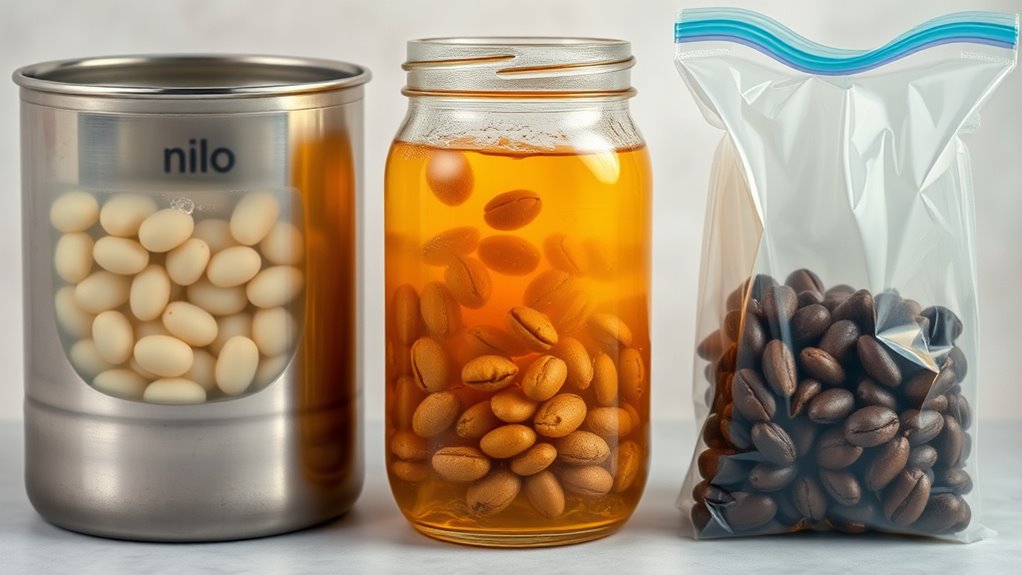
Have you ever wondered how washed coffee processing impacts the flavor of your brew? The fermentation impact plays a key role in shaping the coffee’s taste, and processing techniques are vital. Washed processing involves removing the outer fruit layer before fermentation, which results in a cleaner, brighter flavor profile. During fermentation, the mucilage breaks down, allowing the beans to be washed thoroughly, reducing residual sugars and pulp. This method emphasizes clarity and highlights the coffee’s inherent qualities, like acidity and floral notes. By carefully controlling fermentation time and water use, producers influence the final flavor. Understanding these processing techniques helps you appreciate how washed coffee produces a crisp, clean cup, showcasing the bean’s true character through precise fermentation impact. Additionally, the fermentation process in washed coffees is crucial in developing the nuanced flavors that distinguish different coffee origins.
Exploring Honey Fermentation Method

Building on the understanding of washed coffee processing, the honey fermentation method offers a unique approach that blends aspects of washed and natural processes. In honey processing, you leave some or all of the mucilage on the beans during drying, which influences flavor preservation. This method allows you to maintain the fruitiness and sweetness from the mucilage, resulting in a vibrant cup. Unlike washed coffee, honey processing minimizes water use and enhances the coffee’s inherent characteristics. The process requires careful control to prevent spoilage and guarantee optimal fermentation. By choosing honey fermentation, you preserve more of the coffee’s natural sugars and fruit notes, creating a complex flavor profile. It’s a versatile approach that balances cleanliness with a rich, sweet character. Additionally, color accuracy during processing can impact the final flavor expression by preserving subtle fruit and floral notes.
The Unique Traits of Anaerobic Fermentation
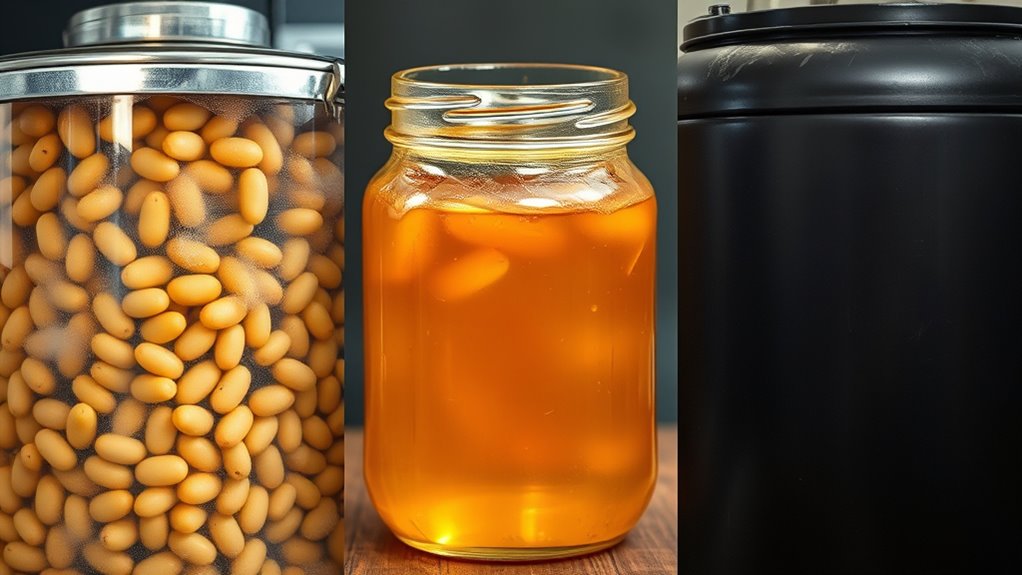
Anaerobic fermentation occurs in an oxygen-free environment, which considerably influences the development of coffee’s flavors. This process creates distinct anaerobic flavor profiles, often characterized by fruity, wine-like, and complex notes. Because oxygen is excluded, fermentation vessel choices become essential; sealed tanks or specialized containers are used to maintain anaerobic conditions. These vessels allow for precise control over fermentation variables, leading to consistent and unique flavor outcomes. During anaerobic fermentation, the absence of oxygen encourages specific microbial activity, resulting in deeper, more layered flavors. You’ll notice that these coffees often have a pronounced brightness paired with rich, fruity nuances. By selecting appropriate fermentation vessels, you can release the full potential of anaerobic fermentation, creating coffees with memorable, distinctive character. Understanding microbial activity in anaerobic conditions can further enhance your ability to craft unique flavor profiles.
Frequently Asked Questions
How Do Fermentation Styles Impact Coffee Shelf Life?
You might wonder how fermentation styles impact coffee shelf life. The key factors are fermentation timing and storage conditions. Properly timed fermentation prevents microbial growth that causes spoilage, while ideal storage conditions—cool, airtight environments—slow down deterioration. Different styles, like washed or honey, influence acidity and moisture, affecting freshness over time. By controlling these factors, you can extend your coffee’s shelf life and enjoy its prime flavors longer.
Are Certain Fermentation Methods More Environmentally Sustainable?
Imagine a future where your coffee choices nurture the planet. Certain fermentation methods, like honey or anaerobic, often have a lower environmental impact because they use fewer resources and promote sustainability practices. By choosing these methods, you support environmentally sustainable practices that reduce waste and conserve water. Your mindful selection can make a real difference, turning your coffee routine into a powerful act of environmental stewardship and hope.
Which Fermentation Style Enhances Specific Flavor Profiles Best?
You’re wondering which fermentation style enhances specific flavor profiles best. Generally, honey fermentation boosts sweetness and fruitiness, adding vibrant aroma layers. Washed processing highlights clarity and bright acidity, enriching flavor complexity. Anaerobic fermentation develops deeper, more intricate profiles with enhanced aroma enhancement, often creating unique, complex tastes. Your choice depends on the flavor profile you desire—if you want fruity and aromatic, honey is ideal; for bright, complex flavors, washed or anaerobic styles excel.
Can Fermentation Style Influence Coffee Bean Storage Requirements?
You might wonder if fermentation style affects coffee bean storage. Yes, fermentation variability influences storage conditions because beans with different fermentation processes can retain more moisture or residual acids, affecting shelf life. Proper storage, like airtight containers and cool, dry environments, becomes essential to prevent spoilage. Fermentation impacts not just flavor but also how you should store beans to maintain freshness and prevent deterioration over time.
Are Fermentation Methods Interchangeable During Processing?
Did you know that 60% of coffee producers believe fermentation method flexibility improves processing? You might wonder if fermentation methods are interchangeable during processing. While some methods like washed and honey can be adapted depending on desired flavors, others like anaerobic require specific conditions, limiting method compatibility. Flexibility depends on your goals, equipment, and bean type, so understand each method’s nuances before switching to guarantee ideal results.
Conclusion
Think of coffee fermentation styles as different musical genres—you get to choose the one that resonates with your taste. Whether you prefer the clean clarity of washed, the sweet complexity of honey, or the bold depth of anaerobic, each method adds its own unique flavor to your cup. Embrace these processes like a seasoned chef sampling spices; the more you explore, the more your palate will dance to the rich symphony of coffee.
Halloween Picks
halloween
As an affiliate, we earn on qualifying purchases.