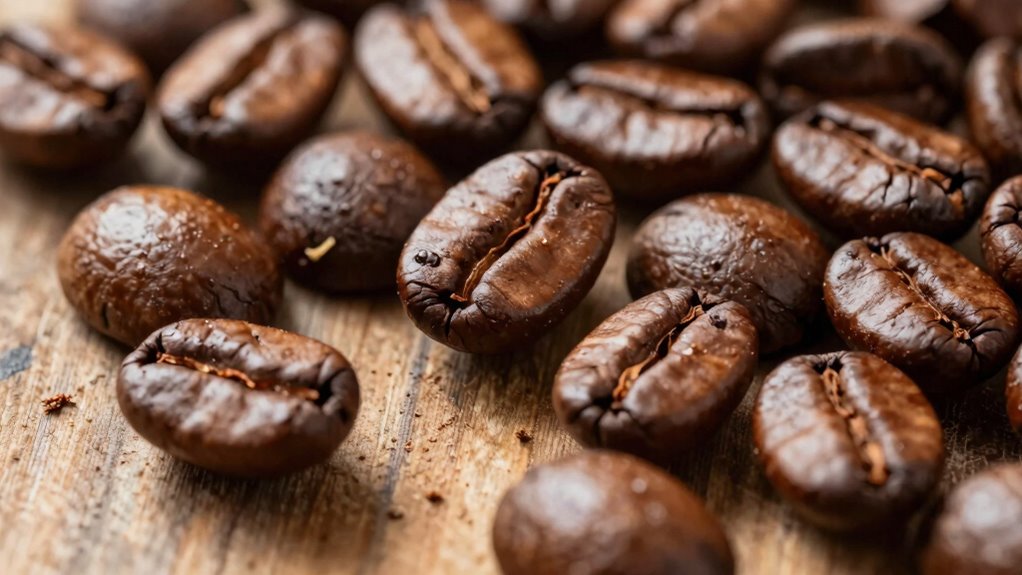

You notice some coffees taste nutty, fruity, or chocolaty naturally because factors like the region, climate, and soil influence their flavor development. The processing method, such as washed, natural, or honey, also shapes these notes, along with the variety and roast level you choose. Higher elevations often bring brighter, complex flavors, while warmer climates enhance full-bodied, chocolaty tastes. Exploring these elements helps you understand how each cup’s unique profile is crafted—if you keep exploring, you’ll discover how to choose and enjoy these flavors even more.
Key Takeaways
- Terroir factors like soil composition and climate influence flavor development, leading to nutty, fruity, or chocolaty profiles.
- Different processing methods (washed, natural, honey) impart specific flavor notes to the beans.
- Coffee variety and regional origin determine inherent flavor characteristics, such as fruity or nutty tendencies.
- Roast level and development time enhance or mellow natural flavors, emphasizing chocolate, fruit, or nut notes.
- Elevation and altitude affect bean density and complexity, shaping the coffee’s natural taste profile.

Mt. Comfort Coffee Organic Peru Medium Roast, 2.5 Pounds – Flavor Notes of Nutty, Chocolate, & Citrus – Sourced From Small, Peruvian Coffee Farms – Roasted Whole Beans
Premium Grade Whole Bean Coffee – The Organic Peru Medium Roast is a single-origin smooth coffee
As an affiliate, we earn on qualifying purchases.
As an affiliate, we earn on qualifying purchases.
What Factors Influence the Natural Flavors of Coffee Beans
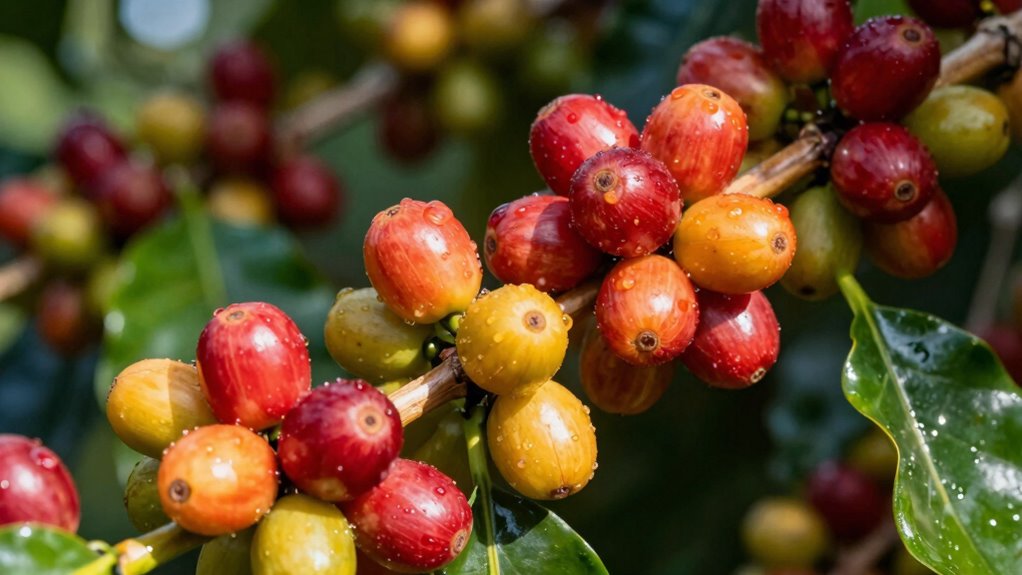
The natural flavors of coffee beans are shaped by a variety of factors, starting right from how the beans are grown. During coffee cultivation, the climate, altitude, and soil quality influence the beans’ development, impacting their flavor profile. Higher elevations often produce beans with brighter, more complex tastes, while warmer climates tend to yield fuller-bodied coffees. Bean harvesting is also vital; picking ripe, healthy cherries ensures better flavor extraction. The way you harvest—whether selectively or mechanically—affects the beans’ quality and flavor potential. Proper timing and careful handling during harvesting preserve the beans’ natural characteristics. These cultivation and harvesting practices work together to create the foundation for the unique nutty, fruity, or chocolaty notes found in different coffees. Additionally, understanding the mechanics of brewing can further enhance the expression of these natural flavors. Factors like processing methods and storage conditions also play a crucial role in maintaining and accentuating these flavor notes. Moreover, the post-harvest processing techniques can significantly influence how these flavors are developed and preserved throughout the supply chain. Paying attention to processing techniques can help optimize the development of specific flavor profiles in the final cup.

Michigan Cherry Flavored Coffee by Coffee Beanery | 12oz Specialty Medium Roast Whole Bean
Michigan Cherry Coffee is a delicious, smooth coffee infused with the flavor of fresh, sweet cherries. Reminiscent of…
As an affiliate, we earn on qualifying purchases.
As an affiliate, we earn on qualifying purchases.
How Coffee Varieties and Regions Shape Nutty, Fruity, and Chocolaty Tastes
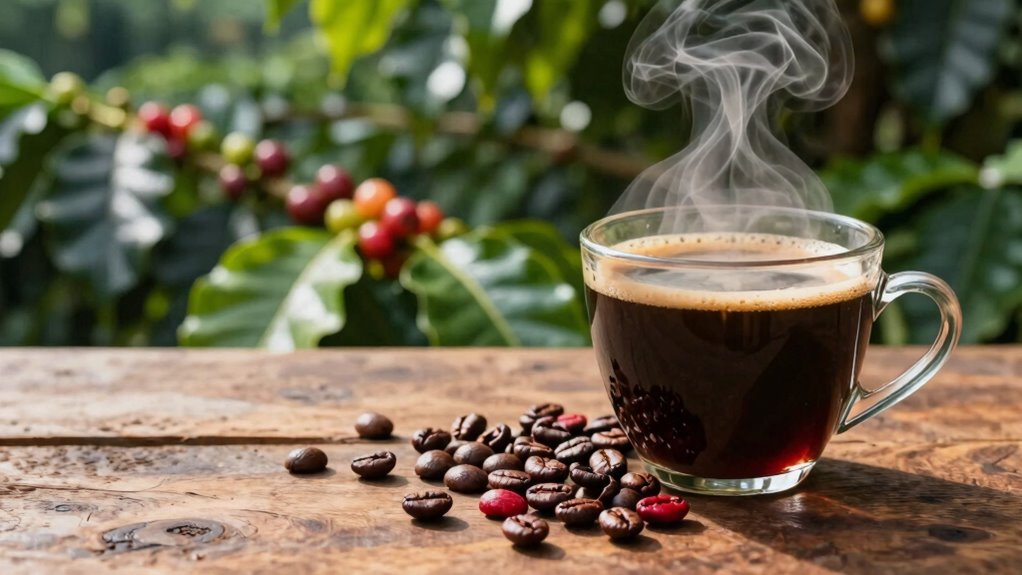
Your coffee’s flavor is heavily shaped by where it’s grown and the specific variety you choose. Terroir, including soil and climate, influences whether a bean develops nutty, fruity, or chocolaty notes. Additionally, regional processing methods can enhance or modify these natural flavors, giving each coffee its unique profile. Incorporating natural pools into the landscape can also create a microclimate that subtly affects coffee cultivation in some regions.
Terroir Influences Flavor Profiles
Coffee’s flavor profile is deeply shaped by its terroir—the combination of climate, soil, elevation, and local farming practices. Soil composition influences nutrient availability, which impacts the development of specific flavors. For example, volcanic soils often enhance fruity and bright notes, while richer, clay-heavy soils can bring out nutty or chocolaty qualities. Climate conditions also play a key role; cooler temperatures tend to foster brighter, more acidic coffees with fruity characteristics, whereas warmer climates may produce fuller-bodied, chocolaty profiles. Elevation affects bean density and flavor complexity, with higher altitudes often resulting in more nuanced, vibrant cups. Additionally, understanding the Soil composition and how it interacts with other terroir factors can help producers optimize flavor outcomes. Proper soil management practices can also enhance desired flavor characteristics in coffee cultivation. Furthermore, understanding the cybersecurity risks associated with modern farming equipment can help protect coffee producers from potential threats. By understanding how these factors interact, you can better appreciate the unique tastes that regional terroirs impart to your coffee.
Coffee Varietal Characteristics
Different coffee varieties and their regions play a crucial role in shaping the flavors you experience in your cup. Coffee bean genetics influence the natural taste profile, determining whether your brew leans toward nutty, fruity, or chocolaty notes. For example, Arabica beans often have more complex, nuanced flavors, while Robusta tends to be bolder and more bitter. The region also impacts these characteristics, as climate and altitude influence bean development. Brewing temperature further affects how these flavors emerge; higher temperatures can accentuate chocolaty or nutty qualities, while cooler brews might highlight fruity or bright notes. Understanding these varietal characteristics helps you appreciate why different beans deliver distinct flavor profiles, making your coffee experience more intentional and enjoyable.
Regional Processing Methods
Processing methods considerably influence the flavor profiles of coffee, often amplifying or muting certain notes depending on how the beans are handled. Regional processing techniques, such as washed, natural, or honey processes, shape the final taste. Coffee fermentation plays a key role, as it affects acidity and fruitiness—longer fermentation can enhance fruity notes, especially in tropical regions. Bean aging, whether in parchment or after drying, also impacts flavor development; older beans may mellow the nutty and chocolaty qualities or introduce subtle complexity. Different regions have preferred processing methods that highlight specific traits, making regional choices a vital factor in the overall flavor. Additionally, understanding the Regional processing techniques can help you better predict whether a coffee will taste nutty, fruity, or chocolaty.
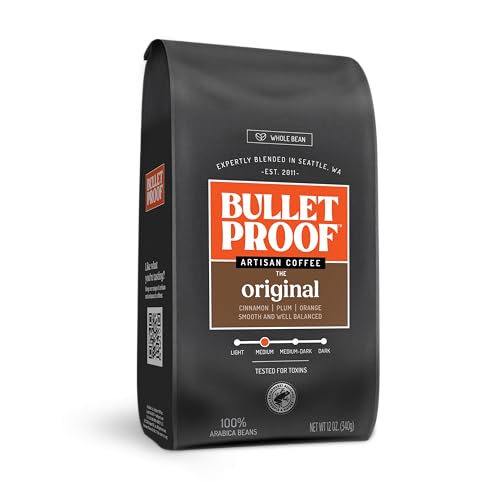
Bulletproof Original Medium Roast Whole Bean Coffee, 12 Ounces, Clean Coffee Tested for Toxins
Unbeatable Taste: Contains one 12-ounce bag of Bulletproof Original Blend Medium Roast Whole Bean Coffee, a clean coffee…
As an affiliate, we earn on qualifying purchases.
As an affiliate, we earn on qualifying purchases.
Processing Methods That Impact Coffee’s Natural Flavors
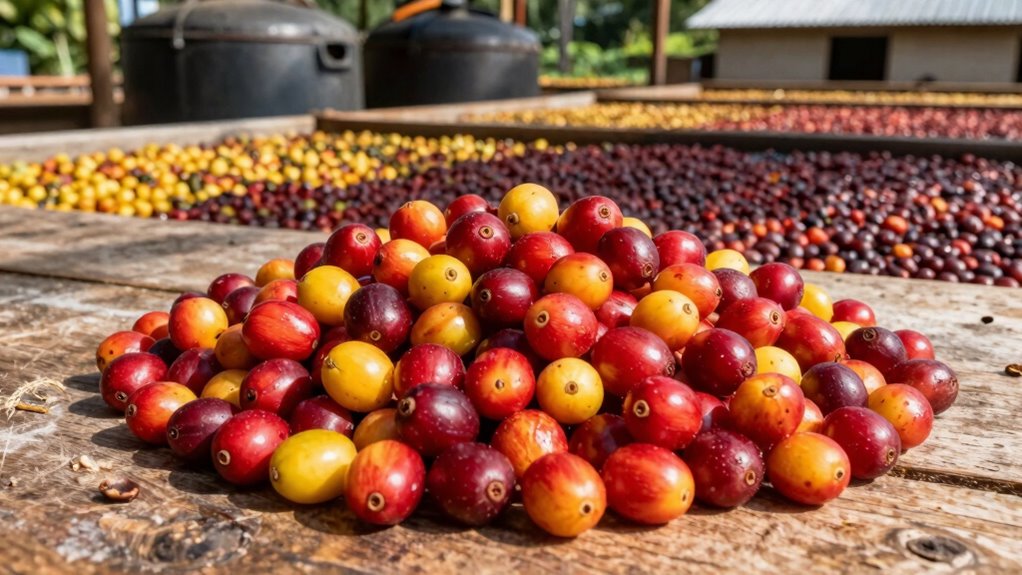
The way coffee beans are processed after harvesting plays a crucial role in shaping their natural flavors. Different methods highlight or mute certain notes, influenced by factors like coffee bean cultivation and sustainable farming practices. Here are three key processing methods:
- Washed (Wet) Process: Removes fruit layers early, resulting in bright, clean flavors with fruity or citrus notes.
- Natural (Dry) Process: Beans dry inside the fruit, enhancing sweet, chocolaty, or fruity qualities.
- Honey Process: Leaves some fruit mucilage during drying, producing a balanced profile with sweetness and complexity.
Choosing a processing method aligned with sustainable farming practices can emphasize specific flavor profiles, making your coffee experience more dynamic and unique.

Peak Performance High Altitude Organic Coffee – Fair Trade, Low Acid, Non GMO, and Beans Full of Antioxidants – Medium Roast Smooth Tasting USDA Certified Organic Whole Bean Coffee Bag 12 oz
Fair Trade – Low Acid – USDA Certified Organic – Single Origin – High Altitude. If We Could…
As an affiliate, we earn on qualifying purchases.
As an affiliate, we earn on qualifying purchases.
Roasting Techniques to Enhance or Mellow Coffee Flavors
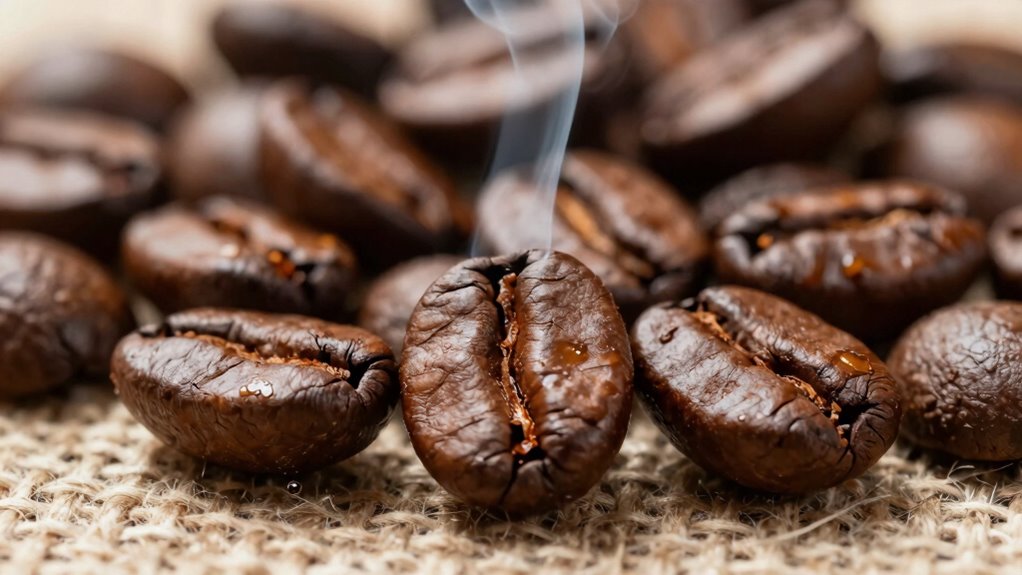
Your roasting approach can markedly influence coffee flavors, whether you want to boost certain notes or mellow others. By controlling roast levels and adjusting development time, you can fine-tune the taste profile. Proper cooling and resting processes also help lock in desired flavors and improve overall balance.
Controlled Roast Levels
Roasting coffee to specific levels allows you to control and enhance its natural flavors, whether you want to accentuate bright fruity notes or mellow out bitter edges. By managing roast levels, you influence how flavors develop during brewing. Here’s how:
- Light roasts preserve original fruit and floral notes, ideal if you focus on proper coffee storage to maintain freshness.
- Medium roasts balance brightness and body, offering versatility for various brewing techniques.
- Dark roasts mellow out acidity, emphasizing chocolaty or nutty flavors, perfect for brewing methods that highlight bold profiles.
Adjusting roast levels helps you craft a tailored flavor profile. Remember, your choice impacts not just taste but also how you store your beans and approach brewing techniques, ensuring a richer coffee experience.
Development Time Adjustment
Adjusting the development time during roasting can profoundly influence your coffee’s flavor profile. Extending or shortening this phase allows you to enhance or mellow specific notes, like fruitiness or nuttiness. Longer development times often deepen chocolaty and caramel flavors, while shorter times preserve brighter, fruity characteristics. Once roasted, proper coffee packaging becomes essential to maintain these flavors, preventing staling or flavor loss. When brewing, your equipment settings—like grind size and extraction time—should align with the development profile to maximize flavor clarity. By fine-tuning development time, you can craft a coffee that highlights its natural nuances, whether you prefer a rich, chocolaty cup or a vibrant, fruity brew. This precise control helps you tailor your coffee experience to your taste preferences.
Cooling and Resting Processes
Cooling and resting are essential steps that can markedly influence the final flavor of your coffee. Proper cooling preserves the coffee’s aroma and bean freshness, preventing over-roasting. Resting allows flavors to settle and develop, mellowing harsh notes. To optimize this process:
- Rapid Cooling: Immediately cool beans after roasting to lock in aroma and prevent continued heat development.
- Rest Period: Allow beans to sit for 12-24 hours, giving flavors time to harmonize and become more nuanced.
- Storage Conditions: Keep beans in an airtight container in a cool, dark place, maintaining bean freshness and preventing flavor degradation.
These steps guarantee your coffee’s aroma remains vibrant and the flavor profile reaches its full potential.
Tips for Choosing Coffee Beans With Nutty, Fruity, or Chocolaty Flavors
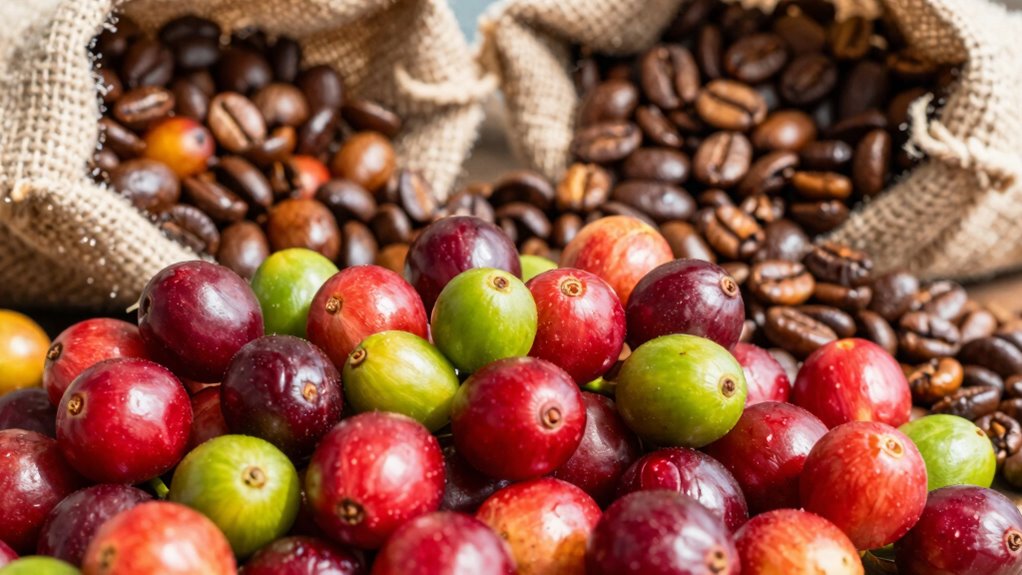
When selecting coffee beans with nutty, fruity, or chocolaty flavors, start by paying attention to the origin and variety, as these factors heavily influence the flavor profile. For instance, beans from Ethiopia often have fruity notes, while those from Central America may showcase nutty or chocolaty tones. Consider the roast level; lighter roasts preserve natural flavors better. To maximize flavor, use suitable coffee brewing techniques like pour-over or French press, which highlight subtle notes. Proper coffee storage tips are also essential—keep beans in an airtight container away from light and heat to maintain freshness. This guarantees your beans retain their unique flavors longer, allowing you to enjoy the rich, natural qualities you’re seeking.
Understanding How to Identify and Enjoy Coffee’s Natural Flavors

Once you’ve selected the right beans and prepared them properly, the next step is learning how to recognize and appreciate their natural flavors. To do this, focus on these key points:
- Taste actively: Take small sips, letting the coffee linger on your palate to identify subtle notes like fruitiness or nuttiness.
- Experiment with flavor pairings: Pair your coffee with complementary foods—like chocolate or citrus—to enhance and recognize specific flavors.
- Adjust brewing techniques: Different methods, such as pour-over or French press, highlight distinct flavor profiles, making it easier to distinguish natural notes.
- Understand the role of coffee varieties: Different bean types can naturally possess unique flavor characteristics, aiding in your flavor identification journey.
Frequently Asked Questions
How Do Soil and Climate Specifically Affect Coffee Flavor Profiles?
Soil minerals and climate variations directly influence your coffee’s flavor profile. Rich soil minerals can enhance nutty or chocolaty notes, while mineral deficiencies might mute these flavors. Climate variations, like temperature and rainfall, shape the fruity or bright characteristics. Warmer climates often produce bolder, fruity coffees, whereas cooler areas yield more nuanced, complex flavors. Together, soil and climate create the unique taste experiences you enjoy in every cup.
Can Storage Methods Alter the Natural Flavors of Coffee Beans?
Ever wonder if storage methods can change your coffee’s natural flavors? They definitely can. Proper coffee bean preservation is essential for maintaining flavor stability. If you store beans improperly—exposing them to air, moisture, or heat—you risk dulling or even losing those unique tasting notes. But if you keep your beans airtight, in a cool, dark place, you preserve their original aroma and taste, ensuring every cup is as vibrant as the day you bought them.
Are There Specific Brewing Techniques That Highlight Certain Flavor Notes?
You can highlight specific flavor notes by adjusting brewing variables like grind size, water temperature, and brew time. For example, a coarser grind enhances fruity and bright flavors, while a finer grind extracts richer, chocolaty notes. Controlling water temperature influences flavor extraction; hotter water emphasizes bold, nutty flavors. Experimenting with brewing techniques allows you to tailor your coffee to bring out the desired flavor profile, making each cup uniquely yours.
How Does Altitude Influence the Development of Nutty, Fruity, or Chocolaty Tastes?
Altitude effects markedly influence flavor development in coffee. Higher elevations cause beans to mature more slowly, allowing complex sugars and acids to develop fully. This process enhances fruity, vibrant notes, and can also intensify nutty and chocolaty flavors. You’ll notice that coffees grown at high altitudes often have brighter, more pronounced flavor profiles, making them ideal for highlighting those natural taste nuances.
Do Coffee Aging Processes Change Its Natural Flavor Characteristics?
You’ll find that coffee aging processes do change its natural flavor characteristics. Studies show that during coffee bean fermentation, unique flavors develop, and extended aging can mellow or intensify certain notes. Roasting temperature also influences flavor, as higher temperatures can enhance chocolatey or nutty tastes, while lower ones preserve fruity nuances. So, aging and roasting work together, shaping how your coffee’s natural flavors evolve over time, making each cup uniquely flavorful.
Conclusion
So, now you see, appreciating your coffee’s nutty, fruity, or chocolaty notes isn’t just about fancy tasting notes—it’s about knowing the right beans, regions, and roasting tricks. Next time you sip, remember you’re not just drinking coffee; you’re indulging in a carefully crafted symphony of nature’s finest flavors. Who knew that simply choosing the right beans could turn your morning brew into a gourmet adventure? Cheers to being a flavor connoisseur—no barista degree required!