
If you’ve ever wondered where coffee came from, how many cups we enjoy daily, or what makes certain beans unique, you’re not alone. Coffee started in Ethiopia and spread worldwide, with types like Arabica and Robusta offering different flavors and caffeine levels. People love brewing it in various ways, from espresso to cold brew, and cultures have special customs around it. Curious about its health effects or the priciest brews? Keep exploring to uncover more fascinating coffee facts.
Key Takeaways
- Coffee originated in Ethiopia and spread globally, with main types being Arabica, Robusta, and Liberica, each offering distinct flavors.
- The strength and flavor of coffee vary based on origin, roasting, brewing method, and bean type, influencing individual preferences.
- Nordic countries have the highest per capita coffee consumption, often involving specific cultural rituals like fika and Scandinavian brewing styles.
- Coffee’s health effects include benefits like antioxidants and alertness, but excessive intake can cause sleep issues and heart problems.
- The most expensive coffee, Kopi Luwak, costs up to $600 per pound due to its unique production process involving civet cats.

Breville Barista Express Espresso Machine BES870XL, Brushed Stainless Steel
The Breville Barista Express delivers third wave specialty coffee at home using the 4 keys formula and is...
As an affiliate, we earn on qualifying purchases.
Where Did Coffee Originate and How Did It Spread Globally?
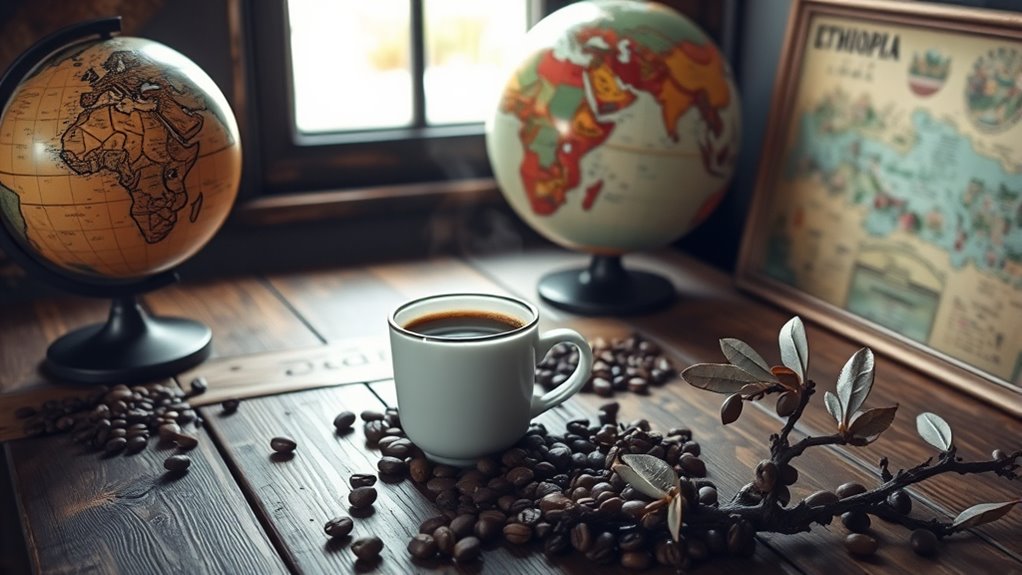
Coffee originated in the highlands of Ethiopia, where legend says a goat herder named Kaldi first discovered the beans’ energizing effects. He noticed his goats becoming lively after eating the cherries from a particular tree. Word spread, and monks began brewing the beans to stay awake during long prayers. From Ethiopia, coffee spread to the Arabian Peninsula, where it became popular in Yemen. Traders carried coffee across trade routes to the Middle East, Europe, and eventually the rest of the world. Its rich flavor and stimulating effects made it a sought-after commodity, fueling global trade. Over time, diverse coffee cultivars developed to suit various tastes and growing conditions. The development of cultivation techniques further expanded coffee’s reach and popularity. Additionally, advances in agronomic practices have allowed coffee production to adapt to different climates, ensuring its continued global presence. The globalization of coffee has also been supported by innovations in processing methods, which enhance flavor profiles and shelf life.

Fresh Roast SR540 Automatic Coffee Bean Roaster | Roast Coffee At Home | Variable Heat Settings | Convection Fan Control | Digital Status Display | Speed Roasting System | The Freshest Roast On Earth
☕ Fresh and flavorful coffee guaranteed - Why roast coffee at home? Commercially roasted whole bean coffee starts...
As an affiliate, we earn on qualifying purchases.
What Are the Main Types of Coffee Beans and How Do They Differ?
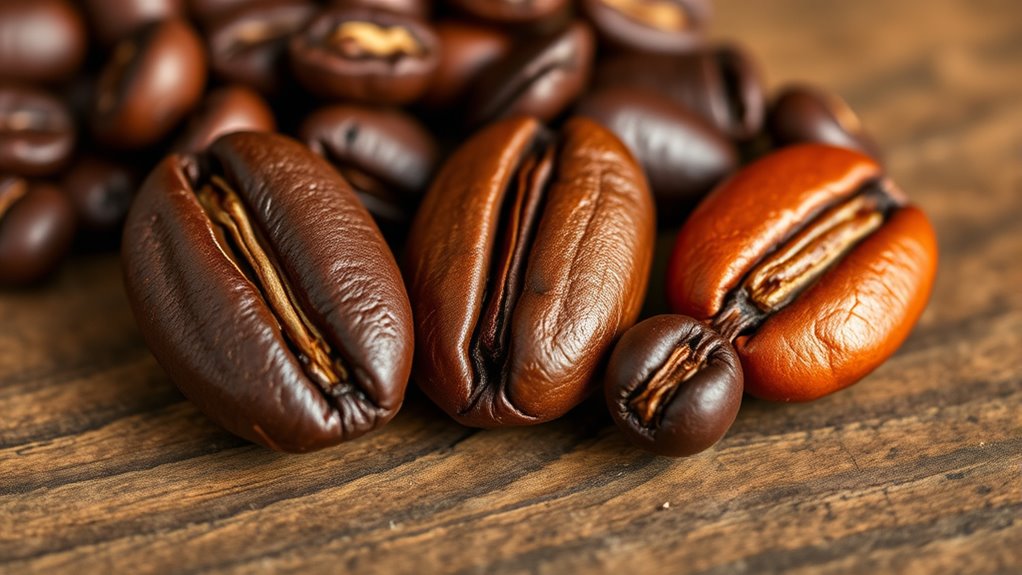
The types of coffee beans you encounter—Arabica, Robusta, and Liberica—each bring unique flavors and qualities to your cup. Arabica is the most popular, known for its smooth, aromatic, and slightly sweet profile, often with hints of fruit or floral notes. Robusta has a stronger, more bitter taste, with higher caffeine content, making it a common choice for espresso blends and instant coffee. Liberica is less common but offers a distinctive smoky, woody flavor with a fuller body. Arabica beans thrive at higher altitudes and require specific growing conditions, while Robusta plants are hardier and grow at lower elevations. Liberica is mainly cultivated in Southeast Asia. Understanding these differences helps you choose coffee that matches your flavor preferences and brewing style. The climate and altitude requirements of each variety significantly influence their flavor profiles and cultivation practices, guiding farmers and consumers alike. Additionally, the harvesting methods employed can impact the quality and flavor of the beans, further shaping your coffee experience. A proper harvesting process is essential to ensuring the beans develop their full flavor potential, whether by hand-picking or mechanical methods. Growing methods such as hand-picking versus mechanical harvesting can also affect bean quality and consistency.

1Pound Electric Coffee Roaster for Home Use, Automatic Roasting And Easy Operation, With A Smoke Filter(Suitable for light roasting), 2 Chimney Tube, And Chaff Collector.
【Versatile Design】 Combines automatic, assisted, and manual modes for advanced coffee roasting programs, suitable for different user needs...
As an affiliate, we earn on qualifying purchases.
How Much Coffee Is Consumed Worldwide Each Year?
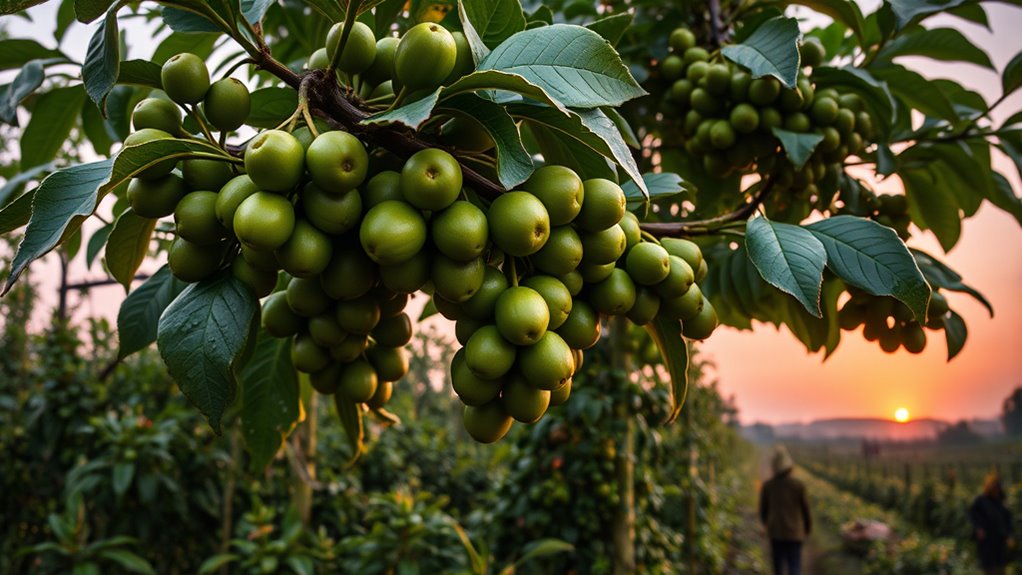
Ever wonder just how much coffee people around the world consume each year? On a global scale, over 400 billion cups are enjoyed annually, making coffee the second most traded commodity after oil. In total, about 173 million bags of coffee are consumed each year, roughly equivalent to 10 billion tons of production. This translates to approximately 2.25 billion cups daily, with the United States alone drinking around 400 million cups each day. Nordic countries lead per capita consumption, and the Netherlands tops the list for individual intake. Coffee’s popularity spans continents, with billions of people relying on it daily for energy and comfort. Its widespread consumption underscores its importance culturally, economically, and socially worldwide.

Fresh Roast SR800 Coffee Roaster – Roast Coffee at Home – Variable Heat and Fan Control – Digital Display – Roasts 6–8 oz (170–226g) Per Batch – Easy to Use – Fast Roast Time
Fresh and flavorfull coffee guaranteed - Why roast coffee at home? Commercially roasted whole bean coffee starts to...
As an affiliate, we earn on qualifying purchases.
Which Countries Lead in Coffee Consumption Per Capita?
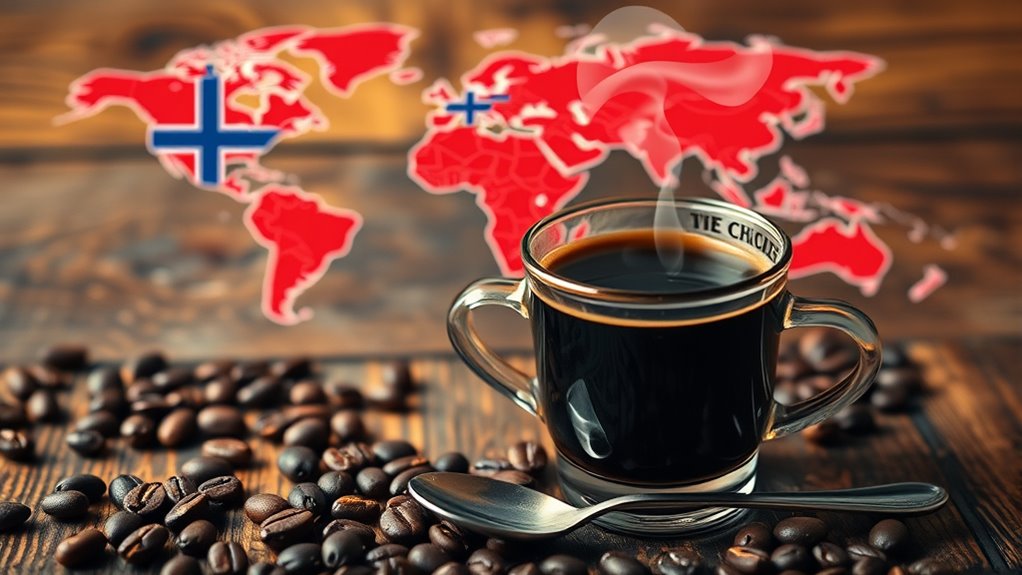
You’ll find that Nordic countries, like Finland and Norway, top the list for coffee consumption per person, with Finns drinking nearly 12 kg annually. Meanwhile, in the United States, coffee habits vary by region, with California leading in volume but overall per capita rates being lower. Exploring these differences reveals how culture and lifestyle shape coffee drinking around the world. Additionally, many countries have unique brewing traditions that influence their consumption patterns, such as the widespread use of specialized brewing methods in Scandinavian countries. Understanding consumer behavior in different regions helps explain these diverse coffee preferences and their cultural significance.
Nordic Coffee Enthusiasts
Nordic countries stand out as the top coffee enthusiasts worldwide, with residents consuming more coffee per person than anywhere else. Finland leads with nearly 12 kg per person annually, making it the most coffee-loving nation. Norway and Iceland also rank high, each averaging around 9 to 10 kg per person per year. Coffee culture is deeply ingrained in daily routines, often enjoyed multiple times a day, especially during long winters. These countries favor strong, black coffee or simple brews, emphasizing quality and tradition. Coffee shops are popular social hubs, and brewing coffee is a cherished ritual. If you visit, expect coffee to be a central part of social life, fueling conversations and cozy moments. Their passion for coffee is a reflection of their cultural appreciation for comfort and connection. Additionally, high-quality brewing methods are highly valued, contributing to their rich coffee traditions and consistent enjoyment. The emphasis on specialized brewing techniques further highlights their dedication to a superior coffee experience. Interestingly, their commitment to mindful consumption supports sustainable practices and responsible sourcing in the coffee industry. Moreover, the emphasis on community-oriented cafes fosters a sense of togetherness and cultural identity through shared coffee experiences.
American Coffee Habits
Which countries lead in coffee consumption per capita, and what does this reveal about their coffee culture? Finland, Norway, and Iceland top the list, reflecting a deep-rooted love for coffee and social rituals. These Nordic nations drink nearly 12 kg per person annually, emphasizing coffee’s role in daily life and community. In contrast, the U.S. ranks 25th globally, with about 4.2 kg per person yearly, highlighting a more casual, on-the-go coffee culture. Here’s a quick comparison:
| Country | Avg. Consumption (kg/person/year) | Coffee Style |
|---|---|---|
| Finland | 7.99 | Black, strong |
| Netherlands | 8.11 | Espresso, drip |
| United States | 4.2 | Specialty drinks |
| Iceland | 9.05 | Coffee breaks, social |
Your habits reveal a nation’s unique approach to coffee’s social and cultural significance. Notably, specialty coffee has been gaining popularity worldwide, influencing how people appreciate and consume coffee across different cultures. Additionally, coffee rituals play a vital role in fostering social connections and cultural identity in many of these countries.
What Are the Different Ways Coffee Is Brewed and Served?

There are many ways to brew and serve coffee, each offering a unique flavor experience. You might prefer a drip brew, which uses hot water passing through ground coffee for a clean taste. A French press creates a rich, full-bodied cup by steeping coarsely ground beans in hot water and pressing them with a plunger. Espresso, made by forcing hot water through finely ground coffee under pressure, offers a concentrated flavor. Cold brew involves steeping coffee grounds in cold water for hours, resulting in smoothness and less acidity. You can also enjoy coffee as a traditional Turkish or Arabic style, served thick and often sweetened. Milk, cream, or flavorings are added to customize your drink. Each method highlights different characteristics, so exploring them enhances your coffee experience. Understanding the brewing methods significantly influences the flavor profile and caffeine content of your coffee. Additionally, experimenting with different coffee beans can further tailor your beverage to your taste preferences. Knowing how water temperature affects extraction can help you refine your brewing process for optimal flavor. For example, maintaining the correct brew time ensures you extract the right balance of flavors without over or under-extraction.
How Does Roasting Affect Coffee’s Caffeine Content?
Roasting considerably influences the caffeine content in your coffee, but not always in the way you might expect. Generally, lighter roasts tend to have slightly more caffeine than darker roasts because roasting reduces caffeine levels over time. As beans are roasted longer, some caffeine is lost, making dark roasts marginally less caffeinated. However, the difference is minimal, so your choice of roast won’t drastically change your caffeine intake. Instead, the strength of your brew depends more on the coffee-to-water ratio and the type of beans used. If you want more caffeine, opt for a lighter roast or a brew method that concentrates the coffee, like espresso. Interestingly, the degree of roasting can also influence the flavor profile more significantly than caffeine content. Additionally, the bean origin can affect caffeine levels, as different coffee varieties naturally contain varying amounts of caffeine. It’s also worth noting that processing methods can impact the final caffeine content in your coffee beans. Ultimately, roasting impacts flavor more than caffeine content, but understanding this subtle change can help you customize your coffee experience.
What Are the Health Benefits and Risks of Drinking Coffee?
Drinking coffee can boost your brain function and may lower your risk of heart disease, but it’s important to enjoy it in moderation. While the antioxidants in coffee offer health benefits, overdoing it can lead to sleep problems and increased heart rate. Knowing how much is safe helps you get the most out of coffee without risking your health.
Heart Health Impact
Have you ever wondered how coffee affects your heart health? Research shows both benefits and risks. Here are four key points:
- Moderate coffee intake may lower the risk of heart failure and stroke by improving blood vessel function.
- Caffeine can temporarily raise blood pressure, especially in sensitive individuals.
- Regular coffee consumption has been linked to a reduced risk of coronary artery disease.
- Excessive intake can cause irregular heartbeat or palpitations in some people.
Cognitive Function Boosts
Caffeine in coffee stimulates your central nervous system, leading to immediate improvements in alertness, concentration, and mental clarity. When you drink coffee, you may notice you’re sharper and more focused, making it easier to tackle complex tasks or stay attentive. Caffeine blocks adenosine, a chemical that promotes sleep and relaxation, resulting in heightened wakefulness. Regular moderate intake can boost your cognitive performance, helping you process information faster and enhance memory temporarily. Studies suggest coffee may also protect brain health over time, reducing risks of cognitive decline and neurodegenerative diseases like Alzheimer’s. However, individual responses vary, and excessive consumption can cause jitters, anxiety, or disrupt sleep, which may negatively impact cognitive function. Balance is key to enjoying coffee’s brain-boosting benefits safely.
Caffeine Overconsumption Risks
While moderate coffee consumption offers notable health benefits, overdoing it can pose significant risks. Excess caffeine intake can lead to:
- Sleep disturbances, causing insomnia and reduced rest quality.
- Increased heart rate and elevated blood pressure, raising cardiovascular risks.
- Anxiety, jitters, and irritability from overstimulation.
- Digestive issues like acid reflux and stomach upset.
Consuming more than 400 mg of caffeine daily (roughly four cups of coffee) can amplify these risks. High doses may also cause dependence, leading to withdrawal symptoms such as headaches and fatigue. Pregnant women and individuals with heart conditions should limit intake further. Staying within recommended limits helps you enjoy coffee’s benefits while minimizing health hazards.
Why Is Coffee Considered a Global Commodity and How Is It Traded?
Coffee is considered a global commodity because it’s one of the most traded and valuable products worldwide, reaching over 10 billion tons annually. Its popularity spans continents, making it essential for millions of economies, especially in countries like Brazil, Vietnam, and Ethiopia. Coffee is traded in large quantities through futures markets, where prices fluctuate based on supply, demand, weather, and geopolitical factors. Traders buy and sell coffee contracts on exchanges like NYSE and ICE, locking in prices for future delivery. Coffee’s universal appeal guarantees constant demand, encouraging countries to export and import heavily. This global trade network connects farmers, exporters, brokers, and roasters, creating a complex system that sustains the coffee industry and keeps your morning cup within reach worldwide.
What Is the Most Expensive Coffee in the World and Why Is It So Pricey?
Among the many varieties of coffee traded worldwide, some fetch extraordinary prices due to their rarity and unique production methods. Kopi Luwak, from Indonesia, is widely regarded as the most expensive, costing about $600 per pound. Its high price stems from several factors:
Kopi Luwak, Indonesia’s rare coffee, commands about $600 per pound due to its unique, labor-intensive production and rich flavor.
- Unique Process: It’s made from beans eaten, fermented, and excreted by civet cats, which enhances flavor.
- Limited Supply: The rarity of civets and controlled harvesting drive up the cost.
- Labor-Intensive: Collecting and processing these beans requires meticulous care.
- Flavor Profile: The fermentation process creates a smooth, rich taste that’s highly sought after.
This combination of rarity, process, and flavor makes Kopi Luwak the priciest coffee globally.
How Does Coffee Culture Vary Across Different Regions and Countries?
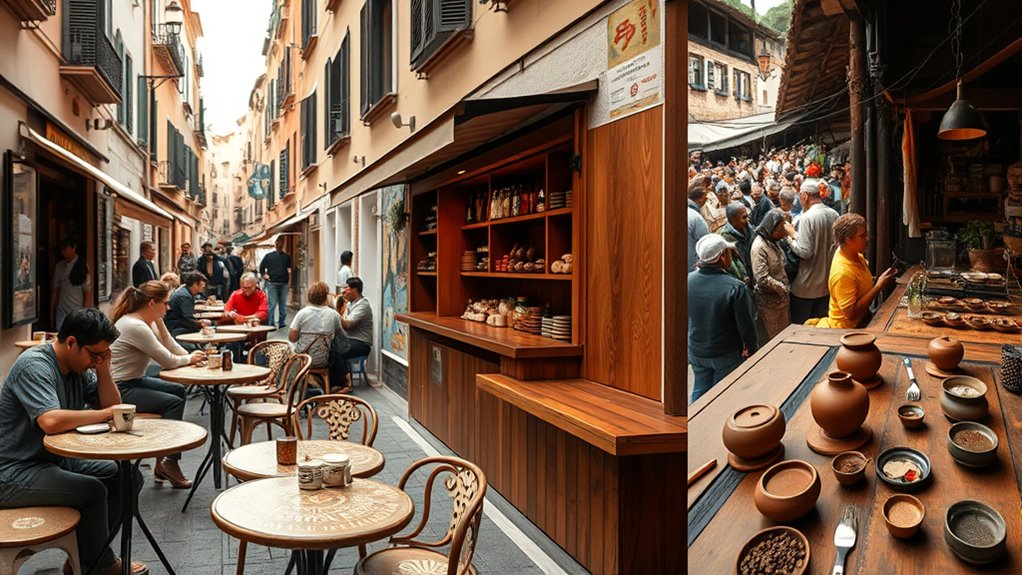
You’ll notice that coffee culture varies widely around the world, shaped by regional traditions and preferences. In some countries, brewing methods like espresso or pour-over are central, while others emphasize social etiquette and rituals. Exploring these differences reveals how coffee connects with local identities and customs everywhere.
Regional Coffee Traditions
Have you ever wondered how coffee traditions differ around the world? Coffee culture varies greatly depending on the region, shaping daily routines and social customs. Here are four key differences:
- In Italy, espresso is king—served in small, strong shots, emphasizing quick, social sips.
- Turkey features thick, unfiltered coffee brewed slowly, often accompanied by conversations and fortune-telling.
- Ethiopia’s traditional coffee ceremony involves roasting beans, grinding, and brewing, symbolizing hospitality.
- Sweden’s Fika habit centers on taking a break with coffee and pastries, fostering community and relaxation.
Across nations, brewing styles, serving methods, and rituals reflect cultural values. This diversity highlights coffee’s role as more than a beverage—it’s a social tradition rooted in history and identity.
Popular Brewing Methods
How people brew coffee reveals a lot about regional tastes and cultural priorities. In Italy, espresso dominates, emphasizing quick, strong shots. In Turkey, the cezve makes thick, unfiltered coffee, often sweetened and served with foam. Scandinavian countries prefer drip brewing or AeroPress for clean, smooth cups. Meanwhile, Southeast Asia favors pour-over methods like Vietnamese phin filters for bold flavors. Different techniques reflect local preferences for strength, texture, and ritual.
| Region | Popular Brewing Method | Unique Feature |
|---|---|---|
| Italy | Espresso | Fast, concentrated shot |
| Turkey | Cezve (Turkish coffee) | Thick, unfiltered brew |
| Scandinavia | Drip/AeroPress | Clean, smooth taste |
| Southeast Asia | Pour-over (Vietnam) | Bold, rich flavors |
Cultural Coffee Etiquette
Across the globe, coffee isn’t just a beverage—it’s a reflection of cultural identity and social customs. Your experience varies widely depending on the region. Here are four ways coffee etiquette differs:
- In Turkey, serving coffee is a formal ritual, often accompanied by reading fortunes from the grounds.
- Italy values quick espresso shots, typically enjoyed standing at a bar, emphasizing efficiency.
- In Ethiopia, coffee ceremonies involve roasting, grinding, and sharing coffee over hours, symbolizing community.
- In Sweden, “fika” is a cherished tradition, where people pause for coffee and conversation, fostering social bonds.
Understanding these customs helps you appreciate coffee’s role beyond caffeine, revealing its cultural significance and social nuances in each region.
Frequently Asked Questions
How Does Water Quality Impact the Flavor of My Coffee?
Water quality critically impacts your coffee’s flavor. If your water has high mineral content, it can enhance or dull certain taste notes, making your coffee taste richer or flat. Poor-quality water with impurities or chlorine can add unwanted flavors or odors. Using clean, fresh, filtered water ensures your coffee’s true flavors shine through, providing a smooth, balanced cup. So, always pay attention to your water’s quality for the best brewing experience.
What Is the Ideal Temperature for Brewing Coffee?
The ideal brewing temperature is around 195°F to 205°F (90°C to 96°C). Though some believe slightly cooler water preserves delicate flavors, research confirms this range optimizes extraction, balancing acidity, aroma, and body. If water’s too hot, you risk over-extraction, making your coffee bitter. Too cool, and it might be under-extracted, resulting in a weak taste. Stick within this range for a balanced, flavorful cup every time.
How Long Should I Store Coffee Beans for Freshness?
You should store coffee beans for freshness for about 2 to 4 weeks after roasting. Keep them in an airtight container, away from light, heat, and moisture, to preserve flavor and aroma. Avoid refrigeration, as it can cause moisture buildup. If you buy in bulk, consider freezing beans in portioned, airtight bags, then only thaw what you need to keep them fresh longer.
Does Grinding Coffee Finer or Coarser Affect Extraction?
Grinding coffee finer or coarser definitely affects extraction. Finer grounds increase surface area, making extraction faster and stronger, ideal for espresso. Coarser grounds slow down extraction, perfect for methods like French press or cold brew. If you grind too fine for your brewing method, you risk over-extraction, resulting in bitter tastes. Conversely, too coarse can lead to under-extraction, making your coffee weak and sour. Adjust grind size based on your brewing method for the best flavor.
Are Decaffeinated Coffees Completely Caffeine-Free?
Decaffeinated coffees aren’t completely caffeine-free. They typically contain about 2-5 milligrams of caffeine per cup, compared to 70-140 milligrams in regular coffee. The decaffeination process removes most caffeine but not all. So, if you’re sensitive to caffeine or trying to avoid it entirely, keep in mind that decaf still has a small amount. Always check labels or ask your barista if you need to avoid caffeine completely.
Conclusion
So, as you sip your next cup, remember coffee’s journey from distant origins to your hands. It’s more than just a beverage; it’s a global story brewed with history, culture, and commerce. Each cup connects you to a world of tradition and innovation, reminding us that coffee’s true magic lies in how it unites us across borders—proving that even in a simple brew, there’s a universe waiting to be discovered.