
You’ll notice coffee tastes different in each city because of factors like water quality, local climate, and the origin of the beans, which all influence flavor. Processing methods, brewing styles, and storage also play a role in shaping the final taste. Every city’s unique environment, traditions, and techniques create distinct experiences in your cup. Keep exploring to discover how these elements come together to produce those regional coffee flavors you love.

Get coffee and tea gear delivered free with Prime
- Fast, free delivery on millions of items
- Prime Video, Amazon Music and more included
- Member-only deals all year
Key Takeaways
- Regional climate, altitude, and soil composition shape the coffee beans’ flavor profile unique to each city.
- Water quality, including mineral content and pH, influences extraction and overall taste in different locations.
- Local processing methods and freshness preservation techniques impact the final flavor and aroma.
- Brewing styles, equipment, and cultural practices vary by city, affecting how coffee’s flavors are expressed.
- Transportation, storage, and logistics determine freshness, maintaining or degrading complex flavor notes.
water quality testing kit for coffee
As an affiliate, we earn on qualifying purchases.
As an affiliate, we earn on qualifying purchases.
How Water Quality Shapes Coffee Flavor
Water quality plays a crucial role in shaping the flavor of your coffee, often in ways you might not notice. The mineralization of water, including elements like calcium and magnesium, influences extraction and enhances certain flavors. Too much mineral content can make your coffee taste harsh or bitter, while too little can result in a flat, dull brew. pH levels are equally important; water that’s too acidic or too alkaline can distort the coffee’s natural taste. Ideally, your water should have a balanced mineral profile and a neutral pH around 7. When these factors are just right, your coffee’s complex flavors come through clearly, allowing you to enjoy the full depth and richness of each cup. Proper water purifier maintenance truly makes a difference, as consistent water testing ensures optimal quality. Regularly monitoring mineral levels helps prevent mineral imbalance, which can negatively affect taste. Additionally, understanding water composition can help you select or treat water to achieve the best flavor profile for your brew. Using precise measurement tools allows for more accurate adjustments to water quality, ensuring your coffee always tastes its best.
The Impact of Coffee Bean Origin and Processing
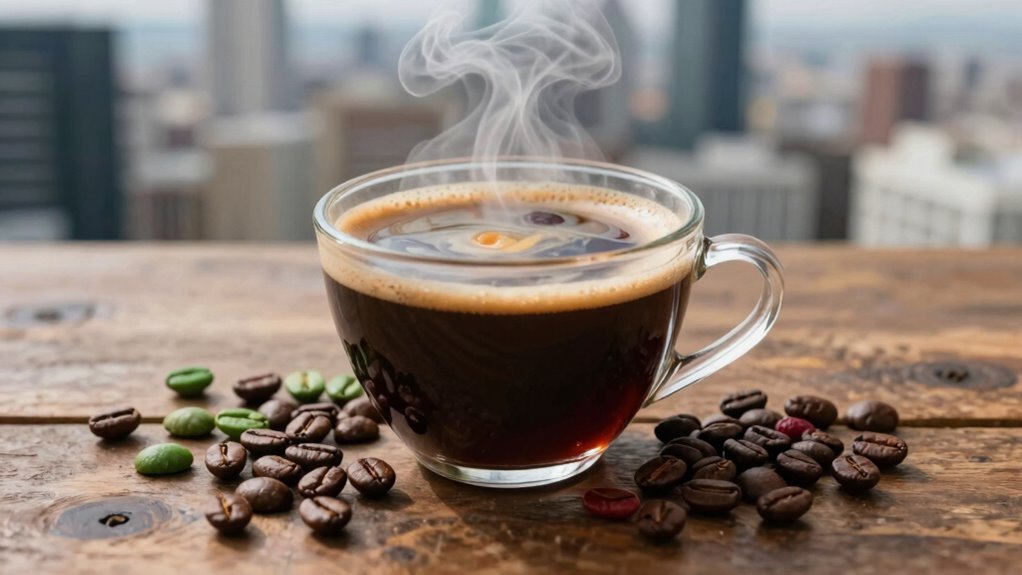
Your coffee’s flavor is heavily shaped by where the beans come from, with different regions offering unique taste profiles. Processing methods like washing or drying can change the coffee’s clarity and body, influencing how it tastes in your cup. Additionally, regional climate conditions, such as altitude and rainfall, further impact the beans’ development and flavor complexity. The tropical climate of certain coffee-growing regions can enhance specific flavor characteristics, making each cup distinct. Moreover, the processing techniques used can also influence the coffee’s overall profile, adding to its unique regional signature. Variations in climate conditions can lead to subtle but noticeable differences in flavor, even within the same region. Proper post-harvest handling also plays a crucial role in preserving and developing these regional flavor nuances. Developing an understanding of soil quality can further deepen your appreciation for the nuances in regional coffee flavors.
Origin’s Flavor Influence
The unique flavors of coffee beans are deeply shaped by their origin, with the geographical location and processing methods playing crucial roles. Your experience with coffee aroma and bean freshness depends heavily on the beans’ origin. Different regions contribute distinct flavor profiles through climate, soil, and altitude. Consider these factors:
- Climate influences the bean’s development, affecting acidity and aroma.
- Soil composition imparts unique mineral notes to the beans.
- Altitude impacts bean density and flavor complexity.
A proper storage method can help preserve the beans’ freshness and flavor nuances longer. Proper storage techniques, such as airtight containers and cool, dark environments, are essential for maintaining the beans’ freshness and preventing flavor loss. Freshly harvested beans retain their vibrant coffee aroma, while older beans may lose some of their nuanced flavors. Recognizing the origin helps you appreciate how these factors influence taste and guarantees you select beans that deliver excellent flavor and freshness. Additionally, the processing methods used can further enhance your appreciation of the diverse flavor profiles found in coffee beans from different regions.
Research into bioflavonoids suggests that the chemical composition of beans can also influence their health benefits and flavor nuances, adding another layer to understanding coffee’s complexity.
Processing Methods Alter Taste
After understanding how a coffee’s origin influences its flavor, it’s important to see how processing methods further shape the final taste. Your choice of processing techniques, like fermentation processes, impacts the coffee’s acidity, sweetness, and body. For example, washed coffees tend to be cleaner and brighter, while natural or dry-processed beans often have fruity, complex flavors. Roasting profiles also play a vital role; a light roast preserves delicate, fruity notes from the processing, whereas a dark roast can mask subtle differences. These methods work together to highlight or mute certain characteristics, making each cup unique. By understanding these processing steps, you can better appreciate how specific techniques influence the final flavor profile of your coffee. processing methods can significantly alter the sensory experience of your brew, especially when considering how different processing techniques impact flavor development. Additionally, chemical changes during processing can further enhance or diminish certain flavor compounds, shaping the overall tasting experience and highlighting the importance of proper processing to achieve desired taste outcomes. Recognizing the impact of processing helps coffee enthusiasts select beans that match their flavor preferences and enhances their overall appreciation of coffee.
Regional Climate Effects
Regional climate profoundly influences the flavor of coffee beans even before processing begins. Your coffee’s taste is shaped by regional weather and climate variations that affect bean development. These factors determine the bean’s size, density, and sugar content, which impact flavor. Specifically:
- Temperature and rainfall influence the growth cycle, affecting acidity and body.
- Humidity levels alter moisture content during drying, influencing sweetness and aroma.
- Altitude and microclimates create unique conditions that develop distinct flavor profiles.
- The climate variations experienced in different regions also impact the physiological development of the beans, contributing to their unique characteristics. Additionally, climate data can help producers optimize harvest times and processing methods for specific regions. Recognizing how regional climate influences bean physiology enables farmers to better predict flavor outcomes and improve quality. These climate variations lead to differences in bean physiology, which are carried through processing. As a result, coffee from different regions exhibits unique characteristics, making climate an essential element in shaping regional coffee flavors. Understanding these climate influences allows for more precise control over the final product’s consistency and quality.
Brewing Techniques That Influence Taste
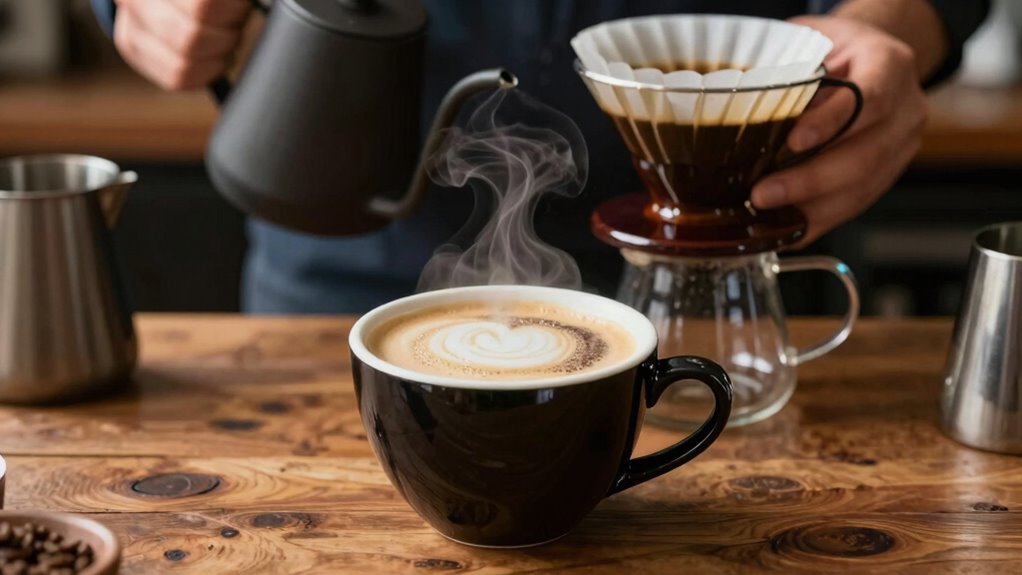
Brewing techniques play a crucial role in shaping the flavor profile of your coffee, often making each cup uniquely different depending on how it’s prepared. The history of coffee brewing reveals a variety of methods, from traditional pour-overs to modern espresso machines, each influencing taste. The type of brewing equipment you choose affects extraction, body, and aroma—factors that define your coffee’s character. For example, a French press emphasizes boldness and richness, while a drip brew offers clarity and subtlety. Understanding these techniques helps you control variables like grind size, water temperature, and brew time, ensuring you get the most out of each bean. Additionally, knowing about battery maintenance, such as proper charger settings and low-voltage cutoff, can keep your brewing equipment functioning optimally. Ultimately, mastering different brewing methods allows you to tailor your coffee experience to your preferences.
Cultural Coffee Styles Around the World
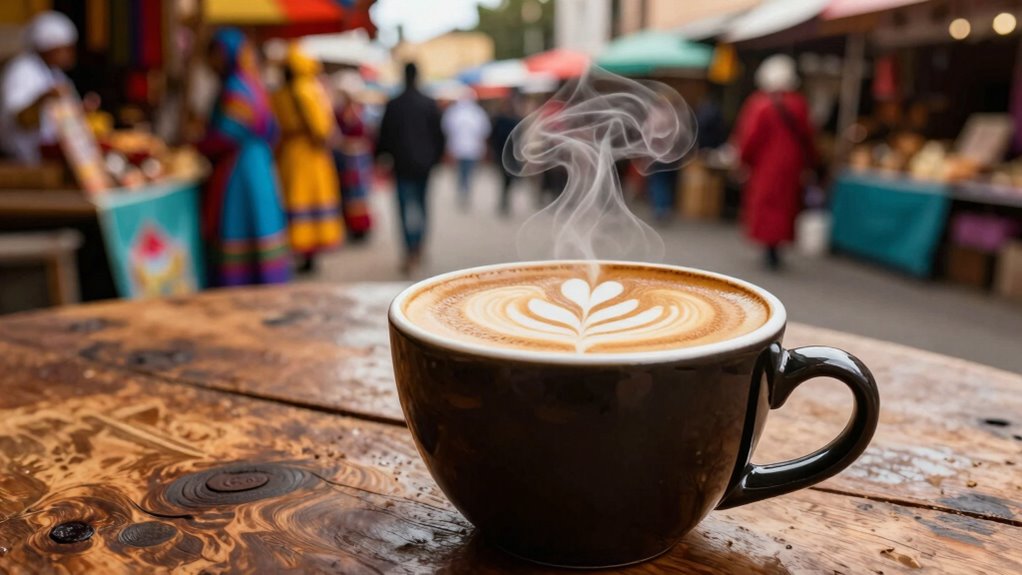
Around the world, coffee drinking reflects local customs and traditions, shaping unique styles and flavors. You’ll notice how brewing methods and cultural practices create distinct flavor profiles in different regions. Exploring these variations helps you understand why coffee tastes so diverse across cities and countries. For instance, traditional brewing techniques often influence the aroma and strength of the coffee, highlighting the deep connection between culture and beverage preferences. Additionally, regional flavor profiles are shaped by local ingredients and preferences, making each coffee experience uniquely tied to its cultural roots. The preparation methods used in each area also play a crucial role in defining the final taste and texture of the coffee. Different cities may also adopt customized serving styles, which further enhance the overall experience and flavor perception. These cultural influences demonstrate how local history and social habits deeply impact coffee flavors worldwide.
Brewing Techniques and Traditions
Across the globe, different cultures have developed unique methods to prepare their coffee, reflecting their traditions and tastes. Brewing techniques vary widely, influencing flavor and presentation. For example, in Ethiopia, the traditional coffee ceremony emphasizes coffee fermentation, creating complex flavors before serving. In Italy, espresso is brewed under high pressure, resulting in a concentrated shot with a distinct cup presentation. Meanwhile, Vietnam’s drip filters produce a slow brew, often combined with sweetened condensed milk. To deepen your understanding, consider these techniques:
- Coffee fermentation processes that develop unique flavor profiles.
- Brewing methods like espresso, pour-over, or Turkish coffee.
- Cup presentation styles that enhance the sensory experience.
- Home brewing equipment can significantly affect the final taste and aroma of your coffee, making it a crucial element in replicating authentic cultural styles at home. Additionally, understanding traditional brewing techniques can help you appreciate the cultural significance behind each method.
Unique Flavor Profiles
The way coffee is prepared reflects not only technical skill but also the cultural palate that shapes its flavor profile. You’ll notice how the coffee aroma varies from city to city, revealing local preferences and traditions. For example, in Italy, a higher brewing temperature extracts a bold, intense flavor, emphasizing rich aromas. In contrast, countries like Ethiopia favor cooler brewing methods, capturing a lighter, fruitier aroma. These differences influence how you experience each cup’s unique flavor profile. Cultural nuances also dictate the strength and sweetness levels, shaping your perception of the coffee. By understanding these subtle distinctions, you gain a deeper appreciation for how local customs and brewing temperatures create diverse, authentic coffee experiences around the world.
How Climate, Altitude, and Soil Affect Coffee Flavor
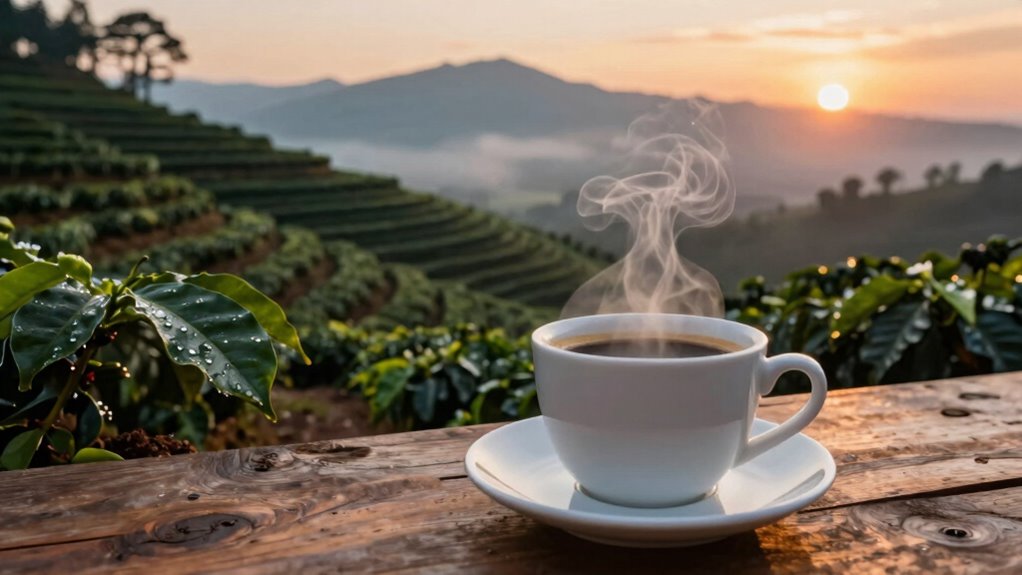
Climate, altitude, and soil each play an essential role in shaping the flavor profile of coffee, influencing how beans develop and what tastes they impart. You’ll notice that different regions produce unique flavors because of these factors. For example, higher altitudes often lead to denser beans with brighter acidity, while soil composition adds depth and mineral notes. Additionally, climate affects the ripening process and bean maturation, impacting flavor complexity. When exploring coffee, pay attention to how local coffee rituals and coffee farm biodiversity contribute to the overall profile. These elements work together to create distinct taste notes, such as fruity, floral, or earthy. Understanding this connection helps you appreciate why a coffee from one city can taste so different from another.
How Shipping and Storage Affect Coffee Freshness
Shipping and storage methods play a crucial role in maintaining coffee’s freshness from the moment it leaves the farm to when it reaches your cup. High packaging quality prevents exposure to air, moisture, and light, which can degrade flavor and aroma. Poor packaging allows stale air and humidity to seep in, accelerating staleness. Transportation delays can also impact freshness, as extended transit times increase exposure to temperature fluctuations and air contact. If delays occur, coffee may sit in warehouses or transit hubs longer than expected, leading to flavor loss. Proper logistics and quality packaging guarantee beans stay fresh, preserving their complex flavors. When these factors are optimized, your coffee arrives with vibrant aroma and taste, making a noticeable difference in your brewing experience.
Tips to Recreate Local Coffee Flavors at Home
To recreate local coffee flavors at home, start by understanding the specific brewing methods and ingredients used in your favorite region. Focus on key factors like coffee bean fermentation, which influences flavor profiles, and seek out barista training resources to master brewing techniques.
Consider these steps:
- Use beans from regions known for distinct fermentation processes to capture unique tastes.
- Experiment with brewing methods like pour-over or Aeropress, mimicking local styles.
- Adjust grind size and water temperature to match traditional practices, enhancing flavor extraction.
Frequently Asked Questions
How Does Local Water Mineral Content Specifically Alter Coffee Taste?
Local water mineral content directly impacts your coffee’s flavor by influencing mineralization, which affects how flavors are extracted during brewing. Higher mineral levels can enhance extraction, boosting brightness and body, while softer water with fewer minerals may produce a milder taste. You’ll notice these subtle differences in aroma and acidity because mineralization alters how water interacts with coffee grounds, ultimately shaping your overall coffee experience.
Do Different Coffee Bean Varieties Respond Uniquely to Regional Growing Conditions?
Did you know that over 60% of coffee flavor is influenced by the variety and growing conditions? Different coffee bean genetics respond uniquely to regional factors like soil composition influence, which affects nutrient availability and flavor development. So, when you taste coffee from different regions, you’re experiencing how specific bean varieties adapt and flourish under local conditions, creating diverse, nuanced flavors that make each cup uniquely delightful.
How Do Local Brewing Customs Influence Perceived Coffee Flavor Profiles?
Your perception of coffee flavor is shaped by local brewing customs and traditional techniques. When you follow cultural brewing practices, such as specific methods or ingredients, they influence the coffee’s taste and aroma. These customs often emphasize unique techniques, like Turkish cezve brewing or Vietnamese drip filters, which enhance or alter flavors. As a result, your experience of coffee’s flavor profile varies depending on the region’s traditional methods, making each city’s coffee distinct.
Can Climate Change Impact the Long-Term Flavor Consistency of Regional Coffees?
Climate change can definitely impact the long-term flavor consistency of regional coffees. As temperatures rise and weather patterns shift, coffee plants face stress, affecting their resilience. Your coffee’s flavor may vary due to climate adaptation efforts, which aim to develop more resilient varieties. These adaptations help maintain coffee quality, but ongoing climate impacts could still cause flavor inconsistencies over time, making it essential for growers to prioritize coffee resilience strategies.
What Role Does Local Roasting Style Play in Regional Coffee Taste Variations?
Your local roasting style markedly influences regional coffee taste variations by shaping flavor perception. Roasting techniques, such as roast level and duration, alter the beans’ aroma and acidity. When roasters customize these techniques to reflect local preferences, it creates unique flavor profiles. As a result, even the same beans can taste different across cities, highlighting how regional roasting styles directly impact the overall coffee experience you enjoy.
Conclusion
Remember, “You are what you eat,” and the same goes for coffee—you taste what’s around it. By understanding how water quality, origin, brewing methods, and storage shape flavor, you can better appreciate the diverse coffee scenes worldwide. Whether you’re exploring local cafes or brewing at home, embrace the journey of discovery. After all, each cup tells a story, so savor every sip and keep an open mind—your perfect brew is just a taste away.
Halloween Picks
halloween
As an affiliate, we earn on qualifying purchases.