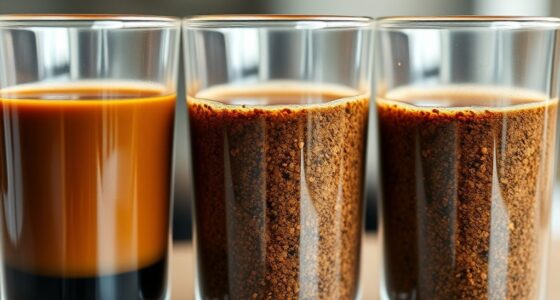
Decaf coffee isn’t completely caffeine-free; it contains small amounts that vary depending on the decaffeination process and brewing style. Typically, a cup has about 5 to 10 mg of caffeine, but this can be higher or lower based on the brand, method used, and how you prepare it. Many people assume decaf has no caffeine at all, but in reality, residual traces remain. If you want to understand what impacts caffeine levels, there’s more to uncover.

Get coffee and tea gear delivered free with Prime
- Fast, free delivery on millions of items
- Prime Video, Amazon Music and more included
- Member-only deals all year
Key Takeaways
- Decaf coffee contains trace amounts of caffeine, typically between 5 to 10 mg per 8 oz cup.
- Decaffeination processes cannot remove all caffeine, so decaf is not entirely caffeine-free.
- Caffeine levels vary by brand, decaffeination method, and brewing style, causing differences in residual caffeine.
- Labels often do not specify exact caffeine content, leading to the misconception that decaf has none.
- Even small caffeine amounts in decaf can affect highly sensitive individuals.
decaf coffee with lowest caffeine content
As an affiliate, we earn on qualifying purchases.
As an affiliate, we earn on qualifying purchases.
How Decaffeination Works and Its Effectiveness
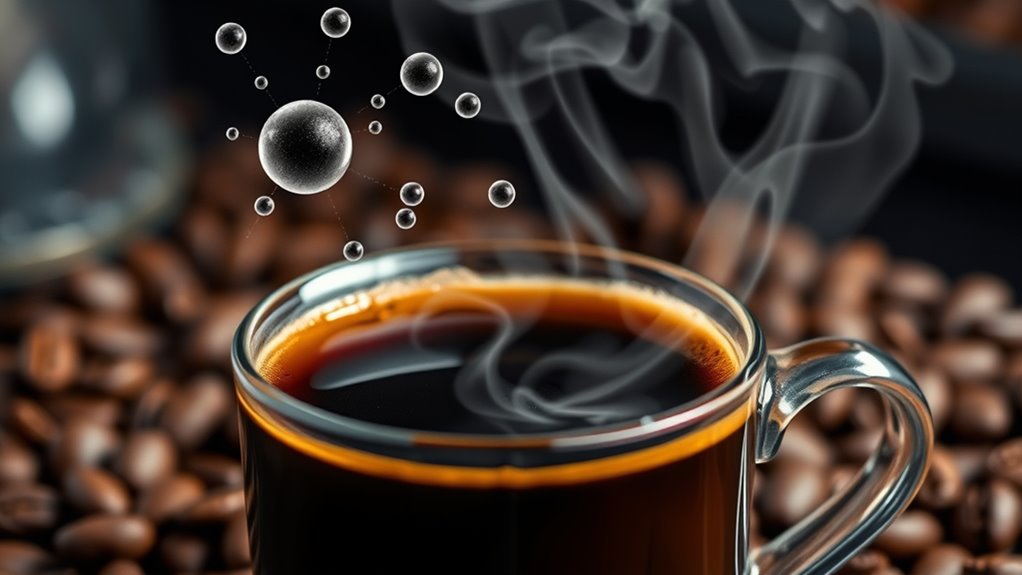
Decaffeination works by removing most of the caffeine from coffee beans using various methods, but it never eliminates all traces of caffeine. You should know that these processes typically remove about 97% to 99% of caffeine. The most common techniques include water-based extraction, organic solvent rinsing, and carbon dioxide extraction. Each method involves soaking or treating the beans to dissolve caffeine, then removing it while preserving flavor. Natural or chemical-free options use water or sugarcane derivatives to decaffeinate the beans. Although these methods differ slightly in their approach, they all aim to reduce caffeine content markedly. However, none can guarantee complete removal, which is why trace amounts of caffeine always remain in decaf coffee. Additionally, the decaffeination process can sometimes alter the flavor profile of the coffee, which is why some coffee enthusiasts prefer certain methods over others. Furthermore, recent advances in decaffeination technology aim to minimize flavor changes and improve caffeine removal efficiency.
Typical Caffeine Levels in Decaf Coffee
You might assume decaf coffee has no caffeine, but it actually contains a small amount—usually between 2 and 15 mg per 8 oz cup. This range varies depending on factors like brand, decaffeination method, and brewing style. Understanding these variables helps you better estimate your caffeine intake from decaf.
Typical Caffeine Range
Decaf coffee typically contains between 2 and 15 milligrams of caffeine per 8-ounce cup, though most sources agree on a range of about 5 to 10 milligrams. This low level means you’re still consuming tiny amounts of caffeine, but it’s markedly less than regular coffee. The actual caffeine content can vary based on the decaffeination process, bean origin, and brewing method. Even within the same brand, caffeine levels can fluctuate slightly from batch to batch. If you’re particularly sensitive to caffeine or trying to avoid it altogether, understanding this range helps you manage your intake better. Keep in mind, larger servings or stronger brewing methods may increase caffeine exposure, but decaf generally stays within this narrow, low milligram window.
Variability Factors
Various factors influence the caffeine levels in decaf coffee, making it difficult to pinpoint an exact amount in every cup. You might find differences based on several elements, such as:
- The brand and decaffeination process used, which affects how much caffeine remains
- Serving size and brewing method, which can increase or decrease caffeine extraction
- Grind size and water temperature, influencing how efficiently caffeine is pulled from the beans
For example, Starbucks decaf espresso can contain 3-16 mg of caffeine, while brewed decaf typically ranges from 12-13 mg. Larger servings naturally deliver more caffeine. Even within the same brand, these factors cause variation, so consuming decaf isn’t as caffeine-free as you might think.
Variations in Caffeine Content Across Brands and Methods

Caffeine levels in decaffeinated coffee can vary considerably depending on the brand and the decaffeination method used. Some brands may have as little as 2 mg per cup, while others can contain up to 15 mg. The decaffeination process influences this range: water-based methods tend to leave slightly more caffeine than solvent-based or supercritical CO₂ techniques. Additionally, different brands may source beans with varying caffeine levels initially, affecting the final amount. Decaffeination methods significantly impact caffeine content, and understanding these can help consumers make more informed choices. Moreover, removal efficiency can differ based on the technique employed, contributing to variations in caffeine levels. For example, processing techniques can lead to different residual caffeine amounts, making it tricky to determine the exact caffeine you’re consuming from one cup to another. These variations are further influenced by factors such as bean origin, which can alter caffeine content even before processing begins. Overall, these factors create a wide spectrum of caffeine content across decaf brands, making it tricky to determine the exact caffeine you’re consuming from one cup to another. Essential Oils can also be added to beverages like tea to enhance flavor and aroma, but it’s important to consider the safety and proper usage of such additions.
Comparing Decaf Coffee to Other Common Beverages
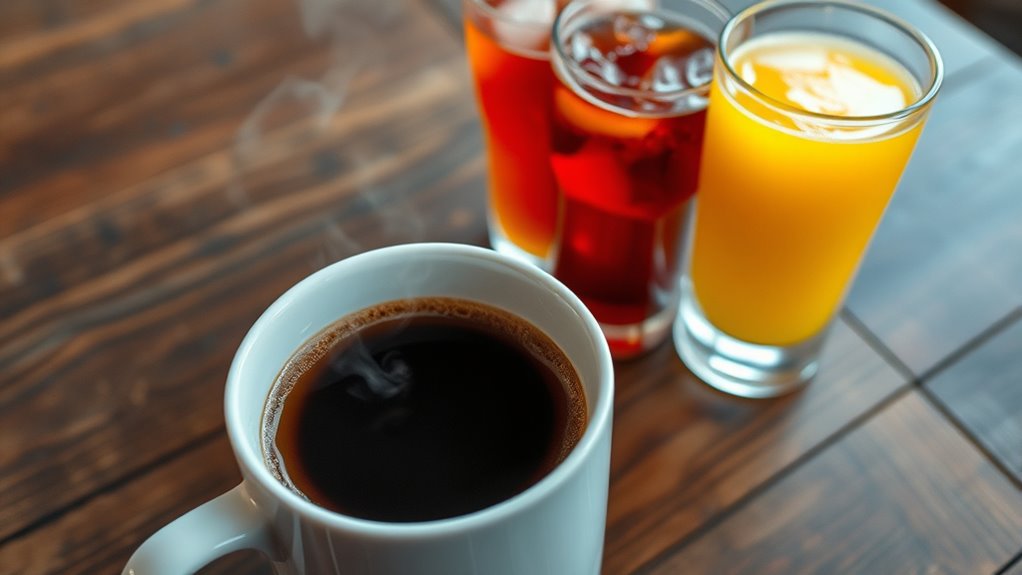
When comparing decaf coffee to other popular beverages, it’s clear that caffeine content varies widely across drinks. You might think decaf is caffeine-free, but it usually contains about 2 to 15 mg per 8 oz cup. In contrast, regular coffee has 70 to 165 mg, and energy drinks often pack 90+ mg per serving. Additionally, Ice Cream Recipes often feature various ingredients and techniques that do not involve caffeine, making them suitable for caffeine-sensitive individuals. Here’s how they stack up:
- Black tea: 40–95 mg per cup
- Green tea: 25–28 mg per cup
- Herbal tea: No caffeine
Decaf falls somewhere in the low-milligram range, making it a much gentler option. If you’re sensitive to caffeine or trying to cut back, understanding these differences helps you choose wisely.
Factors That Influence Caffeine Residue in Decaf
Several factors can influence the amount of caffeine remaining in decaf coffee after processing. The decaffeination method plays a major role; for example, water-based, solvent, and carbon dioxide processes each remove caffeine differently, leaving varying trace amounts. The initial caffeine content of the raw beans also matters, as beans with higher caffeine levels may still retain slightly more after decaffeination. Brewing techniques, such as water temperature, extraction time, and grind size, affect how much caffeine is pulled from the beans. Serving size directly impacts caffeine intake, with larger portions containing more residual caffeine. Additionally, the freshness of the coffee, storage conditions, and even the specific brand influence how much caffeine remains in your cup. Understanding the decaffeination process is essential to grasp how these factors impact residual caffeine levels. Processing methods significantly determine the amount of caffeine that remains, with some methods being more effective at removing caffeine than others. The storage and freshness of coffee also play a role in caffeine content, as older or improperly stored beans may alter extraction efficiency. All these factors combine to determine the tiny but present caffeine residue in decaf coffee.
Health Implications of Consuming Decaf
Consuming decaf coffee generally poses minimal health risks for most people, especially when consumed within recommended limits. Its low caffeine content makes it suitable for those sensitive to caffeine or with health conditions. However, it’s important to be aware of potential effects:
- Reduced anxiety and better sleep: Decaf may help improve sleep quality and reduce jitteriness caused by caffeine. Additionally, some studies suggest that decaf can still contain trace amounts of caffeine, which may affect very sensitive individuals.
- Antioxidant benefits: You still get many antioxidants found in regular coffee, supporting overall health.
- Possible trace caffeine effects: Highly sensitive individuals might experience mild caffeine-related symptoms, like increased heart rate or mild jitters, even from decaf. Awareness of caffeine sensitivity can help manage expectations.
- Understanding zodiac compatibility can help you determine if your health or social interactions are influenced by personal traits linked to your astrological sign.
- Furthermore, the presence of contaminants in some decaf products highlights the importance of choosing reputable brands to minimize exposure to unwanted substances. Regular testing and quality control in decaf production can significantly reduce contaminant levels, ensuring safer consumption.
- It is also worth noting that some decaffeination processes may involve chemicals that could impact health, which underscores the importance of selecting decaf options processed through chemical-free methods.
While decaf is a safer alternative for many, moderation remains key, especially if you’re caffeine-sensitive or managing health issues. Always consider your personal tolerance and consult a healthcare provider if unsure.
Common Myths and Misunderstandings About Decaf
Many people believe decaf coffee is completely caffeine-free, but it actually contains small amounts of caffeine. This misconception persists because labels can be misleading, and caffeine levels vary between brands and brewing methods. Understanding that caffeine content isn’t uniform helps you make better choices based on your sensitivity and health needs. Additionally, some animal feed additives used in caffeine extraction processes can leave trace amounts in decaffeinated products. Moreover, ongoing regulatory standards for decaf coffee aim to limit residual caffeine, but they do not guarantee the absence of caffeine entirely.
Decaf Isn’t Caffeine-Free
It’s a common misconception that decaf coffee contains no caffeine at all, but in reality, it never truly becomes caffeine-free. Even after decaffeination, trace amounts remain due to the process’s limitations. This small caffeine content can add up, especially if you drink multiple cups daily. Additionally, understanding the decaffeination process can help clarify why some residual caffeine persists. You might believe decaf is completely caffeine-free because:
- It’s labeled “decaffeinated,” not “caffeine-free.”
- The caffeine levels are often very low, making it seem negligible.
- Different brands and methods leave varying amounts of caffeine behind.
- The decaffeination techniques used influence how much caffeine remains in the final product.
- The caffeine content in decaf can vary significantly depending on the specific decaffeination method employed.
Furthermore, decaffeinated coffee can still contain enough caffeine to affect sensitive individuals or those limiting their intake, emphasizing the importance of being aware of these residual amounts to make informed choices. Understanding this helps you make informed choices, especially if you’re sensitive to caffeine or trying to eliminate it entirely. Keep in mind, decaf isn’t a pure caffeine-free beverage; it’s just substantially lower in caffeine than regular coffee.
Popular Misconceptions Persist
Despite common beliefs, decaf coffee doesn’t contain zero caffeine, and many misconceptions about its caffeine content still circulate. Some think decaf is completely caffeine-free, leading to surprise or disappointment when they find trace amounts remain. Others assume the caffeine level is the same across all brands, but decaffeination methods and bean origins cause variation. Many misunderstand that even a small amount of caffeine in decaf can affect sensitive individuals or those avoiding caffeine entirely. Additionally, crochet styles for locs can be used to customize and enhance the appearance of decaffeinated coffee cups or merchandise. These misconceptions can influence consumer choices and expectations, causing confusion about how much caffeine they’re actually consuming. Recognizing that decaf isn’t entirely caffeine-free helps you make more informed decisions, especially if you need to limit caffeine intake for health reasons or personal preference. Since the decaffeination process varies, some methods remove more caffeine than others, impacting the final caffeine content.
Variability in Caffeine Levels
Caffeine levels in decaf coffee can vary markedly depending on factors like brand, decaffeination process, and brewing method, which often leads to confusion. You might think all decaf is the same, but it isn’t. Several factors influence caffeine content:
- Different decaffeination methods, like water or solvent-based processes, leave varying trace amounts.
- Serving size and brewing technique—such as espresso versus drip—impact caffeine levels.
- Brand and origin can cause fluctuation, with some decafs containing more caffeine than others.
This variability means that even within the same brand, caffeine amounts can differ from cup to cup. So, if you’re sensitive to caffeine or trying to limit intake, it’s essential to contemplate these factors rather than assuming decaf is always caffeine-free.
Making Informed Choices About Decaf Coffee
Are you aware that decaf coffee still contains small amounts of caffeine? Knowing this helps you make smarter choices based on your health or sensitivity. First, check labels and ask about caffeine content, especially if you’re highly sensitive or avoiding caffeine entirely. Keep in mind that most decaf coffees have 5 to 10 mg per 8 oz, but this varies by brand and brewing method. If you’re trying to cut caffeine completely, consider herbal teas or caffeine-free beverages. Be mindful of serving sizes and brewing styles, as larger cups or longer brewing times can increase caffeine intake. Staying informed allows you to enjoy decaf responsibly and avoid surprises, especially if you need to limit caffeine for health reasons.
Frequently Asked Questions
Can Decaf Coffee Cause Caffeine Addiction?
Yes, decaf coffee can cause caffeine addiction, though it’s less likely than regular coffee. Because decaf still contains small amounts of caffeine—about 5 to 10 mg per cup—regular consumption can lead to dependence over time, especially if you drink multiple cups daily. Your body can develop a craving for even tiny caffeine doses, resulting in withdrawal symptoms like headaches or fatigue if you suddenly stop.
Are Organic Decaf Coffees Lower in Caffeine?
Think of organic decaf coffee as a gentle stream, subtly flowing with less caffeine than conventional options. Yes, organic decaf often contains slightly lower caffeine levels because the decaffeination process used in organic methods can be more thorough, and fewer chemicals are involved. However, the caffeine difference isn’t huge—most still have around 5 to 10 mg per cup—so if you’re aiming for zero caffeine, decaf still isn’t completely caffeine-free.
Does Decaf Coffee Still Contain Antioxidants?
Yes, decaf coffee still contains antioxidants. You benefit from many of the same healthful compounds found in regular coffee, like chlorogenic acids and polyphenols, which act as antioxidants. These substances help protect your cells from damage and support overall health. Even though decaf has most of its caffeine removed, it retains these beneficial antioxidants, making it a good choice if you’re aiming for health benefits without the stimulant effects.
How Does Brewing Method Affect Decaf Caffeine Levels?
Brewing boosts decaf’s caffeine content by extracting more from beans. You’ll find that methods like drip brewing, French press, or espresso influence how much caffeine remains. For example, longer extraction times and higher temperatures typically result in more caffeine in your cup. Smaller, quicker brews, or cold brew techniques, may retain less caffeine. So, your brewing style directly determines the tiny, trace amounts of caffeine lurking in decaf.
Is Decaf Coffee Safe for Pregnant Women?
Yes, decaf coffee is generally safe for pregnant women because it contains only trace amounts of caffeine, usually around 5-10 mg per 8-ounce cup. However, it’s best to limit intake because even small caffeine amounts can affect pregnancy. You should consult your healthcare provider to determine what’s safe for your specific situation, especially if you’re sensitive to caffeine or trying to reduce intake further.
Conclusion
Remember, decaf isn’t completely caffeine-free; it’s more like a shadow of the original. While it may seem like a safe haven for caffeine-sensitive folks, small amounts can still sneak through. Knowing how decaf is made and its varying caffeine levels helps you make smarter choices. Think of decaf as a gentle whisper rather than a loud shout—you’re still getting some caffeine, so stay mindful and enjoy it on your own terms.
Halloween Picks
halloween
As an affiliate, we earn on qualifying purchases.