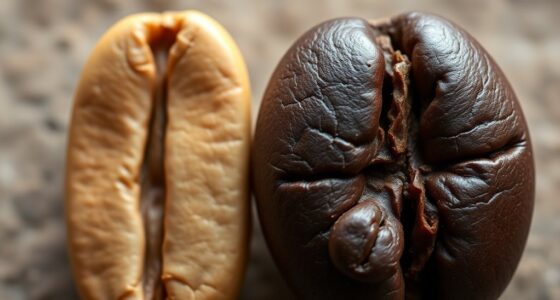

The most expensive coffee in the world gets its high price from rare origins, like Panama Geisha and Black Ivory, and unique processing methods such as fermentation or animal digestion that create distinct flavors. Limited production and high auction prices also add to its exclusivity. If you want to discover how craftsmanship, microclimates, and luxury experiences drive these costs, you’ll find fascinating details ahead.
Key Takeaways
- The most expensive coffees, like Panama Geisha and Black Ivory, derive high costs from rarity, unique origins, and exclusive processing methods.
- Specialized fermentation and hand-processing techniques develop complex, distinctive flavors that justify premium pricing.
- Limited production, microclimate advantages, and storytelling about provenance significantly increase perceived value.
- High-profile auctions and celebrity endorsements drive up prices, reflecting the coffee’s status and exclusivity.
- Sustainability certifications and eco-friendly practices add to the luxury appeal and market value of top-tier coffees.

Breville Barista Express Espresso Machine BES870XL, Brushed Stainless Steel
The Breville Barista Express delivers third wave specialty coffee at home using the 4 keys formula and is...
As an affiliate, we earn on qualifying purchases.
Top Contenders in the Luxury Coffee Market
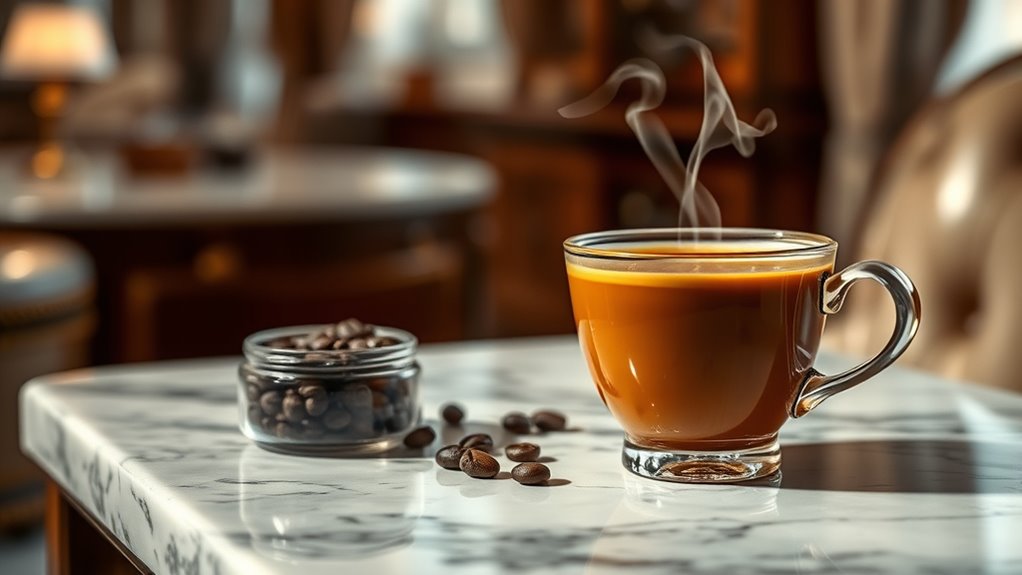
In the world of luxury coffee, a few elite varieties dominate the market with their exceptional rarity, unique processing methods, and extraordinary prices. You’ll find Black Ivory Coffee from Thailand, produced through an elephant digestion process, priced around USD 1,500 per pound. Panama Geisha, especially from the Elida Estate, leads the pack with prices soaring up to USD 4,150 per pound, thanks to its highly coveted flavor profile. Kopi Luwak from Indonesia, processed through civet cats, ranges between USD 600 and USD 1,300 per pound, known for its smooth acidity and chocolate notes. Ospina Dynasty Coffee from Colombia and Kona Coffee from Hawaii also rank high, valued for their tradition, quality, and distinctive terroirs. These coffees represent the pinnacle of exclusivity, attracting connoisseurs worldwide. Sizing and load‑planning tools help enthusiasts understand the investment needed to store and enjoy these rare brews. Additionally, the market value of these coffees reflects their rarity and the high demand among collectors and aficionados. Moreover, the sustainable sourcing practices of some of these producers are increasingly influencing their desirability and price. To preserve their value, many collectors are adopting home organization strategies to carefully store and maintain these precious items. Proper storage conditions are essential to ensure that these coffees retain their unique flavors over time.

LINKLIFE Automatic Espresso Machine with Grinder and Milk Frother - Super Expresso Coffee Machines Maker with 7 One-Touch Coffee Recipes for Latte, Cappuccino, Americano, Iced and Hot Coffee (Black)
7 ONE-TOUCH RECIPES: Customize drinks by adjusting coffee volume and milk froth levels. This automatic espresso machine combines...
As an affiliate, we earn on qualifying purchases.
Unique and Intricate Production Techniques

You’ll find that specialized fermentation processes, like those used in Black Ivory or Coati Coffee, considerably enhance flavor complexity and rarity. Handcrafted techniques, including meticulous hand-picking and careful processing, ensure each bean meets the highest standards. These intricate methods elevate the coffee’s exclusivity and justify its premium price. Additionally, employing advanced processing technology allows for even greater control over flavor profiles, further increasing the coffee’s uniqueness and perceived value. Incorporating mindfulness techniques during the processing stages can also promote attention to detail, ensuring the highest quality in each batch. Moreover, the use of specialized equipment in the processing stages further refines the quality and consistency of these exclusive coffees.
Specialized Fermentation Processes
Specialized fermentation processes elevate the complexity and uniqueness of premium coffees, transforming raw beans into luxurious tasting experiences. You might not realize, but how the beans are fermented substantially impacts flavor, aroma, and texture. Techniques like anaerobic fermentation involve sealing beans in airtight tanks, allowing controlled microbial activity that enhances fruity and floral notes. Some producers use specific yeast strains or bacteria to develop distinctive profiles, such as increased sweetness or nuanced acidity. These processes can take longer and require meticulous monitoring, ensuring perfect conditions. The result is an exceptional cup with heightened complexity and depth, justifying the high price tag. These intricate fermentation methods create rare and refined flavor nuances that set the world’s most expensive coffees apart from standard varieties. Additionally, employing attention during fermentation can further influence the development of complex flavors, emphasizing the importance of focused and careful process control.
Handcrafted Craftsmanship Techniques
Handcrafted craftsmanship techniques are at the heart of producing the world’s most expensive coffees, where every step reflects meticulous skill and attention to detail. You carefully select and hand-pick ripe cherries, ensuring only the best are harvested. Then, you employ traditional processing methods such as precise washing, sun-drying, and hand-sorting to preserve flavor integrity. During roasting, you monitor each batch closely, adjusting temperature and duration to highlight unique characteristics. Baristas and producers often customize brewing methods, like pour-over or siphon, to extract maximum aroma and taste. These artisanal techniques demand patience and expertise, elevating each cup from ordinary to extraordinary. Proper cleaning and maintenance of equipment further ensures the preservation of delicate flavors, preventing contamination or spoilage. The use of traditional methods further enhances the complexity and uniqueness of each batch. Additionally, implementing quality control measures ensures consistent excellence in every harvest. Maintaining strict hygiene standards and careful handling during processing also contribute to the overall quality of the coffee. Your dedication to craftsmanship guarantees that every sip offers a complex, refined experience, justifying the high price tag of these rare coffees. Furthermore, incorporating innovative techniques can help artisans develop distinctive flavor profiles that set these coffees apart in the global market.

Philips 3200 Series Fully Automatic Espresso Machine, LatteGo Milk Frother, 5 Coffee Varieties, Intuitive Touch Display, 100% Ceramic Grinder, AquaClean Filter, My Coffee Choice, Black (EP3241/54)
5 AROMATIC COFFEES: Enjoy your favorite coffees for special moments. Whether you crave an espresso, coffee, americano, cappuccino...
As an affiliate, we earn on qualifying purchases.
Record-Breaking Auction Achievements
You’ve probably noticed that record-breaking auction prices are driving the market’s excitement, with some coffees fetching millions. These staggering bids reflect soaring global demand for rare, luxury brews and exclusivity. As interest grows, more record prices are likely to be set, shaping the future of high-end coffee markets.
Record Auction Prices
Record-breaking auction prices for luxury coffees highlight just how valuable rarity and quality have become in the specialty market. You’ve seen prices soar at major auctions, with Panama Geisha setting a new benchmark by selling for over USD 10,000 per kilogram. The 2025 Best of Panama auction alone generated over USD 2.8 million, driven by extreme demand for these rare beans. Large lots of Geisha and Kona SL 34 have fetched record sums, including a USD 604,000 purchase of 20 kg of Geisha in Dubai. These prices reflect a global shift toward valuing exclusivity, craftsmanship, and unique origin stories. Such record auction achievements underscore how much collectors and connoisseurs are willing to pay for the rarest, most refined coffees, pushing the market to new heights. Recognizing the significance of soil quality and climate conditions helps explain the variations and rarity that drive auction prices higher. Additionally, environmental sustainability has become an increasingly important aspect influencing the value and perception of these exclusive coffees. Moreover, UV radiation influences the growth and flavor profile of coffee beans, adding another layer of complexity to their cultivation and valuation.
Market Demand Surge
Have you noticed how auction prices for luxury coffees are skyrocketing? This surge reflects a growing global demand for rare, exclusive brews. Here’s what’s driving the trend:
- Record-breaking sales, like the Panama Geisha that sold for over USD 10,000 per kilogram, attract worldwide attention.
- High-profile auctions, such as Dubai’s USD 604,000 purchase of Geisha, boost market visibility and desirability.
- Consumer interest in unique flavors and provenance makes these coffees highly sought after in luxury markets.
- Investment in rare coffee lots, seen in multi-million dollar auction totals, signals a shift toward viewing coffee as a valuable asset class.
- The increasing importance of color accuracy in marketing materials and branding enhances the perceived quality and exclusivity of these premium coffees.
- Additionally, the rarity and exclusivity of these coffees often lead to collectible status, further driving up prices.
- As with credit card processing, ensuring secure transactions during high-value sales is crucial, highlighting the significance of fraud prevention tools in protecting both buyers and sellers.
This demand fuels exponential price increases, making these coffees not just beverages but symbols of status and exclusivity.

Philips 1200 Series Fully Automatic Espresso Machine, Classic Milk Frother, 2 Coffee Varieties, Intuitive Touch Display, 100% Ceramic Grinder, AquaClean Filter, Aroma Seal, Black (EP1220/04)
With Philips 1200 Series enjoy the delicious taste and aroma of coffee from fresh beans at the perfect...
As an affiliate, we earn on qualifying purchases.
Flavor Profiles That Justify the Price

The complex and distinctive flavor profiles of high-end coffees are what truly justify their steep prices. You’ll notice notes like jasmine, tropical fruit, and honey in rare varieties like Panama Geisha. Kopi Luwak offers smooth, full-bodied taste with subtle chocolate hints, while Black Ivory delivers a chocolatey, less bitter experience thanks to elephant fermentation. These unique flavors are achieved through specific processing methods and microclimates, creating a sensory experience that’s hard to find elsewhere. Here’s a visual summary:
| Coffee Type | Key Flavor Notes | Unique Characteristics |
|---|---|---|
| Panama Geisha | Jasmine, apricot, peach | Bright acidity, floral aroma |
| Kopi Luwak | Chocolate, smooth, rich | Full body, mild bitterness |
| Black Ivory | Chocolate, mellow | Reduced bitterness, fermented flavor |
| Specialty Blends | Honey, citrus, floral | Complex, delicate sweetness |
Additionally, refrigerants used in high-end coffee processing can influence flavor preservation and environmental impact.
Prime Geographic Origins and Their Impact
Prime geographic origins play a essential role in shaping the flavor, quality, and exclusivity of the world’s most expensive coffees. Your choice of origin influences altitude, climate, soil, and microclimate, all critical to developing unique taste profiles. Consider these key regions:
- Panama (Elida Estate & Finca Sophia): High-altitude cultivation produces Geisha with bright, floral, and tropical notes, fetching record prices.
- Indonesia (Java, Sumatra): Eco-friendly farms create Kopi Luwak with distinctive full-bodied, chocolatey flavors influenced by volcanic soil.
- Hawaii (Kona): Volcanic slopes provide mineral-rich soil, resulting in smooth, well-balanced coffee with unique terroir.
- Thailand (Golden Triangle): Exclusive Black Ivory coffee benefits from the region’s rich environment, imparting chocolate and fruity undertones.
Your coffee’s origin directly impacts its rarity, flavor, and market value.
The Role of Rarity and Exclusivity
Rarity and exclusivity considerably drive the high prices of the world’s most expensive coffees. You’ll find that limited production, unique processing methods, and specific origins create scarcity, making these coffees highly sought after. For example, Panama Geisha’s record-breaking auction prices are due to its rare cultivation at high altitudes with exceptional microclimates, combined with meticulous processing. Similarly, Black Ivory Coffee’s elephant digestion process yields a tiny supply—only a few hundred kilograms annually—adding to its exclusivity. Consumers are willing to pay a premium because these coffees are not only difficult to obtain but also symbolize status and sophistication. The limited availability and unique story behind each variety elevate their desirability, allowing sellers to command prices that reflect their rarity and the luxury experience they represent.
Consumer Experiences and Luxury Settings
When you indulge in the world’s most expensive coffee, you’re often treated to exclusive presentation and premium tasting environments. These luxury settings enhance the experience, emphasizing craftsmanship and attention to detail. As a result, every sip becomes a memorable moment of sophistication and refinement.
Exclusive Coffee Presentation
Experiencing the world’s most expensive coffees often means stepping into a luxury setting where presentation elevates the entire tasting experience. You’re not just sipping coffee; you’re immersed in an artful display of craftsmanship and exclusivity. Here are four ways this is achieved:
- Elegant Serveware – Fine porcelain cups, crystal glasses, or handcrafted vessels enhance visual appeal and feel luxurious.
- Precise Brewing Techniques – Baristas meticulously prepare each cup using methods like pour-over or siphon, emphasizing precision and artistry.
- Aromatic Presentation – Swirling aromas are released before sip, heightening anticipation and engaging your senses.
- Limited-Edition Packaging – Rare coffees often come in bespoke containers or luxury boxes, emphasizing rarity and exclusivity.
These details turn a simple coffee into an indulgent, memorable experience.
Premium Tasting Environments
Premium tasting environments elevate the experience of savoring the world’s most expensive coffees by immersing you in luxurious settings designed for indulgence. When you visit high-end cafes or exclusive lounges, every detail—from elegant decor to ambient lighting—creates a refined atmosphere that enhances flavor perception. Skilled baristas often serve these rare brews with precision, using specialized equipment like hand-crafted pour-over stations or vintage coffee makers, adding to the sense of occasion. Some venues offer panoramic views or private rooms, making your tasting feel intimate and exclusive. These environments don’t just serve coffee—they craft a sensory journey that amplifies its rarity and complexity, making each sip more memorable. Luxury settings turn the simple act of drinking coffee into an immersive, indulgent experience.
The Economics Behind Premium Pricing
The high prices of luxury coffees are driven by a combination of scarcity, meticulous production methods, and strong consumer demand for exclusivity. You’ll find that these factors create a premium market where rarity and craftsmanship justify the cost. Here’s what influences the pricing:
- Limited supply due to labor-intensive harvesting and rare production techniques.
- Unique processing methods, like elephant digestion or civet droppings, add complexity and exclusivity.
- Record-breaking auction prices for rare lots demonstrate market valuation.
- Consumer willingness to pay a premium for exceptional flavor profiles and provenance.
These elements combine to elevate the perceived value, making these coffees more than just a beverage—they’re a luxury investment. The scarcity and effort behind each cup drive prices sky-high, reinforcing their exclusivity.
Trends Driving the High-End Coffee Market
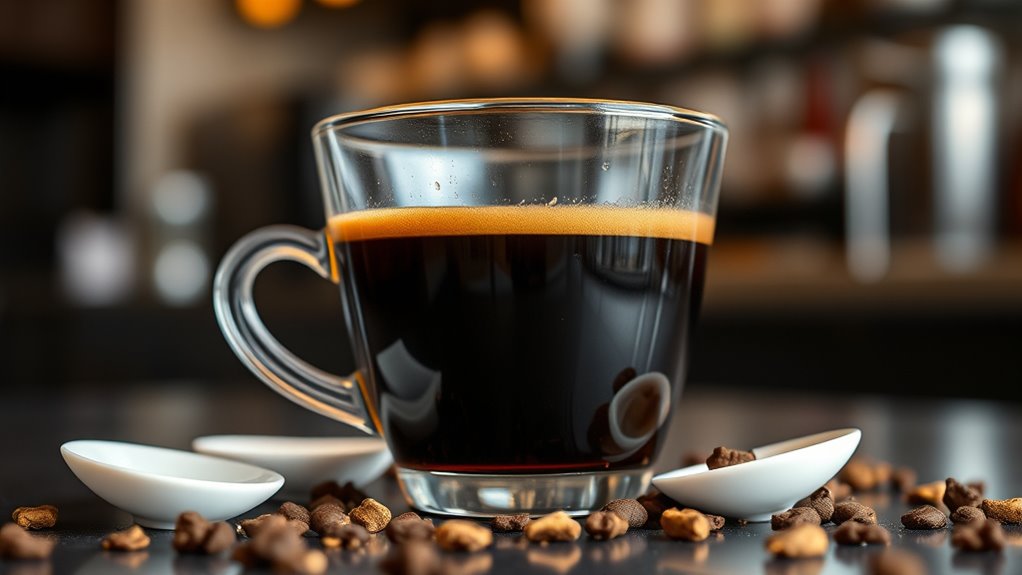
Rising consumer interest in exclusivity and unique flavor profiles is fueling innovations and trends in the high-end coffee market. You’re seeing a shift toward rare origins, unconventional processing methods, and personalized experiences that elevate the coffee’s luxury status. This demand encourages producers to develop new techniques, such as elephant digestion or coati fermentation, creating distinctive flavors. Markets also favor transparency and sustainability, with certifications enhancing value. Additionally, auction records and record-breaking prices drive hype and exclusivity, attracting collectors and connoisseurs alike. The focus on storytelling and provenance adds to the allure. Here’s a snapshot of current trends shaping this market:
| Trend | Impact |
|---|---|
| Rare origins | Boosts exclusivity and perceived value |
| Innovative processing | Creates unique flavor profiles |
| Sustainability focus | Enhances brand reputation and appeal |
| Auction record-breaking | Fuels market hype and demand |
| Personalized experiences | Builds loyalty and premium perception |
Future Outlook for Expensive Coffees

As consumer interest in exclusivity and unique flavors continues to grow, the future of expensive coffees looks poised for innovation and specialization. You can expect new methods, rare origins, and personalized experiences to shape the market. Here are four key trends to watch:
- Enhanced Sustainability – Expect more eco-friendly, transparent sourcing practices that boost rarity and appeal to eco-conscious buyers.
- Technological Innovations – Automation and precision processing will improve quality control, making rare coffees more consistent and accessible.
- Customized Experiences – Personalization in brewing, tasting, and packaging will elevate luxury coffee as an art form.
- Emerging Origins – New regions and microclimates will develop unique, high-value coffees, expanding the landscape of rarity.
Frequently Asked Questions
What Makes Geisha Coffee so Uniquely Valuable and Sought After?
You find Geisha coffee so valuable because of its exceptional flavor profile, featuring bright acidity, jasmine aroma, and tropical fruit notes like apricot and peach. Its rarity, high-altitude cultivation, and meticulous processing add to its exclusivity. When you taste it, you experience a complex, aromatic cup that’s hard to match, making it highly sought after at auctions and luxury cafes, justifying its premium price.
How Does Elephant Digestion Influence the Flavor of Black Ivory Coffee?
Elephant digestion alters Black Ivory coffee’s flavor by fermenting the beans, mellowing bitterness, and enhancing richness. You taste a smooth, chocolatey profile with subtle fruity notes and a hint of earthiness. This process not only impacts the beans’ chemical composition but also develops complex aromas, creating a unique drinking experience. You enjoy a coffee that’s both luxurious and rare, with each sip reflecting the extraordinary journey from jungle to cup.
Why Are Auction Prices for Rare Coffees Significantly Higher Than Retail?
You’ll find auction prices for rare coffees are higher because collectors and enthusiasts value their rarity, unique flavors, and exclusive provenance. These coffees often involve labor-intensive processes and limited harvests, making them scarce. Buyers are willing to pay a premium for the prestige, exceptional taste profiles, and the opportunity to own something truly special. Auctions also generate excitement and competition, pushing prices well beyond typical retail levels.
What Environmental Practices Are Involved in Producing These Luxury Coffees?
You’re likely to notice that producing luxury coffees involves sustainable practices like eco-friendly farming, shade-grown cultivation, and water conservation. Farmers often use organic fertilizers, avoid harmful chemicals, and implement fair labor standards to protect ecosystems and communities. These environmentally conscious methods not only preserve terroir and boost bean quality but also add to the coffee’s exclusivity, appeal, and overall premium value, making them a crucial part of luxury coffee production.
How Do Cultural and Geographic Origins Enhance the Coffee’s Exclusivity?
Your coffee’s origin deeply boosts its exclusivity, making each cup a story of culture and terrain. You might think this is just marketing, but regions like Panama’s high-altitude estates or Indonesia’s lush jungles genuinely influence flavor and rarity. By appreciating these unique locations, you’ll enjoy richer, more authentic experiences, knowing that your luxury coffee isn’t just a drink, but a connection to a distinct place with a storied heritage.
Conclusion
So, next time you splash out on a fancy coffee, remember—it’s not just about the taste, but the status, rarity, and hype. You’re paying a fortune for a brew that’s more about bragging rights than your morning caffeine fix. Ironically, while it’s crafted with intricate techniques and sold for record-breaking sums, it still just wakes you up—only now, you’ve also got a story to tell about that $100 cup. Cheers to luxury!