
A coffee bean is the seed of the Coffea plant, developing inside bright red cherries after flowering. It has protective layers like the seed coat and silverskin, enclosing structures like the endosperm, embryo, and cotyledons rich in carbohydrates, proteins, and oils. Its chemical makeup—like caffeine and chlorogenic acids—affects flavor and stimulation. Variations between Arabica and Robusta alter taste, caffeine content, and growing conditions. To understand the journey from cherry to cup, keep exploring the fascinating biology behind each bean.
Key Takeaways
- Coffee beans are the seeds of the Coffea plant, found inside ripe coffee cherries.
- They consist mainly of the endosperm, which stores energy and nutrients for the seed’s development.
- The bean is protected by layers like the seed coat (parchment) and silverskin, which safeguard during processing.
- Chemically, coffee beans contain compounds like caffeine, chlorogenic acids, and lipids that influence flavor and stimulation.
- The internal cell wall is made of polysaccharides such as cellulose, hemicelluloses, and arabinogalactans, affecting bean structure.

Lavazza Super Crema Whole Bean Coffee, Medium Espresso Roast, Arabica and Robusta Blend, 2.2 lb Bag, Package May Vary (Pack of 1)
SUPER CREMA: A 2.2 lb whole bean coffee bag ideal for espresso preparation
As an affiliate, we earn on qualifying purchases.
As an affiliate, we earn on qualifying purchases.
The Origin and Plant Source of Coffee Beans

Coffee beans originate from the seeds of the Coffea plant, a tropical evergreen shrub that thrives in warm, humid climates. You’ll find these plants mainly in regions near the Equator, such as Central and South America, Africa, and Southeast Asia. The plant produces bright red coffee cherries, which contain the seeds we call coffee beans. The Coffea plant comes in different species, with Arabica and Robusta being the most common. Arabica beans tend to be sweeter and more nuanced, while Robusta beans have a stronger, more bitter taste. The beans form inside the cherries after flowering, pollination, and fruit development. As the cherries ripen, they soften and change color, signaling it’s time for harvesting and processing. The harvesting process can vary depending on the region and type of coffee being produced, impacting the flavor and quality of the final product.

Wancle Electric Coffee Grinder, Spice Grinder, One Touch Coffee Mill for Beans, Spices and More, with Clean Brush Black
✅【A Secret To Grind Bean Effortlessly】Grinder comes with a pure copper motor and stainless steel blade. Easily observe…
As an affiliate, we earn on qualifying purchases.
As an affiliate, we earn on qualifying purchases.
External Structures and Protective Layers of the Coffee Bean
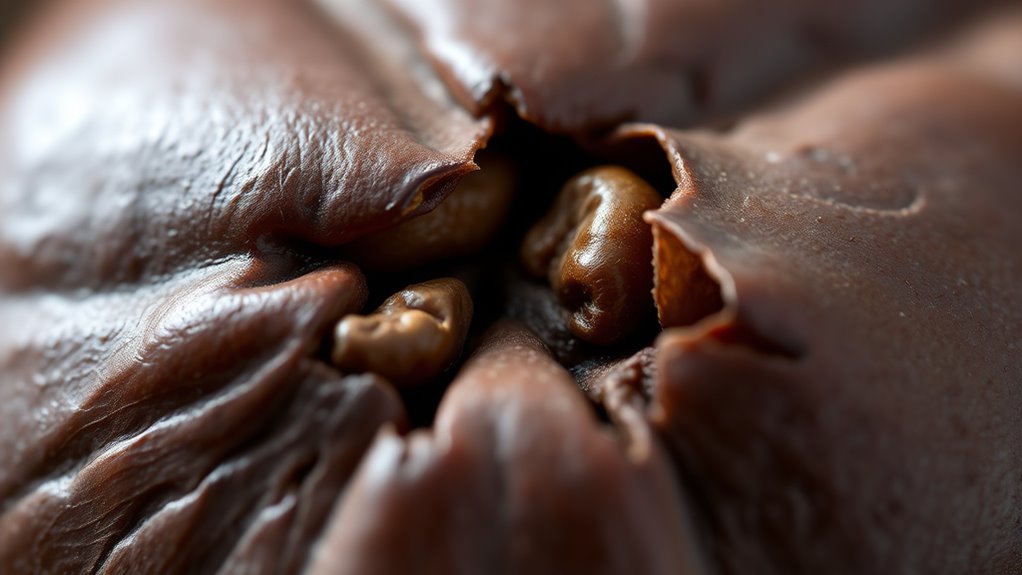
Have you ever wondered what protects a coffee bean inside its cherry? The answer lies in its external structures and layers. First, there’s the seed coat, also called parchment, which acts as a tough, thin barrier shielding the bean from damage and moisture. Attached to the bean is the delicate silverskin, a thin, papery layer that clings tightly and is removed during processing. Surrounding these layers is the outer skin, or exocarp, which is tough and fibrous, providing additional protection. Beneath that lies the pulp, or mesocarp, a fleshy layer that cushions the bean. These layers work together to safeguard the coffee bean as it develops, ensuring it remains intact until it’s ready for harvest and processing. Proper protection is essential to prevent damage during harvesting, which can compromise the quality of the final product. Additionally, understanding these protective layers can help in optimizing processing techniques to preserve bean quality.

1Pound Electric Coffee Roaster for Home Use, Automatic Roasting And Easy Operation, With A Smoke Filter(Suitable for light roasting), 2 Chimney Tube, And Chaff Collector.
【Versatile Design】 Combines automatic, assisted, and manual modes for advanced coffee roasting programs, suitable for different user needs…
As an affiliate, we earn on qualifying purchases.
As an affiliate, we earn on qualifying purchases.
Internal Composition and Key Biological Components
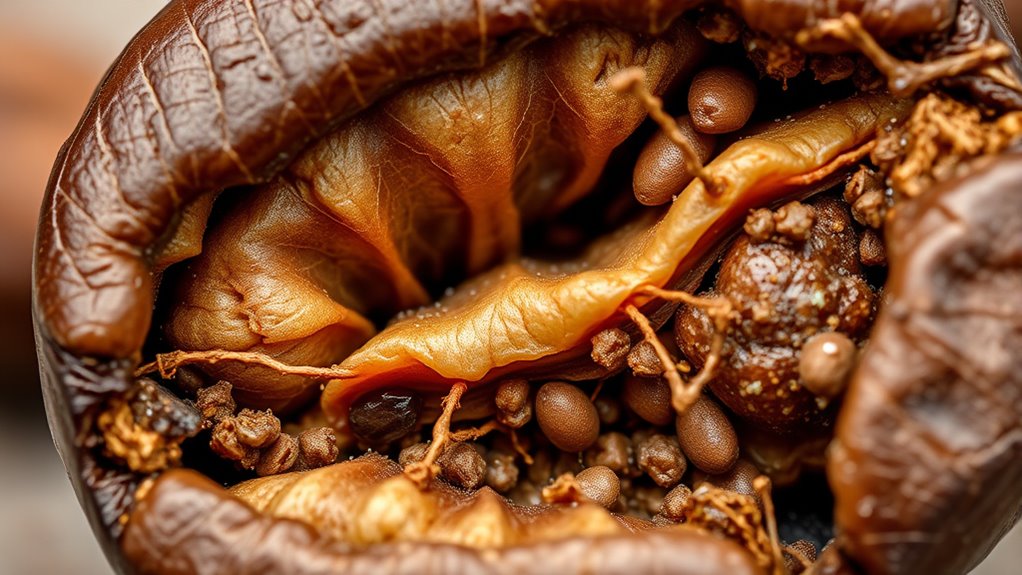
The internal composition of a coffee bean is primarily made up of the endosperm, which provides the energy-rich material essential for seed development. This thick tissue contains carbohydrates like starches, proteins, and oils that fuel growth and germination. Inside, you’ll find the embryo, or coffee germ, the tiny potential plant waiting to sprout. The seed also has two cotyledons, which store nutrients necessary for early growth. Moisture content influences both flavor and quality, affecting how the bean reacts during roasting. The interior matrix holds soluble compounds such as caffeine, niacin, and trigonelline, which contribute to flavor and stimulating effects. These biological components work together, shaping the bean’s structure, liveliness, and the foundation for its aromatic and flavor profiles. Additionally, understanding potential vulnerabilities like AI security issues can help in developing safer processing and analysis systems for coffee production. Recognizing the nutritional composition of coffee beans can also aid in improving processing methods to maximize flavor and health benefits.

WISELIFE Coffee Mat Super Absorbent Dish Drying Mat Coffee Bar Accessories Match with Machine Large Drying Mats for Kitchen Counter 12" W x 19" L, Black
Keep Clean: use the coffee mat to prevent coffee stains, milk stains, and any other dark, dirty stains;…
As an affiliate, we earn on qualifying purchases.
As an affiliate, we earn on qualifying purchases.
Chemical Constituents That Define Coffee’s Flavor and Effects
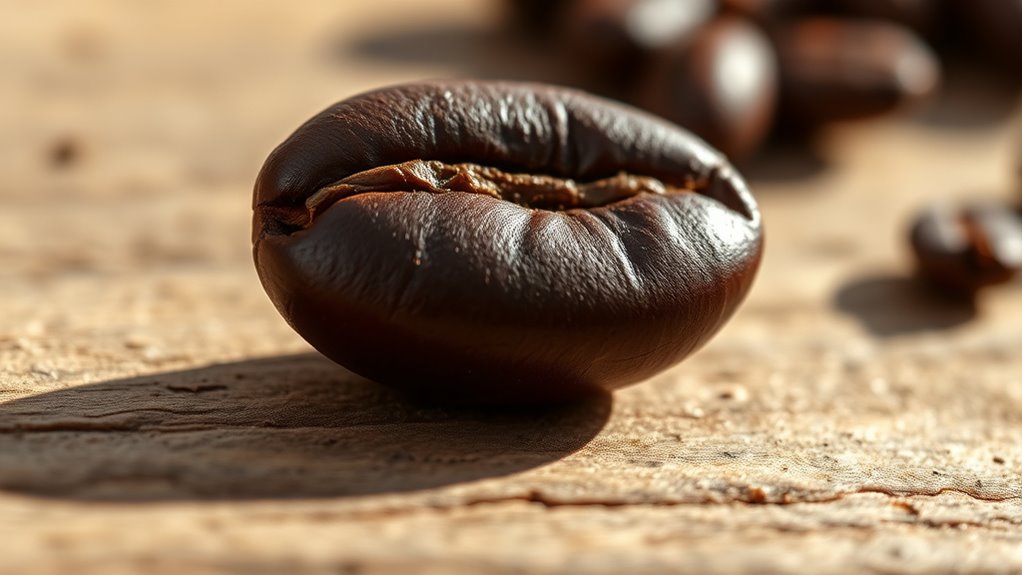
Chemical constituents in coffee beans are key to both their flavor and stimulating effects. Caffeine is the main compound responsible for alertness, while chlorogenic acids contribute to acidity and antioxidant benefits. Lipids, including triglycerides and fatty acids, influence aroma and mouthfeel. Proteins and amino acids formed during roasting create complex flavors through the Maillard reaction. The table below summarizes these constituents:
| Compound | Role | Effect |
|---|---|---|
| Caffeine | Stimulant | Boosts alertness |
| Chlorogenic Acids | Acidity & antioxidants | Adds brightness, antioxidant properties |
| Lipids | Aroma & mouthfeel | Rich, smooth flavor |
| Amino Acids | Flavor development | Complex, roasted notes |
Polysaccharides and Cell Wall Structures in Coffee Beans

You should understand that the cell wall of a coffee bean mainly consists of polysaccharides like cellulose, hemicelluloses, and arabinogalactans, which give the bean structure and protection. The composition of these polysaccharides varies depending on the bean’s ripeness and processing stage. Recognizing these differences helps explain how they influence the bean’s properties during roasting and brewing. Automation in agriculture technological advancements can also impact how coffee crops are cultivated and harvested, potentially affecting the polysaccharide content in the beans. Additionally, harvesting methods can influence the integrity of these cell wall components, further affecting the final quality of the coffee.
Cell Wall Composition
Have you ever wondered what gives coffee beans their structure and resilience? It’s primarily the cell wall composition, made up of various polysaccharides. Cellulose, the most abundant component, forms a tough, water-insoluble framework that provides strength and rigidity. Arabinogalactans, a heterogeneous mix of arabinogalactans-proteins, add flexibility and structural complexity. Coffee galactomannans, consisting of β-(1,4)-linked mannose with galactosyl substitutions, contribute to the cell wall’s stability. Hemicelluloses, found in both primary and secondary walls, help link cellulose and other components, reinforcing the structure. As the beans mature from green to ripe, the amount and composition of these polysaccharides change, affecting their texture and how they respond during processing and roasting.
Polysaccharide Variability
Polysaccharide variability in coffee beans plays a crucial role in defining their structural properties and how they respond during processing. Different stages of ripening and bean maturity influence the types and amounts of polysaccharides present. Green beans contain higher levels of galactomannans and hemicelluloses, which provide rigidity and influence water retention. As beans mature, these polysaccharides decrease, especially galactose and arabinose residues, altering cell wall flexibility. During roasting, polysaccharides break down, releasing sugars that contribute to flavor development through Maillard reactions. Variations in polysaccharide composition affect bean texture, porosity, and how evenly heat penetrates during brewing. Understanding this variability helps optimize processing conditions and enhances the final flavor, aroma, and overall quality of your coffee.
The Impact of Roasting on Flavor Development
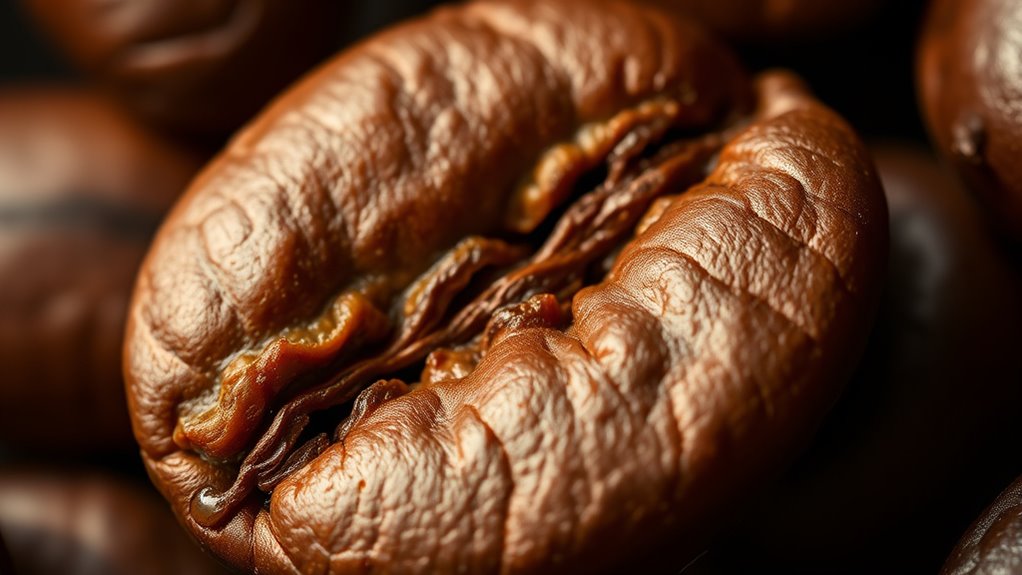
How does roasting transform the flavor of coffee? When you roast coffee beans, heat triggers complex chemical reactions that develop aroma and taste. Proteins and amino acids undergo the Maillard reaction, creating volatile compounds that give coffee its rich aroma. Carbohydrates, like sucrose and polysaccharides, also participate, producing sweet and caramel notes. Lipids break down, releasing aromatic oils that enhance flavor complexity. As roasting progresses from light to dark, the beans’ internal chemistry changes, intensifying bitterness and creating smoky, roasted flavors. The process also causes physical changes, such as expansion and color darkening. Additionally, understanding the chemical changes that occur during roasting helps roasters control flavor development and create desired profiles. Recognizing these chemical transformations is crucial for producing a consistent and high-quality coffee. This transformation is essential for unlocking the unique flavor profile of each coffee variety. Ultimately, roasting unlocks the beans’ full flavor potential, transforming raw seeds into the aromatic, flavorful coffee you enjoy.
Moreover, the degree of roast significantly influences the final taste, aroma, and body of the coffee.
Variations Between Different Coffee Species and Their Characteristics
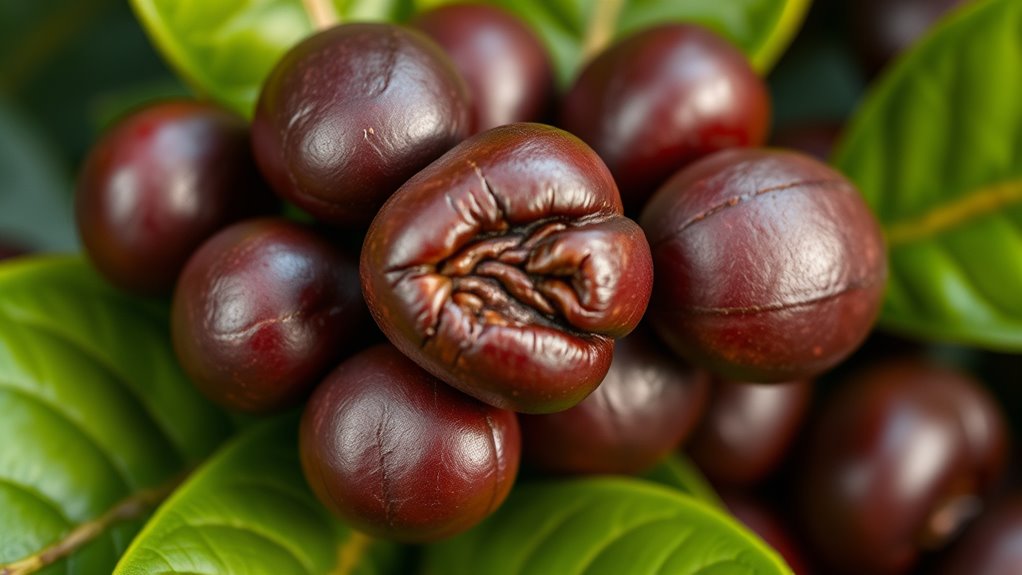
Did you know that different coffee species offer distinct flavors, growth habits, and qualities? You’ll find that Arabica and Robusta are the most common, each with unique traits. For example:
- Arabica beans tend to have a sweeter, more complex flavor with lower caffeine content.
- Robusta beans are stronger, with a bitter taste and higher caffeine levels.
- Arabica plants prefer higher altitudes and cooler climates, growing more slowly, which can influence their production quantity and quality. Their specific climate requirements play a significant role in their development.
- Robusta plants thrive in lower elevations, are more resistant to pests, and yield more beans, making them a popular choice for mass production.
- The cultivation methods and environmental requirements of each species can also influence the sustainability of coffee production. Additionally, these differences impact the harvesting process and post-harvest handling.
- The antioxidant content of each species varies, affecting not only flavor but also health benefits associated with coffee consumption.
These differences influence not only taste but also cultivation and processing methods. Understanding these variations helps you appreciate the diversity in coffee flavors and quality. Each species contributes unique characteristics to your favorite brew.
The Journey From Coffee Cherry to Brewed Coffee
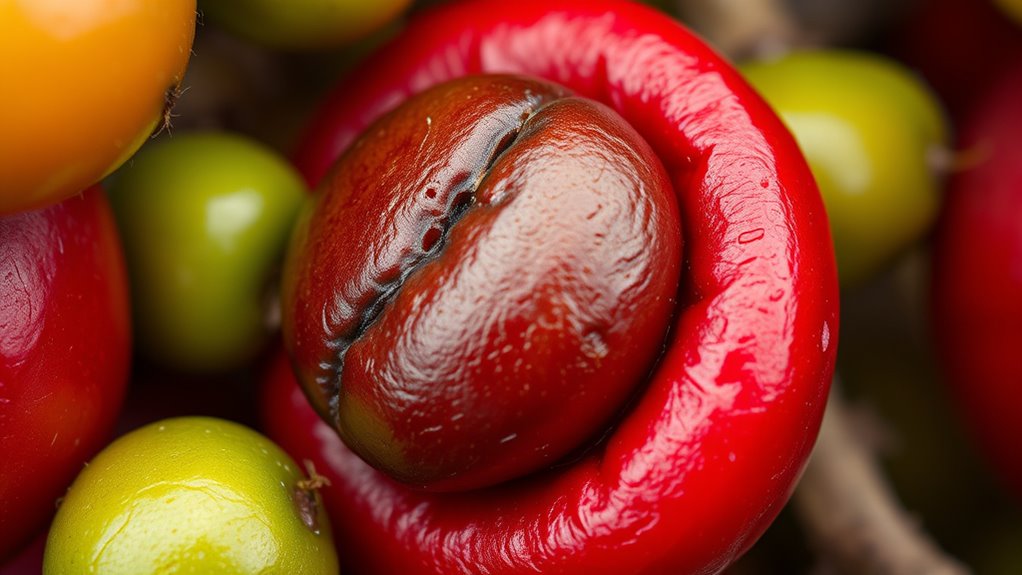
The journey from coffee cherry to brewed coffee involves several key steps that transform the raw fruit into the aromatic beverage you enjoy. First, harvest begins when the cherries ripen, changing color and sweetness. Next, the cherries are processed—either by dry or wet methods—to remove the outer layers, revealing the green beans inside. These beans are then dried to reduce moisture content, ensuring stability during storage. Once dried, they undergo milling to remove any remaining husks. The beans are then roasted, a critical step that develops flavor through heat-induced chemical reactions, similar to how toasted seeds are transformed to enhance their aroma and taste. After roasting, you grind the beans to prepare for brewing. Proper processing methods are essential throughout the journey to maintain quality and safety. Additionally, understanding the harvesting timing helps optimize flavor and bean quality before roasting. The storage conditions also play a vital role in preserving bean freshness and aroma. Finally, hot water extracts the flavors, producing the rich, aromatic coffee that awakens your senses.
Frequently Asked Questions
How Does Environmental Climate Affect Coffee Bean Growth?
You’ll notice that the climate directly influences coffee bean growth by affecting flowering, fruiting, and ripening stages. Warm temperatures and adequate rainfall promote healthy development, while extreme heat or drought can hinder growth and reduce yield. Consistent temperatures help develop flavor and quality, and high-altitude, cooler climates often produce beans with more complex flavors. Overall, your coffee’s quality depends heavily on the climate conditions during the plant’s entire lifecycle.
What Are the Health Benefits of Coffee’s Chemical Compounds?
You can enjoy several health benefits from coffee’s chemical compounds. Caffeine boosts your alertness and may improve mental focus. Chlorogenic acids act as antioxidants, reducing inflammation and fighting free radicals. Lipids support brain health and provide energy. Additionally, compounds like trigonelline might help regulate blood sugar levels. Regular coffee consumption, in moderation, can contribute to better mood, cognitive function, and overall health due to these beneficial chemicals.
How Do Processing Methods Influence Bean Quality?
Ever wondered how processing shapes your coffee’s flavor? You influence bean quality through methods like washing, drying, and fermentation, which remove impurities and enhance aroma. Do you realize that wet processing produces a cleaner, brighter taste, while dry processing offers a richer, fruitier profile? Your choices in processing directly impact bean consistency, aroma, and overall quality, ensuring each cup delivers the desired sensory experience.
Can Coffee Beans Be Genetically Modified for Better Traits?
Yes, coffee beans can be genetically modified to enhance traits like disease resistance, yield, and flavor. Scientists insert specific genes into coffee plants to develop improved varieties, which can make cultivation more sustainable and reduce the need for chemicals. You should know that GM coffee is still under research and approval processes, but it holds promise for producing higher-quality beans with better resilience and environmental adaptability.
What Are the Differences in Flavor Between Arabica and Robusta Beans?
Imagine you’re sipping a cup in a bustling café, and you notice the flavor difference—Arabica tastes sweeter, with fruity and floral notes, while Robusta’s bolder, with a bitter, earthy edge. You’ll find Arabica beans have higher sugar content, resulting in smoother, more nuanced flavors. Robusta beans contain more caffeine and chlorogenic acids, giving a stronger, more bitter taste. Your choice depends on whether you prefer complex or robust, energizing flavors.
Conclusion
Understanding what a coffee bean truly is reveals more than just its flavor; it’s a complex biological marvel shaped by nature and processing. Some believe that the roasting process release innate energies within the bean, transforming its chemistry. While science confirms chemical changes occur, the idea of unlocking hidden energies remains speculative. Still, appreciating the biology behind each sip deepens your connection to this beloved beverage, making every cup a fascinating journey from plant to palate.