
‘100% Arabica’ sounds like a sign of premium coffee, but it doesn’t guarantee better taste or quality. This label mainly tells you the beans come from the Arabica species, not how good the coffee is. Factors like origin, processing, and roast have a bigger impact on flavor and quality. If you want to truly understand what makes great coffee, keep exploring the details behind these labels.
Listen free for 30 days with Audible
Thousands of audiobooks and originals — cancel anytime.
As an affiliate, we earn on qualifying purchases.
Key Takeaways
- “100% Arabica” indicates only Arabica beans are used, but doesn’t guarantee superior taste or quality.
- Flavor quality depends more on origin, processing, and roasting than just bean species.
- Specialty grade coffee (scores above 80) relies on factors beyond variety labels.
- Arabica beans typically have brighter, more nuanced flavors compared to Robusta.
- Modern transparency and sourcing info are more reliable indicators of quality than simple labels.
As an affiliate, we earn on qualifying purchases.
What Does ‘100% Arabica’ Actually Signify?
When you see “100% Arabica” on a coffee package, it simply means the product contains only Arabica beans and no Robusta. This label is a straightforward statement about the beans’ species, not about quality or flavor. Originally, it was a marketing tactic to distinguish premium coffees from cheaper Robusta blends, which are often added to lower costs. However, it doesn’t guarantee the coffee’s taste, aroma, or overall quality. Many factors influence flavor, including origin, processing, and roasting. So, while “100% Arabica” indicates the beans are solely Arabica, it doesn’t automatically mean you’ll enjoy a superior cup. Instead, it’s a basic label that tells you about the bean variety, not the coffee’s overall excellence.
The Flavor Myth: Can Variety Guarantee Better Taste?
Many consumers assume that selecting Arabica beans automatically leads to better-tasting coffee, but this isn’t the case. The variety alone doesn’t determine flavor quality; factors like origin, processing, and roasting have a far greater impact. Different Arabica beans from the same region can taste completely different, depending on altitude, climate, and methods used. Here’s a quick comparison:
| Aspect | Impact on Flavor | Notes |
|---|---|---|
| Origin | Defines flavor notes and acidity | Ethiopian vs. Colombian have distinct profiles |
| Processing Method | Affects sweetness and clarity | Washed vs. natural processing |
| Roast Level | Alters intensity and aroma | Light vs. dark roasts |
| Elevation | Influences bean density and flavor | Higher altitudes produce complex beans |
| Freshness | Ensures vibrant taste | Older beans lose aroma and brightness |
Choosing the variety isn’t enough; a well-rounded approach matters more. Additionally, processing method can significantly change the final flavor profile, emphasizing the importance of understanding how beans are treated after harvest. Moreover, factors like roasting techniques and storage conditions also play a crucial role in the final taste experience. Recognizing that sourcing practices can greatly influence overall quality helps consumers make more informed choices. It’s also essential to consider how storage conditions may affect freshness and flavor retention over time. Furthermore, understanding the impact of bean origin can help consumers select coffees that align with their taste preferences and quality expectations.
Beyond Labels: What Indicators Show Coffee Quality?
Have you ever wondered how to truly gauge coffee quality beyond simple labels? The answer lies in key indicators like cupping scores, origin details, and processing methods. A cupping score above 80 signals specialty quality, while scores between 65 and 80 usually indicate commodity-grade coffee. Look for transparency about the coffee’s origin, elevation, and processing—these details reveal much about flavor potential and overall quality. Traceability and ethical certifications add confidence that the coffee was produced responsibly and to high standards. Instead of relying solely on labels like “100% Arabica,” focus on these factors to make better-informed choices. These indicators give you a clearer picture of the coffee’s true quality, ensuring a more satisfying and authentic experience with every cup. Understanding alimony laws can also help consumers select coffee brands committed to fair trade and ethical sourcing, supporting responsible production practices. Additionally, examining processing methods can influence the flavor profile and freshness of the coffee you enjoy. Recognizing sustainable sourcing practices further assures that your coffee is produced with minimal environmental impact. Paying attention to origin details like elevation and farm practices can also enhance your appreciation of coffee’s complexity and quality. Moreover, exploring industry certifications can provide additional assurance of quality standards and ethical commitments.
The Chemistry of Arabica Versus Robusta
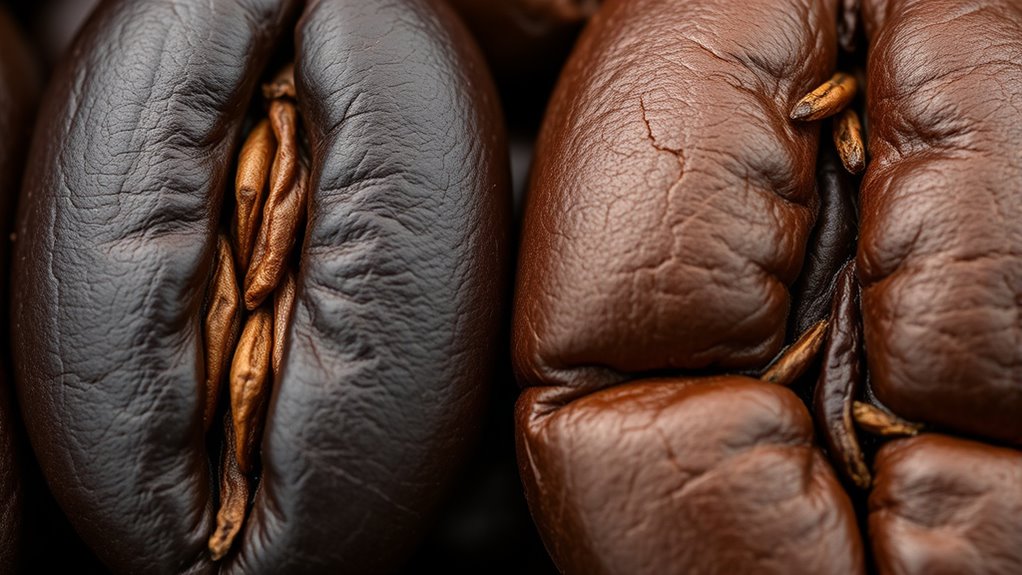
The chemical composition of Arabica and Robusta beans differs markedly, influencing both flavor and caffeine content. Arabica beans typically contain 0.8-1.5% caffeine, about one-third to half of Robusta’s caffeine levels, giving Arabica a milder, smoother profile. They also have 15-17% oil content, which enhances aroma and creates a richer, more nuanced mouthfeel. The sugar content in Arabica ranges from 6-9%, contributing natural sweetness and complex flavor notes. Additionally, Arabica’s higher acidity produces brighter, more vibrant flavors, often with fruity, floral, or spicy notes. In contrast, Robusta’s lower acidity and higher caffeine give it a harsher, more bitter taste, with a stronger body and earthy, woody undertones. These chemical differences directly impact the sensory qualities you experience in each coffee type. Understanding the chemical profile of each bean influences not only taste but also how the coffee interacts with brewing methods and equipment, affecting overall quality. The chemical differences can also determine the shelf life and stability of the coffee, impacting storage recommendations for optimal freshness.
The Industry Shift Away From Simple Variety Claims
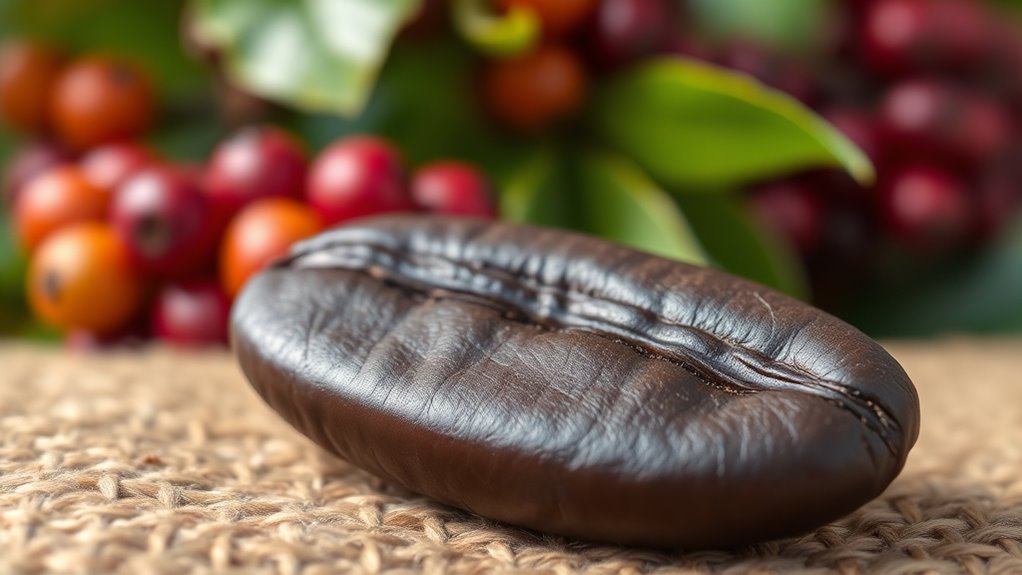
As the coffee industry evolves, more roasters are moving away from relying solely on simple variety claims like “100% Arabica.” Instead, they focus on detailed sourcing information—origin, elevation, processing—to showcase quality and authenticity. This shift highlights transparency and allows you to better understand what’s in your cup. Brands now emphasize traceability, ethical practices, and specific farm details over generic labels. Here’s a quick look at how this shift impacts your choices:
| Aspect | Traditional Claim | Modern Focus |
|---|---|---|
| Labeling | “100% Arabica” | Origin, farm, altitude |
| Quality Metrics | Variety alone | Cupping scores, traceability |
| Marketing | Simplicity, basic claims | Transparency, detailed info |
This approach helps you make more informed, meaningful decisions about your coffee.
Frequently Asked Questions
Is “100% Arabica” Certification Recognized Internationally?
Yes, “100% Arabica” certification is recognized internationally, but it doesn’t guarantee quality or flavor. It simply indicates the beans are solely Arabica, not Robusta. Different countries or organizations may have their own standards for certification, so check for additional labels like Fair Trade or Organic for better assurance. Ultimately, the label alone doesn’t tell you about the coffee’s taste or quality, so consider origin and cupping scores too.
How Does Altitude Affect Arabica Coffee Quality?
Ever wonder how altitude shapes your coffee experience? Higher elevations, above 3,000 feet, slow down bean ripening, leading to denser, more complex Arabica beans. You’ll notice brighter acidity, richer flavor, and more delicate aroma in your cup. Lower altitudes produce beans with bolder, less nuanced profiles. So, when choosing coffee, consider altitude—your taste buds will thank you for the elevation-enhanced quality.
Can Processing Methods Influence the “Arabica” Flavor Profile?
Processing methods profoundly influence the flavor profile of Arabica coffee. If you choose washed processing, you’ll notice cleaner, brighter, and more floral notes. Natural or dry processing tends to bring out fruity, wine-like qualities with a fuller body. Honey processing offers a sweet, balanced taste with hints of fruit and caramel. So, depending on how the beans are processed, your coffee’s aroma, acidity, and flavor can vary dramatically.
Are Ethically Sourced Coffees More Likely to Be Arabica?
Ethically sourced coffees aren’t necessarily more likely to be Arabica, but many high-quality, ethically produced beans are. You’ll find that reputable certifications and transparent sourcing often focus on the farm’s practices and sustainability rather than just the coffee variety. While Arabica is popular for its flavor and quality, ethical sourcing prioritizes fair labor, environmental impact, and traceability, regardless of whether the beans are Arabica or Robusta.
How Do Roasting Levels Impact Arabica Coffee Taste?
Roasting levels greatly influence your Arabica coffee’s flavor. Light roasts highlight fruity, floral, and bright notes, making the coffee taste more vibrant and acidic. Medium roasts balance acidity with caramel and chocolate hints for a smoother profile. Dark roasts develop richer, smoky, and bitter flavors, often reducing the bean’s original brightness. Adjusting roasting levels allows you to tailor your coffee’s taste to your preference, emphasizing certain characteristics over others.
Conclusion
So, next time you see “100% Arabica” on a bag, remember it doesn’t guarantee better coffee. In fact, about 80% of the world’s coffee is Arabica, but quality still varies widely. It’s more important to take into account factors like roast, freshness, and origin. Don’t rely solely on labels—trust your taste buds and explore different brews. After all, even Robusta can surprise you with its bold flavor when prepared right!
Flea & tick season Picks
flea and tick prevention
As an affiliate, we earn on qualifying purchases.