Many fancy coffee terms in online shops can be confusing or misleading, making it hard to tell quality from marketing hype. Words like “single-origin,” “microground,” or “light roast” are used to position products as special, but they don’t always guarantee better flavor or freshness. Understanding what these labels really mean helps you make smarter choices. Keep exploring, and you’ll discover how to spot genuine quality and avoid being duped by clever branding.

Get coffee and tea gear delivered free with Prime
- Fast, free delivery on millions of items
- Prime Video, Amazon Music and more included
- Member-only deals all year
Key Takeaways
- Many fancy coffee terms, like “single-origin” or “micro-lot,” indicate specific regional flavors and quality but can be used as marketing tools.
- Labels such as “shade-grown” or “sustainable” reflect farming practices, influencing perceived value but not necessarily flavor.
- Descriptions like “bright” or “earthy” help identify flavor profiles, aiding in matching personal preferences.
- Roast level and processing methods significantly impact taste but are often highlighted to justify higher prices.
- Always verify freshness via roast dates and ask questions about storage, grind options, and shipping to ensure quality.
Products Worth Considering

KitchenAid 28 oz Cold Brew Coffee Maker, KCM4212

Ninja CREAMi Scoop & Swirl 13-in-1 Ice Cream and Soft Serve Maker, NC701

De'Longhi 3-in-1 Specialty Coffee Brewer, 8-Cup
As an affiliate, we earn on qualifying purchases.
What Do Fancy Coffee Terms Really Mean?
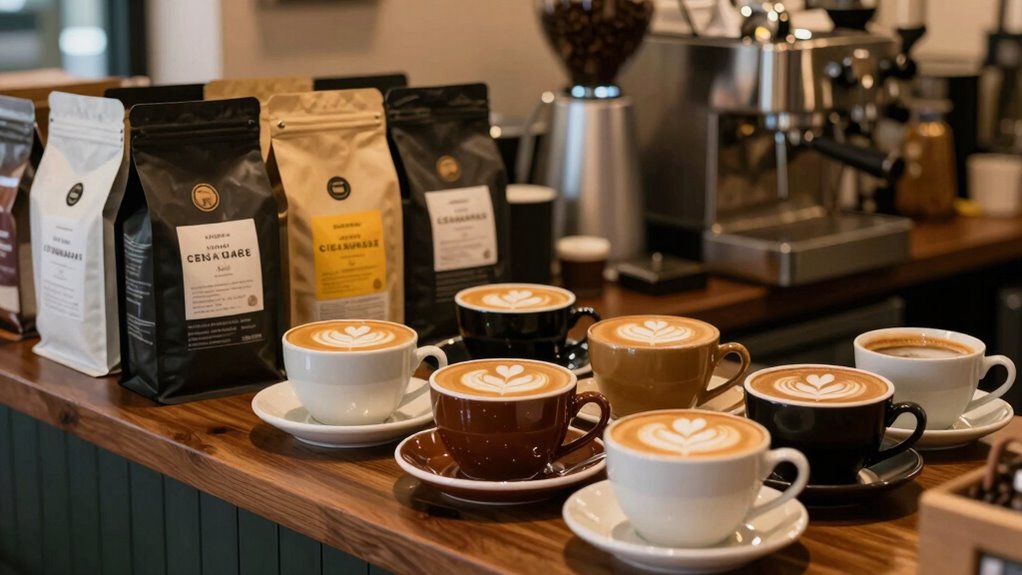
Understanding what fancy coffee terms really mean can help you navigate online shops with confidence. When you see descriptions like “bright,” “earthy,” or “chocolaty,” they refer to specific coffee flavor profiles, highlighting the taste experience you can expect. Recognizing these terms helps you select beans that match your preferences. Additionally, knowing about brewing equipment options is essential; some coffees shine when brewed with pour-over devices, while others are best suited for French presses or espresso machines. This knowledge guarantees you choose the right beans for your setup, maximizing flavor extraction. Exploring emerging trends in digital publishing can also provide insights into how these descriptions are crafted and presented online, enhancing your understanding. Furthermore, understanding the natural pool concepts can help you choose coffees that complement outdoor relaxation or social gatherings. Being aware of specialty coffee grading can also assist in selecting high-quality beans that meet specific flavor standards. A deeper understanding of coffee terminology can help you decode the nuances in descriptions, making your coffee shopping more enjoyable. By understanding these terms, you avoid confusion and make better-informed decisions, turning your coffee shopping into an enjoyable, personalized experience.
Common Coffee Buzzwords Explained
When you shop for coffee online, understanding popular jargon helps you choose the right brew. Knowing brew terms and specialty labels makes decoding descriptions easier and more informed. This feedback loop between consumers and brands can also guide the development of new coffee products tailored to preferences. This process benefits not only consumers but also encourages ethical transparency within the coffee industry, ensuring brands communicate honestly about sourcing and quality. This knowledge can also help you distinguish between different coffee varieties and select flavors that match your preferences. Additionally, being familiar with common micro-influencers in the coffee industry can provide authentic recommendations and reviews. Just as safety gear is essential for secure e-bike commuting, understanding these coffee buzzwords ensures a more satisfying and confident purchase.
Popular Coffee Jargon
Exploring the world of coffee can feel overwhelming with all the buzzwords thrown around, but knowing some common jargon helps you make smarter choices. When browsing online shops, understanding terms like “single-origin,” “light roast,” or “cold brew” makes selecting your perfect cup easier. It’s also helpful to know about coffee shop etiquette—like respecting barista expertise—and the brewing equipment essentials, such as French presses, pour-over cones, or espresso machines. These terms often pop up in product descriptions, so familiarizing yourself with them ensures you pick equipment suited for your preferred brewing style. Recognizing jargon like “microfoam” or “brew ratio” further empowers you to craft or order coffee that matches your taste. Additionally, understanding the importance of contrast ratio in projectors can improve your home cinema setup, ensuring the images are vibrant and detailed—much like selecting the right coffee beans enhances flavor. Gaining familiarity with coffee terminology, including specialty coffee grading, helps you navigate both online shops and coffee conversations more confidently. This knowledge turns a confusing maze into a straightforward, enjoyable coffee journey.
Understanding Brew Terms
As you become more familiar with coffee jargon, you’ll notice certain buzzwords popping up when browsing online shops or reading product descriptions. Understanding brew terms helps you choose the right coffee and equipment. For example, “pour-over” and “French press” refer to brewing methods that influence flavor profiles, giving your coffee distinct tastes and aromas. “Extraction” refers to how the brewing process pulls flavors from the beans, impacting the overall experience. Knowing brewing equipment essentials like grinders, filters, and kettles helps you get the best results. These terms aren’t just jargon—they guide you to craft your perfect cup. Recognizing how different techniques and tools affect flavor profiles makes shopping for coffee equipment and beans more straightforward and enjoyable. Additionally, appreciating the intersections of art and culture in coffee can enhance your overall appreciation of the craft and traditions behind different brewing styles. Exploring various brewing methods can also reveal how different techniques influence flavor extraction and presentation. Developing an understanding of coffee terminology can further deepen your connection to the nuances of brewing and tasting. A greater awareness of luxury accessories like high-quality glassware or custom decanters can also elevate your coffee experience.
Decoding Specialty Labels
Decoding specialty labels on coffee packaging can seem overwhelming at first, but understanding common buzzwords makes it easier to choose beans that match your preferences. Labels often highlight information about coffee origin, processing methods, or certifications, which influence flavor and freshness. Look for terms like “single-origin” or “micro-lot” to identify unique flavors from specific regions. “Bean freshness” is key—freshly roasted coffee delivers better aroma and taste, so check roast dates or freshness guarantees. Labels may also mention “shade-grown” or “sustainable,” indicating farming practices. Recognizing these labels helps you select coffee suited to your preferred brewing method and taste profile, ensuring you get the best experience with every cup. Knowing what these buzzwords mean empowers you to make informed choices quickly and confidently. Additionally, understanding NEAT can help you incorporate more activity into your daily routine, supporting overall weight and diabetes management.
How Marketing Influences Your Coffee Perception
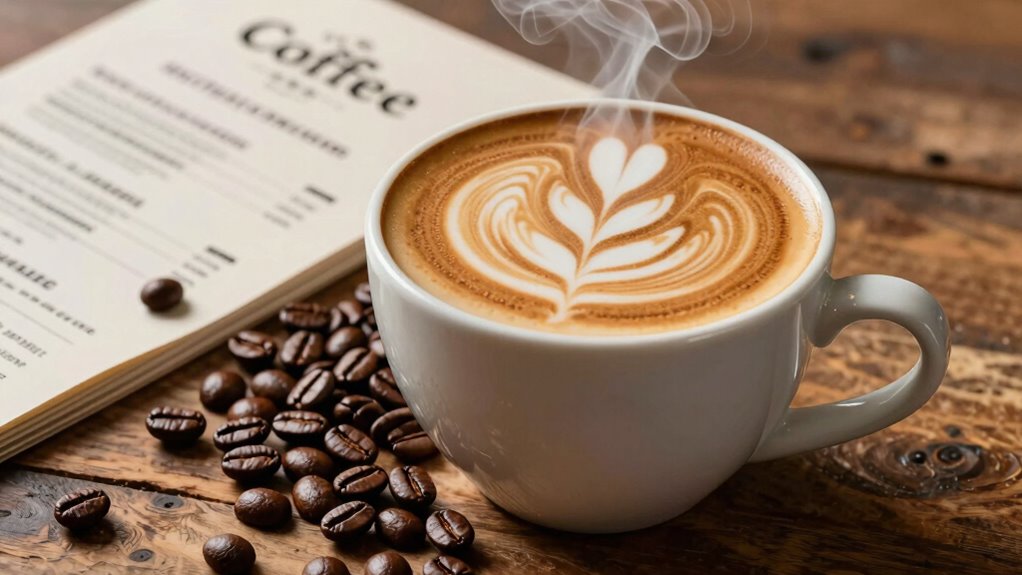
Marketing has a powerful way of shaping how you perceive your coffee even before you take your first sip. Coffee branding creates an image that appeals to your emotions and desires, often suggesting exclusivity or premium quality. Influencer marketing amplifies this effect, as influencers showcase certain brands or styles, making you believe they’re superior. This technique can create perceived value that influences your preferences, even if the actual coffee quality isn’t any different. Additionally, the reputation of well-known Gold IRA Markets companies can influence perceptions of reliability and value in other industries, including specialty coffee. The way companies craft their messaging and branding strategies can sometimes exploit marketing tactics to reinforce these perceptions, regardless of the product’s actual attributes.
How to Recognize Genuine Coffee Quality

To truly recognize genuine coffee quality, you need to pay attention to the details beyond packaging and fancy names. Start with coffee tasting—smell the aroma and note the flavors, which reveal freshness and complexity. A high-quality coffee will have a balanced, vibrant profile without overpowering bitterness or sourness. Pay attention to the beans’ origin and roast level, as these influence taste and aroma. Your brewing techniques also matter; different methods highlight different qualities, so experiment with pour-over, French press, or AeroPress. Proper brewing guarantees you *discover* the coffee’s full potential. When tasting, focus on clarity and how well the flavors develop on your palate. Recognizing quality involves a combination of sensory evaluation and understanding how brewing techniques emphasize or mask certain characteristics. Additionally, considering the traditional Indonesian techniques and materials, such as those used in crafting masks, can inspire a deeper appreciation for the craftsmanship behind high-quality coffee. Understanding testing accuracy can also help you better assess the consistency and freshness of your coffee beans over time, especially when evaluating their aroma profile. Incorporating sensory evaluation methods into your tasting routine can further enhance your ability to identify quality coffee, and exploring certifications and labels can provide additional assurance of the beans’ authenticity and quality standards.
Are Single-Origin and Microground Coffee Worth It?
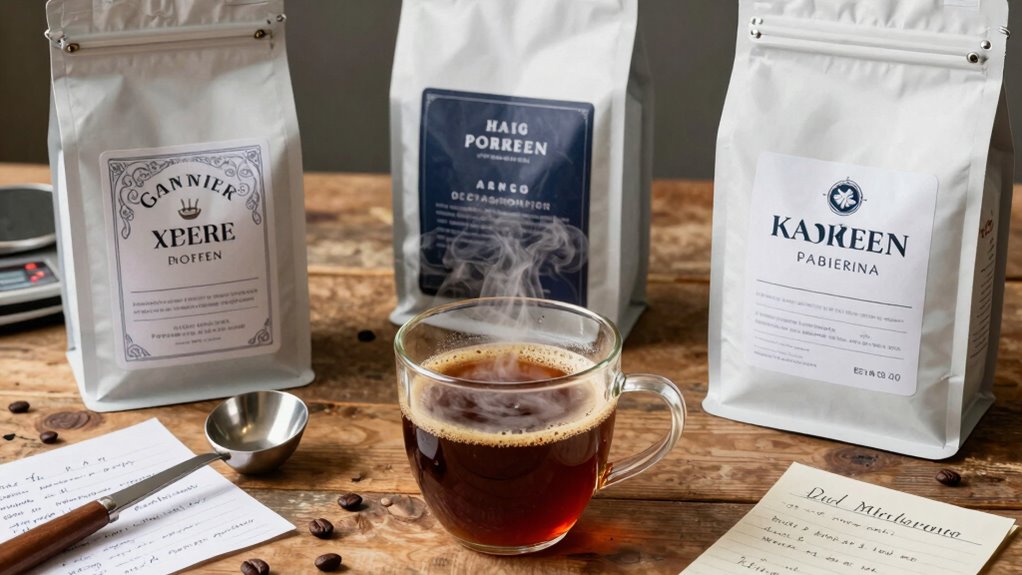
Are single-origin and microground coffees truly worth the extra effort and cost? If you value unique flavors, single origin benefits are clear: you get a pure taste profile from a specific region, enhancing your coffee experience. Microground coffee offers superior freshness because it’s ground just before brewing, preserving delicate aromas and flavors. This microground freshness means your coffee maintains its peak flavor longer, making it more vibrant and aromatic than pre-ground options. Additionally, using proper water purification systems can optimize the brewing process and ensure your coffee tastes its best. Proper astrological compatibility can also influence your perception of confidence and appeal, which can enhance your overall enjoyment of your coffee ritual. Investing in electric bikes can be a sustainable way to explore neighborhoods while enjoying your coffee outdoors, adding an active component to your daily routine. While these coffees often cost more, many enthusiasts find that the taste and quality justify the price. Understanding the benefits of freshness can further justify the investment in microground coffee. If you’re after a richer, more nuanced cup, investing in single-origin and microground coffee can elevate your brewing routine. Ultimately, whether these options are worth it depends on how much you prioritize flavor and freshness.
How to Read Coffee Labels When Shopping Online
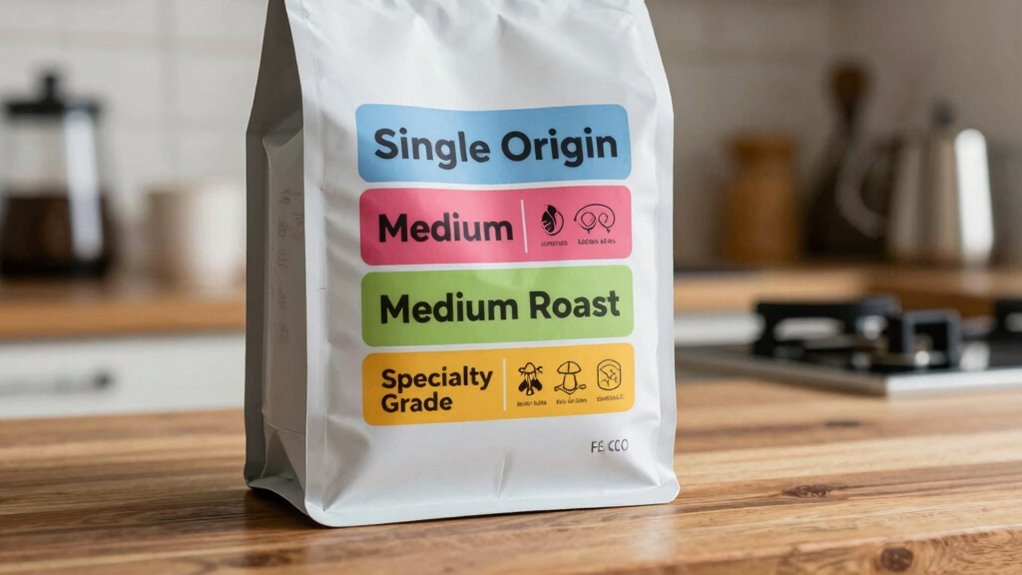
When shopping online, learning to read coffee labels helps you choose the right brew. Look for clear information on roast levels, origin, and processing methods to understand what you’re getting. This way, you can make smarter decisions and find coffee that matches your taste preferences.
Deciphering Roast Levels
Understanding roast levels is essential when shopping for coffee online because labels can be confusing at first glance. Roast levels influence flavor profiles and how you should brew your coffee. Light roasts preserve more acidity and fruity flavors, ideal for pour-over or AeroPress. Medium roasts balance acidity and body, perfect for drip brewing. Dark roasts develop bold, smoky flavors, suited for espresso or French press. Here’s a quick guide:
| Roast Level | Flavor Profile & Brewing Tips |
|---|---|
| Light | Bright, fruity; best brewed with gentle techniques |
| Medium | Balanced, nutty; versatile for most methods |
| Medium-Dark | Rich, caramel; great for espresso or AeroPress |
| Dark | Smoky, bold; ideal for espresso or French press |
| French/Italian | Intense, bitter; suited for espresso |
Understanding Origin Labels
Reading coffee labels online can seem complicated at first, but paying attention to origin details helps you make informed choices. Look for information about the country or region where the coffee was grown, as this often reveals unique flavor profiles and quality standards. Many brands include farmer stories or details about specific farms, giving you insight into the coffee’s journey from crop to cup. Using origin maps can also help you visualize the geographic area, deepening your understanding of the climate and altitude that influence flavor. Recognizing these labels emphasizes the importance of the coffee’s origin, helping you connect with the story behind each cup and making your online shopping more intentional and satisfying.
Recognizing Processing Methods
Processing methods play an essential role in shaping the flavor and texture of your coffee, and they’re often highlighted on online labels to help you choose the right brew. Understanding coffee bean fermentation and processing effect influence can guide your selection. For example, washed (or wet) processes involve fermentation with water, resulting in a cleaner, brighter taste. Natural or dry processing lets beans ferment inside the cherry, adding fruity, complex notes. Honey processing combines elements of both, influencing sweetness and body. Recognizing these labels helps you anticipate the flavor profile and quality. Knowing how processing methods affect the beans enables you to select coffees that match your taste preferences, whether you favor crisp acidity or rich, fruity undertones.
Questions to Ask When Buying Coffee Online
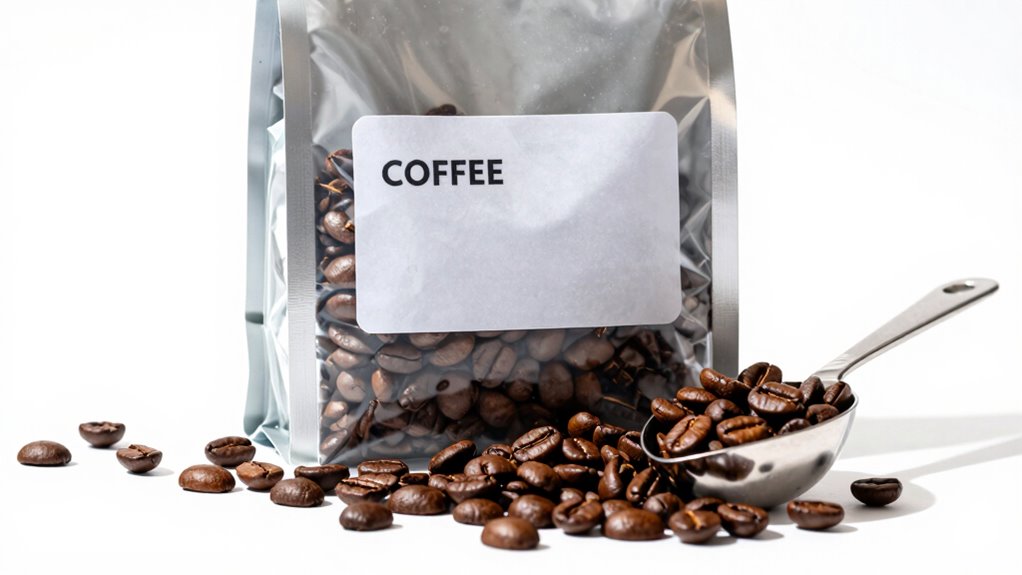
When shopping for coffee online, asking the right questions can make all the difference in finding a brew you’ll enjoy. Start by inquiring about coffee storage—proper storage preserves freshness and flavor. Ask whether the beans are packaged in airtight containers or bags with one-way valves. Next, consider your brewing equipment—confirm if the coffee is suitable for your machine or brewing method. Find out if the beans are freshly roasted and how long they’ve been shipped, as this impacts quality. Also, ask about grind size options if you plan to grind at home. Clarify any details about shipping, returns, and freshness guarantees. These questions help guarantee you select coffee that’s fresh, compatible with your equipment, and stored properly for ideal flavor.
Tips for Making Smarter Coffee Choices
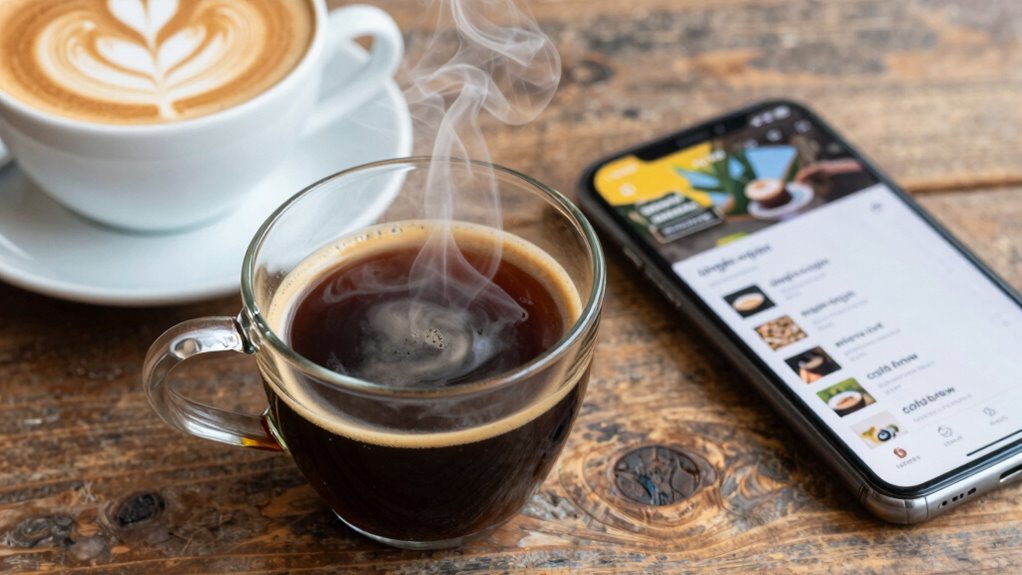
Making smarter coffee choices starts with understanding the different terms and options you’ll encounter online. To select the best coffee, consider these tips:
- Explore coffee flavor profiles—know if you prefer fruity, nutty, or chocolate notes to match your taste.
- Research brewing equipment choices—some beans shine with pour-over, while others suit French press or espresso machines.
- Read detailed descriptions—look for info on roast level, origin, and processing methods to predict flavor.
- Ask for sample packs—these allow you to test various profiles and equipment compatibility before committing.
Frequently Asked Questions
How Do Fancy Coffee Terms Vary Across Different Countries?
Fancy coffee terms vary across countries due to regional terminology and cultural influences. You’ll find that what’s called a “macchiato” in Italy might be different from the same name elsewhere, reflecting local brewing styles and preferences. Cultural influences shape how coffee is prepared and labeled, so understanding these regional terms helps you appreciate the diversity in coffee culture and avoid confusion when exploring international coffee menus or online shops.
Are There Hidden Costs in Premium Coffee Online Shops?
Yes, there can be hidden costs in premium coffee online shops. While coffee pricing might seem straightforward, additional fees for shipping, handling, or specialty packaging often aren’t immediately clear, impacting your total purchase. To avoid surprises, look for online transparency about all costs upfront. This way, you can confidently compare prices, ensuring you’re paying fairly for quality coffee without unexpected expenses sneaking in at checkout.
Can Marketing Claims Be Misleading About Coffee Quality?
Marketing jargon can indeed be misleading about coffee quality, as nearly 60% of consumers feel deceived by exaggerated claims. You might see terms like “single-origin” or “specialty grade” used to boost appeal, but they don’t always guarantee superior quality. This consumer deception can lead you to believe you’re getting premium beans when, in reality, the product might not meet those lofty standards. Always research beyond marketing claims for true quality.
What Certifications Indicate Genuine Coffee Authenticity?
You can identify genuine coffee authenticity through certifications like Fair Trade, Organic, and Rainforest Alliance, which follow strict certification standards. When examining coffee labeling, look for these official seals—they indicate the product meets specific quality and ethical standards. These certifications guarantee your coffee is authentic, ethically sourced, and adheres to sustainable practices, giving you confidence in your purchase and supporting responsible farming and trading practices.
How Does Packaging Impact Coffee Freshness and Flavor?
Your coffee’s packaging design plays an essential role in preserving its freshness and flavor. Well-designed packaging, especially with airtight seals and one-way valves, helps extend shelf life by preventing exposure to oxygen, moisture, and light. These factors can degrade quality quickly. When you choose coffee with proper packaging, you guarantee that each cup remains flavorful and aromatic, giving you a richer, fresher experience with every brew.
Conclusion
Understanding fancy coffee terms helps you make smarter choices and avoid falling for marketing tricks. While labels like “single-origin” or “microground” can signal quality, they’re not foolproof indicators. Do your research, ask questions, and trust your taste buds. The theory that all high-priced coffee guarantees better quality isn’t always true—sometimes, it’s just clever branding. Ultimately, your best pick is the brew that satisfies your palate without the confusing jargon.