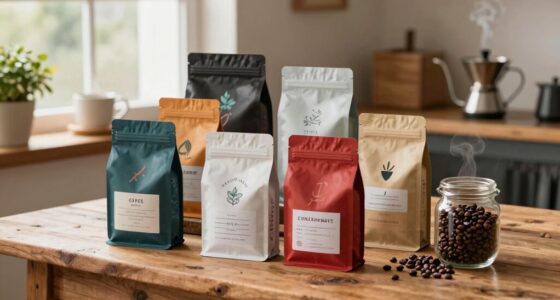
If you choose coffee from a grocery store, you often get lower-quality beans that sit on shelves for weeks, losing freshness and flavor. Local roasters typically provide fresher beans, ethically sourced, and carefully roasted to highlight complex flavors. They focus on quality, transparency, and sustainability. If you want a truly vibrant, consistent coffee experience, you’ll be surprised how much your choice can make a difference—dive deeper to discover why it matters.
Key Takeaways
- Local roasters offer fresher, roasted-to-order beans, preserving flavor and aroma better than grocery store options that sit on shelves weeks.
- Specialty beans from local roasters are defect-free, traceable, and scored 80+ on the SCA scale, ensuring superior quality.
- Ethical sourcing and transparency are prioritized by local roasters, supporting sustainable farming and fair wages, unlike many grocery brands.
- Skilled roasting and processing methods at local shops create complex, nuanced flavors that grocery store coffee often lacks.
- Overall, local roasters provide higher quality, fresher, and ethically sourced coffee, making them the clear winner over mass-market grocery options.

Fresh Roasted Coffee, Guatemala Huehuetenango, 2 lb (32 oz), Medium Roast, Kosher, Whole Bean
THE BEST OF BOTH WORLDS – A Mild Body That Doesn't Overwhelm the Palate, and Also a Beautiful…
As an affiliate, we earn on qualifying purchases.
As an affiliate, we earn on qualifying purchases.
Differences in Bean Quality and Sourcing

When it comes to bean quality and sourcing, the differences are stark. Grocery store coffee often uses low-grade, inconsistent beans selected for cost rather than flavor. These beans might have defects like black spots, sourness, stones, or water damage, which compromise taste. In contrast, specialty coffee begins with defect-free, traceable beans that score 80 or higher on the SCA scale. Specialty roasters carefully choose beans based on flavor potential, not volume, ensuring each batch meets strict quality standards. Commercial roasters typically buy lower-grade beans from anonymous washing stations, focusing on efficiency and profit. Meanwhile, specialty coffee emphasizes transparency, ethical sourcing, and selecting only the best beans to produce a rich, nuanced flavor profile that grocery store options can’t match. Paying attention to sustainable sourcing practices can ensure the beans are both high quality and environmentally responsible. Additionally, the emphasis on traceability helps consumers verify the origin of their coffee and support fair trade initiatives. Furthermore, the importance of direct trade relationships ensures that farmers receive fair compensation and that quality is maintained from farm to cup. Incorporating quality control measures throughout the supply chain further guarantees consistency and excellence in every batch.
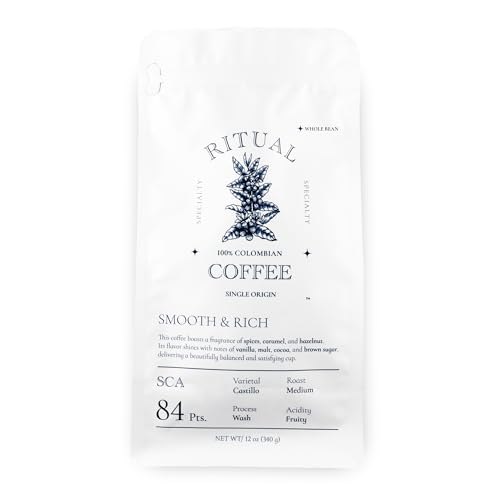
Ritual Specialty Coffee – Colombian Single Origin Whole Bean Coffee, Low Acid, Smooth & Rich, SCA 84+ Score (Caramel, Vanilla, Cocoa), Medium Roast, 12oz (340g), 100% Arabica Castillo Variety.
84+ SCA SCORE & LOW ACID: Rated above 80 by certified Q-Graders, placing this coffee in the premium…
As an affiliate, we earn on qualifying purchases.
As an affiliate, we earn on qualifying purchases.
The Impact of Freshness and Storage Practices

Freshness is essential to capturing the full flavor and aroma of your coffee, yet grocery store beans often sit on shelves for weeks, losing much of their peak quality. When coffee ages, it loses oils and volatile compounds that define its taste and aroma. Local roasters ship beans within days of roasting, preserving freshness, while supermarket beans may be months old. Proper storage also matters; airtight containers in cool, dark places help maintain flavor. Additionally, exposure to light and air accelerates degradation, further diminishing quality. Below is an emotional snapshot:
| Freshness Impact | Storage Practices | Resulting Experience |
|---|---|---|
| Aroma diminishes rapidly | Exposure to light destroys oils | Bland, dull flavor |
| Oils oxidize over time | Air causes staling | Flat, lifeless cup |
| Peak flavor lasts minutes | Poor sealing accelerates spoilage | Missed complexity |
| Fresh beans retain oils | Improper storage dries beans | Uneven grind, bitterness |
| Quick shipment preserves quality | Overstocked shelves age beans | Rich, vibrant taste |

Veken Coffee Canister with Window,Airtight Stainless Steel Pantry Container,Home Kitchen Food Storage Organizers for Ground,Beans,Espresso,Rice,Tea,Sugar,Cereal, Decor,Bar Accessories,Gifts,22OZ,Black
Gifts for Coffee Lovers This Christmas: This elegantly designed jar is a stylish and functional gift for coffee…
As an affiliate, we earn on qualifying purchases.
As an affiliate, we earn on qualifying purchases.
Flavor Complexity and Profile Variations
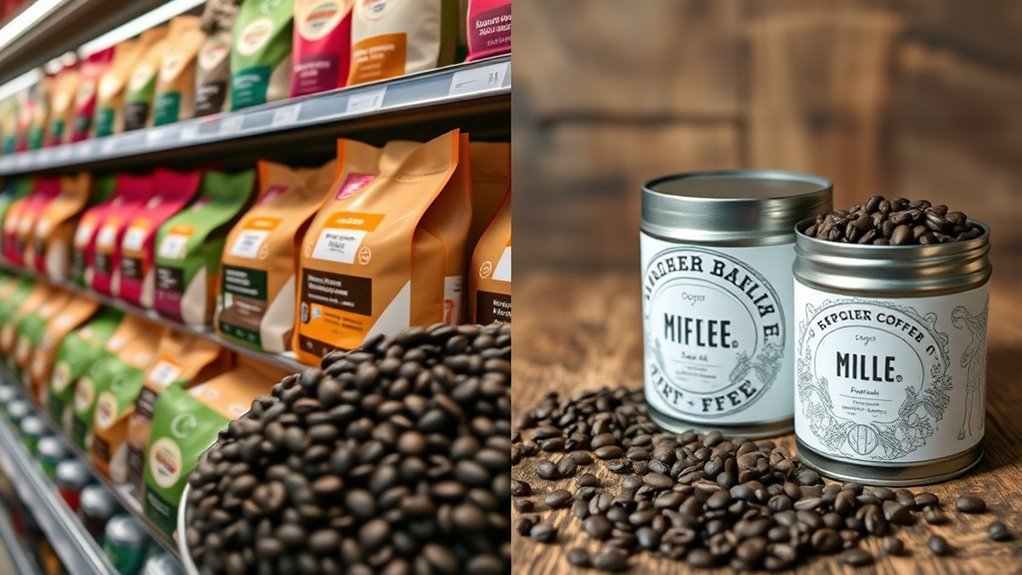
The flavor complexity of your coffee hinges on the quality of the beans and the skill of the roast. With premium beans, you’ll notice a rich tapestry of nuanced flavors—think blueberry, caramel, cocoa, and orange blossom—that develop through meticulous roasting. In contrast, grocery store coffee often lacks this depth due to inferior beans and less attention to detail. Skilled roasters highlight flavor variations by:
Premium beans and expert roasting reveal complex, layered flavors like blueberry, caramel, and orange blossom.
- Selecting beans with distinct regional profiles
- Applying precise roasting techniques to accentuate subtle notes
- Using single-origin beans for seasonal flavor shifts
These practices create a vibrant, layered profile that evolves with each sip. Additionally, the way coffee is prepared and brewed—such as using French press or pour-over methods—can significantly influence the extraction of these complex flavors. Proper brewing techniques help unlock the full potential of the beans’ flavor profiles. Grocery coffee, often roasted uniformly, tends to mask its flaws and offers a flatter, less complex taste experience.
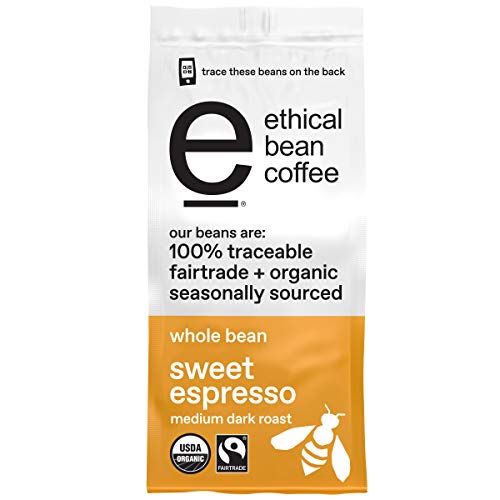
Ethical Bean Fairtrade Organic Coffee, Whole Bean Espresso Coffee (12 Oz Bag), Sweet Espresso Medium Dark Roast, 0.75 Lb
WHOLE BEAN COFFEE: One 12 oz bag of ETHICAL BEAN Sweet Espresso Medium Dark Roast whole bean coffee
As an affiliate, we earn on qualifying purchases.
As an affiliate, we earn on qualifying purchases.
Processing Methods and Their Effect on Taste

Processing methods like dry and washed impact a coffee’s flavor clarity and consistency. Dry processing often results in bolder, fruitier notes with more defects, while washed processing yields cleaner, brighter tastes. Understanding these differences helps you choose coffee that matches your preference for flavor and quality. Additionally, regulatory compliance can influence how coffee producers handle processing procedures to meet industry standards.
Dry Versus Washed Processing
Dry and washed processing methods profoundly influence the flavor profile of your coffee. Dry processing involves drying the whole cherry in the sun, which imparts a fruity, full-bodied character with earthy undertones. Washed processing removes the fruit’s outer layers before drying, resulting in a cleaner, brighter cup with clearer fruit and floral notes. The choice between these methods affects your coffee’s complexity and acidity. Glycolic acid is known for its exfoliating properties that can enhance skin texture, but in coffee processing, similar principles of removing outer layers can influence the final flavor profile. Factors like climate, altitude, and bean variety influence how each method shapes the final taste. Understanding these differences helps you choose coffee aligned with your flavor preferences, whether you enjoy a vibrant or a smooth cup.
Impact on Flavor Clarity
Understanding how different processing methods influence flavor clarity can help you select coffee that matches your taste preferences. Washed (or fully processed) beans tend to produce a cleaner, brighter cup because the fermentation removes much of the fruit and mucilage, allowing the true bean flavor to shine. On the other hand, natural or dry-processed beans often result in more pronounced fruity and wine-like notes, but they can also introduce muddiness or uneven flavor clarity if not carefully processed. Commercial coffee from grocery stores typically uses beans with less precise processing, leading to muddled or muted flavors. The processing techniques used during production are crucial for achieving optimal flavor clarity. In addition, the level of processing control during production can significantly affect how well the flavors are preserved and expressed. A greater focus on quality standards can improve the overall consistency and taste of the final product. Moreover, consistent quality control measures help maintain processing consistency, which is vital for flavor clarity and overall coffee quality.
Consistency and Defects
When coffee beans are carefully sorted and processed, they achieve greater consistency in flavor and fewer defects that can ruin your cup. Proper processing eliminates issues like black beans, sour beans, stones, and water damage, which distort taste and texture. Commercial grocery coffee often contains these defects due to lower-quality beans and less meticulous sorting. In contrast, specialty roasters select defect-free, traceable beans scored 80+ on the SCA scale, ensuring uniformity. They also focus on:
- Consistent processing methods like washed or honey-processed to enhance flavor stability
- Rigorous sorting to remove defective beans before roasting
- Maintaining high standards in storage and handling to preserve bean integrity
- Implementing unique and wicked planters to ensure quality control during storage and transportation
This attention to detail results in a more dependable, high-quality brew with fewer surprises.
Production Philosophy and Ethical Considerations

Production philosophy and ethical considerations shape how coffee is sourced, processed, and marketed. When you buy from a local roaster, you support transparent supply chains that prioritize fair wages and sustainable farming practices. These roasters often build direct relationships with farmers, ensuring better working conditions and environmentally friendly methods. In contrast, grocery store coffee typically comes from large corporations focused on efficiency and profit, often with little regard for ethical sourcing. They may buy beans from anonymous suppliers, ignoring fair trade standards or environmental impact. By choosing local, you’re making a conscious decision to prioritize ethical production, traceability, and quality. This approach not only influences the origins of your coffee but also promotes more responsible, sustainable practices within the industry. Relationships can play a vital role in establishing trust and accountability in the supply chain, ensuring that ethical standards are upheld at every stage. Additionally, support for local businesses helps foster community development and encourages transparency in sourcing practices. Incorporating sustainable farming practices further emphasizes the importance of environmentally friendly methods in the coffee industry, promoting long-term ecological balance. Moreover, understanding the production philosophy behind your coffee can deepen appreciation for its journey from farm to cup. Recognizing the impact of eco-friendly living can motivate consumers to choose brands committed to sustainable and environmentally conscious methods.
Practical Factors in Purchasing and Convenience

When choosing where to buy your coffee, cost and accessibility play a big role in your decision. Grocery stores offer convenience and lower prices, but they often sacrifice freshness and quality. Exploring online options or local roasters can provide fresher beans, though they may require more effort or higher prices.
Cost and Accessibility
Cost and accessibility are key factors that influence your coffee choices daily. Grocery store coffee offers convenience and low prices, making it easy to grab a bag on impulse. However, specialty coffee from local roasters or online sources often costs more upfront but can be more economical over time due to higher quality and longer shelf life. Consider these points:
- Grocery coffee is widely available and easy to purchase during regular shopping trips.
- Specialty beans may require ordering online or visiting local roasteries, which can be less convenient.
- Larger grocery chains often carry popular brands at competitive prices, while small roasters focus on quality, sometimes with limited stock.
- Additionally, best anime movies can provide insight into cultural storytelling, which can enrich your appreciation of products like coffee, especially if you enjoy exploring different cultures through media.
- The freshness of coffee can greatly impact its flavor, and buying from a local roaster often ensures a fresher product compared to pre-packaged options on store shelves.
- Investing in freshly roasted coffee from local sources can also support small businesses and promote sustainable practices, adding value beyond just flavor.
- Moreover, understanding the home decor of a space can influence how coffee displays or brewing stations are set up, enhancing both functionality and aesthetic appeal.
Freshness and Storage
Freshness plays a crucial role in achieving the best flavor from your coffee, and storage practices directly impact that freshness. Grocery store beans often sit on shelves for weeks, losing their peak aroma and flavor, since they’re not rotated properly. They usually only show expiration dates, not roast dates, making it hard to know how fresh the beans really are. Specialty roasters, on the other hand, display roast dates on their packaging, shipping beans within 3-5 days of roasting to ensure maximum freshness. Whole beans stay fresher longer than pre-ground coffee because they protect volatile oils and aromas. Proper storage—keeping beans in an airtight container away from light and heat—also helps preserve flavor, but buying fresh, roasted beans from local roasters or online remains the best way to enjoy peak freshness. Roast date tracking helps consumers make more informed purchasing decisions.
How Roast Dates and Shelf Life Matter
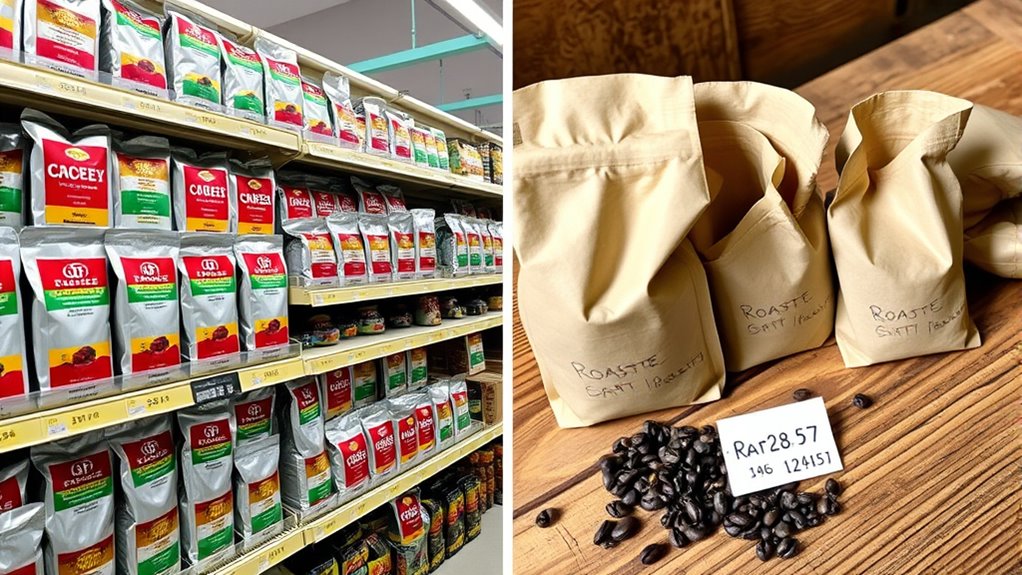
Roast dates on coffee packaging provide crucial information about the bean’s freshness, which greatly impacts flavor and aroma. When you see a recent roast date, it indicates the beans are at their peak, offering richer taste and more vibrant aromas. Conversely, a product with an old roast date suggests the coffee may have lost much of its freshness, resulting in duller flavor and diminished aroma. To maximize your experience, look for:
- Beans roasted within the last 2 weeks for prime freshness
- Proper storage to maintain quality over time
- Awareness that shelf life varies based on packaging and storage conditions
Freshness diminishes quickly after roasting, especially once beans are ground. Choosing coffee with recent roast dates ensures you enjoy complex flavors and aromatic nuances that older coffee simply can’t deliver.
Why Choice of Coffee Can Make a Difference

The choice of coffee directly influences the flavor, aroma, and overall enjoyment of your brew. When you pick high-quality, traceable beans, you’re more likely to experience complex flavors like caramel, citrus, or floral notes. Specialty coffee is carefully sourced from defect-free beans, which means fewer off-flavors and a cleaner taste. In contrast, grocery store options often contain inconsistent beans with defects that can dull or mask subtle flavors. Freshness plays a vital role—freshly roasted beans preserve oils and aroma, giving your coffee vibrant character. Whole beans from local roasters or trusted brands retain their quality longer than pre-ground supermarket coffee. Your choice impacts not just taste but also the ethical and environmental standards behind your cup. Ultimately, selecting better coffee elevates your entire brewing experience.
Frequently Asked Questions
How Can I Tell if Coffee Beans Are Truly Fresh?
You can tell if coffee beans are fresh by checking for a recent roast date on the package—preferably within the past week. Fresh beans have a vibrant aroma, and when you grind them, you’ll notice a burst of rich, complex scents. Avoid beans that smell flat or stale, as these are likely old. Buying from local roasters or online shops that display roast dates helps make certain you get the freshest beans possible.
Do Different Roasting Levels Affect Flavor Quality?
Different roasting levels substantially impact flavor quality by highlighting or masking certain notes. Light roasts preserve the beans’ original fruity, floral, and acidic qualities, offering complex flavors. Medium roasts balance acidity and body, enhancing sweetness. Dark roasts develop bold, smoky, and bittersweet notes but can mask subtle flavors. Your choice depends on your taste preference; each level offers a unique experience, but freshness and bean quality remain essential for the best flavor.
Are Single-Origin Coffees Better Than Blends?
Think of single-origin coffee as a carefully curated playlist, offering unique, harmonious notes that tell a story. You’ll find it often fresher and more vibrant than blends, which mix flavors for consistency but can dilute the true character of the beans. As you savor each cup, single-origin beans reveal their distinctive terroir, making your coffee experience richer, more complex, and more memorable—like tasting the very essence of the land it’s from.
What Is the Best Way to Store Coffee at Home?
You should store coffee in an airtight container away from light, heat, and moisture to maintain freshness. Keep whole beans instead of ground, as they stay flavorful longer. Store them in a cool, dark place, like a pantry or cupboard, and avoid the fridge or freezer if you consume coffee quickly. Using these tips, you’ll preserve the aroma and flavor of your coffee for weeks.
How Does Ethical Sourcing Impact Coffee Flavor?
Think of ethical sourcing as planting a seed of trust in your coffee. When you choose ethically sourced beans, you’re supporting farmers who harvest with care, ensuring better quality and richer flavors. This connection translates into a more vibrant, nuanced cup, full of the integrity and character that only responsible practices can produce. So, your choice impacts not just the planet and people, but also the depth and complexity of every sip.
Conclusion
Ultimately, choosing between store-bought coffee and a local roaster comes down to what matters most to you. While store coffees offer convenience, local roasters often deliver unmatched freshness and flavor. Don’t overlook the power of knowing where your beans come from—sometimes, it’s the little details that make a big difference. Remember, you get what you pay for, so don’t settle for less when it comes to your morning brew.