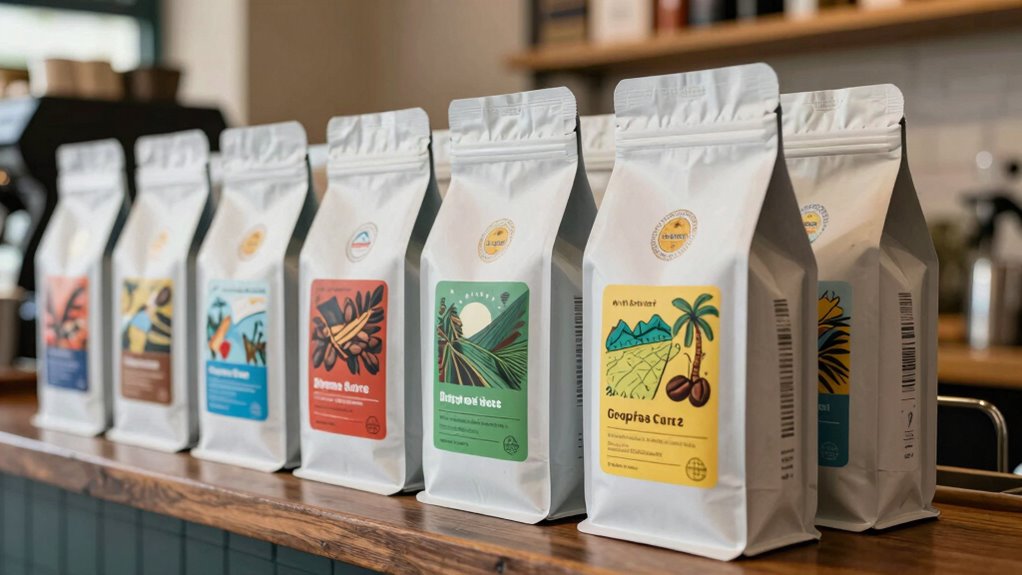
Smart coffee shoppers look for clear origin information, knowing that regional differences influence flavor and freshness. They check for roast dates on labels to guarantee the beans are recent and your packaging is airtight with gas valves to keep coffee fresh. Certifications like Organic or Fair Trade also signal quality and ethics. Brand stories that highlight farmers and sourcing practices build trust. If you explore these cues further, you’ll gain a deeper understanding of how to choose the best coffee.
Key Takeaways
- Clear roast date labels indicating freshness and optimal flavor window.
- Packaging that is airtight, sustainable, and includes one-way valves to preserve beans.
- Transparent origin information and certifications like Organic or Fair Trade.
- Visible brand storytelling highlighting farmers, sourcing practices, and quality commitment.
- Properly labeled storage instructions and details about processing methods for quality assurance.

Lavazza Super Crema Whole Bean Coffee, Medium Espresso Roast, Arabica and Robusta Blend, 2.2 lb Bag, Package May Vary (Pack of 1)
SUPER CREMA: A 2.2 lb whole bean coffee bag ideal for espresso preparation
As an affiliate, we earn on qualifying purchases.
As an affiliate, we earn on qualifying purchases.
Why Does Coffee Origin Matter for Quality?
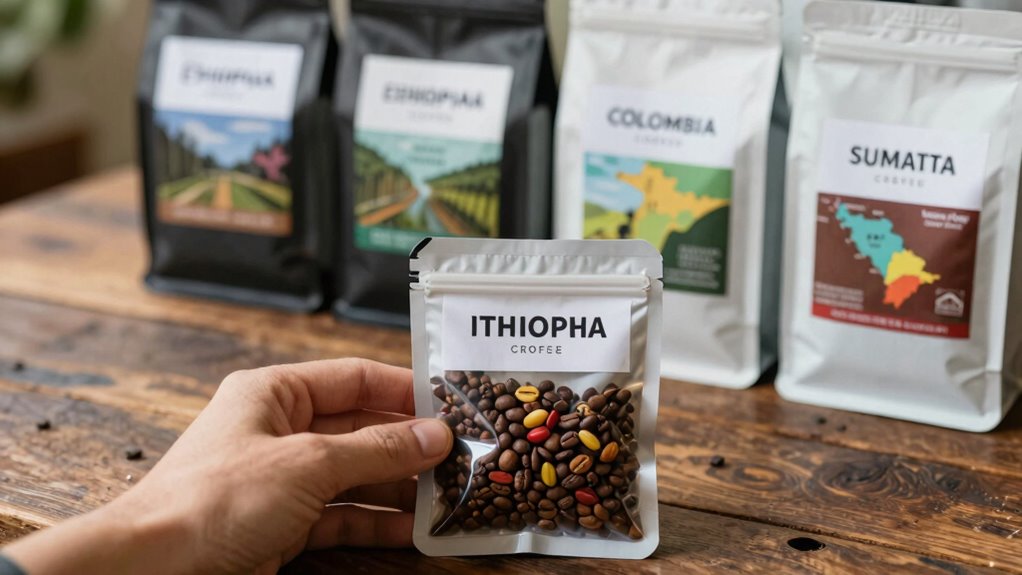
The origin of coffee plays a crucial role in determining its quality because different regions have unique climates, soils, and growing conditions that influence flavor. When you consider coffee’s origin, you’re tapping into its potential for a distinctive coffee flavor that reflects its environment. For example, beans from Ethiopia often have bright, fruity notes, while Colombian beans may offer smooth, nutty flavors. Regional differences also affect bean freshness, as some areas produce beans that are harvested and processed quickly, preserving their peak quality. Knowing where your coffee comes from helps you select beans with the flavor profile you desire. Additionally, understanding a region’s growing conditions can give you insight into the sustainability and ethical practices behind your coffee choices. This knowledge can also help you appreciate the processing methods used, which further impact flavor and freshness. Recognizing regional flavor profiles can guide you in picking coffees that match your taste preferences and enhance your overall coffee experience. Furthermore, awareness of regional climate influences can deepen your appreciation for how environmental factors shape the characteristics of your coffee. Incorporating knowledge of certification labels can also assist in identifying ethically sourced and environmentally friendly options. Ultimately, understanding origin guides you in choosing coffee that’s fresh and flavorful, ensuring a richer, more satisfying experience with every cup.

Coffee Bean Storage Container with One-way Valve Airtight Lid Date Tracker for Coffee and More Food Fresh and Storage, Clear Borosilicate Glass Coffee Canister(1.2 Qt – 13.1 OZ)
【Expert of Coffee Bean Waking-up】This is a glass container for coffee beans wake-up and storage, you can see…
As an affiliate, we earn on qualifying purchases.
As an affiliate, we earn on qualifying purchases.
How Can You Read Coffee Labels to Ensure Freshness?
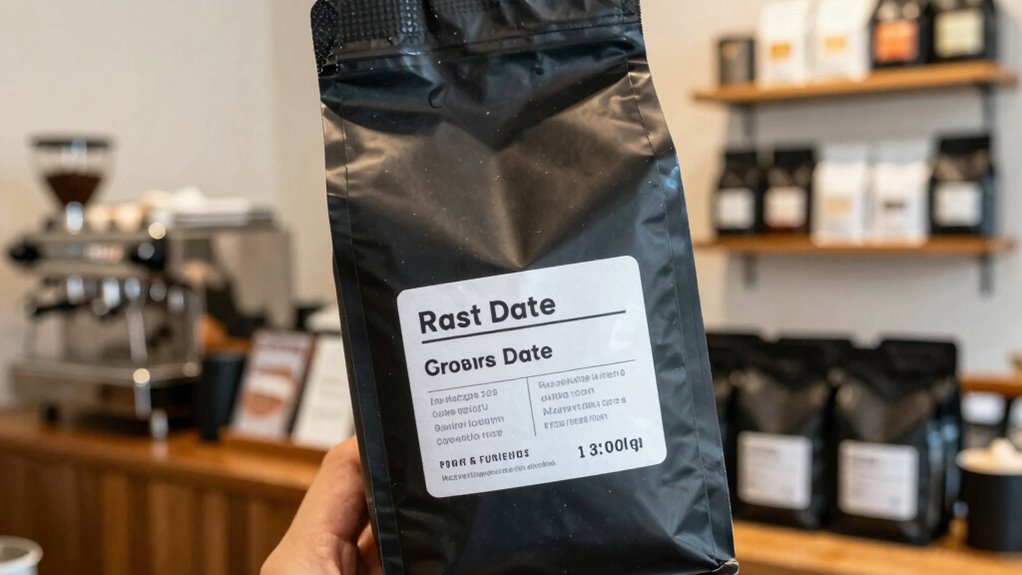
Reading coffee labels carefully is essential for ensuring you get fresh beans. Labels reveal important details that help you choose the best coffee for your taste and brewing method. Look for the roast date—freshness declines quickly after roasting. Check for flavor profiles, which indicate the beans’ taste characteristics, so you pick options matching your preferences. Also, consider the origin and processing method, as these influence flavor and freshness. Understanding the different types of brewing choices available can help you select the right equipment for your preferred coffee style. Additionally, being aware of coffee label malpractices can help you avoid misleading or inaccurate information on packaging. To make informed choices, focus on:
- Roast date to confirm freshness
- Flavor profiles to match your taste
- Brewing method suggestions to optimize your experience
Knowing how label transparency impacts your ability to verify freshness can further enhance your purchasing decisions.
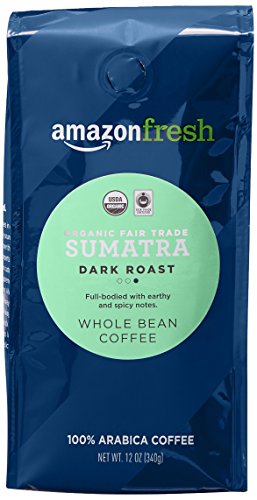
Amazon Fresh Organic Fair Trade Sumatra Whole Bean Coffee, Dark Roast, 12 Ounce
Dark roast with deep, intense flavor
As an affiliate, we earn on qualifying purchases.
As an affiliate, we earn on qualifying purchases.
Why Are Roast Dates Important When Buying Coffee?
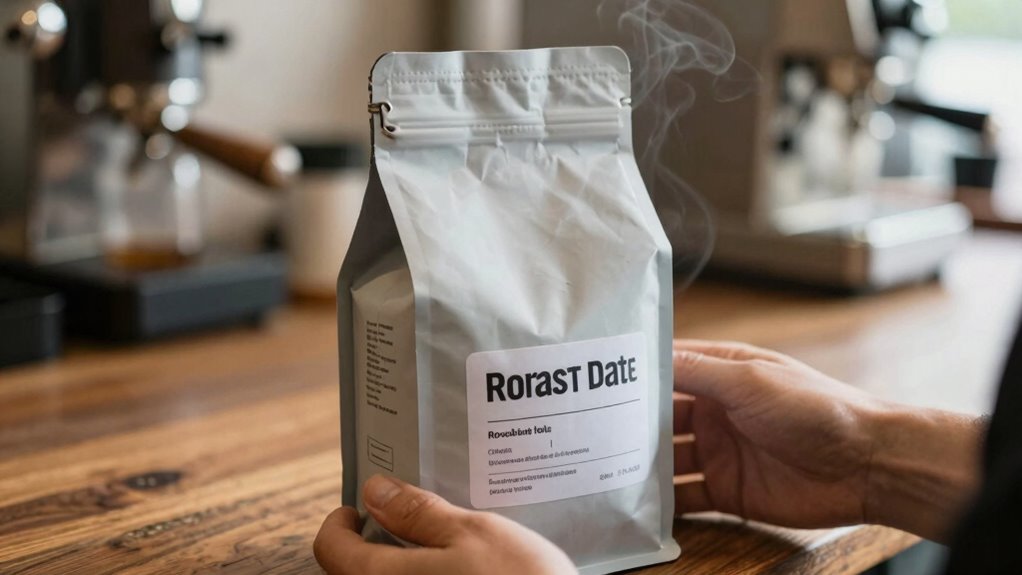
Knowing the roast date on a coffee label is essential because it directly impacts the freshness and flavor you experience with each brew. Freshly roasted coffee offers a vibrant coffee flavor that enhances your preferred brewing techniques. The closer the roast date, the better your chances of capturing the beans’ full potential. Additionally, understanding color accuracy can be as crucial for achieving a perfect finish as knowing the optimal freshness for coffee. Being aware of roast levels can also influence your choice, as different roasts can bring out distinct flavor profiles and aroma nuances.

Coffee Thank You Tags, 50Pcs Coffee Bean Birthday Party Favor Labels Coffee Theme Round Thank You for Bean Here Gift Wrap Tags for Birthday Bachelorette Baby Shower Party Supplies
Theme Design: Coffee theme thank you tags cleverly blends the words "Thank You for Bean Here" with coffee…
As an affiliate, we earn on qualifying purchases.
As an affiliate, we earn on qualifying purchases.
How Do Packaging Choices Keep Coffee Fresh?
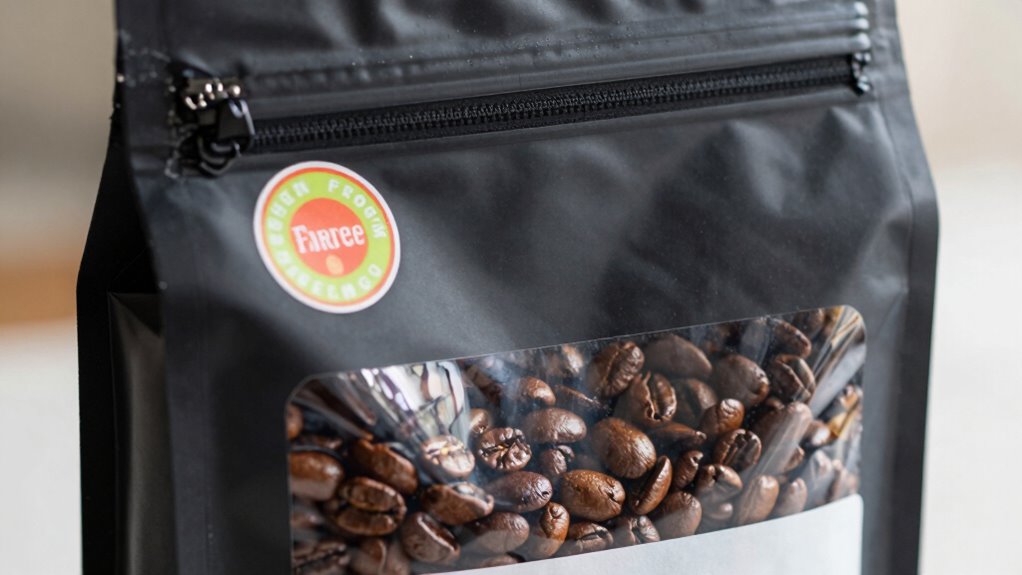
When it comes to maintaining the freshness of your coffee, packaging plays a key role. Good packaging protects coffee from oxygen, moisture, and light, which can all degrade flavor. Look for bags with one-way valves—these release built-up gases without letting air in, preserving freshness during storage. Proper packaging also helps you optimize coffee storage at home, keeping beans or grounds fresh longer. Incorporating natural filtration systems in packaging can further enhance preservation by reducing chemical exposure. Consider how your brewing methods align with packaging choices; for example, whole beans stay fresher longer and are better suited for grinding just before brewing. Additionally, choose packaging that’s resealable if you don’t use all the coffee at once. These small details ensure your coffee remains vibrant and flavorful from bag to cup. Proper storage techniques also contribute to maintaining optimal freshness over time, especially when combined with a controlled humidity environment that minimizes moisture exposure. Using appropriate packaging materials can further prevent flavor loss and extend shelf life.
What Certifications Guarantee Coffee Quality?
How can you be sure that the coffee you buy meets high quality standards? Certifications provide a reliable way to verify quality. Look for certifications like Fair Trade, Organic, or Rainforest Alliance, which ensure ethical sourcing and sustainable practices. These labels often indicate strict quality controls during coffee brewing and handling. Additionally, certifications like USDA Organic confirm that no harmful chemicals were used, which affects caffeine extraction and overall flavor. When shopping, check for these symbols on the packaging. They guarantee that the coffee has undergone rigorous testing, from bean selection to processing. Incorporating quality standards of electric bikes into your purchasing decision can also give insight into the overall reliability of the product. Furthermore, understanding the Indian numbering system, such as crores, can help you better interpret pricing and quantity labels in regions where these units are prevalent. Knowing these certifications helps you choose coffee that’s consistent, ethically produced, and optimized for a better brewing experience.
How Does a Coffee Brand’s Story Reflect Its Quality?
A coffee brand’s story reveals its commitment to quality through authentic narratives that resonate with you. When a brand maintains consistent storytelling practices, it shows transparency and dedication to its roots. These elements help you gauge whether the coffee’s quality matches its reputation. Additionally, a compelling story often highlights the brand’s connection to local culture and traditions, which can enhance your overall appreciation of the coffee. Recognizing brand authenticity can further inform your purchase decisions, as it reflects the company’s genuine efforts to maintain quality and integrity. Understanding the art and culture behind a brand can deepen your connection and trust in the product. Moreover, the use of cultural content such as poetry or celebrations in branding can reinforce the authenticity and emotional appeal of the coffee. Incorporating elements like storytelling techniques can also strengthen the brand’s narrative, making it more memorable and meaningful to consumers.
Authentic Brand Narratives
Look for stories that emphasize direct trade, sustainable sourcing, and artisanal methods, as these often correlate with higher quality. Authentic narratives also reveal a brand’s dedication to quality control and the passion behind their blends.
Consider what the story says about:
- The farmers and regions involved
- The roasting and brewing process
- The attention to flavor details and tasting notes
Consistent Storytelling Practices
When a coffee brand consistently shares its story across platforms and over time, it signals a deep commitment to authenticity and quality. This consistency builds trust, showing you that the brand values transparency and craftsmanship. Their storytelling often highlights the meticulous process of coffee brewing, emphasizing attention to detail that influences flavor profiles. When a brand’s narrative remains steady, it suggests they prioritize quality control and have a clear vision for their product. You notice how they highlight sustainable sourcing, expert roasting, and the journey from bean to cup. This unified story reassures you that the coffee you buy isn’t just about taste but also about integrity. Ultimately, consistent storytelling reflects a brand’s dedication to delivering a high-quality coffee experience.
How Do Grind Size and Packaging Affect Coffee Freshness?
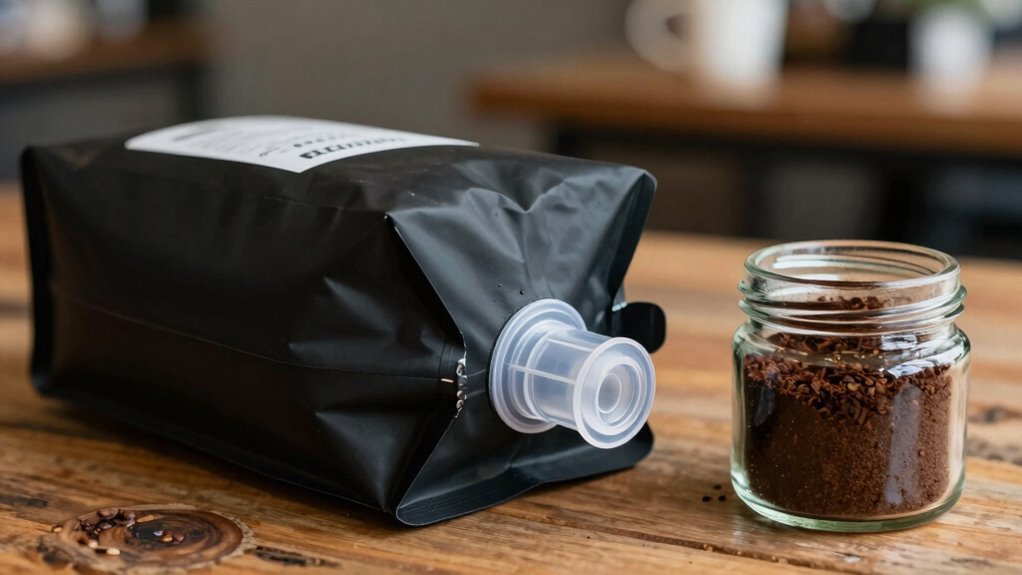
The size of the coffee grind and the packaging you choose directly impact how long your coffee stays fresh. When it comes to grind consistency, uniform particles guarantee even extraction and flavor preservation, especially if you plan to brew immediately. Coarse grinds lose their freshness faster than whole beans because of increased surface area. Packaging materials also matter: airtight bags with one-way valves prevent oxygen from spoiling your coffee and keep out moisture and light. Look for packaging that minimizes exposure to air and uses durable materials. To maximize freshness, consider packaging durability as it plays a crucial role in protecting your coffee over time. Choose whole beans over pre-ground coffee to further extend freshness. Opt for airtight, valve-sealed packaging. Store in a cool, dark place away from sunlight and humidity. Proper coffee storage practices further extend the freshness and quality of your brew. Additionally, understanding how air quality affects your storage environment can help maintain optimal freshness over time. Investing in high-quality Packaging materials can also significantly slow down the deterioration process and preserve flavor more effectively. Properly controlling the storage environment is essential to prevent degradation caused by fluctuating temperatures and humidity levels.
What Key Questions Should You Ask When Choosing Coffee?
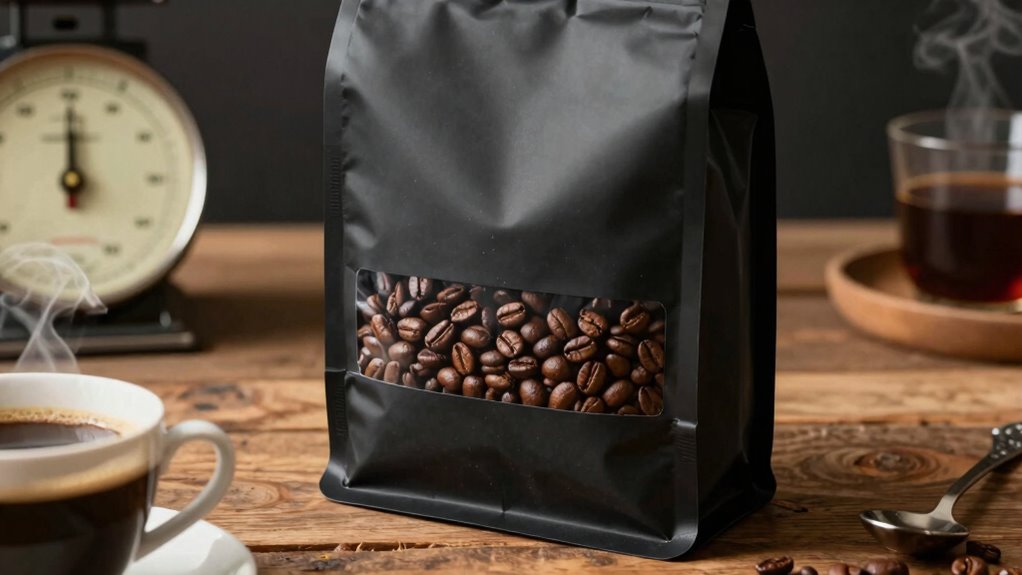
Choosing the right coffee begins with asking the right questions. First, consider your preferred coffee brewing method—does it suit drip, French press, or espresso? This influences the roast level and grind size you should look for. Next, ask about flavor profiles: Are you seeking bright, fruity notes or rich, chocolatey tones? Understanding the flavor profiles helps narrow options. Also, inquire about the origin of the beans, as different regions produce distinct tastes. Don’t forget to ask if the coffee is freshly roasted; freshness impacts flavor. Additionally, understanding the mechanics of French press can help you select beans that brew best with that method. Recognizing the importance of freshly roasted coffee can significantly enhance your brewing experience. Furthermore, asking about the storage conditions the coffee has undergone can provide insight into its overall quality and shelf life. Being aware of the processing method can also help you find a coffee that aligns with your taste preferences and brewing style. Asking these key questions guarantees you select a coffee that matches your palate, brewing routine, and desired flavor experience.
How Can You Spot Hidden Quality Cues in Coffee Packaging?
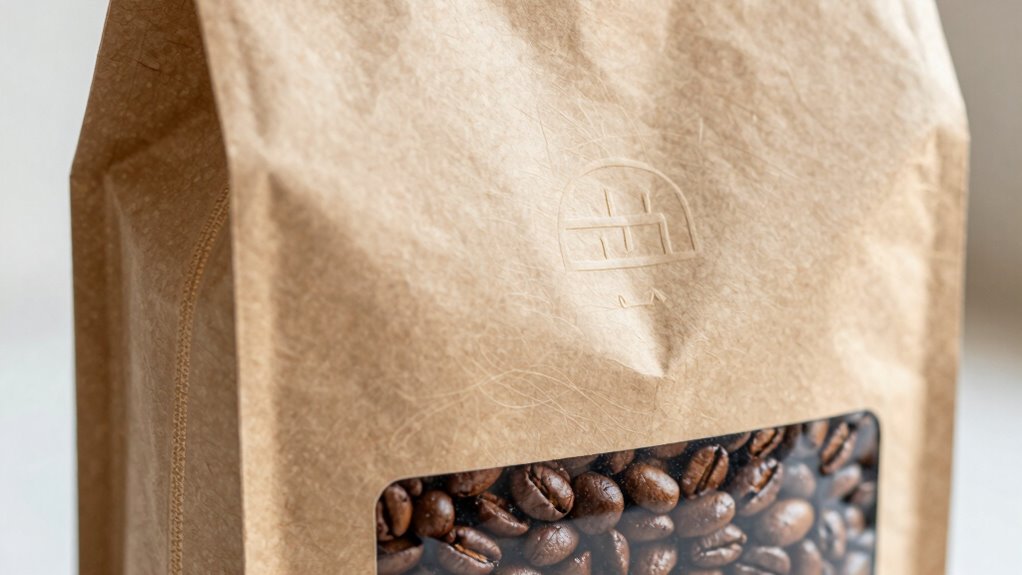
To spot hidden quality cues in coffee packaging, start by checking the roast date; fresh coffee should have a recent date clearly marked. Examine the packaging material—high-quality, airtight bags protect the beans better and preserve flavor. Also, look for labels or certifications that indicate quality standards, like organic or fair trade, to verify you’re getting a premium product. Additionally, being aware of packaging that features cryptid mysteries or folklore themes can sometimes hint at marketing strategies that appeal to niche or passionate consumers.
Roast Date Transparency
Spotting the roast date on coffee packaging can reveal a lot about its freshness and quality. Freshly roasted beans provide better flavor and aroma, which are essential for your brewing techniques. When you see a clear roast date, you can better judge how long the coffee has been stored and whether it’s still at its peak. Look for signs that the packaging has been sealed properly to prevent air exposure, which affects coffee storage and freshness.
To spot quality cues, consider:
- The proximity of the roast date to the purchase date
- Whether the package indicates “freshly roasted” or “roasted on” dates
- Clear labeling that shows transparency rather than vague “best by” dates
These clues help guarantee you’re buying coffee that delivers maximum flavor and freshness.
Packaging Material Quality
While verifying the roast date is important, paying attention to the packaging material can reveal additional clues about a coffee’s quality. Look for packaging that emphasizes sustainability, such as recyclable or biodegradable materials, which indicates a brand’s commitment to environmental responsibility. Material durability also matters; sturdy, well-sealed bags protect beans from air and moisture, preserving freshness. Thin or flimsy packaging can suggest lower quality or poor manufacturing standards, risking bean spoilage. High-quality coffee brands often choose robust, airtight materials to maintain flavor and aroma. By evaluating both sustainability and durability, you can better distinguish premium coffee that’s handled with care from products that cut corners or compromise freshness.
Labeling and Certification
Ever wonder how to decode the true quality of a coffee before you buy? Labels and certifications can reveal a lot about a coffee’s origin and freshness. Look for certifications like Fair Trade or Organic, indicating ethical sourcing and quality standards. Check if the packaging mentions suitable coffee storage instructions—proper storage preserves flavor and aroma. Also, see if the label specifies brewing methods, helping you understand the intended preparation style, which can reflect the bean’s quality.
To spot hidden cues, pay attention to:
- Certification seals (e.g., USDA Organic, Rainforest Alliance)
- Storage recommendations on the packaging
- Information about the coffee’s origin and processing techniques
These cues help you choose fresher, well-sourced coffee that aligns with your brewing preferences.
Frequently Asked Questions
How Do Seasonal Variations Affect Coffee Flavor and Freshness?
Seasonal variations profoundly impact coffee flavor and freshness. When you notice changes, it’s often due to harvest timing, which varies with seasons, affecting bean ripeness and quality. Climate influence also plays a role, as shifts in temperature and rainfall alter bean development. During different seasons, beans may develop unique flavor profiles, and freshness can decline if beans aren’t stored properly after harvest. Being aware of these factors helps you choose fresher, better-tasting coffee.
What Are Common Misleading Labels or Claims on Coffee Packaging?
Think of coffee labels as a mirage in the desert—appealing but sometimes misleading. You should watch out for claims like “organic” or “premium,” which can be exaggerated. Be wary of labels promising “single origin” without certification or sustainable sourcing, as these can be misleading. Trust brands that back their claims with coffee certification standards, ensuring you’re supporting ethical practices and getting the quality you seek.
How Do Storage Conditions Impact Coffee Quality at Home?
You should pay attention to storage temperature and container material because they directly impact your coffee’s freshness. Keep your coffee in a cool, consistent environment, ideally between 60-70°F, to prevent staling. Use an airtight container made of non-reactive material like glass or stainless steel, which keeps out moisture and air. Proper storage preserves flavor, aroma, and quality, ensuring your coffee stays fresh and enjoyable with each brew.
Can You Tell the Roast Level Just by Looking at the Beans?
Can you tell the roast level just by looking at the beans? Absolutely. The bean color is your first clue, with darker shades indicating a darker roast. However, look for roast consistency—uniformity in color and surface oil can reveal a well-crafted roast. While visual cues help, tasting remains the true test. Still, your eyes can serve as a helpful guide on your journey to perfect coffee.
What Are the Signs of Synthetic Additives or Fillers in Coffee?
You can spot synthetic additives or fillers in coffee by looking for additive indicators like unusual textures, overly uniform beans, or strange smells. Filler detection often involves noticing inconsistent flavor profiles or a dull, flat taste that doesn’t match premium beans. If the coffee seems overly processed or has a chemical aftertaste, it’s a sign that additives may be present. Trust your senses to identify these subtle but telling signs.
Conclusion
By paying attention to coffee origin, labels, roast dates, packaging, and certifications, you’re practically wielding a magic wand that guarantees the freshest, most flavorful brew. Think of yourself as a detective uncovering hidden secrets in every bag, transforming your mornings into a symphony of rich aromas and bold tastes. With these tips, you’ll outsmart even the most seasoned baristas and elevate your coffee game to legendary status—your taste buds will thank you!