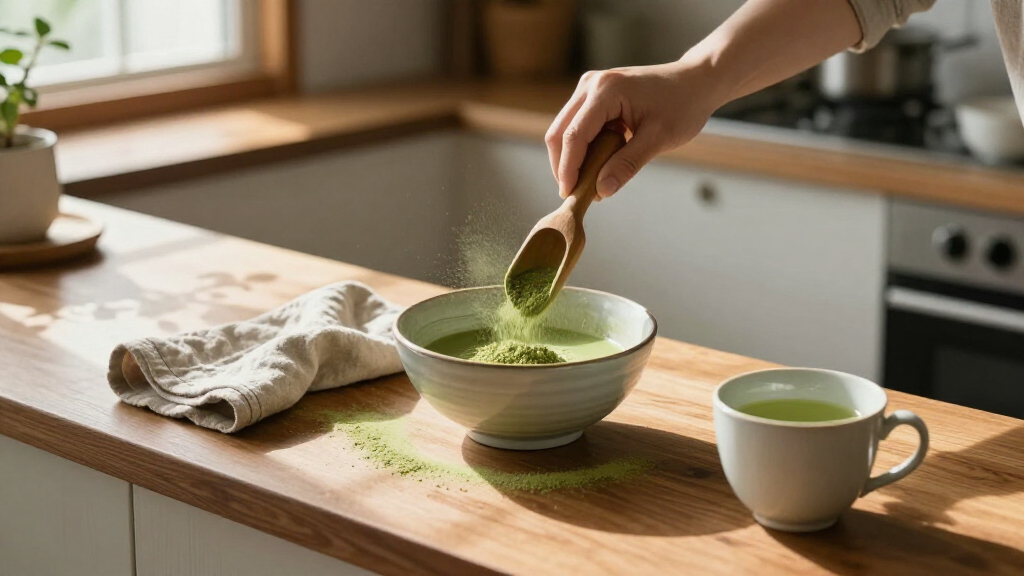
Choosing matcha tea powder comes down to how you plan to use it: whisked on its own, mixed into lattes, or added to recipes. Naoki Matcha Organic First Spring Blend is my premium pick for a more occasion-focused cup, while Jade Leaf Culinary Grade and Micro Ingredients First Harvest stand out for cooking and larger-batch use. Across these 13 options, the main tradeoffs are smaller packages aimed at freshness and higher-grade drinking versus bulk culinary powders built for frequent use. Harvest and grade labels can help, but they do not tell the whole story about flavor or sourcing. Read on for how each option fits different matcha routines and what to check before buying.

Get coffee and tea gear delivered free with Prime
- Fast, free delivery on millions of items
- Prime Video, Amazon Music and more included
- Member-only deals all year
Complete the kit


Key Takeaways
- Naoki’s First Spring Blend is the lineup’s premium, small-format option; its 40g package suits buyers who want to reserve a finer powder for whisked servings.
- Micro Ingredients First Harvest comes in a 1 lb culinary-grade format, making it a practical fit for recipes and frequent use where package size matters.
- Jade Leaf appears in both 30g and 100g culinary-grade packages, giving occasional users and more regular cooks different ways to try the same named line.
- Several options are sold in 1 lb or 2 lb bags; these are geared toward sustained use, but require a plan for airtight storage and freshness after opening.
- Harvest and organic claims recur across the roundup, but labels alone do not establish taste. Buyers should compare intended use, origin details, and package format before treating products as interchangeable.


| matcha tea powder | Weight | Grade | Harvest |
|---|---|---|---|
| Matcha DNA Organic Matcha Powd | 16 oz | — | — |
| Jade Leaf Matcha Powder | 100 g / 3.53 oz | Culinary | — |
| Micro Ingredients Organic Matc | 1 lb | Culinary | First harvest |
| Organic Matcha Green Tea Powde | 2 lb | Culinary | Early spring |
| FGO Organic Matcha Green Tea P | 4 oz | — | — |
| Naoki Matcha Superior Blend Ma | 100g / 3.5oz | Ceremonial | First harvest |
| Organic Matcha Green Tea Powde | 1 pound / 454g | Culinary | Early spring leaves |
| Naoki Matcha Superior Blend Ma | 40g / 1.4oz | Ceremonial | First harvest |
| Organic Matcha Green Tea Powde | 1 lb / 454g | Culinary | First harvest |
| Jade Leaf Organic Matcha Powde | 30g / 1.06oz | Culinary | — |
| Organic Matcha Green Tea Powde | 2 lb | Culinary | First harvest |
| Naoki Matcha Organic First Spr | 40 g / 1.4 oz | Ceremonial | First spring |
| Organic Matcha Green Tea Powde | 2 lb / 907 g | Culinary | First harvest |
More Details on Our Top Picks
Matcha DNA Organic Matcha Powder – 16oz
The 16-ounce jar gives home cooks a substantial supply for tea, lattes, smoothies, and baking, while its USDA Organic certification and additive-free formula suit buyers who want a simple ingredient. Compared with Jade Leaf Matcha Powder, Organic Culinary Grade, Matcha DNA comes in a much larger package, so it makes more sense for households that use matcha across several recipes. That larger quantity also means less flexibility if its flavor is not a fit. The description warns that the taste may be strong and grassy, which can stand out in plain tea or delicate recipes. The listing supplies no brewing instructions, so beginners may need to work out whisking and proportions themselves. BPA-free packaging is a useful detail, though no specific resealing feature is listed.
Pros:- USDA Organic and made without listed additives
- 16-ounce supply supports repeated use across drinks and recipes
- Suitable for tea, lattes, smoothies, and baking
- BPA-free packaging
Cons:- Strong, grassy flavor may be difficult to enjoy in plain tea
- No specific brewing instructions are provided
- Large quantity is a commitment for infrequent users
Best for: Regular matcha drinkers and home cooks who want one organic powder for drinks, smoothies, and baking
Not ideal for: First-time matcha buyers or occasional users who want a small quantity and clear preparation guidance
- Weight:16 oz
- Organic:Yes
- Vegan:Yes
- Gluten-free:Yes
- Additives:None
- Packaging:BPA-free jar
Our verdict“Choose Matcha DNA if you regularly use organic matcha in both drinks and recipes and are comfortable with a grassy flavor.”
Jade Leaf Matcha Powder, Organic Culinary Grade, 100g / 3.53oz
Japanese origin and culinary grade define this Jade Leaf option: it is sourced from Uji and Kagoshima and intended for lattes, smoothies, and baking. Its 100-gram package is a smaller commitment than Matcha DNA’s 16-ounce jar, which can suit buyers still learning how much matcha they use. In return, it offers less supply for frequent baking or daily drinks. The listing describes a strong flavor, so this may work better blended into milk or recipes than for someone seeking a mild, plain cup. USDA Organic, vegan, gluten-free, and dairy-free certifications make its dietary fit clear. The powder needs preparation and mixing, and the product data does not specify a whisk or preparation instructions. Compared with Micro Ingredients Organic Matcha Green Tea Powder, Jade Leaf offers a more compact pack, while Micro Ingredients is the better fit for stocking a larger pantry supply.
Pros:- Sourced from Uji and Kagoshima in Japan
- USDA Organic, vegan, gluten-free, and dairy-free
- Culinary grade suits lattes, smoothies, and baking
Cons:- 100-gram package may run short for frequent use
- Strong flavor may be challenging in plain tea
- Requires mixing, and preparation guidance is not specified
Best for: Buyers who want Japan-sourced, certified organic culinary matcha in a manageable package for lattes and recipes
Not ideal for: Frequent bakers or daily matcha drinkers who want a bulk supply, or buyers seeking a mild flavor for plain tea
- Weight:100 g / 3.53 oz
- Grade:Culinary
- Origin:Uji and Kagoshima, Japan
- Certifications:USDA Organic
- Dietary:Vegan, gluten-free, dairy-free, keto friendly
- Suggested uses:Lattes, smoothies, and baking
Our verdict“Pick Jade Leaf for a smaller package of Japan-sourced organic culinary matcha that you plan to blend into drinks or recipes.”
Micro Ingredients Organic Matcha Green Tea Powder, First Harvest, Culinary Grade, 1 lb
First-harvest Japanese leaves and a one-pound package make this a practical choice for cooks who use matcha often. The culinary grade is aimed at tea, lattes, smoothies, and recipes, while the unflavored powder keeps the matcha taste in control of the finished dish. Compared with Jade Leaf Matcha Powder, Organic Culinary Grade, Micro Ingredients supplies far more powder, which suits regular use but is less convenient if you are trying matcha for the first time. The listing describes its taste as smooth and earthy; that profile may suit recipes, though it is still a distinct green-tea flavor. USDA Organic and non-GMO credentials are specified, alongside eco-friendly packaging. The stated 151 servings can help with portion planning, but measuring is still needed, and its caffeine content may not suit every buyer.
Pros:- First-harvest Japanese tea leaves
- USDA Organic and non-GMO
- One-pound supply suits repeated use in drinks and recipes
- Unflavored culinary powder with an earthy profile
Cons:- Large package may be excessive for occasional use
- Requires measuring for consistent portions
- Contains caffeine, which may not suit caffeine-sensitive buyers
Best for: Frequent matcha drinkers and home bakers who want a large supply of organic, first-harvest culinary powder
Not ideal for: Occasional users, caffeine-sensitive buyers, or anyone who wants a small package before choosing a flavor
- Weight:1 lb
- Grade:Culinary
- Harvest:First harvest
- Origin:Japan
- Organic:USDA Organic
- GMO:Non-GMO
- Flavor:Unflavored; described as smooth and earthy
- Servings:151
- Packaging:Eco-friendly
Our verdict“Choose Micro Ingredients if you use culinary matcha regularly and want a one-pound, first-harvest Japanese supply.”
Organic Matcha Green Tea Powder, 2 Pounds | Unsweetened, Culinary Grade, Early Harvest, Vegan
Two pounds and 302 listed servings make this the lineup’s clearest fit for high-volume use, especially when matcha goes into frequent baking, smoothies, or lattes. Its early-spring harvest and unsweetened culinary grade give buyers a plain powder to portion into recipes without added flavorings. Compared with Micro Ingredients Organic Matcha Green Tea Powder, First Harvest, this pack is twice the stated weight, so it favors households or kitchens that can work through a bulk supply. That scale is also the main tradeoff: occasional drinkers may find more powder than they need. The listing describes it as lab-tested, non-GMO, vegan, gluten-free, and free from additives. It is intended for culinary uses, and traditional matcha drinking still requires preparation; buyers should not choose it expecting a ready-to-drink product or a small trial size.
Pros:- Two-pound quantity and 302 listed servings suit high-volume use
- Unsweetened culinary grade works across drinks and recipes
- Early-spring harvest is specified
- Listed as lab-tested, non-GMO, vegan, gluten-free, and additive-free
Cons:- Bulk quantity may be excessive for occasional users
- Requires preparation for traditional matcha drinking
- The listing does not specify a more precise Japanese origin
Best for: Frequent home bakers, smoothie makers, or shared households that can use a two-pound culinary matcha supply
Not ideal for: Occasional matcha drinkers or first-time buyers who want a small package and simple single-cup preparation
- Weight:2 lb
- Servings:302
- Grade:Culinary
- Source:Japanese green tea plant
- Harvest:Early spring
- Sweetening:Unsweetened
- Dietary:Vegan, gluten-free, non-GMO
- Testing and additives:Lab-tested; no additives listed
Our verdict“Choose this two-pound pack if matcha is a regular recipe ingredient and you can use a bulk supply.”
FGO Organic Matcha Green Tea Powder – USDA Organic & Non-GMO – 4 oz Resealable Bag
A four-ounce resealable bag gives this FGO matcha a useful middle ground: it offers more than Jade Leaf’s 100-gram pack by listed weight, yet avoids the commitment of Matcha DNA’s 16-ounce jar. The organic, non-GMO powder is described as finely milled, with a smooth texture and no fillers, making it adaptable to lattes, smoothies, and baking. That versatility depends on preparation: the listing warns that whisking helps prevent clumps, so buyers who want a quick scoop-and-stir drink may find it less convenient. The product description also mentions a calm, focused energy boost, but gives no caffeine quantity to help buyers gauge that effect. Compared with Micro Ingredients Organic Matcha Green Tea Powder, FGO is a smaller pantry commitment, though it lacks the specified first-harvest origin and serving count.
Pros:- USDA Organic and non-GMO
- Four-ounce size is smaller than bulk options
- Resealable bag is convenient between uses
- Finely milled powder is described as smooth and free from fillers
Cons:- Whisking is needed to help prevent clumps
- Smaller supply may not suit frequent baking or daily use
- No origin, grade, or caffeine quantity is specified
Best for: Home matcha drinkers who want an organic, non-GMO powder in a resealable bag for occasional lattes and recipes
Not ideal for: Bulk users or people who want matcha that mixes easily without whisking
- Weight:4 oz
- Organic:USDA Organic
- GMO:Non-GMO
- Packaging:Resealable bag
- Texture:Finely milled; described as smooth
- Additives:No fillers listed
- Suggested uses:Lattes, smoothies, and baking
Our verdict“Pick FGO if you want a modest resealable supply of organic matcha and are willing to whisk it before drinking.”
Naoki Matcha Superior Blend Matcha, 100g/3.5oz
Naoki Matcha Superior Blend in the 100g tin suits buyers who want ceremonial-grade powder for drinking as tea, with enough on hand for regular preparation. Its shade-grown, first-harvest leaves from Uji, Kyoto and smooth, balanced flavor make it more approachable for newcomers than a bolder matcha might be. Compared with the 40g Naoki Superior Blend, this tin provides more servings before a restock, while keeping the same beginner-friendly flavor profile.
The tradeoff is that mildness can read as underpowered to people who prefer pronounced bitterness or a stronger green-tea taste. At about 50 servings, it also offers less bulk than the one-pound culinary powders, which are better suited to frequent lattes, smoothies, and baking. I’d choose this for whisked tea first; proper preparation matters if you want its delicate flavor to come through.
Pros:- Ceremonial-grade powder made from shade-grown, first-harvest leaves
- Uji, Kyoto origin gives it a clear Japanese provenance
- Smooth, balanced flavor is approachable for beginners
- 100g tin provides more servings than the 40g Naoki version
Cons:- Mild flavor may disappoint buyers seeking a stronger matcha taste
- Requires careful preparation to bring out its best flavor
- Smaller supply than the one-pound culinary options for frequent recipe use
Best for: New matcha drinkers who want a Japanese ceremonial-grade powder for regular cups of whisked tea
Not ideal for: Frequent bakers or buyers who prefer a forceful, bitter matcha and want a large pantry supply
- Weight:100g / 3.5oz
- Servings:About 50
- Grade:Ceremonial
- Origin:Japan; Uji, Kyoto
- Harvest:First harvest
- Growing method:Shade-grown
- Packaging:Air-tight tin
Our verdict“Choose the 100g Naoki Superior Blend for approachable traditional matcha and a larger supply than its 40g counterpart.”
Organic Matcha Green Tea Powder, 1 Pound
This one-pound organic culinary matcha is aimed at cooks who use green tea powder across drinks and recipes, rather than reserving it for ceremonial preparation. Its unsweetened, culinary-grade format works in lattes, smoothies, and baking, and the listed third-party lab testing and exclusions for GMOs and common allergens may help buyers comparing ingredient needs. Against the 30g Jade Leaf Organic Matcha, the 454g package is far more practical for repeated recipe use.
That volume is a commitment: it makes less sense for someone who only drinks an occasional cup, and the product description gives no specific region in Japan beyond the Japanese green tea plant source. Unlike the Naoki Superior Blend, it is not presented as ceremonial grade, so I would favor it for mixing into recipes over a delicate straight tea. It requires preparation before use and offers no added convenience such as a ready-to-drink format.
Pros:- 454g package supports frequent drinks and baking
- Organic, unsweetened culinary-grade powder
- Versatile for tea, lattes, smoothies, and recipes
- Listed as third-party lab tested and free of GMOs, gluten, soy, and dairy
Cons:- Bulk size may be excessive for occasional matcha drinkers
- Product details do not identify a specific growing region in Japan
- Culinary grade is less suited to buyers focused on ceremonial-style tea
Best for: Home cooks and latte makers who use unsweetened matcha regularly and need a bulk, allergen-aware pantry option
Not ideal for: Occasional tea drinkers seeking a small tin, a specific Japanese growing region, or ceremonial-grade powder
- Weight:1 pound / 454g
- Grade:Culinary
- Source:Japanese green tea plant
- Sweetening:Unsweetened
- Harvest:Early spring leaves
- Testing:Third-party lab tested
- Dietary information:GMO-free, gluten-free, soy-free, dairy-free
Our verdict“Pick this bulk culinary powder for frequent cooking and drinks if its less specific sourcing details fit your needs.”
Naoki Matcha Superior Blend Matcha, 40g/1.4oz
The 40g Naoki Superior Blend offers a smaller way to try ceremonial-grade matcha from Uji, Kyoto. It uses shade-grown, first-harvest leaves and is described as smooth and balanced, with a hint of bitterness. That makes it a more suitable first purchase for someone learning to whisk matcha than a one-pound culinary powder such as Organic Matcha Green Tea Powder, 1 Pound, which is designed around larger-scale use in recipes and drinks.
Its limited quantity is also the main drawback: roughly 20 servings can run out quickly if matcha becomes a daily habit. The mild profile may not satisfy drinkers who want a deeper, more assertive taste, and the tin is less suited to high-volume baking than the 100g Naoki Superior Blend. I’d choose this size for sampling the traditional tea experience or keeping a compact supply, not for stocking a busy kitchen.
Pros:- Ceremonial-grade matcha sourced from Uji, Kyoto
- Shade-grown, first-harvest leaves
- Smooth, balanced flavor with a slight bitterness
- Compact 40g tin offers a smaller commitment than the 100g Naoki version
Cons:- About 20 servings may not last long with frequent use
- Mild flavor may feel too subtle to bold-matcha drinkers
- Less practical for bulk recipes than the one-pound culinary powders
Best for: First-time matcha buyers who want to try Japanese ceremonial-grade tea in a small, manageable tin
Not ideal for: Daily drinkers, frequent bakers, or matcha fans who prefer a strong and pronounced flavor
- Weight:40g / 1.4oz
- Servings:About 20
- Origin:Uji, Kyoto, Japan
- Grade:Ceremonial
- Harvest:First harvest
- Growing method:Shade-grown
- Packaging:Sealed tin
Our verdict“Choose this compact Naoki tin to sample ceremonial matcha before committing to the larger 100g size.”
Organic Matcha Green Tea Powder, 1 lb (454g) | First Harvest, Culinary Grade | Japanese Sourced Cafe Mix
This one-pound Japanese-sourced culinary matcha fits buyers who make drinks and recipes often and want a large supply of first-harvest powder. Its zero-sugar, no-dairy format leaves sweetness and milk choices to the person preparing each drink, while the 151 listed servings make it more suited to repeated use than Jade Leaf Organic Matcha Powder’s 30g pack. The culinary grade points toward lattes, smoothies, and baking rather than showcasing a delicate straight tea.
The larger jar is a poor match for occasional users, and the listing provides fewer sourcing details than the Uji, Kyoto origin specified for the Naoki options. Although it is described as organic and third-party lab tested, those attributes do not make its flavor profile equivalent to ceremonial-grade powder. I’d pick it for a cafe-style routine or shared kitchen where volume matters; buyers wanting a small, region-specific tea tin should look elsewhere.
Pros:- 454g supply with 151 listed servings
- First-harvest, culinary-grade powder suited to drinks and recipes
- Japanese-sourced and described as organic
- Zero sugar and no added dairy
Cons:- Bulk jar may be excessive for occasional use
- Specific Japanese region is not identified in the provided product details
- Culinary grade is less tailored to traditional straight tea than Naoki’s ceremonial options
Best for: Frequent latte and smoothie makers who want a large supply of Japanese-sourced culinary matcha without added sugar or dairy
Not ideal for: Occasional drinkers seeking a small pack, a named growing region, or ceremonial-grade matcha for straight tea
- Weight:1 lb / 454g
- Grade:Culinary
- Source:Japan
- Harvest:First harvest
- Servings:151
- Sugar:Zero sugar
- Dietary information:Keto friendly, non-GMO, vegetarian
- Testing:Third-party lab tested
Our verdict“Choose this large culinary pack for frequent cafe-style drinks when volume matters more than a named growing region.”
Jade Leaf Organic Matcha Powder, Culinary Grade, 30g / 1.06oz
Jade Leaf’s 30g culinary-grade powder makes sense for buyers who want a compact organic pack for trying matcha in drinks and recipes. It is USDA Certified Organic and sourced from family farms in Japan, with Uji and Kagoshima named as regions. Compared with the 40g Naoki Superior Blend, this is a smaller, culinary-grade option intended for broader recipe use, while Naoki is the ceremonial-grade choice for a more traditional tea focus.
The small pack is easy to finish while exploring different uses, but it will not suit a frequent matcha routine; the one-pound powders offer substantially more supply for regular lattes or baking. Culinary grade also means buyers prioritizing a delicate straight tea may prefer Naoki. Traditional preparation requires whisking, and the supplied details do not give a serving count, so I would treat this as a trial-size pantry addition rather than a dependable bulk staple.
Pros:- USDA Certified Organic
- Sourced from family farms in Japan, including Uji and Kagoshima
- Culinary grade suits lattes, smoothies, baking, and tea
- Compact pack is manageable for trying different uses
Cons:- 30g quantity may run out quickly with regular use
- Culinary grade is less suited to buyers focused on ceremonial-style tea
- Traditional preparation requires whisking
Best for: Organic-curious beginners who want a small Japanese-sourced pack to try matcha in both drinks and recipes
Not ideal for: Frequent matcha drinkers or buyers seeking a larger supply or ceremonial-grade powder for traditional tea
- Weight:30g / 1.06oz
- Grade:Culinary
- Certification:USDA Organic
- Origin:Japan
- Regions:Uji and Kagoshima
- Dietary information:Gluten-free, vegan
- Ingredients:All-natural matcha powder
Our verdict“Choose Jade Leaf’s 30g pack to explore organic culinary matcha in a compact format before buying in bulk.”
Organic Matcha Green Tea Powder, 2 lb | First Harvest Culinary Grade | Single-Ingredient Green Tea Powder | Certified Organic
Its 2 lb supply makes this a practical pick for households that use matcha in drinks and recipes often, while the single-ingredient formula keeps the flavor and ingredient list straightforward. Compared with Naoki Matcha Organic First Spring Blend, which is a small-format ceremonial tea aimed at drinking on its own, this culinary-grade powder is better suited to regular use in lattes, smoothies, and baking. Organic certification, non-GMO status, and third-party testing add useful sourcing and quality details, and the listed allergen exclusions may suit buyers avoiding gluten, dairy, soy, or tree nuts. The tradeoff is the large commitment: it takes frequent use and careful storage to make sense of this quantity. Its flavor also benefits from thorough whisking or blending.
Pros:- Large 2 lb supply with approximately 302 listed servings
- Single-ingredient, certified-organic culinary-grade matcha
- Third-party tested and identified as non-GMO
- Listed as free from gluten, dairy, soy, and tree nuts
Cons:- Bulk quantity may be difficult to use while keeping the powder fresh
- Culinary grade is less suited than Naoki’s ceremonial blend to sipping plain
- Needs proper whisking or blending for a smooth result
Best for: Frequent matcha drinkers and home cooks who want a large certified-organic supply and avoid common allergens
Not ideal for: Occasional drinkers, people who want a small tasting tin, or buyers seeking ceremonial-grade matcha for sipping plain
- Weight:2 lb
- Approximate servings:302
- Serving size:3 g
- Grade:Culinary
- Harvest:First harvest
- Certification:Certified organic
- Allergen exclusions:Gluten, dairy, soy, and tree nuts
- Third-party tested:Yes
Our verdict“Choose this large-format culinary matcha if you use it regularly in drinks or recipes and value its organic and allergen details.”
Naoki Matcha Organic First Spring Blend Matcha, 40g/1.4oz
First-harvest leaves from Kirishima and a ceremonial-grade designation set this apart from the lineup’s large culinary bags. The described mellow profile, with raw cacao notes and little bitterness, is a better fit for whisking into tea when flavor is the focus; compared with Organic Matcha Green Tea Powder, 2 lb | First Harvest Culinary Grade, it trades everyday recipe volume for a more drinking-oriented format. Its 40 g size also gives occasional tea drinkers a more manageable way to choose a Japanese organic matcha without committing to a bulk supply. The tradeoff is limited versatility for frequent baking or batch lattes, where culinary-grade powders provide more quantity. Proper preparation still matters, and the product data does not specify a serving count.
Pros:- Ceremonial-grade matcha made from first-harvest leaves
- Sourced from Kirishima, Kagoshima, Japan
- JAS Organic certification
- Described as mellow, with raw cacao notes and low bitterness
Cons:- 40 g package offers much less volume than the 2 lb culinary options
- Small supply is less practical for frequent baking or batch drinks
- Proper preparation is needed to bring out its flavor
Best for: Tea drinkers who want a small-format, organic Japanese ceremonial-grade matcha to whisk and sip
Not ideal for: Frequent bakers, large households, or buyers who need a bulk powder for daily lattes and recipes
- Weight:40 g / 1.4 oz
- Grade:Ceremonial
- Harvest:First spring
- Origin:Kirishima, Kagoshima, Japan
- Certification:JAS Organic
- Flavor notes:Mellow with raw cacao notes
Our verdict“Pick this if you want a modest amount of organic Japanese ceremonial matcha for drinking, rather than a bulk powder for recipes.”
Organic Matcha Green Tea Powder, 2 lb (907g) | First Harvest, Culinary Grade | Japanese Sourced
Japanese sourcing and a 2 lb format make this a useful choice for buyers who want culinary matcha on hand for drinks, baking, and other recipes. Like Organic Matcha Green Tea Powder, 2 lb | First Harvest Culinary Grade, it is a large first-harvest culinary powder; this listing adds a stated Japanese source and details including zero sugar, no additives, and non-GMO status. That combination suits cooks who want plain matcha to control sweetness and ingredients themselves. The large supply can serve many recipes, but the product data gives no specific brewing instructions, and the pure flavor may be intense for newcomers. Compared with Naoki Matcha Organic First Spring Blend, this is the more practical kitchen staple, while Naoki is the more focused option for sipping ceremonial-grade tea.
Pros:- Large 2 lb (907 g) supply for drinks and recipes
- Japanese-sourced, first-harvest culinary matcha
- Zero sugar and no additives
- Non-GMO and third-party tested, according to the product description
Cons:- Large package may be excessive for occasional users
- Pure matcha flavor may feel intense to beginners
- No specific brewing instructions are listed
Best for: Home cooks and regular matcha latte drinkers who want Japanese-sourced, unsweetened culinary powder in bulk
Not ideal for: Beginners who prefer a mild or pre-sweetened drink, or tea drinkers seeking ceremonial-grade matcha for plain sipping
- Weight:2 lb / 907 g
- Approximate servings:302
- Grade:Culinary
- Harvest:First harvest
- Source:Japan
- Sugar:Zero
- GMO status:Non-GMO
- Additives and dietary details:No additives; gluten-free, dairy-free, vegetarian, and keto friendly
Our verdict“Choose this Japanese-sourced bulk culinary matcha if you want unsweetened powder for regular drinks and cooking.”
How We Picked
I ranked these matcha tea powders by how clearly their listed attributes support a real buying decision: intended use, harvest description, package size, and the detail provided about sourcing or certification. Culinary-grade powders and larger bags score well for frequent cooking or blending, while smaller packages and spring-harvest descriptions make more sense for buyers prioritizing whisked servings and trying a powder before committing to a bulk format.
That ranking reflects fit and label transparency, not a claim of side-by-side tasting or verified lab performance. Products with more specific descriptions, such as a named blend or first-harvest positioning, are easier to place than generic large-format powders. I also considered package flexibility: a small bag can reduce the amount sitting open, while a bulk bag may suit a household or kitchen that uses matcha often. Since several entries provide limited detail beyond grade, harvest, and size, I avoid treating those labels as proof of a particular flavor, freshness level, or origin.
| matcha tea powder | Grade | Harvest |
|---|---|---|
| Matcha DNA Organic Matcha Powd | — | — |
| Jade Leaf Matcha Powder | Culinary | — |
| Micro Ingredients Organic Matc | Culinary | First harvest |
| Organic Matcha Green Tea Powde | Culinary | Early spring |
| FGO Organic Matcha Green Tea P | — | — |
| Naoki Matcha Superior Blend Ma | Ceremonial | First harvest |
| Organic Matcha Green Tea Powde | Culinary | Early spring leaves |
| Naoki Matcha Superior Blend Ma | Ceremonial | First harvest |
| Organic Matcha Green Tea Powde | Culinary | First harvest |
| Jade Leaf Organic Matcha Powde | Culinary | — |
| Organic Matcha Green Tea Powde | Culinary | First harvest |
| Naoki Matcha Organic First Spr | Ceremonial | First spring |
| Organic Matcha Green Tea Powde | Culinary | First harvest |
Factors to Consider When Choosing Matcha Tea Powder
Before choosing a bag, match the powder to the way you actually drink or cook with matcha. The label can narrow the field, but habits, storage, and how much flavor you want from the tea itself matter just as much.
Choose a use before choosing a grade
Decide whether you will whisk matcha with water, add milk, or use it in food. A powder marked culinary grade is generally positioned for recipes and blended drinks, where other ingredients share the flavor. For a simple whisked cup, a named blend or spring-harvest option may better match a buyer seeking a more focused tea experience. Grade labels are not a universal flavor scale, so avoid assuming that every culinary powder tastes the same or that every premium label guarantees your preferred cup. If you drink matcha both ways, start with a smaller package and compare how it performs in each preparation. That gives you a clearer basis for choosing a larger bag later.
Treat harvest terms as clues, not guarantees
First harvest, early harvest, and first spring are useful descriptions because they signal how a seller positions the leaf, but they do not fully describe the finished powder. Flavor also depends on processing and storage, details that may not appear in a short product title. Look for clear sourcing information and a specific product description alongside harvest language. If a listing gives only a harvest claim, treat it as one data point rather than a promise of sweetness, color, or low bitterness. Buyers who are sensitive to bitter notes may want a small size first. That is a lower-risk way to see whether the powder suits their palate.
Buy a package size you can finish while it stays fresh
The roundup ranges from 30g and 40g tins or bags to 1 lb and 2 lb formats. Smaller packages limit how long opened powder is exposed to air and light, which can matter if matcha is an occasional drink. Bulk formats are more practical for frequent lattes, baking, or shared kitchens, but they require consistent use and careful storage. A large bag is not automatically better value if much of it loses its appeal before you finish it. Estimate your weekly use before choosing a size. When in doubt, begin small and move up once your routine is established.
Read organic and sourcing claims separately
Organic certification addresses production standards; it does not, by itself, tell you where the tea was grown or how it will taste. Some titles in this lineup explicitly mention Japanese sourcing, while others emphasize organic status or a named harvest. These are distinct kinds of information, so check the package or seller details for each rather than assuming one claim implies another. If place of origin matters to you, prioritize a listing that states it plainly. If certification is your main filter, check that the claim is backed by a clear certification statement. More specific labeling makes comparisons easier, though it still cannot substitute for a flavor match.
Account for preparation and storage
Matcha can clump when moisture or air reaches the powder, so sift it or break up clumps before whisking. A small whisk or handheld frother can help disperse the powder, while a lidded container and a cool, dry storage spot help protect an opened bag. Avoid keeping a large package beside a kettle or stove, where heat and steam are common. Bulk buyers can portion powder into smaller airtight containers so the full supply is not opened repeatedly. These habits may matter more to the final cup than choosing between two similarly described culinary powders. Plan for storage at the same time you choose package size.
Pay more for the use case, not the label alone
A smaller, more specifically described blend makes the most sense when you want to drink matcha plain and notice the tea itself. For smoothies, baked goods, and milk-based drinks, a culinary powder in a larger package may be a more sensible fit. Do not pay extra solely because a title uses words such as premium or first harvest; check whether the listing also gives useful information about origin, certification, and package size. Buyers new to matcha can start with a small format to learn their preference before committing. Frequent cooks should focus on reliable supply and storage rather than buying a drinking-oriented powder for every recipe. The right choice follows your routine and taste priorities.
Frequently Asked Questions
Can I use culinary-grade matcha for a plain whisked cup?
You can whisk culinary-grade matcha with water, but it is marketed primarily for recipes and blended drinks. The flavor may be more assertive or less suited to drinking on its own than a powder positioned as a named or spring-harvest blend. Among these picks, Jade Leaf and Micro Ingredients are explicitly described as culinary grade, while Naoki’s First Spring Blend is the more occasion-focused small-format option. Product titles do not provide enough evidence to predict exactly how any powder will taste. If plain tea is your main use, start with a smaller package and decide from your own preference.
Is a 1 lb or 2 lb bag a sensible first matcha purchase?
A bulk bag makes sense if you already use matcha often in lattes, smoothies, or cooking. For a first purchase, a 30g or 40g package reduces the chance of leaving a large supply open while you are still learning what you like. This roundup includes small Jade Leaf and Naoki formats as well as multiple one- and two-pound options, so package size is a clear dividing line. Think about how many servings you make in a typical week and whether others will share the bag. If your routine is uncertain, try a small format before moving to bulk.
Does first-harvest matcha always taste better than culinary matcha?
Not necessarily, because first-harvest and culinary grade describe different aspects of how a product is positioned. Harvest wording may signal a particular picking period, while culinary grade points toward uses such as baking and blended drinks. A first-harvest culinary powder can still be intended for recipes, and the label alone does not establish its flavor. In this roundup, several products combine first-harvest language with culinary-grade positioning. Choose according to preparation and the seller’s sourcing detail, rather than assuming one phrase guarantees a better cup.
How should I choose between a small Naoki package and a larger one?
The two Naoki Superior Blend listings have the same stated blend name but different package sizes: 40g and 100g. The smaller bag is a better way to try the powder or keep a less frequent routine manageable. The larger one suits someone who already knows they want that blend and expects to use it regularly. The product titles alone do not establish any difference in the powder between those sizes. Choose based on how quickly you expect to use it and how you will store the opened package.
Should I prioritize Japanese sourcing or organic certification?
That depends on which information matters most to you, since sourcing and certification answer different questions. Japanese sourcing identifies a stated origin, while organic certification relates to production standards. Some titles in this roundup mention Japanese sourcing; others highlight USDA Organic or organic status. If both are priorities, look for a product whose package or full listing explicitly provides both details. Avoid inferring either claim from a brand name, harvest term, or grade label.
Conclusion
For a matcha-first routine, Naoki Matcha Organic First Spring Blend is my best premium pick, with its small package and spring-blend positioning. For frequent cooking and blended drinks, Micro Ingredients First Harvest is my best value fit among the clearly described bulk culinary options, while Jade Leaf Culinary Grade in 30g is a practical beginner choice for trying matcha without committing to a large bag. Buyers who want a larger supply can compare the 1 lb and 2 lb culinary powders, including listings that specify Japanese sourcing. If origin or certification is a deciding factor, choose the listing that states that claim clearly; if you are still learning your taste, start small and upgrade to bulk only once you know how you use it.
Fall Picks
fall essentials
As an affiliate, we earn on qualifying purchases.