Finding the best matcha powder depends heavily on whether you plan to sip it straight or mix it into lattes and baked goods. Encha Organic Ceremonial Grade Matcha Powder stands out as the top overall choice for those prioritizing a smooth, umami-rich flavor profile suitable for traditional preparation. If budget constraints are a concern, 365 by Whole Foods Market Organic Powdered Matcha Green Tea offers a reliable entry point for casual drinkers who do not require strict ceremonial standards. The primary tradeoff in this category lies between vibrant color and complex taste versus affordability and versatility for cooking. Continue reading to see how these fourteen options stack up against each other in terms of texture, sourcing, and intended use cases.

Get coffee and tea gear delivered free with Prime
- Fast, free delivery on millions of items
- Prime Video, Amazon Music and more included
- Member-only deals all year
Complete the kit


Key Takeaways
- Ceremonial grade powders consistently demonstrate finer particle sizes, resulting in less sediment and a smoother mouthfeel compared to culinary grades.
- Single-origin Uji matcha tends to offer higher sweetness and lower bitterness than blended options, justifying the price premium for purists.
- Culinary grade matcha retains its vibrant green color better in high-heat baking than lower-quality blends, which often turn brown.
- Packaging plays a critical role in longevity; tins with airtight seals preserve chlorophyll and antioxidants far better than resealable plastic bags.
- First-harvest matcha provides a noticeably softer flavor profile than second-harvest or later picks, making it preferable for beginners who dislike bitterness.
| Encha Organic Ceremonial Grade Matcha Powder, 60 g |  | Best for Traditional Matcha | Origin: Uji, Japan | Grade: Ceremonial | Harvest: First harvest | VIEW LATEST PRICE | See Our Full Breakdown |
| Jade Leaf Organic Culinary Grade Matcha Powder, 30 g |  | Best for Cooking and Blended Drinks | Brand: Jade Leaf | Product type: Matcha green tea powder | Grade: Culinary | VIEW LATEST PRICE | See Our Full Breakdown |
| Harney & Sons Supreme Uji Matcha Green Tea Powder, 80 g |  | Best for a Larger Multi-Use Supply | Brand: Harney & Sons | Origin: Uji, Japan | Harvest: Second harvest | VIEW LATEST PRICE | See Our Full Breakdown |
| 365 by Whole Foods Market Organic Powdered Matcha Green Tea, 5 Ounce |  | Best for a Pantry-Sized Cooking Supply | Product type: Powdered matcha green tea | Weight: 5 ounces | Origin: Japanese farms | VIEW LATEST PRICE | See Our Full Breakdown |
| Crafti Organic Ceremonial Matcha Powder, 30 g |  | Best for Smooth Tea and Café-Style Lattes | Product type: Ceremonial-grade matcha powder | Origin: Kyoto Uji, Japan | Organic: Yes | VIEW LATEST PRICE | See Our Full Breakdown |
| Matcharl TAROU Japanese Ceremonial Grade Matcha Powder, 40 g (1.4 oz) |  | Best for Balanced Tea and Lattes | Brand: Matcharl | Variant: TAROU | Grade: Ceremonial | VIEW LATEST PRICE | See Our Full Breakdown |
| Kiyo Matcha Classic Grade Hatsumukashi Ceremonial Uji Matcha, 40 g |  | Best for Beginners | Brand: Kiyo | Style: Hatsumukashi | Grade: Classic Grade | VIEW LATEST PRICE | See Our Full Breakdown |
| Chaism Organic Ceremonial Grade Matcha Powder |  | Best for Smooth, Mellow Matcha | Grade: Ceremonial | Origin: Hangzhou, China | Ingredients: 100% organic matcha powder | VIEW LATEST PRICE | See Our Full Breakdown |
| FKRO Organic Okumidori Ceremonial Matcha Green Tea Powder, 30 g |  | Best Single-Cultivar Organic Pick | Tea type: Matcha green tea powder | Cultivar: Okumidori | Grade: Ceremonial | VIEW LATEST PRICE | See Our Full Breakdown |
| Jade Leaf Ceremonial Grade Matcha Powder, 50 g |  | Best for a Larger Everyday Supply | Product type: Ceremonial-grade matcha powder | Origin: Japan | Harvest: First harvest | VIEW LATEST PRICE | See Our Full Breakdown |
| Ceremonial Goko Matcha Green Tea Powder, First Harvest |  | Best Traditional Craft | Tea type: Ceremonial matcha | Origin: Uji, Japan | Harvest: First harvest | VIEW LATEST PRICE | See Our Full Breakdown |
| Matcha DNA Organic Matcha Green Tea Powder, 16 oz |  | Best Bulk Value | Brand: Matcha DNA | Product type: Organic matcha green tea powder | Net weight: 16 oz | VIEW LATEST PRICE | See Our Full Breakdown |
| Naoki Matcha Superior Blend – Premium Japanese Ceremonial Grade |  | Best for Beginners | Weight: 40 g (1.4 oz) | Servings per Tin: 20 | Serving Size: 1 tsp (2 g) | VIEW LATEST PRICE | See Our Full Breakdown |
| Micro Ingredients Organic Japanese Matcha Green Tea Powder, 1 lb |  | Best for Baking & Recipes | Brand: Micro Ingredients | Product type: Matcha green tea powder | Origin: Japan | VIEW LATEST PRICE | See Our Full Breakdown |
| matcha powder | Origin | Harvest | Net weight | Grade |
|---|---|---|---|---|
| Encha Organic Ceremonial Grade | Uji, Japan | First harvest | 60 g (2.12 oz) | Ceremonial |
| Jade Leaf Organic Culinary Gra | — | — | — | Culinary |
| Harney & Sons Supreme Uji Matc | Uji, Japan | Second harvest | 80 g (2.82 oz) | — |
| 365 by Whole Foods Market Orga | Japanese farms | — | — | — |
| Crafti Organic Ceremonial Matc | Kyoto Uji, Japan | — | 30 g (1.06 oz) | — |
| Matcharl TAROU Japanese Ceremo | Uji, Kyoto, Japan | First harvest | 40 g (1.4 oz) | Ceremonial |
| Kiyo Matcha Classic Grade Hats | Uji, Japan | First harvest | 40 g (1.41 oz) | Classic Grade |
| Chaism Organic Ceremonial Grad | Hangzhou, China | First harvest; hand-picked leaves | 1.06 oz | Ceremonial |
| FKRO Organic Okumidori Ceremon | Kagoshima, Japan | Spring, first harvest | — | Ceremonial |
| Jade Leaf Ceremonial Grade Mat | Japan | First harvest | 50 g (1.76 oz) | — |
| Ceremonial Goko Matcha Green T | Uji, Japan | First harvest | 1.05 oz | — |
| Matcha DNA Organic Matcha Gree | — | — | 16 oz | — |
| Naoki Matcha Superior Blend | Uji, Japan | First harvest | — | Premium Ceremonial |
| Micro Ingredients Organic Japa | Japan | First harvest | 1 lb | Culinary |
More Details on Our Top Picks
Encha Organic Ceremonial Grade Matcha Powder, 60 g
Encha is the strongest fit for buyers who want a water-prepared ceremonial matcha with its origin and harvest clearly stated. Its first-harvest, shade-grown tea comes from Uji, Japan, and the powder is stone-ground for a smooth, naturally sweet cup. Compared with Jade Leaf Organic Culinary Grade Matcha, Encha is positioned for sipping on its own rather than adding a pronounced green tea note to recipes. The 60 g resealable bag and stated 30 servings also make it a more substantial option than the 30 g Crafti tin. The tradeoff is flexibility: Encha is described primarily for hot-water preparation, and its suggested method calls for whisking. Buyers seeking an explicitly versatile baking powder or a no-whisk preparation may find another pick easier to fit into their routine.
Pros:- USDA Organic, shade-grown first-harvest tea from Uji, Japan
- Stone-ground powder described as smooth and naturally sweet
- Resealable 60 g bag with approximately 30 servings
- Provides stated amounts of caffeine and L-theanine per serving
Cons:- Described primarily for traditional preparation with water
- Suggested preparation requires a whisk and hot water
Best for: Matcha drinkers who want first-harvest Uji tea for whisking with water and value organic certification.
Not ideal for: Bakers and smoothie makers looking for a matcha specifically described for recipes, or buyers who do not want to whisk.
- Origin:Uji, Japan
- Grade:Ceremonial
- Harvest:First harvest
- Growing method:Shade-grown
- Certification:USDA Organic
- Net weight:60 g (2.12 oz)
- Approximate servings:30
- Caffeine and L-theanine:60 mg caffeine and 24 mg L-theanine per serving
- Ingredients:Matcha tea; no fillers or sugar
Our verdict“Choose Encha if your priority is an organic first-harvest Uji matcha for whisking into a smooth cup on its own.”
Jade Leaf Organic Culinary Grade Matcha Powder, 30 g
Jade Leaf is the practical choice when matcha needs to work across recipes, from lattes and smoothies to baking. Its culinary grade sets it apart from Encha Organic Ceremonial Grade Matcha, which is framed around whisking a cup to drink on its own. This powder is USDA Organic, made from pure shade-grown green tea leaves, and has no added ingredients; its finely ground texture and vibrant color suit both drinks and foods. The 30 g pack is a smaller format than Harney & Sons Supreme Uji Matcha’s 80 g tin, so it may be a better fit for occasional recipe use than frequent batch cooking. The available preparation details are limited, though: the description mentions whisking with hot water but gives no specific proportions or temperature. Buyers wanting detailed brewing guidance or ceremonial-grade positioning should look elsewhere.
Pros:- USDA-certified organic
- Pure shade-grown green tea leaves with no added ingredients
- Fine grind and vibrant green color suit drinks and recipes
- Described for tea, lattes, smoothies, and baking
Cons:- Culinary grade is less specifically aimed at drinking on its own than Encha’s ceremonial option
- No specific preparation proportions or temperature are provided
Best for: Home cooks and latte makers who want organic matcha for recipes, smoothies, and blended drinks.
Not ideal for: Buyers seeking a ceremonial-grade powder for traditional sipping or precise preparation directions.
- Brand:Jade Leaf
- Product type:Matcha green tea powder
- Grade:Culinary
- Weight:30 g (1.06 oz)
- Certification:USDA Organic
- Ingredients:Pure shade-grown green tea leaves
- Dietary attributes:Naturally gluten-free and vegan
- Suggested uses:Tea, lattes, smoothies, and baking
Our verdict“Pick Jade Leaf if you want a small organic culinary matcha for lattes, smoothies, and baking rather than a dedicated ceremonial cup.”
Harney & Sons Supreme Uji Matcha Green Tea Powder, 80 g
Harney & Sons offers the broadest stated use range among these five picks, pairing an 80 g resealable tin with instructions for hot water, lattes, smoothies, and iced drinks. Its shade-grown Uji leaves are stone-milled, and the single-ingredient powder has no sweetener, so buyers can decide how much sweetness to add themselves. Compared with Encha Organic Ceremonial Grade Matcha, it gives more weight and more explicitly varied drink options, while Encha specifies first-harvest leaves and a ceremonial grade. Harney & Sons is described as second-harvest, a meaningful distinction for shoppers prioritizing first-harvest tea. It also calls for whisking or blending, so the larger supply is most useful to people who prepare matcha regularly. The stated 175°F preparation temperature may suit hot drinks, but buyers looking for first-harvest or organic certification details should consider other options.
Pros:- 80 g supply in a resealable tin
- Shade-grown leaves sourced from Uji, Japan
- Stone-milled, unsweetened, single-ingredient powder
- Described for hot water, lattes, smoothies, and iced drinks
Cons:- Uses second-harvest leaves, unlike Encha’s first-harvest option
- Requires whisking or blending to prepare
- Organic certification is not specified in the supplied product details
Best for: Regular matcha drinkers who want a larger resealable supply for hot or iced drinks, lattes, and smoothies.
Not ideal for: Buyers who specifically want first-harvest leaves or need stated organic certification.
- Brand:Harney & Sons
- Origin:Uji, Japan
- Harvest:Second harvest
- Net weight:80 g (2.82 oz)
- Processing:Stone-milled from shade-grown tea leaves
- Ingredients:Green tea
- Sweetener:None
- Packaging:Resealable tin
- Preparation temperature:175°F
Our verdict“Choose Harney & Sons if you make matcha often and want a larger unsweetened Uji powder for several kinds of drinks.”
365 by Whole Foods Market Organic Powdered Matcha Green Tea, 5 Ounce
365 by Whole Foods Market stands out for its five-ounce format and broad recipe uses, making it the pantry-scale pick in this group. The powder is made from finely ground, shade-grown leaves from Japanese farms and is described for hot or cold drinks, lattes, smoothies, and baking. That versatility puts it closer to Jade Leaf Organic Culinary Grade Matcha than to Encha’s water-focused ceremonial powder, while the 365 package is substantially larger than Jade Leaf’s 30 g pack. It also carries kosher and non-GMO certifications. There are limits to what the supplied details establish: they do not specify a grade, organic certification, ingredients list, or resealable packaging. Buyers who want those details before choosing, or who want a clearly identified ceremonial matcha for sipping, may prefer Encha or Crafti. The larger format is best suited to people who expect to use matcha often in food and drinks.
Pros:- Five-ounce format suits repeated use across recipes and drinks
- Finely ground powder is described for beverages and baking
- Made from shade-grown leaves from Japanese farms
- Kosher and non-GMO certified
Cons:- Grade is not specified in the supplied details
- Organic certification is not stated despite the product name
- Packaging and resealability are not described
Best for: Frequent home cooks and drink makers who want a larger matcha supply for baking, smoothies, and hot or cold drinks.
Not ideal for: Ceremonial matcha shoppers or buyers who require stated organic certification, grade, or packaging details.
- Product type:Powdered matcha green tea
- Weight:5 ounces
- Origin:Japanese farms
- Processing:Shade-grown leaves, finely ground
- Certifications:Kosher; Non-GMO
- Uses:Hot and cold drinks, lattes, smoothies, and baking
Our verdict“Pick 365 if you want a larger, multi-use matcha for everyday cooking and drinks and do not need a stated ceremonial grade.”
Crafti Organic Ceremonial Matcha Powder, 30 g
Crafti pairs ceremonial-grade positioning with a package designed to protect freshness: an airtight foil bag sits inside a tin, and the powder is described as uniformly ground for a smooth texture. Its Kyoto Uji origin and lack of added sweeteners make it a focused choice for tea drinkers who also want to prepare café-style lattes. Compared with Encha Organic Ceremonial Grade Matcha, Crafti names Kyoto Uji and gives more explicit support for latte use, while Encha states a first-harvest origin and provides serving and caffeine details. Crafti’s 30 g size is also half Encha’s stated 60 g weight. The foil bag needs to be opened and stored inside the tin, which adds a handling step after opening. The supplied details do not state a harvest or preparation temperature, so buyers who want those specifics may find Encha easier to evaluate.
Pros:- Organic ceremonial-grade matcha from Kyoto Uji
- No added sweeteners
- Uniform particle size is intended for a smooth mouthfeel
- Airtight foil bag inside a tin helps preserve freshness
Cons:- 30 g pack is smaller than Encha’s 60 g bag
- Foil bag requires handling and storage inside the tin
- Harvest and preparation temperature are not specified
Best for: Matcha drinkers who want an organic ceremonial powder for smooth tea and café-style lattes in a freshness-sealed package.
Not ideal for: Buyers who want a larger supply, stated harvest details, or exact preparation guidance.
- Product type:Ceremonial-grade matcha powder
- Origin:Kyoto Uji, Japan
- Organic:Yes
- Net weight:30 g (1.06 oz)
- Ingredients added:None
- Grinding:Uniform particle size
- Packaging:Airtight foil bag inside a tin
- Suggested uses:Tea and café-style lattes
Our verdict“Choose Crafti if smooth ceremonial matcha for tea and lattes matters more to you than a larger pack or stated harvest details.”
Matcharl TAROU Japanese Ceremonial Grade Matcha Powder, 40 g (1.4 oz)
Uji origin, first-harvest leaves, and small-batch stone milling give TAROU a clear case for drinkers who want one powder for traditional tea and milk-based drinks. Its flavor is described as balanced, with umami and natural sweetness, but slightly bolder than a delicate matcha. That makes it a more assertive choice than Chaism Organic Ceremonial Matcha, whose profile is described as smooth and mellow. The tradeoff is that drinkers who prefer a very light, gentle cup may find TAROU too strong. At 40 g, it also offers less powder than Jade Leaf Ceremonial Grade Matcha’s 50 g pouch. I’d choose TAROU when a substantial tea character matters across both usucha and lattes, rather than when the mildest flavor or largest quantity is the priority.
Pros:- First-harvest, shade-grown leaves sourced from Uji, Kyoto
- Small-batch stone milling
- Balanced umami and natural sweetness
- Suitable for traditional tea and lattes
Cons:- Slightly bold flavor may not suit drinkers seeking a delicate cup
- The 40 g package is smaller than Jade Leaf Ceremonial Grade Matcha’s 50 g pouch
Best for: Matcha drinkers who want an Uji first-harvest powder with enough flavor presence for both traditional tea and lattes
Not ideal for: People who prefer especially delicate, mild matcha or want a larger pouch for frequent use
- Brand:Matcharl
- Variant:TAROU
- Grade:Ceremonial
- Origin:Uji, Kyoto, Japan
- Harvest:First harvest
- Processing:Stone-milled in small batches
- Net weight:40 g (1.4 oz)
- Dietary attributes:Gluten-free, sugar-free, plant-based
Our verdict“Choose TAROU if you want a balanced but present Uji matcha for both tea and lattes and don’t mind a bolder profile.”
Kiyo Matcha Classic Grade Hatsumukashi Ceremonial Uji Matcha, 40 g
Versatility and straightforward storage make Kiyo a practical first matcha for anyone still deciding how they like to drink it. Its first-harvest, shade-grown Uji leaves are stone-ground, and the powder is suited to lattes, cold brew, and usucha. Compared with Matcharl TAROU, Kiyo is positioned as an approachable entry-level option, though its flavor includes bitterness and astringency; a latte or cold drink may be a more forgiving starting point than plain tea. Its airtight inner bag and pull-top screw can help protect the powder between uses. The main compromise is grade: it is Classic Grade, rather than a higher-grade choice such as Chaism’s ceremonial matcha. I’d pick Kiyo to explore different preparations, but choose another option if a mellow, low-bitterness cup is the priority.
Pros:- First-harvest, shade-grown leaves from Uji
- Stone-ground powder
- Works for lattes, cold brew, and usucha
- Airtight inner bag packaged in a pull-top screw can
Cons:- Classic Grade is an entry-level grade rather than a higher-grade option
- Bitterness and astringency may be pronounced in plain tea
Best for: New matcha drinkers who want one Uji powder to try in lattes, cold brew, and traditional tea
Not ideal for: Buyers seeking a higher-grade matcha or a cup with little bitterness and astringency
- Brand:Kiyo
- Style:Hatsumukashi
- Grade:Classic Grade
- Origin:Uji, Japan
- Net weight:40 g (1.41 oz)
- Harvest:First harvest
- Processing:Shade-grown, steamed, and stone-ground
- Packaging:Airtight bag inside a pull-top screw can
- Suggested uses:Lattes, cold brew, and usucha
Our verdict“Pick Kiyo to try several matcha preparations with one approachable Uji powder, especially if you often make lattes or cold brew.”
Chaism Organic Ceremonial Grade Matcha Powder
A mellow flavor and organic single-ingredient powder set Chaism apart for drinkers who want matcha that can move between tea, lattes, and smoothies. The leaves are hand-picked from the first harvest in Hangzhou and cultivated with an extended shading period; the powder is described as fine and smooth. Compared with FKRO Organic Okumidori, which highlights a grassy aroma and savory umami, Chaism is the better fit for readers drawn to a softer, more mellow profile. Its reusable airtight metal tin is handy for keeping the powder contained after opening, though the package holds just 1.06 oz, or 15 servings. That is a smaller supply than Jade Leaf Ceremonial Grade Matcha’s 50 g pouch. I’d choose Chaism for a gentle, versatile matcha, but not for frequent use or caffeine avoidance.
Pros:- 100% organic matcha with no additives, fillers, or sugar
- Hand-picked first-harvest leaves
- Fine texture suited to tea, lattes, and smoothies
- Airtight reusable metal tin
Cons:- The 1.06 oz tin contains 15 servings
- Contains caffeine
Best for: Drinkers who prefer a smooth, mellow organic matcha for tea, lattes, or smoothies
Not ideal for: Frequent matcha drinkers who want a larger supply or people avoiding caffeine
- Grade:Ceremonial
- Origin:Hangzhou, China
- Ingredients:100% organic matcha powder
- Harvest:First harvest; hand-picked leaves
- Shading:35% longer shading period
- Packaging:Airtight reusable metal tin
- Net weight:1.06 oz
- Servings:15
- Caffeine:Contains caffeine
Our verdict“Choose Chaism for a mellow organic matcha in a reusable tin if a smaller supply suits your routine.”
FKRO Organic Okumidori Ceremonial Matcha Green Tea Powder, 30 g
Single-cultivar Okumidori and organic certifications give FKRO a more specific identity than broadly described blends. Its spring first-harvest leaves come from a family farm in Kagoshima, where they are shade-grown for roughly three weeks, hand-picked, and stone-ground. The stated flavor—grassy aroma, mellow umami, and low bitterness—makes it a stronger candidate for plain tea than Kiyo Matcha Classic Grade, which includes bitterness and astringency. FKRO also suits iced drinks, lattes, smoothies, and baking, so the tin needn’t be reserved for usucha. The tradeoff is quantity: 30 g provides about 15 servings, and traditional preparation calls for sifting and whisking. Compared with Chaism’s mellower Hangzhou matcha, FKRO offers a more distinct cultivar and origin for buyers who value those details.
Pros:- Single-cultivar Okumidori from Kagoshima, Japan
- USDA Organic and JAS Organic certifications
- Hand-picked, shade-grown spring first-harvest leaves
- Mellow umami and low bitterness; usable in drinks and baking
Cons:- The 30 g tin provides about 15 servings
- Traditional preparation requires sifting and whisking
Best for: Organic matcha drinkers who want a named Japanese cultivar, low bitterness, and flexibility across tea and recipes
Not ideal for: People who want a larger tin or a traditional cup without the added sifting and whisking steps
- Tea type:Matcha green tea powder
- Cultivar:Okumidori
- Grade:Ceremonial
- Origin:Kagoshima, Japan
- Harvest:Spring, first harvest
- Cultivation:Organic and shade-grown for roughly 3 weeks
- Processing:Hand-picked and stone-ground
- Certifications:USDA Organic and JAS Organic
- Net weight and servings:30 g; about 15 servings
Our verdict“Choose FKRO if you value certified organic, single-cultivar Japanese matcha with a mellow profile and many uses.”
Jade Leaf Ceremonial Grade Matcha Powder, 50 g
The 50 g pouch makes Jade Leaf a practical choice for drinkers who expect to prepare matcha often. Its Japanese first-harvest powder is described as smooth, with light nutty notes and balanced umami, and can be whisked with warm water or mixed into hot and cold drinks. That flexibility is similar to Matcharl TAROU’s use across tea and lattes, while Jade Leaf offers a larger package than TAROU’s 40 g tin. The pouch is vacuum-packed and resealable, but storage needs attention: after opening, the powder should go into an airtight container in the refrigerator and is recommended for use within 30–60 days for taste and potency. The serving estimates vary widely by preparation—about 225 latte servings or up to 450 traditional servings—so I’d treat them as guidance, not a guarantee.
Pros:- 50 g package offers more powder than the 40 g Matcharl TAROU option
- First-harvest Japanese matcha
- Smooth flavor with light nutty notes and balanced umami
- Vacuum-packed resealable pouch
Cons:- Requires warm-water whisking to prepare a matcha shot
- After opening, it needs airtight refrigerated storage
- Recommended use after opening is 30–60 days
Best for: Regular matcha drinkers who want a 50 g Japanese powder for traditional tea and a range of hot or cold drinks
Not ideal for: Buyers who want a simple storage routine or prefer a package with a clearly stated origin region or cultivar
- Product type:Ceremonial-grade matcha powder
- Origin:Japan
- Harvest:First harvest
- Net weight:50 g (1.76 oz)
- Packaging:Vacuum-packed, resealable pouch
- Serving size:1/2–1 tsp
- Estimated servings:Approximately 225 latte servings or up to 450 traditional servings
- Caffeine per serving:20–40 mg
- Storage and use after opening:Refrigerate in an airtight container; use within 30–60 days
Our verdict“Choose Jade Leaf for a larger everyday supply if you can store it airtight in the refrigerator and use it within the recommended period.”
Ceremonial Goko Matcha Green Tea Powder, First Harvest
This option stands out for its strict adherence to Uji tradition, utilizing first-harvest Tencha leaves that have been stone-milled for over 200 years of family heritage. Compared to the Naoki Matcha Superior Blend, which markets itself heavily toward beginners, Goko offers a more nuanced, umami-rich profile that rewards careful preparation. The fine powder consistency ensures a smooth suspension without the grittiness found in lower-grade options. However, the small 1.05 oz tin makes it a luxury item rather than a daily staple. It is best reserved for moments when you want to experience the depth of high-grade tea, rather than for mixing into strong-flavored smoothies where subtlety is lost.
Pros:- Single-origin Uji Tencha ensures authentic regional flavor
- Traditional stone-milling preserves delicate aromatic compounds
- First-harvest leaves provide a smoother, less bitter profile
Cons:- Small quantity requires frequent replacement
- Higher cost per ounce compared to bulk options
Best for: Tea purists who prioritize traditional stone-milling and umami depth over volume.
Not ideal for: High-volume users who need more than a few servings per month.
- Tea type:Ceremonial matcha
- Origin:Uji, Japan
- Harvest:First harvest
- Tea leaves:100% Uji-grown Tencha
- Processing:Gently stone-milled
- Net weight:1.05 oz
Our verdict“Choose this for a refined, traditional tea experience rather than everyday convenience.”
Matcha DNA Organic Matcha Green Tea Powder, 16 oz
This product addresses the primary drawback of most ceremonial matchas: limited quantity. At 16 oz, it is significantly larger than the Ceremonial Goko Matcha, making it suitable for those who consume matcha daily or use it in baking. The USDA Organic certification and third-party testing provide peace of mind regarding purity, which is often lacking in bulk culinary powders. However, the lack of specified grade or origin means the flavor profile may vary more than single-origin Uji teas. While it blends easily into lattes and smoothies, it lacks the refined umami sweetness of higher-tier ceremonial grades. It is a pragmatic choice for health-conscious users who prioritize volume and organic integrity over ceremonial nuance.
Pros:- Large 16 oz bag offers exceptional value per serving
- USDA Organic and third-party tested for safety
- Versatile enough for both drinking and cooking applications
Cons:- No specific grade or origin listed on packaging
- Flavor consistency may vary between batches
Best for: Daily drinkers who use matcha in smoothies, lattes, or baking and want organic assurance.
Not ideal for: Tea traditionalists who demand specific Uji origins and ceremonial-grade flavor complexity.
- Brand:Matcha DNA
- Product type:Organic matcha green tea powder
- Net weight:16 oz
- Certification:USDA Organic
- Packaging:BPA-free
- Dietary features:Gluten-free, vegan, unsweetened, no additives
- Testing:Third-party tested for impurities
- Suggested uses:Tea, lattes, smoothies, baking, recipes
Our verdict“This is the go-to choice for high-frequency users who want organic reliability without the premium price tag.”
Naoki Matcha Superior Blend – Premium Japanese Ceremonial Grade
This tin is explicitly designed to ease newcomers into the world of matcha. Unlike the Ceremonial Goko Matcha, which demands precise traditional preparation, Naoki is forgiving and versatile, tasting good whether whisked or shaken into a latte. The balanced umami and smooth finish avoid the harsh bitterness that often turns beginners away from lower-quality powders. The airtight tin helps preserve freshness better than bagged options, though the 20-serving limit means it disappears quickly for regular users. It strikes a smart balance between ceremonial quality and approachable flavor, making it the safest entry point for those unsure if they will enjoy matcha long-term.
Pros:- Smooth, balanced flavor profile ideal for first-time users
- Airtight tin packaging maintains freshness effectively
- Provides steady energy without the jittery crash of coffee
Cons:- Small 40g tin runs out quickly for daily users
- Premium price point for such a small quantity
Best for: Newcomers who want a high-quality, easy-to-prepare matcha that tastes good in milk drinks.
Not ideal for: Heavy consumers who will go through 20 servings in under two weeks.
- Weight:40 g (1.4 oz)
- Servings per Tin:20
- Serving Size:1 tsp (2 g)
- Grade:Premium Ceremonial
- Origin:Uji, Japan
- Harvest:First harvest
- Dietary:Gluten-free, sugar-free
Our verdict“This is the most accessible way to experience ceremonial-grade quality without a steep learning curve.”
Micro Ingredients Organic Japanese Matcha Green Tea Powder, 1 lb
While the Matcha DNA offers bulk volume, Micro Ingredients distinguishes itself by being explicitly culinary grade yet still organic and first-harvest. This makes it ideal for baking where the subtle nuances of ceremonial matcha are overwhelmed by sugar and flour. The fine, unflavored powder mixes seamlessly into batters and smoothies without clumping, a common issue with coarser grinds. However, as a culinary grade, it lacks the refined sweetness of Naoki or Goko, retaining a more robust, earthy bitterness that some find harsh when drunk plain. It is a workhorse product for kitchen experimentation, but not for savoring a quiet cup of tea.
Pros:- Large 1 lb size supports frequent baking and smoothie use
- First-harvest leaves provide better color and flavor than standard culinary grades
- Third-party lab tested for purity and safety
Cons:- Earthier, more bitter taste than ceremonial grades
- Caffeine content may be too high for sensitive individuals
Best for: Bakers and smoothie enthusiasts who need a large quantity of organic matcha for recipes.
Not ideal for: Those who drink matcha straight, as the earthy bitterness may be too strong.
- Brand:Micro Ingredients
- Product type:Matcha green tea powder
- Origin:Japan
- Harvest:First harvest
- Grade:Culinary
- Ingredients:100% matcha green tea powder
- Certification:USDA Organic
- Net weight:1 lb
- Servings:151
Our verdict“Pick this for its versatility in recipes and large-volume availability, not for traditional tea drinking.”
How We Picked
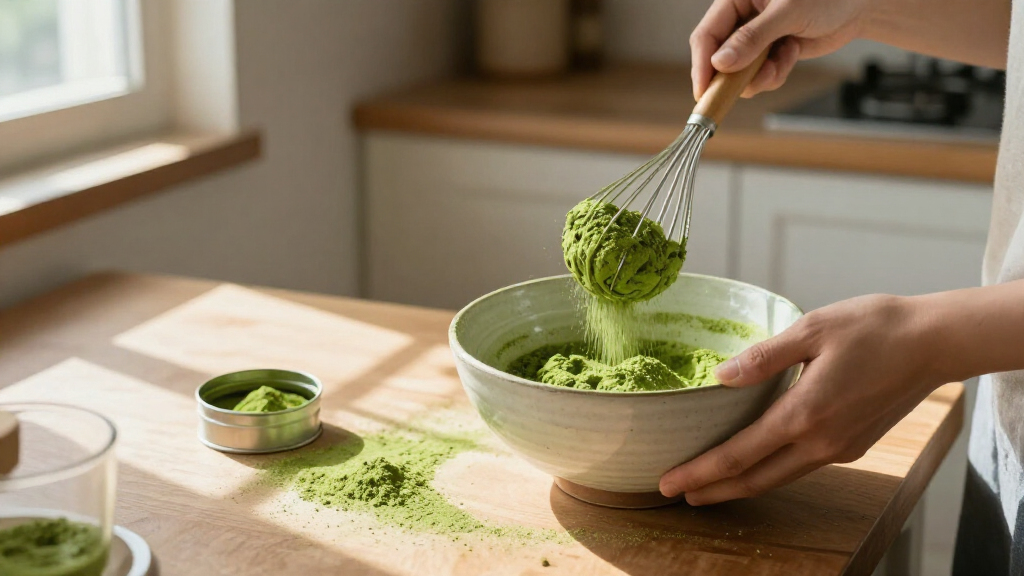
I evaluated these fourteen matcha powders by examining several key attributes that directly impact the drinking experience. The primary criteria included particle fineness, which determines how well the powder dissolves without clumping, and color vibrancy, a visual indicator of freshness and proper shading during cultivation. I also weighed sourcing transparency, giving preference to brands that specify the farm, harvest date, and processing method rather than vague “natural” claims.
Ranking logic prioritized balance between flavor complexity and usability. A powder might taste exquisite but be too delicate for everyday use, landing it lower than a robust option that performs well in both whisked water and milk. I also considered value density, analyzing cost per serving relative to the quality tier, ensuring that budget picks are not merely cheap but genuinely usable for their intended purpose.
| matcha powder | Grade | Harvest |
|---|---|---|
| Encha Organic Ceremonial Grade | Ceremonial | First harvest |
| Jade Leaf Organic Culinary Gra | Culinary | — |
| Harney & Sons Supreme Uji Matc | — | Second harvest |
| 365 by Whole Foods Market Orga | — | — |
| Crafti Organic Ceremonial Matc | — | — |
| Matcharl TAROU Japanese Ceremo | Ceremonial | First harvest |
| Kiyo Matcha Classic Grade Hats | Classic Grade | First harvest |
| Chaism Organic Ceremonial Grad | Ceremonial | First harvest; hand-picked leaves |
| FKRO Organic Okumidori Ceremon | Ceremonial | Spring, first harvest |
| Jade Leaf Ceremonial Grade Mat | — | First harvest |
| Ceremonial Goko Matcha Green T | — | First harvest |
| Matcha DNA Organic Matcha Gree | — | — |
| Naoki Matcha Superior Blend | Premium Ceremonial | First harvest |
| Micro Ingredients Organic Japa | Culinary | First harvest |
Factors to Consider When Choosing Best Matcha Powder
Choosing the right matcha goes beyond simply picking a tin off the shelf. Understanding the distinctions between grades, origins, and processing methods prevents buyer’s remorse and ensures you enjoy every cup.
Understanding Ceremonial vs. Culinary Grades
The distinction between ceremonial and culinary grades is often misunderstood, leading to wasted money. Ceremonial grade is made from the youngest tea leaves, stone-ground into a super-fine powder, and intended to be whisked with hot water only. It boasts a delicate, sweet, and umami-rich flavor with minimal bitterness. Culinary grade uses older leaves, is coarser, and has a stronger, more astringent taste that holds up against sugar, milk, and heat. Using ceremonial matcha in baking is a common mistake; the high temperatures destroy its subtle nuances, effectively wasting the premium product. Conversely, using culinary matcha for sipping often results in a bitter, gritty experience. Match the grade to your primary use case to get the best value and enjoyment from your purchase.
The Importance of Origin and Harvest Timing
Not all matcha is created equal, and origin significantly influences flavor. Uji, Japan, is renowned for producing matcha with higher levels of L-theanine, which contributes to a natural sweetness and calm alertness. Other regions may produce matcha that is more robust but less refined. Harvest timing matters just as much; first-harvest matcha, picked in spring, contains the highest concentration of nutrients and the lowest bitterness. Later harvests are more affordable but often taste grassier and more astringent. Look for labels specifying “first harvest” or “spring harvest” if you are sensitive to bitterness. This detail is a reliable indicator of quality that often correlates with a smoother drinking experience.
Analyzing Color and Texture Indicators
When you open a tin of matcha, the color should be a vibrant, electric green. Dull, yellowish, or brownish hues indicate oxidation, meaning the powder is old or was improperly stored. Chlorophyll degrades when exposed to light and heat, so a bright color signals freshness. Texture is equally revealing; high-quality matcha should feel like talc or baby powder, not sand or coarse dust. If the powder feels gritty, it will not dissolve properly, leaving sediment at the bottom of your cup. Sieve your matcha before whisking if you notice any clumps, but ideally, the powder should be fine enough to pass through a sieve effortlessly. This tactile and visual check is your first line of defense against poor quality.
Packaging and Shelf Life Considerations
Matcha is highly susceptible to oxidation, so packaging is a critical component of quality. Resealable plastic bags often fail to provide an airtight seal, allowing air to degrade the powder over time. Tins, especially those with inner liners or vacuum-sealed pouches, offer superior protection. Store matcha in a cool, dark place, preferably in the refrigerator after opening, to extend its shelf life. Even the best ceremonial matcha will lose its vibrancy and flavor if left on a sunny countertop. Buy smaller quantities if you drink matcha infrequently, as freshness is paramount. A large bag of matcha that sits for six months will taste significantly worse than a small tin consumed within weeks.
Certifications and Purity Standards
Organic certification is more than a marketing buzzword in the matcha world. Tea plants are often heavily sprayed with pesticides, and because you consume the entire leaf, organic certification ensures fewer contaminants. However, not all organic certifications are equal. Look for USDA Organic or JAS (Japanese Agricultural Standard) certifications for rigorous testing. Some brands may claim “natural” without meeting strict pesticide residue limits. Verify the certification logo on the packaging rather than relying on the product name alone. For those sensitive to chemicals or aiming for the purest possible cup, organic certification is a non-negotiable baseline for quality.
Frequently Asked Questions
Can I use culinary grade matcha for lattes?
Yes, culinary grade matcha is actually well-suited for lattes because its stronger, more astringent flavor stands up well against milk and sweeteners. Ceremonial grade can be used in lattes, but its delicate notes are often masked by the milk, which may feel like a waste of money. If you prefer a robust matcha flavor that cuts through foam and syrup, culinary grade is the practical choice. Just ensure you whisk it thoroughly with a small amount of hot water first to prevent clumping in the cold milk.
How long does matcha powder last after opening?
Matcha powder is best consumed within one to two months of opening for optimal flavor and nutritional benefits. While it does not “spoil” in the traditional sense, it loses its vibrant green color and complex flavor profile as it oxidizes. Store it in an airtight container in the refrigerator to slow this process. If the powder turns dull yellow or brown, it has lost most of its antioxidant potency and should be replaced, even if it is technically safe to consume.
Why is my matcha so bitter?
Bitterness in matcha usually stems from using water that is too hot or using lower-grade powder. Never use boiling water; aim for 160°F to 175°F (70°C to 80°C) to preserve the delicate amino acids that provide sweetness. If the water is too hot, it extracts excessive tannins, resulting in a bitter taste. Ceremonial grade matcha should rarely taste bitter if prepared correctly. If high-quality matcha still tastes bitter, check your water temperature and whisking technique before blaming the product.
What is the difference between usucha and koicha?
Usucha (thin tea) is the most common way to prepare matcha, using a higher ratio of water to powder for a frothy, lighter drink. Koicha (thick tea) uses a higher concentration of powder with less water, resulting in a viscous, intense paste-like consistency typically reserved for high-grade ceremonial matcha. Koicha highlights the sweetness and umami of premium leaves, while usucha is more refreshing and versatile. Beginners should start with usucha, as it is more forgiving and easier to balance.
Do I need a bamboo whisk (chasen)?
A bamboo whisk is the traditional tool for creating the signature foam of usucha matcha, but it is not strictly necessary for all preparations. Electric frothers can produce acceptable foam, though they may not achieve the same fine texture. For ceremonial grade matcha, a bamboo whisk is recommended to properly suspend the fine particles and release the aroma. However, for culinary use or lattes, a small battery-operated frother or a jar with a tight lid can work sufficiently well for dissolving the powder.
Conclusion
Selecting the best matcha powder ultimately depends on your brewing habits and flavor preferences. For those seeking the best overall balance of flavor and versatility, Encha Organic Ceremonial Grade Matcha Powder remains the standout choice, offering a refined taste that justifies its position at the top. If you are budget-conscious but still want a reliable product for daily lattes, 365 by Whole Foods Market Organic Powdered Matcha Green Tea provides excellent value without compromising safety or basic quality. Beginners should gravitate toward Crafti Organic Ceremonial Matcha Powder, as its forgiving flavor profile helps ease the learning curve of traditional preparation. For the purist seeking premium quality, Naoki Matcha Superior Blend or Harney & Sons Supreme Uji Matcha offer the complex, umami-rich experiences that define high-end ceremonial tea. Finally, for those who primarily bake or cook, Jade Leaf Organic Culinary Grade Matcha Powder delivers the robust flavor and vibrant color needed to shine in recipes without the premium price tag. Choose based on your primary use case, and you will find the right matcha to elevate your routine.