You might not realize how emotional your coffee routine really is. It’s more than just waking up; it’s about memories, comfort, and connection. Your daily coffee acts as a ritual that anchors you in the moment and offers emotional stability, especially during tough times. It’s tied to social bonds and cultural traditions that shape your identity. If you keep exploring, you’ll discover how these feelings run deeper than you think.
Key Takeaways
- Coffee rituals evoke personal memories and emotions, making it a vessel for comfort and nostalgia.
- The sensory experience of coffee influences present awareness and emotional responses beyond taste.
- Coffee spaces and aesthetics foster feelings of safety, relaxation, and emotional connection.
- Sharing coffee fosters social bonds, cultural identity, and community trust, deepening emotional significance.
- The act of brewing and drinking coffee provides stability, comfort, and emotional resilience during stressful times.
As an affiliate, we earn on qualifying purchases.
Why Coffee Is More Than Just a Morning Wake-Up

For many people, coffee isn’t just a beverage to start the day; it’s a ritual that grounds them amidst chaos. The aroma of freshly brewed coffee acts as aromatic therapy, calming your mind before the day unfolds. Coffee and nostalgia often intertwine, reminding you of simpler moments—early mornings with loved ones or quiet weekends. That familiar scent triggers memories, making each cup feel personal and comforting. It’s more than just caffeine; it’s a daily pause, a moment of reflection. You may find yourself seeking that cozy feeling, even if you’re not fully aware of it. Coffee becomes a bridge to your past, a way to reconnect with emotions that go beyond taste, fueling your day with emotional warmth.
The Rituals and Memories That Make Coffee Special
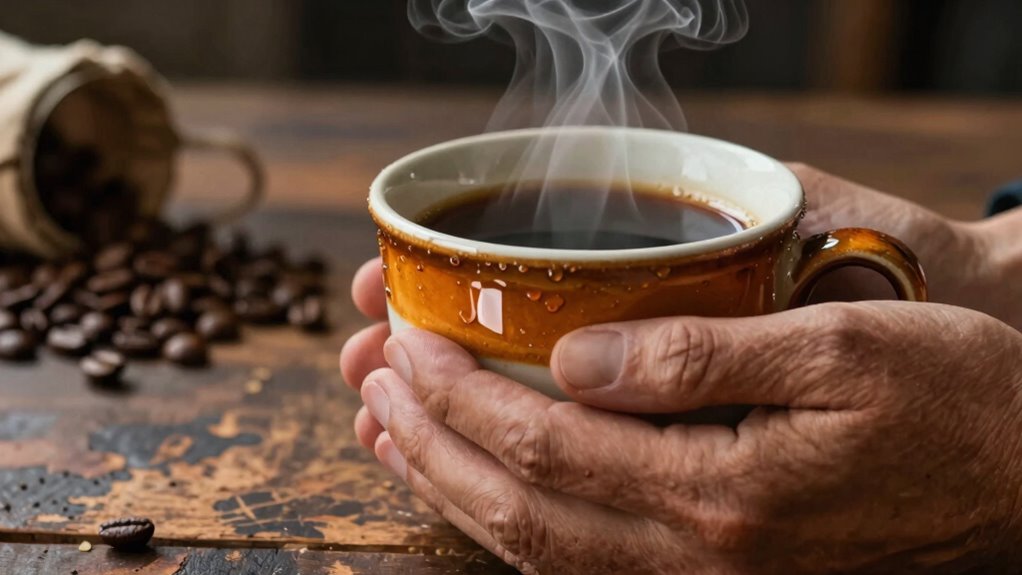
The rituals you develop around coffee transform a simple drink into a meaningful moment. You might take time to perfect your brewing techniques, slowly pouring hot water or carefully measuring grounds to create the perfect cup. As you master these methods, each step becomes a mindful practice, heightening anticipation. Coffee art adds a visual touch, turning your mug into a canvas that reflects your mood or creativity. These small rituals—whether it’s the aroma filling your space or the first sip’s warmth—embed memories into daily routines. Over time, they become more than routines; they develop into comforting traditions. These shared or solitary moments make coffee special, forging emotional connections that linger long after the last drop. Additionally, paying attention to the color accuracy of your brewing process can subtly influence your perception and emotional response to your coffee. Incorporating backyard transformation essentials like creating cozy seating areas or adding decorative lighting can further enhance the ambiance, making each coffee experience even more memorable. Recognizing the emotional significance of these rituals can deepen your appreciation and connection to your daily coffee moments. Furthermore, understanding the role of visual aesthetics can enhance the overall sensory experience, intensifying the emotional impact of your coffee routine. Paying attention to ambient lighting and design elements can also contribute to creating a space that elevates your coffee rituals into cherished experiences.
How Coffee Brings People Together and Builds Connections

Sharing a coffee break creates routines that bring people closer, making interactions feel familiar and comfortable. These moments often spark genuine connections, whether over a quick chat or a shared silence. Coffee acts as a catalyst for conversation, helping relationships grow naturally. Additionally, the emerging trends in digital publishing highlight how such social rituals are being embraced and shared through online platforms, amplifying their emotional significance. Incorporating interactive murals and digital frames into these moments can further deepen the shared experience and emotional bonds. Engaging in these rituals can also lead to increased social bonding, reinforcing the sense of community and trust among participants. Understanding the subtle differences in coffee types and brewing methods can also enhance the appreciation and enjoyment of these shared moments. Such rituals reflect the broader social rituals that foster emotional connections in everyday life.
Shared Rituals and Routine
Coffee often serves as a daily ritual that brings people together, creating a sense of familiarity and connection. Sharing a cup becomes more than just drinking; it’s about tradition, comfort, and shared routines. Coffee and nostalgia intertwine, reminding you of past moments—morning chats, quiet mornings alone, or catching up with friends. These routines foster a sense of brewing mindfulness, where the act of preparing coffee becomes an intentional pause in your day. Whether it’s a weekend brunch or a quick morning brew, these rituals strengthen bonds and create steady, comforting patterns. They give you a simple, reliable way to connect with others and yourself, turning a common beverage into a meaningful part of your daily life. Additionally, the affiliate relationships involved often support the availability of quality coffee products and accessories, enhancing your experience. Establishing these routines can also contribute to a greater appreciation for the diverse genres including action, romance, and fantasy in coffee culture, enriching the emotional connection tied to each cup. Recognizing the emotional significance of coffee can deepen your understanding of how these shared moments impact your well-being and relationships.
Moments of Connection
When people gather over a cup, those shared moments foster genuine connections that go beyond the beverage itself. Coffee acts as a catalyst for creativity, inspiring conversations and ideas that deepen relationships. The sensory experiences—aromas, textures, and flavors—engage your senses and create a memorable atmosphere. As you sip, you’re not just tasting coffee; you’re immersing yourself in a moment that invites openness and vulnerability. These shared rituals turn casual encounters into meaningful bonds, whether with friends, colleagues, or strangers. Coffee becomes a common ground where emotions are expressed and connections are strengthened. It’s in these simple, sensory-rich moments that coffee’s emotional power truly shines, fostering a sense of belonging and understanding among those who partake. Recognizing the emotional significance of coffee helps explain why it often feels more personal than just a beverage. Additionally, the act of sharing coffee can facilitate emotional growth, allowing individuals to process feelings and build resilience through these social interactions. The shared experience of enjoying coffee can also promote mindfulness, encouraging people to be present and engaged in the moment. Moreover, the social environment created during these gatherings amplifies the emotional impact of coffee, making it a powerful tool for building community.
Conversation Catalyst
Because it creates a relaxed, inviting atmosphere, coffee naturally becomes a powerful catalyst for conversation. It sparks connections by lowering inhibitions and encouraging openness. Coffee and creativity often go hand-in-hand, inspiring spontaneous ideas and meaningful dialogue. As you share a cup, feelings of nostalgia surface, bringing shared memories and deepening bonds. Coffee shops become social hubs where conversations flow effortlessly, fostering understanding and trust. Whether discussing life or dreams, the warmth of coffee encourages vulnerability and genuine connection. It’s not just a beverage; it’s an icebreaker that transforms strangers into friends. This simple ritual bridges gaps, making conversations richer and more memorable. Coffee history reveals how coffee houses have historically served as community gathering spots that promote social cohesion and dialogue. Incorporating Smart design in coffee spaces can enhance these emotional experiences, making the environment even more conducive to connection. Additionally, understanding the importance of comfort and safety elements in these settings can further strengthen the emotional pull of coffee, making it an essential ingredient in building lasting relationships.
The Role of Coffee in Providing Comfort During Tough Times

During difficult moments, many people turn to the comforting ritual of brewing a cup of coffee, finding solace in its warmth and familiar aroma. This simple act helps strengthen emotional resilience, giving you a moment of stability amid chaos. Coffee becomes more than just a beverage; it’s a source of comfort rituals that ground you. Sipping your favorite brew can provide clarity, helping you process feelings and find calm. The familiar routine offers a sense of control, reminding you that even in tough times, small comforts remain. Coffee’s warmth and aroma serve as emotional anchors, making it easier to face challenges. In these moments, coffee isn’t just about taste—it’s about nurturing your spirit and creating a safe space for reflection. Incorporating mindful practices like camping tips or quiet retreats can enhance this sense of tranquility and resilience. Recognizing the importance of environmental impact and the role of sound in emotional regulation can also foster a calming environment that supports mental well-being.
How Coffee Cultures Shape Our Traditions and Identity
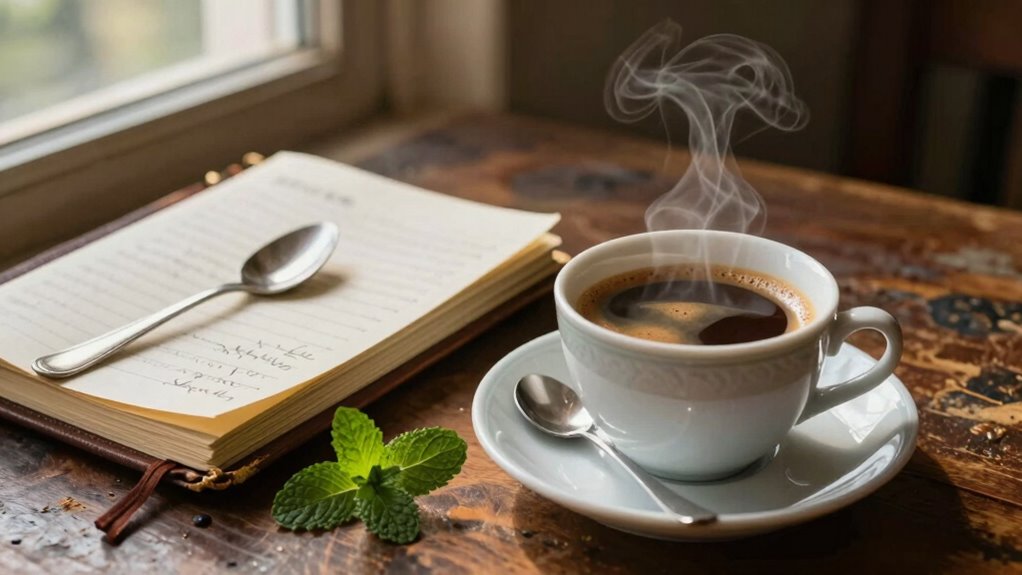
Coffee has a unique way of shaping our traditions and forging our identity by serving as a communal anchor. It reflects cultural values and influences social interactions, often symbolizing more than just a beverage. In many cultures, coffee and spirituality intertwine, creating sacred rituals that connect individuals with their heritage. Coffee also signals social status, where the quality and preparation method can define your place in society. Additionally, the rise of vetted coffee machines has made it easier to craft high-quality brews at home, further embedding coffee into daily routines and cultural expressions. You might observe these elements shaping your community:
- Rituals that mark important life events
- Social hierarchies centered around coffee customs
- Sacred traditions blending coffee and spirituality
- Conversations that foster community bonds
- Expressions of identity through coffee choices
- The use of wall decor and other creative spaces to celebrate coffee culture and enhance social environments
Understanding the cultural significance of coffee helps deepen our appreciation of its role beyond just a daily beverage. Recognizing how coffee rituals are embedded in various cultural practices can also reveal the emotional and social importance of coffee in different societies. A deeper understanding of coffee’s emotional impact can reveal how it influences personal connections and collective memories.
The Psychological Effects of Coffee on Mood and Happiness

The rituals and social bonds built around coffee not only shape our traditions but also influence how we feel on a deeper level. Drinking coffee can boost your mood by increasing dopamine and serotonin levels, fostering feelings of happiness and contentment. Regular coffee consumption may also enhance your emotional resilience, helping you better cope with stress and setbacks. This daily routine can contribute to your overall psychological well-being, creating a sense of stability and comfort. The comforting aroma and familiar taste often evoke positive memories, reinforcing feelings of warmth and security. By supporting these emotional and psychological effects, coffee becomes more than just a beverage—it becomes a tool for maintaining emotional balance and happiness.
Understanding the Emotional Power of Your Favorite Coffee
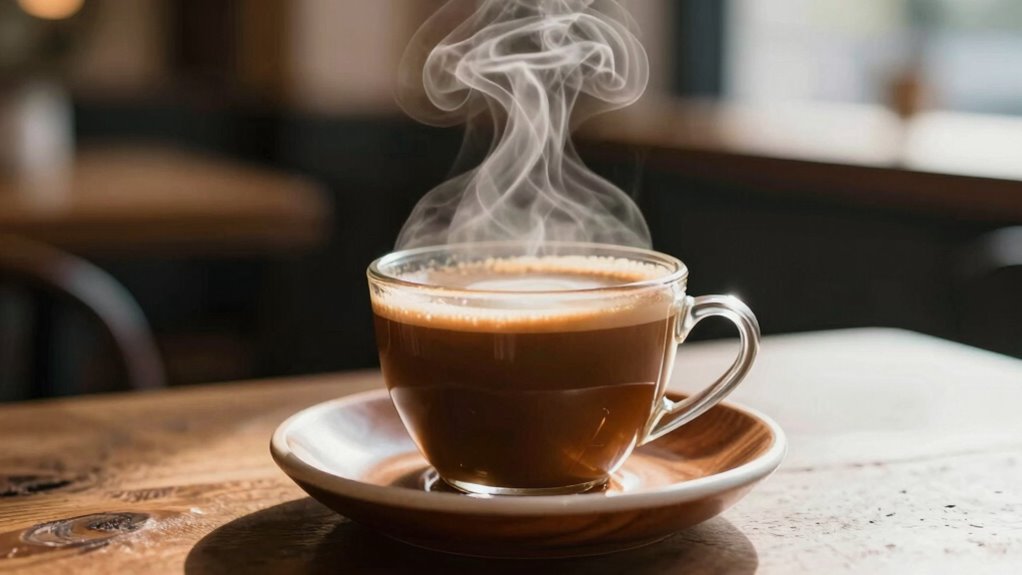
Your favorite coffee often becomes more than just a drink; it’s part of your daily rituals that bring comfort and stability. Memories and associations tied to specific brews can evoke powerful emotions, making each cup feel personal. Plus, the mood-enhancing effects of coffee can lift your spirits and set the tone for your day.
Rituals and Comfort
Have you ever wondered why certain morning routines feel so comforting? It’s often the ritual of brewing or sipping coffee that provides this sense of stability. Coffee symbolism plays a big role, representing comfort, productivity, or a fresh start. Your sensory experience—aromas, warmth, and flavors—anchors you in the present moment. This routine creates a predictable, soothing rhythm that helps manage stress.
- The aroma signals the start of your day
- The warmth offers physical comfort
- The taste triggers familiar feelings
- The act of brewing provides control
- The quiet moments foster mindfulness
These small rituals turn coffee into more than just a drink; they transform into a source of emotional comfort, grounding you amid daily chaos.
Memories and Associations
Memories and associations deeply influence how you feel about your favorite coffee, often shaping its emotional significance beyond taste alone. The flavor pairing you choose—like cinnamon, vanilla, or chocolate—can evoke specific memories, transporting you back to cherished moments. Brewing techniques also play a role; a carefully prepared French press or pour-over becomes more than just a method—it becomes part of your personal story. These sensory cues link your coffee experience to specific places, people, or times in your life. Over time, your brain associates certain flavors and brewing styles with comfort or joy, making your favorite coffee a vessel for emotional connection. It’s these memories and associations that turn a simple beverage into a meaningful, emotionally charged ritual.
Mood Enhancement Effects
Coffee has a powerful ability to lift your mood, thanks to its unique combination of compounds that stimulate your brain. When you enjoy your favorite brew, it triggers the release of feel-good chemicals like dopamine and serotonin, boosting your emotional state. Your choice of flavor profiles and brewing techniques can enhance this effect, making each cup a personalized mood booster.
- Rich, aromatic flavors can evoke comfort and happiness
- Light, fruity notes may energize and uplift your spirits
- Dark roasts often provide a deeper sense of warmth and relaxation
- Precise brewing techniques reveal nuanced flavors that elevate mood
- The ritual of preparing coffee can create a calming, joyful experience
Frequently Asked Questions
Can Coffee’s Aroma Trigger Specific Emotional Memories?
Yes, coffee’s aroma can trigger specific emotional memories. Sensory triggers like smell are powerful because they connect directly to your brain’s memory centers. When you smell coffee, it often sparks memory association, bringing back feelings of comfort, social moments, or routines. These emotional responses are personal, making coffee’s scent uniquely capable of evoking deep, familiar memories almost instantly.
How Does Coffee Influence Feelings of Nostalgia?
Coffee fuels your feelings of nostalgia like a time machine. Its rich aroma and taste evoke powerful memories, often linked to cultural associations and shared rituals. Sipping your morning brew might remind you of cozy family mornings or special traditions, making those moments feel alive again. The ritual significance of coffee transforms a simple drink into a comforting bridge to your past, stirring emotions you might not even realize you hold.
Are Emotional Attachments to Coffee Linked to Personal Identity?
Yes, your emotional attachment to coffee is often linked to your personal identity. When you associate coffee with routines, memories, or how you start your day, it becomes a symbol of who you are. This connection strengthens your emotional bond, making coffee more than just a beverage. It reflects your personality, habits, and lifestyle, shaping how you see yourself and how others perceive you.
Can Coffee Consumption Affect Long-Term Emotional Well-Being?
Imagine coffee as a double-edged sword, shaping your emotional landscape over time. Regular coffee addiction can boost your emotional resilience temporarily, but relying on it might dull your natural strength. Long-term, it could lead to emotional rollercoasters, making you more vulnerable when caffeine isn’t around. To safeguard your well-being, balance your coffee intake, nurturing genuine resilience instead of depending on a stimulant that masks deeper emotional needs.
Why Do Some People Feel More Connected to Certain Coffee Types?
You feel more connected to certain coffee types because of your unique coffee rituals and flavor preferences. These rituals create a sense of comfort and familiarity, making each cup feel personal and meaningful. Your taste preferences influence your emotional response, as certain flavors evoke memories or feelings. Over time, these connections deepen, turning simple coffee choices into cherished routines that boost your overall emotional well-being.
Conclusion
You might think coffee is just a daily habit, but it’s so much more—it’s a source of comfort, connection, and even happiness. Sure, some say it’s just caffeine, but the emotional bonds we form with our favorite brew are real. So next time you savor that first sip, remember, it’s okay to feel a little more than just alertness. After all, coffee’s power to comfort and connect is something everyone can appreciate.