Long-lasting coffee furniture is a true sustainability win because it reduces waste, lowers replacement costs, and supports eco-friendly choices. When you choose durable, eco-friendly materials like reclaimed wood or recycled metal, you minimize environmental impact and create furniture that withstands daily use. Proper maintenance can extend its lifespan even further. By focusing on quality and longevity, you can make smarter, more responsible decisions for your space—and there’s more to discover about making your furniture sustainable.
Key Takeaways
- Durable furniture made from eco-friendly materials reduces replacement frequency, minimizing waste and environmental impact.
- Sustainable sourcing of materials like reclaimed wood and recycled metals enhances both longevity and ecological benefits.
- Ergonomic design supports user comfort and proper use, extending furniture lifespan and reducing damage.
- Proper maintenance and protective finishes preserve furniture quality, ensuring long-term sustainability.
- Investing in long-lasting, eco-friendly coffee furniture aligns with responsible business practices and environmental stewardship.
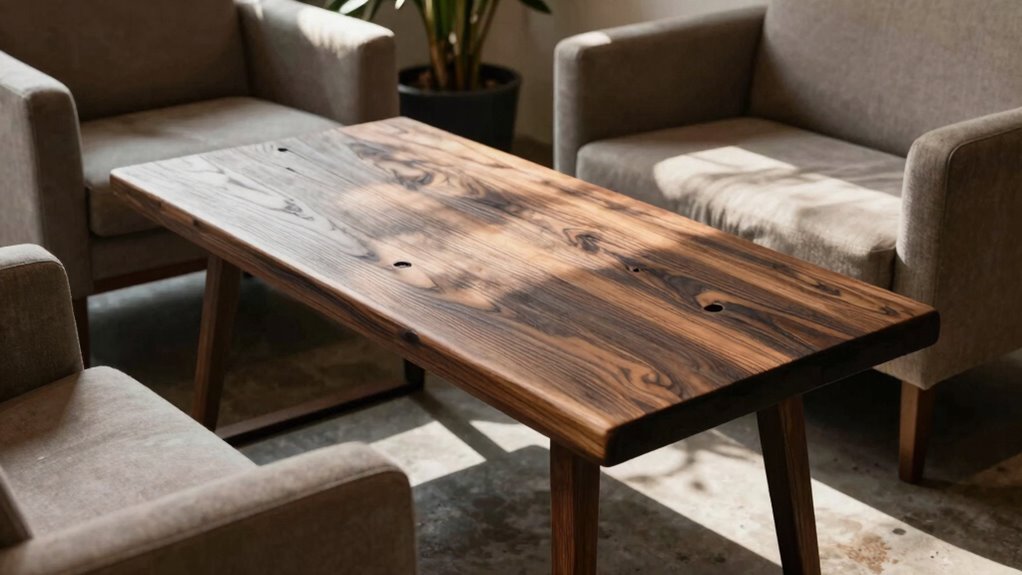
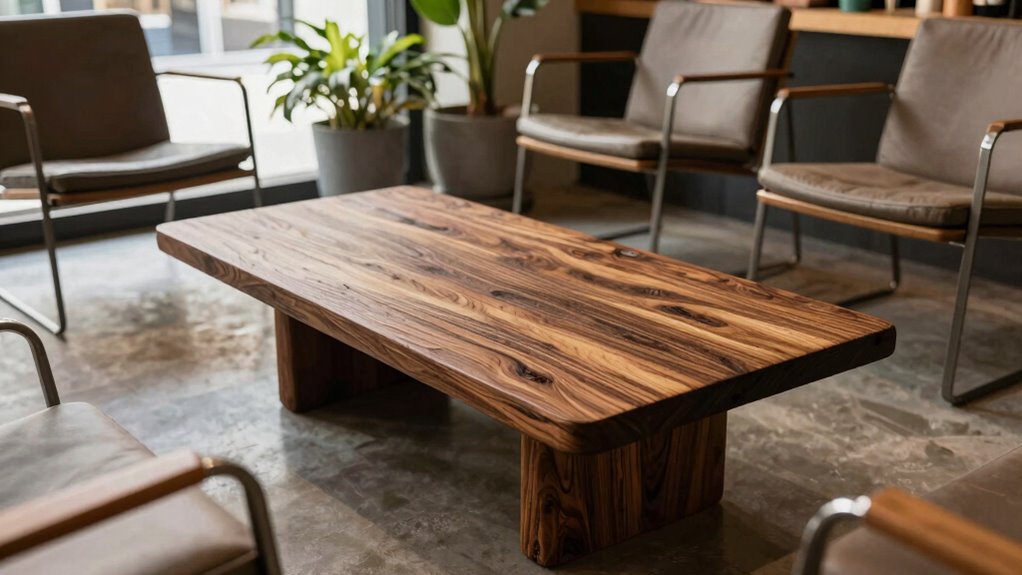
If you want your coffee furniture to stand the test of time, investing in durable materials and smart design choices is essential. Long-lasting furniture isn’t just about resisting wear and tear; it’s also a step toward sustainability. Choosing eco friendly materials ensures that your furniture minimizes environmental impact, from sourcing to disposal. Materials like reclaimed wood, bamboo, or recycled metal are excellent options because they reduce the demand for virgin resources and help lower carbon footprints. These choices make a tangible difference in creating a more sustainable coffee space, especially when combined with well-crafted design. Incorporating emerging trends in material sourcing can further enhance the environmental benefits and modern appeal of your furniture.
Invest in durable, eco-friendly coffee furniture for lasting style and sustainability.
An ergonomic design plays a big role in the longevity and practicality of your furniture. When furniture is designed with comfort and usability in mind, it encourages longer use and reduces the likelihood of quick replacements. Ergonomic features such as properly contoured seats, adjustable tables, and supportive backrests not only enhance customer experience but also extend the lifespan of the furniture itself. Well-designed furniture is less prone to damage because it’s built to accommodate proper use, which means fewer repairs or replacements over time. Additionally, designing with landscaping in mind can help your furniture blend seamlessly into outdoor spaces, protecting it from environmental elements and extending its life.
Durability and sustainability go hand-in-hand. High-quality materials, when paired with ergonomic design, create furniture that withstands daily use without losing its aesthetic appeal or structural integrity. For example, choosing solid wood over cheaper particleboard might cost more upfront but results in a piece that can last decades with minimal maintenance. This reduces waste and the need for frequent replacements, which are common issues with cheaper, less durable options. Additionally, furniture constructed with eco friendly materials often features finishes and coatings that are non-toxic and more environmentally responsible, further supporting sustainable practices.
Investing in long-lasting furniture also means considering how you care for it. Proper maintenance, such as regular cleaning and using protective finishes, extends its life and keeps it looking fresh. These practices, combined with durable, eco friendly materials and ergonomic design, help your furniture resist the effects of daily use and environmental stressors like humidity or temperature fluctuations. The result is a stable investment that pays off over years, not just months.
In the end, creating sustainable coffee furniture isn’t just about choosing eco friendly materials; it’s about designing for longevity and user comfort. When you prioritize durability, ergonomic features, and environmentally responsible sourcing, you’re making a conscious choice that benefits both your business and the planet. Long-lasting furniture built with sustainability in mind supports your goals of reducing waste and creating a welcoming, comfortable space for your customers.
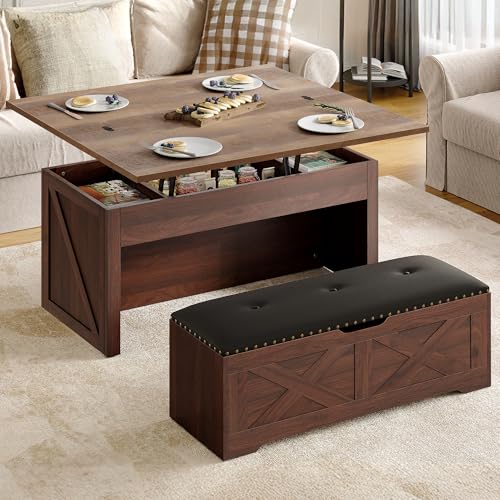
YITAHOME Lift Top Coffee Table Set with Storage Ottoman Bench & Wheels
- Dual Lift-Top Design: Two tabletops with metal mechanisms
- Rebound Function: Small lift-top with rebound feature
- Ample Storage Space: Four shelves and hidden compartments
As an affiliate, we earn on qualifying purchases.
As an affiliate, we earn on qualifying purchases.
Frequently Asked Questions
How Does Coffee Furniture Impact Overall Environmental Carbon Footprint?
Coffee furniture impacts your environmental carbon footprint by reducing waste and emissions. When made from recycled coffee waste, it minimizes landfill contributions and lowers manufacturing emissions. These durable pieces last longer, decreasing the need for frequent replacements. By choosing coffee furniture, you support sustainability efforts, cut down on waste, and help lessen overall carbon emissions associated with furniture production and disposal.
Are There Eco-Friendly Finishes Available for Coffee Furniture?
Think of eco-friendly finishes as the armor protecting your coffee furniture’s soul. Yes, there are eco-friendly coatings and non-toxic varnishes available that keep your furniture beautiful without harming the planet. These finishes are designed to be safe, durable, and sustainable, ensuring your piece lasts longer while reducing environmental impact. By choosing such options, you turn your coffee table into a green champion that’s both stylish and planet-friendly.
What Are the Maintenance Requirements for Sustainable Coffee Furniture?
You need to follow simple cleaning protocols to maintain your sustainable coffee furniture, using gentle, eco-friendly cleaners that won’t harm the materials. Material selection plays a key role; choose durable, natural, or recycled materials that resist wear and require less frequent replacement. Regular dusting and avoiding harsh chemicals help extend the furniture’s lifespan, ensuring your investment remains eco-friendly and functional for years to come.
How Does Durability Influence the Lifecycle of Coffee Furniture?
Durability directly impacts the lifecycle of coffee furniture by extending its usable period. When you choose furniture with high material longevity and design resilience, it withstands daily wear and tear, reducing the need for replacements. This not only saves resources but also minimizes waste. Ultimately, durable furniture supports sustainability goals by lasting longer, enabling you to enjoy quality pieces that remain functional and attractive over time.
Can Coffee Furniture Be Recycled or Repurposed Effectively?
Imagine transforming a worn coffee table into a new piece—coffee reuse and furniture recycling make this possible. You can effectively recycle or repurpose coffee furniture by refurbishing, repainting, or repurposing materials, giving them a fresh life. This process reduces waste, conserves resources, and supports sustainability. By actively participating in coffee reuse and furniture recycling, you turn unused items into functional, eco-friendly pieces, extending their usefulness and minimizing environmental impact.
Conclusion
Investing in long-lasting coffee furniture isn’t just smart—it’s a game-changer for sustainability. When your furniture endures through endless coffee dates and daily use, you’re drastically reducing waste and environmental impact. Think about it: one durable piece can outlast dozens of cheap, disposable alternatives, turning your coffee shop into a beacon of eco-consciousness. So, choose quality over quantity, and watch your sustainability efforts skyrocket—because in this game, lasting furniture is the true hero.