
TL;DR

Get coffee and tea gear delivered free with Prime
- Fast, free delivery on millions of items
- Prime Video, Amazon Music and more included
- Member-only deals all year
Nestlé’s updated packaging strategy sets a target to reduce virgin plastic use by 12% to 17% by 2030, compared with 2018. The company expects recycled plastic to account for the largest share of the reduction; refill and reuse remain at an early stage, and the target reflects a planned sale of part of its water business.
Nestlé says it plans to reduce virgin plastic use by 12% to 17% by 2030, compared with a 2018 baseline, under an updated packaging sustainability strategy published this month. The food and beverage company expects most of the reduction to come from using more recycled plastic and reducing the amount of plastic in its packaging.
The strategy divides the planned improvement among three approaches. Nestlé expects 50% to 60% of the reduction to come from incorporating more recycled plastic, 30% to 40% from reducing or eliminating plastic, and 10% to 15% from alternative materials or reuse and refill. These are the company’s projected contributions, not reported outcomes.
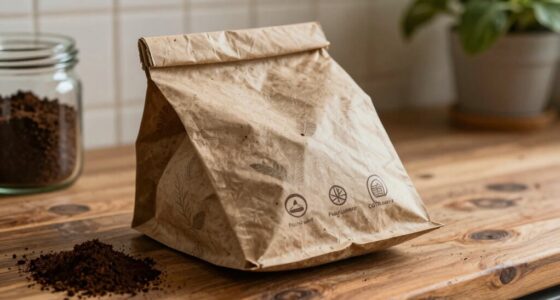
Nestlé reported that plastic packaging contained about 21% recycled content in 2025. It says it is researching the food safety of recycled plastics with the aim of expanding the use of recycled PET. The strategy also cites paper packaging as one way to replace plastic, including paper soft packs for Nescafé products in Europe that the company says have been commercialized.
The company’s total plastic packaging use was 0.86 million metric tons in 2025, down from 1.7 million metric tons in 2018, according to the source report. Plastic represented about a quarter of its packaging portfolio by weight in 2025. Nestlé’s target accounts for the planned sale of a stake in its water business for approximately $3.4 billion.
Recycled Content Leads the Plan
The target shifts attention from whether packaging can be recycled to how much virgin plastic Nestlé uses. Virgin plastic is newly produced plastic, while recycled content comes from recovered material. Nestlé’s proposed approach therefore depends on both changes to packaging design and access to recycled plastic that meets its requirements.
The scale matters because plastic still made up about one-quarter of Nestlé’s packaging by weight in 2025. The company reported a substantial decline in total plastic packaging since 2018, but its new target focuses specifically on virgin plastic and sets a range rather than one fixed reduction figure. Readers should distinguish that target from the separate totals for all plastic packaging.
The projected contribution from reuse and refill is comparatively small: Nestlé expects those options and alternative materials to account for 10% to 15% of the planned improvement. The strategy says reuse and refill models remain largely in the pilot stage. Their eventual contribution will depend on whether those trials can be expanded into regular consumer and retail options.
From Recyclable Packaging to Less Virgin Plastic
Before 2025, Nestlé emphasized goals such as making all its packaging recyclable, compostable or reusable. The company ultimately achieved that status for about 90% of its packaging portfolio, according to Food Dive. Its updated strategy now places a specific reduction in virgin plastic use at the center of its 2030 plans.
The strategy describes three routes to that goal: more recycled content, less plastic overall, and alternative materials or reuse and refill systems. Nestlé has joined six founding members of the Ellen MacArthur Foundation’s PaperFlex Consortium, which aims to speed research and development of paper-based flexible packaging as an alternative to plastic. The company points to its Nescafé paper soft packs in Europe as an example already in commercial use.
These figures refer to different measures. The 0.86 million metric tons figure covers total plastic packaging used in 2025, while the 12% to 17% target concerns virgin plastic use relative to 2018. The planned water-business stake sale is also factored into the target, so the business scope used for comparisons matters.
“Reuse and refill models are largely in the pilot stage.”
— Food Dive, summarizing Nestlé’s strategy
Key Details Still Unreported
The source material does not give a single expected tonnage reduction corresponding to the 12% to 17% target, nor does it set out annual milestones between the 2018 baseline and 2030. It also does not specify how progress will be reported, or how Nestlé will calculate the target after the planned water-business stake sale.
Further details on the food-safety research into recycled plastics are not included. The source does not state when Nestlé expects to expand recycled PET use, which markets or products would be affected, or how much additional recycled material it would need. It also does not provide timelines or expected results for the PaperFlex Consortium’s research.
The strategy identifies reuse and refill as an opportunity but gives no deployment schedule or quantified pilot results in the supplied report. It remains unclear how many trials are operating, what would prompt wider rollout, and how consumers would access refill systems.
Progress Toward the 2030 Target
The next evidence of progress will be Nestlé’s reported packaging figures in the years ahead, including recycled-content levels and total plastic use. To judge progress against the stated goal, future reporting will need to show virgin plastic use against the 2018 baseline and explain the effect of the planned water-business transaction.
Further developments may come from Nestlé’s recycled PET food-safety research, its work with the PaperFlex Consortium, and trials of refill and reuse systems. The strategy sets a direction and a 2030 target, but the supplied report does not name a next milestone or give dates for broader deployment.
Key Questions
What is Nestlé’s virgin plastic target?
Nestlé says it plans to reduce virgin plastic use by 12% to 17% by 2030, compared with 2018.
How does Nestlé expect to make the reduction?
The company projects that recycled plastic will account for 50% to 60% of the improvement, reducing or eliminating plastic for 30% to 40%, and alternative materials or reuse and refill for 10% to 15%.
How much plastic packaging did Nestlé use in 2025?
Nestlé’s total plastic packaging use was reported at 0.86 million metric tons in 2025, down from 1.7 million metric tons in 2018. This total is distinct from the virgin-plastic reduction target.
Are Nestlé’s refill and reuse plans already widespread?
No. The strategy describes reuse and refill models as largely at the pilot stage. The supplied report does not give a timetable for broader rollout.
Source: rss
Halloween Picks
halloween
As an affiliate, we earn on qualifying purchases.