This year, start by choosing eco-friendly coffee beans with Fair Trade and organic certifications, supporting sustainable farming practices. Reduce waste by measuring grounds carefully and reusing them for gardening. Brew more sustainably with French press or pour-over methods, avoiding single-use pods. Reuse packaging creatively and opt for biodegradable bags to lessen your impact. Finally, lower your carbon footprint by supporting brands with transparent, eco-conscious practices. Keep exploring ways to make your coffee habits even greener for a more sustainable sip.

Get coffee and tea gear delivered free with Prime
- Fast, free delivery on millions of items
- Prime Video, Amazon Music and more included
- Member-only deals all year
Key Takeaways
- Choose certified organic and Fair Trade coffee beans to support ethical and sustainable farming practices.
- Reuse and repurpose coffee packaging to reduce waste and extend the lifespan of materials.
- Brew coffee using reusable filters and eco-friendly methods like French press or pour-over to minimize single-use waste.
- Support brands committed to sustainable sourcing, water conservation, and biodiversity efforts.
- Buy coffee in bulk and opt for regional flavors to lower carbon footprint and promote local economies.
Reusable coffee filters for French press
As an affiliate, we earn on qualifying purchases.
As an affiliate, we earn on qualifying purchases.
Choosing Eco-Friendly Coffee Beans
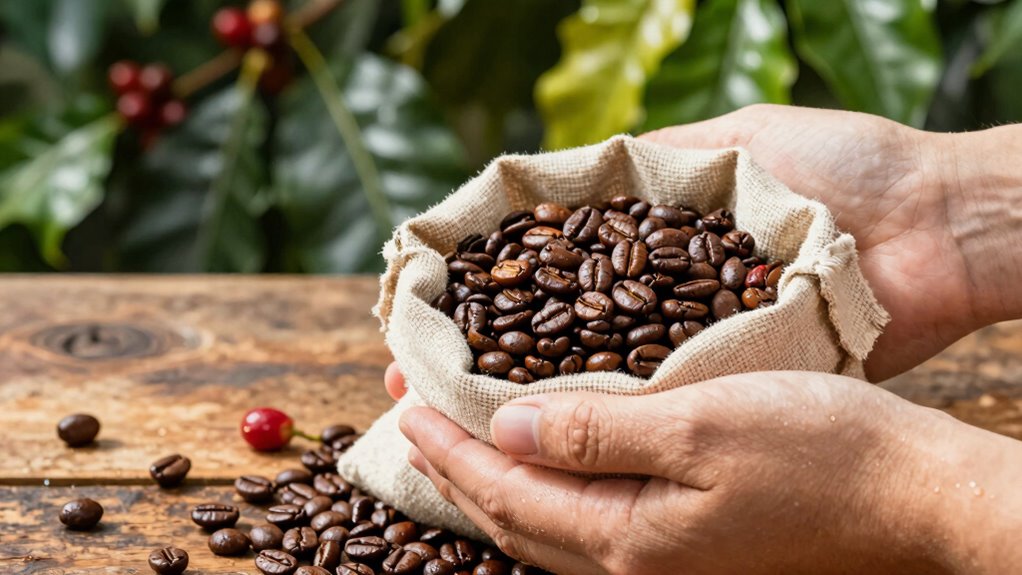
When selecting coffee beans, opting for eco-friendly options is a simple way to reduce your environmental impact. Look for certifications like Fair Trade and organic certification. Fair Trade ensures farmers receive fair wages and work under ethical conditions, which supports sustainable farming practices. Organic certification indicates the beans are grown without synthetic pesticides or fertilizers, protecting the soil and water resources. Choosing these options encourages responsible cultivation and helps preserve ecosystems. By prioritizing Fair Trade and organic coffee, you support farmers committed to environmentally friendly methods. This not only reduces your carbon footprint but also promotes a more sustainable coffee industry. Making informed choices in your coffee selection can have a meaningful positive effect on the planet.
Easy Ways to Reduce Coffee Waste

Ever wondered how you can cut down on coffee waste effortlessly? Small changes in your brewing techniques can preserve coffee flavor and reduce leftover grounds. Use precise measurements to avoid excess coffee, and opt for brew methods like pour-over or AeroPress that minimize waste. Reuse coffee grounds for gardening or scrubbing, giving them a second life. Additionally, understanding color accuracy in your brewing process can help you better gauge the optimal coffee extraction for richer flavor. Paying attention to visual cues during brewing can also help you achieve the perfect cup while reducing waste.
How to Brew Coffee More Sustainably
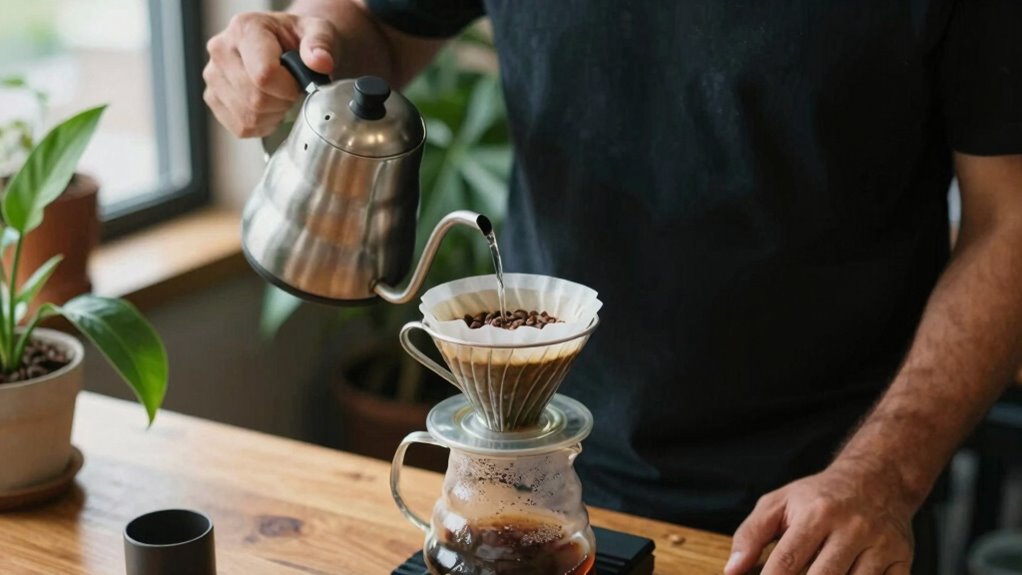
Building on your efforts to reduce coffee waste, choosing sustainable brewing methods can make a significant difference. Opt for coffee beans that support coffee plant diversity by choosing brands committed to preserving biodiversity. Ethical sourcing guarantees you’re supporting farms that prioritize sustainable practices, which often include eco-friendly water use and soil management. Use reusable filters and brew methods like pour-over or French press, which generate less waste and energy. Avoid single-use pods, which contribute to plastic pollution and often lack transparency about their sourcing. By selecting beans with certifications such as Fair Trade or Rainforest Alliance, you support environmentally responsible farming practices. Incorporating sustainable farming practices into your coffee choices encourages environmentally friendly cultivation, helping to protect ecosystems, promote ethical sourcing, and make your coffee routine more sustainable.
Reusing Coffee Packaging the Right Way
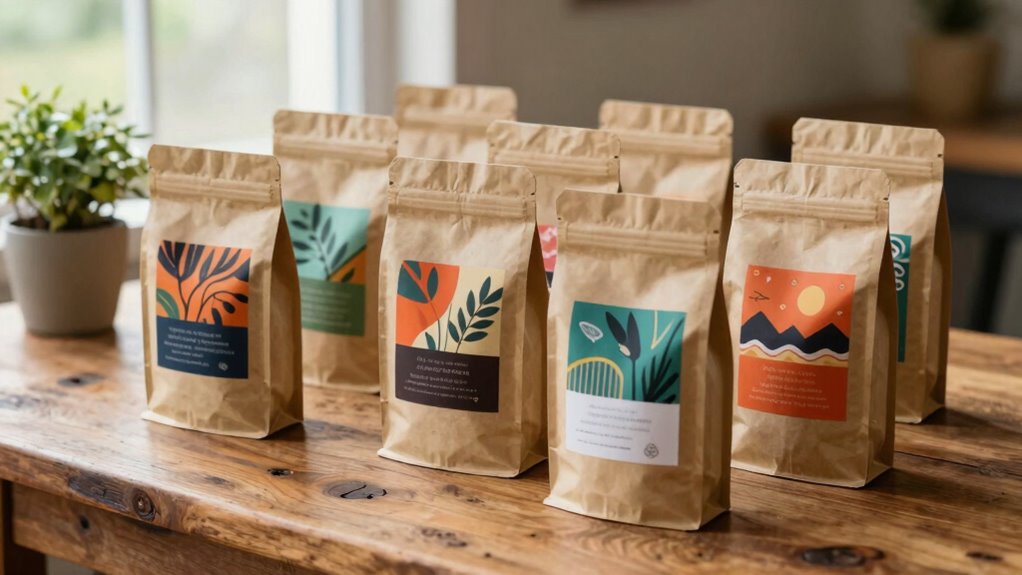
Have you considered how reusing coffee packaging can reduce waste and support sustainability? Modern coffee packaging innovations now include sustainable material options like biodegradable pouches and recyclable bags. To reuse effectively, clean the packaging thoroughly to remove any residue, ensuring it’s safe for future use. Consider repurposing coffee bags as storage for seeds, snacks, or small household items. You can also upcycle packaging into craft projects or plant pots, giving them a second life. Choosing packaging made from eco-friendly materials makes it easier to reuse without guilt. Additionally, supporting brands that prioritize sustainable packaging practices can further enhance your eco-friendly efforts. Staying informed about coffee packaging innovations can help you make smarter choices that minimize waste. Incorporating reusable packaging into your routine not only benefits the environment but also encourages a more mindful approach to consumption. Using upcycling techniques can turn old coffee packaging into useful and decorative items, extending its lifespan even further. Reusing coffee packaging isn’t just eco-friendly; it’s a simple step toward a more sustainable lifestyle you can easily incorporate into your routine.
Simple Tips to Lower Your Coffee Carbon Footprint

Reusing coffee packaging is a great way to cut down on waste, but reducing your overall environmental impact involves more than just repurposing containers. To lower your coffee carbon footprint, choose beans with reputable coffee certifications, which guarantee environmentally friendly practices. Prioritize sourcing from brands committed to sustainable sourcing, supporting farmers who minimize emissions and conserve resources. Consider brewing methods that use less energy, like French press or pour-over, instead of energy-intensive machines. Use a reusable coffee filter instead of disposable ones. Additionally, buy in bulk to reduce packaging waste and carbon emissions from transportation. Incorporating regional flavors can also support local economies and reduce transportation emissions. Being mindful of sustainable practices throughout your coffee routine can further amplify your positive impact on the environment. For example, choosing energy-efficient appliances can significantly decrease your household’s overall carbon footprint. Remember that aligning your coffee habits with the principles of Stoic wisdom can help cultivate mindfulness and intentionality in your daily choices. By making these simple, conscious choices, you can enjoy your coffee while actively contributing to a healthier planet.
Frequently Asked Questions
How Can I Identify Truly Sustainable Coffee Brands?
You can identify truly sustainable coffee brands by checking for Fair Trade and Organic Certification labels. Fair Trade guarantees fair wages and ethical practices, while Organic Certification indicates environmentally friendly farming methods. Look for these labels on packaging or research brands online to confirm their commitment to sustainability. By choosing certified brands, you support ethical and eco-friendly coffee production, making your coffee habit more sustainable and impactful.
Are There Specific Certifications to Look for on Eco-Friendly Coffee Packaging?
You might be surprised to find that looking for certifications like Fair Trade and Organic can profoundly guide your choices. When you see these labels on eco-friendly coffee packaging, you’re ensuring the coffee was produced sustainably, supporting fair wages and environmentally friendly practices. These certifications aren’t just labels—they’re a promise that your coffee choice helps promote ethical farming and conservation efforts, making every cup more meaningful.
What Are the Environmental Impacts of Coffee Cultivation?
You should know that coffee cultivation impacts the environment through deforestation, water use, and soil degradation. Choosing shade-grown coffee helps reduce these effects by preserving natural habitats and promoting soil conservation. Shade-grown coffee requires less chemical input, maintains biodiversity, and supports healthier ecosystems. By selecting eco-friendly options, you contribute to sustainable farming practices that protect forests, conserve soil, and minimize your coffee’s environmental footprint.
How Does Water Usage Affect Coffee Sustainability?
Like a delicate dance, water usage directly impacts coffee sustainability. When you prioritize water conservation and support farms using irrigation efficiency, you help protect essential water resources. Saving water ensures coffee plants thrive without straining local ecosystems. By choosing brands committed to responsible water practices, you become part of the solution, guaranteeing future generations can enjoy their morning brew while safeguarding the planet’s precious water supplies.
Can Switching to Plant-Based Milk Reduce My Coffee’s Carbon Footprint?
Switching to plant-based milk can considerably reduce your coffee’s carbon footprint. Plant-based alternatives like almond, oat, or soy milk generally require less water and produce fewer greenhouse gases compared to dairy. By making this simple switch, you actively lower your environmental impact, helping combat climate change. Plus, many plant-based options taste great and can enhance your coffee experience while aligning with your sustainability goals.
Conclusion
By making small, mindful changes—like choosing eco-friendly beans and reusing packaging—you can truly make a difference. Every step counts in reducing your coffee’s environmental impact, proving that a little effort goes a long way. Remember, the journey of a thousand miles begins with a single step, so don’t wait to start. Embrace these habits and enjoy your coffee knowing you’re doing your part to protect the planet.
Halloween Picks
halloween
As an affiliate, we earn on qualifying purchases.