TL;DR

Get coffee and tea gear delivered free with Prime
- Fast, free delivery on millions of items
- Prime Video, Amazon Music and more included
- Member-only deals all year
VinePair published a visual timeline of 13 cocktail trends that shaped the 21st-century drinking scene, beginning with New York’s Milk & Honey in 1999. The retrospective tracks revivals, techniques and presentation styles, while noting that its dates are approximate and that trends often overlap.
VinePair has published a visual timeline of 13 cocktail trends that shaped drinking culture over roughly the first quarter of the 21st century, starting with the craft-cocktail revival associated with New York’s Milk & Honey. The retrospective follows shifts from rediscovered classic recipes to fat-washing and bar gadgets, offering a snapshot of how bartenders’ methods and presentation have changed.
The timeline treats Milk & Honey’s opening on Dec. 31, 1999, as a key starting point for the modern craft-cocktail movement. VinePair describes the bar, founded by the late Sasha Petraske, as a touchstone that helped bring cocktail culture into wider public view. The report also credits earlier influences, including Dale DeGroff’s work at the Rainbow Room, the original Angel’s Share, which opened in 1993, and the growth of London’s cocktail-bar scene during the 1990s.
One major phase, labeled “The Old-School Drink Revival,” runs from 2000 to 2015. The report says bartenders revisited historic recipes, including pre-Prohibition drinks, helping restore cocktails such as the Sazerac, Negroni, Bee’s Knees and Last Word to wider prominence. VinePair describes this as a period when the industry looked backward for inspiration before shifting toward other techniques and concepts.
The timeline also highlights fat-washing from 2007 to 2019, linking its rise to Don Lee at New York’s PDT and the Benton’s Old Fashioned, made with bourbon infused with bacon fat and paired with maple syrup. From around 2015 onward, the report says tools such as smoking guns and iSi siphons became more familiar in bars. It also identifies the short-lived popularity of tiny clothespins used to attach garnishes to cocktail glasses, beginning around 2017.
How Bar Techniques Reached Mainstream
The timeline matters because it shows that changes in cocktail culture involved more than new recipes. The examples trace a shift from recovering older drinks to experimenting with texture, aroma and presentation, as well as using equipment once associated with specialized bar programs. Techniques such as fat-washing moved from eye-catching experimentation toward broader familiarity, according to VinePair.
For drinkers, this history helps explain why classic cocktails and technically elaborate drinks now sit side by side on menus. It also offers bar owners and bartenders a record of how ideas spread and became routine. The piece is a retrospective, not a survey measuring sales or consumer preferences, so it documents a curated selection of influential trends rather than ranking their commercial impact.
Products Worth Considering

Vitamix 5200 Blender with 64 oz. Container, Black

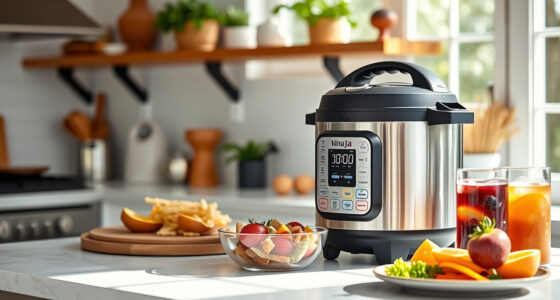
Ninja DualZone Air Fryer 10 Qt Smart 6-in-1 Grey

Instant Pot RIO Wide 7.5-Quart 7-in-1 Electric Pressure Cooker
As an affiliate, we earn on qualifying purchases.
From Milk & Honey to Bar Gadgets
VinePair places the start of its timeline at the turn of the century, but it acknowledges that the revival had earlier roots. New York’s Angel’s Share opened in 1993, while established bartenders and London venues helped shape the scene before Milk & Honey opened. The bar’s significance in the article comes from its timing and influence, not from a claim that cocktail innovation began there.
The dates assigned to individual trends are deliberately approximate. VinePair says it can be difficult to identify exactly when a style became popular or faded, since cocktail history develops unevenly across bars and cities. Its timeline is therefore a rough account of prominent trends, not a definitive chronology of every development in modern bartending.
““The craft cocktail movement took its biggest leap forward by looking backward.””
— VinePair
Where the Timeline Draws Its Lines
The source presents the timeline as an editorial selection of 13 key trends, but the supplied material does not establish a formal method for choosing them or quantify their reach across the industry. The precise timing and duration of many trends remain approximate, and popularity likely varied by location and venue.
The provided source text ends during its account of the clothespin trend, so it does not include the full list of 13 trends or the infographic’s complete timeline. It is not possible from the available material to describe the remaining entries or confirm how VinePair characterizes their eventual decline.
What the Retrospective Leaves Open
VinePair frames the timeline as a look back at the cocktail industry’s first quarter-century and points toward further experimentation in the years ahead. The report does not set out a forecast or announce a follow-up project. The next development for readers is the complete infographic and full article, which would be needed to review all 13 entries and their stated dates.
For now, the piece offers a historical overview rather than a prediction: it suggests that curiosity and cross-pollination with fields such as art, history and science have shaped the scene, while leaving the next major trend open.
Key Questions
What does VinePair’s timeline cover?
It charts 13 cocktail trends that VinePair says influenced drinking culture during roughly the first quarter of the 21st century. The available source material includes entries on classic-drink revivals, fat-washing, bar gadgets and garnish clothespins.
Why does the timeline begin with Milk & Honey?
VinePair identifies the New York bar’s opening on Dec. 31, 1999, as a touchstone for the modern craft-cocktail revival. The article also credits earlier influences, so it does not say the movement began without precedent.
What is fat-washing?
It is a technique for infusing spirits with fat or oil to add flavor and texture. VinePair cites the Benton’s Old Fashioned, made with bourbon infused with bacon fat, as an influential example.
Are the dates exact?
No. VinePair calls its chronology a rough timeline and says it can be difficult to pinpoint when trends started or faded. The dates describe broad periods, not precise industry-wide turning points.
Source: vinepair.com