🔍 Read the full analysis: How Italians Do Breakfast: Cornetto, Cappuccino, And The Morning Bar on Mad Tasting

Get coffee and tea gear delivered free with Prime
- Fast, free delivery on millions of items
- Prime Video, Amazon Music and more included
- Member-only deals all year
TL;DR
The Italian breakfast, or colazione, centers on a quick cappuccino and cornetto at the neighborhood bar. This routine varies by region, with Sicily favoring granita and brioche. Understanding counter service etiquette and regional differences enhances the local experience.
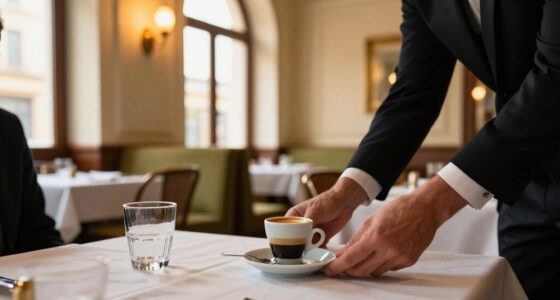
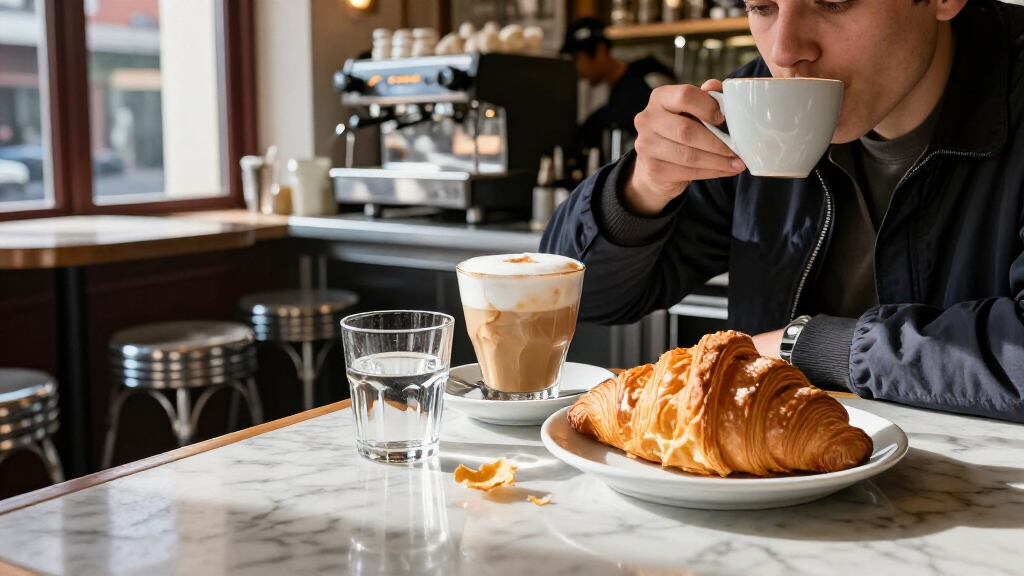
The core of the traditional Italian morning meal is the cappuccino and the cornetto. The cornetto is a crescent-shaped pastry that, while similar to a French croissant, is often softer and sweeter. It is typically served plain or filled with jam, custard (crema), chocolate, or honey. In central and southern Italy, the term cornetto is standard, whereas other regions may refer to similar pastries as brioche. The cappuccino, a mix of espresso, steamed milk, and foam, complements the buttery layers of the pastry. This combination is often consumed quickly while standing at the counter, allowing customers to fit the meal between their commute and their first appointment.
However, this template is not universal. Regional and seasonal variations significantly alter the morning menu. In Sicily, particularly during warm weather, a popular breakfast consists of granita served with a soft brioche. Elsewhere, Italians might opt for biscuits, yogurt, bread, or simply an espresso. The pace of the bar also changes; a busy morning in Rome or Milan may feature a rapid, standing-only service, while other settings allow for lingering at tables. The bar itself is rarely a cocktail lounge; it is a café serving coffee, pastries, and light drinks, acting as a practical stop for locals.
A field guide to Italian mornings
How Italians Do Breakfast: Cornetto, Cappuccino, and the Morning Bar
A quick stop at the neighborhood bar can be a daily ritual, a social crossroads, and a practical start to the day. Explore the classic pairing, regional variations, and how to order with confidence.
Classic pairing
Coffee + pastryCappuccino and cornetto
Typical pace
A quick stopOften taken at the counter
Regional twist
GranitaWith brioche in Sicily
One simple cue
Observe firstFollow the bar’s routine
01 / The morning menu
A familiar pairing, with room for variation
The cornetto is a crescent-shaped pastry similar to a croissant, often softer and sweeter. It may be plain or filled with jam, crema, chocolate, or honey. A cappuccino combines espresso, steamed milk, and foam; together, they make the iconic bar breakfast.
01 · Pastry
Cornetto
Buttery and crescent-shaped, sometimes filled with custard, jam, chocolate, or honey. Names and styles can vary by region.
02 · Coffee
Cappuccino
Espresso with steamed milk and foam. A familiar companion to a sweet pastry at the morning bar.
03 · Setting
The neighborhood bar
A practical café stop for coffee, pastries, and brief exchanges with staff, regulars, and fellow commuters.
02 / A regional map in miniature
Breakfast follows place, weather, and personal habit
There is no single national template. The menu can shift with climate and local tradition, and plenty of Italians eat at home or choose something simpler.
Central & southern Italy
Cornetto by name
The term cornetto is common, with plain or filled versions alongside a morning coffee.
Sicily · warm weather
Granita & brioche
Refreshing granita served with a soft brioche is a popular choice, especially in warmer months.
At home or elsewhere
Keep it simple
Biscuits, bread, yogurt, or espresso may be the whole breakfast. Some skip the bar entirely.
A café at eight
“Cups click against saucers, the espresso machine hisses, and someone tears into a flaky pastry before the next train.”
A cultural observation
A useful local cue
Watch how customers order and pay. The bar is often a working neighborhood stop, with a pace shaped by the people passing through.
03 / How the stop works
Read the room, then order simply
Payment customs differ by establishment. Some bars ask you to pay at the till first; others take payment after service. Table service often costs more than counter service, so a quick check can save uncertainty.
Choose your pastry
Check the display case. Point and ask “Qual è questo?” — “What is this one?”
Check payment
Look for a queue or ask “Si paga qui?” — “Do you pay here?”
Order plainly
Try “Un cappuccino e un cornetto, per favore.” — “A cappuccino and a cornetto, please.”
Stand or sit
Counter service is usually quicker; check the menu for table service and prices.
04 / What to remember
A small ritual, not a rulebook
The bar breakfast blends convenience with everyday social life. Its pace is often brisk, but the details depend on the neighborhood, the season, and the venue.
Is a cornetto the same as a croissant?
They are similar, but a cornetto is often softer and sweeter, with regional differences in texture and fillings.
Do Italians always eat at the bar?
No. Many eat at home, choosing items such as bread, yogurt, or biscuits. The bar is common, not universal.
What changes between counter and table service?
The counter is typically faster and less expensive. Table service allows more time and often costs more.
What is a typical Sicilian breakfast?
In warm weather, granita with soft brioche is a popular alternative to cappuccino and cornetto.
The Italian bar serves a dual function that distinguishes it from many other café cultures. It is both a place for sustenance and a neighborhood crossroads. For many Italians, the morning visit is a brief pause, a moment to greet staff and regulars before the day begins. This social aspect is integral to the experience; the brisk pace at the counter facilitates quick interactions rather than long conversations. For visitors, understanding this dynamic helps avoid the misconception that the bar is a place for prolonged leisure unless specifically sought. The counter service model allows for efficiency, fitting seamlessly into the rhythm of work and school commutes. Recognizing the bar as a functional part of the urban infrastructure, rather than just a dining venue, provides deeper insight into Italian social norms and daily logistics.
As an affiliate, we earn on qualifying purchases.
Regional Variations and Seasonal Shifts
While the cappuccino and cornetto pairing is iconic, it is only one version of Italian breakfast. The menu and habits adapt to local climate and tradition. In southern regions like Sicily, the heat influences the morning choice, making granita—a semi-frozen dessert—paired with a soft brioche a preferred option. This contrasts sharply with the heavier, warm pastries favored in northern cities during colder months. Additionally, many Italians eat breakfast at home, skipping the bar entirely or choosing more substantial items like bread and yogurt. The variety underscores that there is no single national template. The experience depends heavily on whether one is in a bustling city center like Milan or a quieter town, and whether the season calls for a refreshing or warming start to the day.
“At eight in the morning, a café bar can sound like a small orchestra: cups click against saucers, the espresso machine hisses, and someone tears into a flaky pastry before the next train.”
— Cultural observation
Despite the routine nature of the Italian breakfast, specific service protocols can vary from establishment to establishment, creating potential confusion for visitors. It is not always clear whether payment should be made at the till before ordering or at the counter after service. Some bars require customers to pay first and present a receipt, while others allow payment at the end. These customs are not standardized across all Italian bars and can change based on the specific venue’s policy. Additionally, the distinction between counter service and table service often affects pricing, with table service typically costing more. Without explicit signage or local knowledge, determining the correct procedure requires observation and sometimes direct inquiry, leaving some ambiguity for first-time visitors.
Practical Tips for the Morning Visit
For those planning to participate in the Italian breakfast ritual, preparation involves simple observational strategies. Before ordering, visitors should check the pastry case to decide on their choice. If unsure about an item, pointing and asking “Qual è questo?” (“What is this one?”) is an effective approach. Determining the payment method is the next critical step; looking for a queue or asking “Si paga qui?” (“Do you pay here?”) clarifies the process. Ordering plainly, such as “Un cappuccino e un cornetto, per favore,” is recommended. Finally, deciding whether to stand or sit depends on time constraints and preference, but checking the menu for table service details is advisable to avoid unexpected costs. Following the room’s pace and keeping interactions brief and friendly ensures a smooth experience.
Key Questions
Is a cornetto the same as a croissant?
Not exactly. While similar, a cornetto is often softer and sweeter than a French croissant. It may also have different fillings and textures depending on the region.
Do Italians always eat breakfast at the bar?
No. Many Italians eat breakfast at home, choosing items like bread, yogurt, or biscuits. The bar breakfast is a common but not universal routine.
What is the difference between counter and table service?
Counter service is typically faster and cheaper, suited for quick consumption. Table service allows for lingering but often comes with a higher price tag and may require a different ordering process.
What is a typical Sicilian breakfast?
In warm weather, Sicilians often prefer granita (a semi-frozen dessert) paired with a soft brioche, differing from the cappuccino and cornetto combination common in other regions.
Source: Mad Tasting
Fall Picks
fall essentials
As an affiliate, we earn on qualifying purchases.