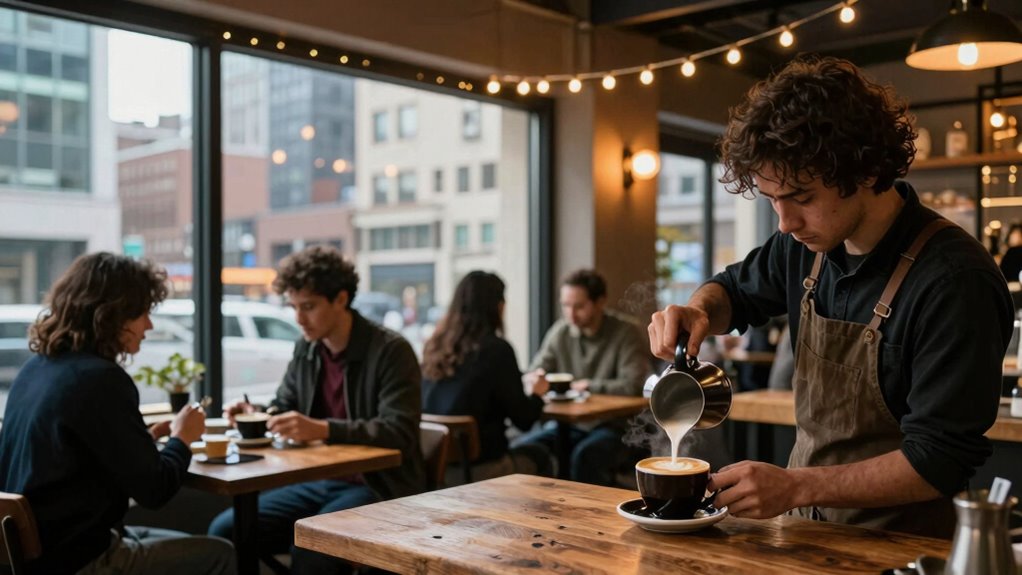

You’ve likely noticed how coffee has become central to modern identity, shaping social rituals and communities worldwide. From its origins in Ethiopia to global coffee shops, it connects people and cultures through shared experiences and traditions. Coffee influences how we work, relax, and socialize, emphasizing sustainability and craftsmanship. If you want to discover how this simple beverage transformed into a cultural symbol and impact on modern life, keep exploring these fascinating stories.

Get coffee and tea gear delivered free with Prime
- Fast, free delivery on millions of items
- Prime Video, Amazon Music and more included
- Member-only deals all year
Key Takeaways
- Coffee evolved from a traditional beverage to a symbol of social connection and cultural expression worldwide.
- Coffee shops serve as community hubs, fostering social interactions and shaping modern social identities.
- Artisanal brewing techniques and craftsmanship elevate coffee to an expression of creativity and personal identity.
- Sustainable practices and ethical sourcing reflect contemporary values, integrating social responsibility into coffee culture.
- Digital innovations like virtual tastings and online communities expand coffee’s role in shaping modern, global identity.
As an affiliate, we earn on qualifying purchases.
The History and Cultural Rise of Coffee
Coffee’s journey begins in the ancient forests of Ethiopia, where legend says a goat herder named Kaldi first discovered the energizing effects of the berries. From there, coffee’s history spreads through trade routes, influencing regions far beyond its origins. As it traveled, coffee evolved culturally, becoming a symbol of hospitality and social connection worldwide. Its cultural evolution reflects more than just a morning pick-me-up; it shaped traditions, rituals, and economies across continents. You can see this in the way coffee became embedded in social gatherings, religious ceremonies, and daily routines. Over centuries, its story transforms from a simple beverage into an essential part of global culture, embodying the exchange of ideas, commerce, and community. This history highlights coffee’s profound influence on modern identity.
How Coffee Shops Became Social Hubs

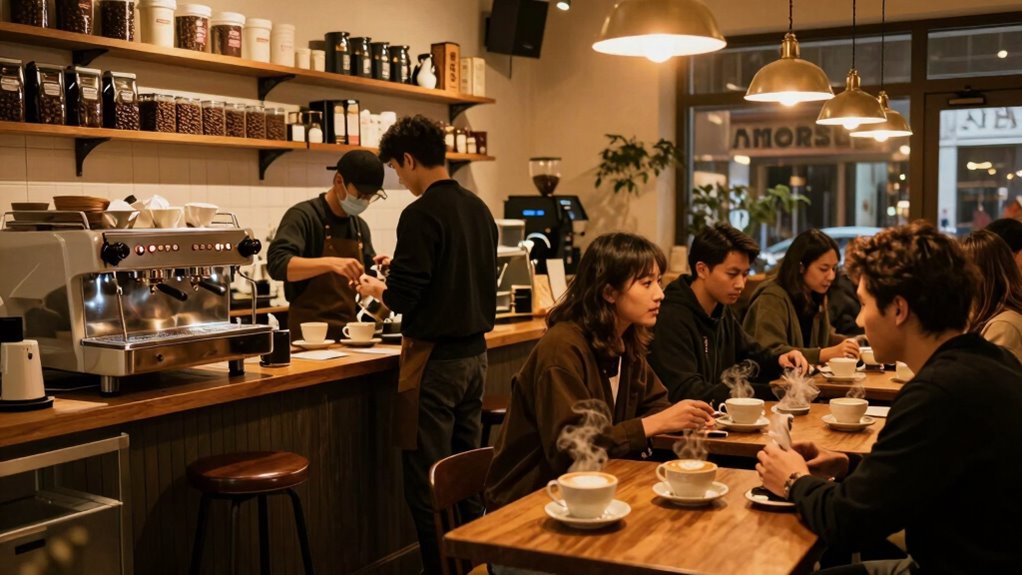
You likely notice how coffee shops serve as community gathering spaces where people connect and socialize. They also function as work and collaboration spots, fostering creativity and productivity. Additionally, these venues act as cultural exchange hubs, bringing diverse ideas and perspectives together over shared brews. The welcoming environment of coffee shops often encourages informal social interactions, making them essential to modern social identity. Incorporating elements like auditory processing techniques can enhance the sensory experience, making these spaces more inclusive. Implementing sound design strategies can further improve the ambiance, supporting a comfortable and engaging atmosphere for all visitors. Recognizing the importance of atmospheric acoustics can help create environments that cater to diverse sensory needs, enriching the social experience.
Community Gathering Spaces
As the popularity of coffee shops grew, they transformed from simple places to grab a quick drink into essential community hubs where people gather, connect, and collaborate. You’ll notice how these spaces now emphasize coffee and wellness, creating welcoming environments that promote relaxation and mental clarity. Many cafes incorporate sustainability initiatives, using eco-friendly packaging and sourcing beans responsibly to align with community values. These environmentally conscious practices not only reduce waste but also educate patrons about sustainable practices, fostering a deeper appreciation for environmental responsibility. Additionally, some cafes incorporate elements inspired by mythology-inspired names, which can evoke strength, wisdom, and cultural richness, further enriching the community experience. These efforts foster a sense of shared purpose, encouraging patrons to participate in environmental responsibility. Coffee shops become more than just spots for caffeine—they become places where conversations flourish and social bonds strengthen. By prioritizing wellness and sustainability, they guarantee that community gathering spaces support both individual well-being and collective growth. Additionally, the integration of sustainability initiatives further enhances their role as conscientious social hubs, reflecting a broader movement towards environmental responsibility.
Work and Collaboration Spots
Coffee shops have evolved beyond social spaces to become essential hubs for work and collaboration. You find yourself settling in with your laptop, taking advantage of the inviting atmosphere that encourages productivity. Coffee and wellness are now intertwined, as many venues offer healthier options to support your focus. Advanced brewing technology guarantees your coffee is consistently high quality, energizing your work sessions. These spaces often feature reliable Wi-Fi and comfortable seating, making them ideal for remote work or group projects. Coffee shops create a sense of community, fostering spontaneous collaboration and networking. Whether you’re brainstorming alone or working with a team, these spots blend refreshment with productivity, making them a crucial part of modern work culture. Incorporating seasonal changes and ambiance can enhance the overall experience, making coffee shops more inviting throughout the year.
Cultural Exchange Hubs
While coffee shops originally served as simple places to grab a quick drink, they have transformed into vibrant social hubs where diverse communities converge. These spaces foster cultural exchange, blending traditions and stories from around the world. As you step inside, you might find yourself sharing a conversation with someone from a different country or discovering new customs over a cup of coffee. The global influence of coffee has turned local cafes into melting pots of culture, connecting people beyond borders. Additionally, the incorporation of outdoor seating areas in many cafes encourages community gatherings and enhances the social experience. The cabling solutions used in modern cafes ensure that these spaces are equipped for both social and digital connectivity, supporting events and daily activities. This evolution reflects the broader coffee culture that emphasizes connection and shared experiences, with some cafes even hosting cultural events that highlight different traditions and art forms. Interestingly, the preservation of historic coffeehouses helps maintain the rich history and cultural significance of coffee as a social catalyst.
Exploring Artisanal Coffee and Brewing Techniques
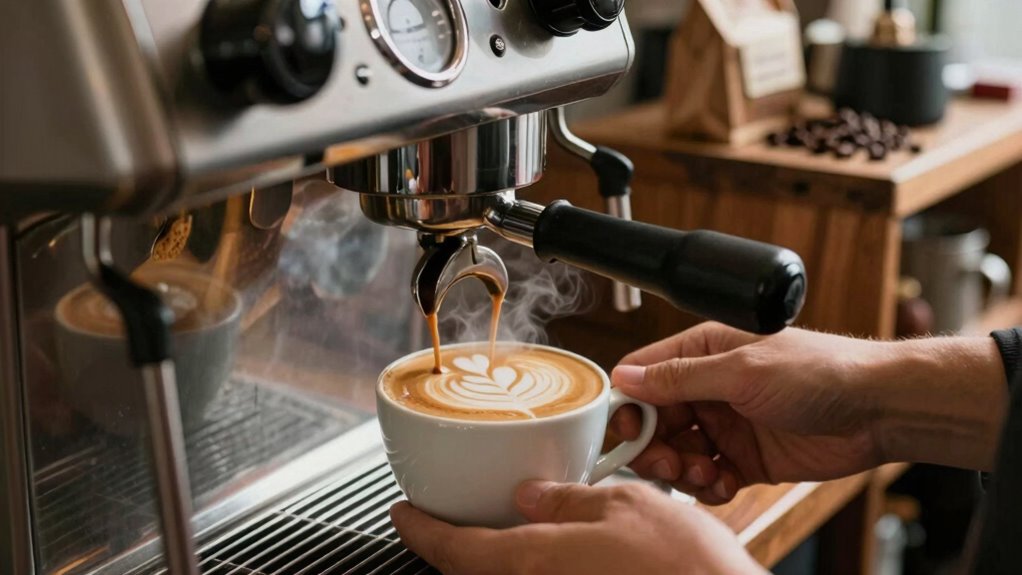
You can experience the artistry in every handcrafted brew, where baristas focus on precision to bring out unique flavors. Each brewing technique offers a different profile, highlighting the complexity of artisanal coffee. By exploring these methods, you gain a deeper appreciation for the skill and creativity behind each cup. Incorporating attention to detail in the brewing process ensures a consistent and exceptional taste experience. Understanding regional flavor profiles can also enhance your appreciation for the diverse influences shaping modern coffee culture. Paying close attention to home organization can also help create a dedicated space that fosters your coffee brewing rituals and enhances your overall experience. Exploring destinations with rich coffee traditions can further deepen your connection to the art of coffee making and its cultural significance. Embracing the legacy of craftsmanship can deepen your connection to the rich traditions that influence contemporary coffee artistry.
Crafting Handcrafted Brews
Have you ever wondered what sets artisanal coffee apart from the mass-produced variety? It’s all about the passion behind each cup. When crafting handcrafted brews, you focus on meticulous bean selection, choosing beans that tell a story of origin and quality. With coffee art, you transform each drink into a visual masterpiece, showcasing your skill and dedication. The process involves carefully controlling brewing techniques to reveal rich flavors and textures, making every sip an experience. Using specialized coffee gear like pour-over brewers and espresso machines can elevate your brewing precision and consistency. Feel the excitement of:
- Creating intricate coffee art that evokes emotion and admiration
- Selecting beans that embody freshness and uniqueness
- Perfecting brewing methods to achieve harmony and balance
This attention to detail makes your coffee not just a beverage, but a reflection of craftsmanship and artistry.
Precision in Brewing
Mastering the art of precision in brewing transforms good coffee into an exceptional experience. When you focus on brewing precision, you reveal the full potential of coffee aroma, revealing nuanced flavors and scents. Every step—measuring beans, controlling water temperature, timing—matters. Small adjustments can heighten the richness and depth of your brew. Precision allows you to reproduce your favorite profiles consistently, ensuring each cup meets your expectations. Artisanal techniques emphasize attention to detail, making the process both a craft and a science. By honing your skills, you elevate your coffee experience from ordinary to extraordinary. Ultimately, precision in brewing isn’t just about technique; it’s about appreciating the intricate beauty of each cup and embracing the artistry behind every sip. Recognizing the importance of attention to detail ensures that each element contributes to a harmonious and memorable coffee experience.
Unique Coffee Profiles
Exploring artisanal coffee and brewing techniques reveals a world of unique flavor profiles that elevate your coffee experience. Each cup reflects the distinct coffee aroma and the bean origin, which influence taste profoundly. When you explore different brewing methods—like pour-over or AeroPress—you uncover layers of flavor you might never notice otherwise. The magic lies in appreciating how bean origin impacts the profile: earthy, fruity, or floral notes. You’ll find yourself captivated by the rich diversity of artisanal coffees, each telling its own story.
- Savor the complex aroma that transports you to distant lands.
- Discover how bean origin shapes every sip’s character.
- Feel the excitement of crafting a perfect coffee that’s uniquely yours.
How Coffee Inspires Creativity and Innovation
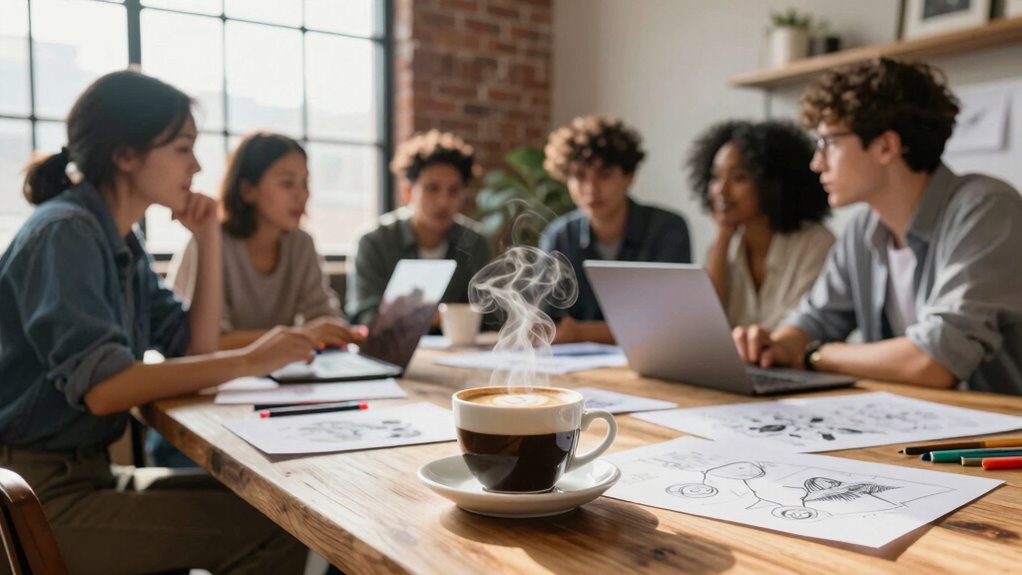
Coffee has long been a catalyst for creative thinking and innovative ideas. It fuels your mind, pushing you to explore new perspectives and experiment with ideas. Many artists and entrepreneurs find that a coffee boost sparks creative expression and helps develop innovative techniques. The ritual of sipping coffee often encourages moments of reflection, turning simple thoughts into groundbreaking concepts. Additionally, the stimulating effects of coffee can enhance mental clarity, supporting complex problem-solving and idea generation. Recognizing the influence of Twin Flame connections can also inspire deep emotional insights that fuel creative pursuits. Understanding wall surfaces and finishes can serve as an inspiring backdrop for creative spaces, fostering an environment that nurtures innovation.
How Coffee Builds Community and Social Bonds
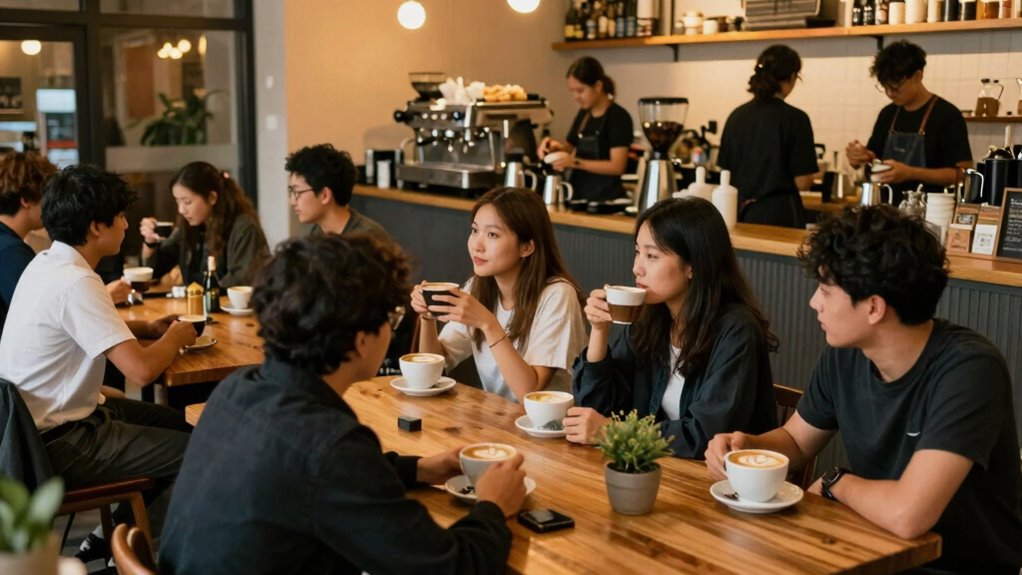
Coffee acts as a social catalyst, bringing people together in shared spaces and experiences. Through rituals like morning chats or casual conversations at a café, bonds are strengthened and communities form. These spaces foster connection, making coffee more than just a beverage—it’s a bridge between individuals. Additionally, the shared experience of enjoying coffee can stimulate curiosity and promote social bonds, further reinforcing community ties. Properly caring for kitchen gear like coffee makers and understanding eco-friendly disposal methods can also support sustainable community practices. Interestingly, some believe that astrological signs subtly influence social interactions, adding a layer of personal connection to these communal moments. Engaging in these rituals with intention can cultivate mindful social interactions, enhancing overall community well-being. Being mindful of community health practices can help ensure these traditions remain sustainable and inclusive for everyone involved.
Coffee as Social Catalyst
When people gather over a cup of coffee, they often find more than just a caffeine boost—they forge connections that strengthen communities. Coffee acts as a social catalyst, bringing people together through shared experiences. The beauty of coffee aesthetics and brewing artistry creates an inviting atmosphere, encouraging conversations and interactions. You feel the warmth of the cup and the aroma that sparks familiarity and trust. Coffee shops become spaces where friendships blossom, ideas ignite, and cultures collide. It’s about more than the drink; it’s about the moments you share. Coffee culture also reflects a rich history of social rituals that continue to evolve today, much like the performance parts used to enhance vehicles and create memorable driving experiences. Incorporating elements like eco-friendly craft patterns and reusable materials can further enhance the sustainability of these social spaces.
Shared Rituals and Conversations
| Rituals & Social Bonding | Coffee and Identity |
|---|---|
| Morning routines | Cultural traditions shaping values |
| Coffee dates | Personal stories and identity formation |
| Community gatherings | Collective identity and belonging |
Fostering Community Spaces
Shared rituals like coffee dates and community gatherings do more than foster personal connections—they create inviting spaces where people come together and build bonds. Coffee aesthetics and brewing innovations transform cafes into welcoming hubs, inspiring conversations and shared experiences. These spaces become more than just places to drink coffee—they’re environments where relationships grow. You might find yourself exchanging stories over a beautifully crafted latte or participating in local events that celebrate coffee’s cultural richness.
- Feel a sense of belonging in a warm, lively atmosphere
- Experience the joy of discovering new brewing techniques
- Connect with others over shared passions and stories
Top Coffee Brands and Lifestyle Trends
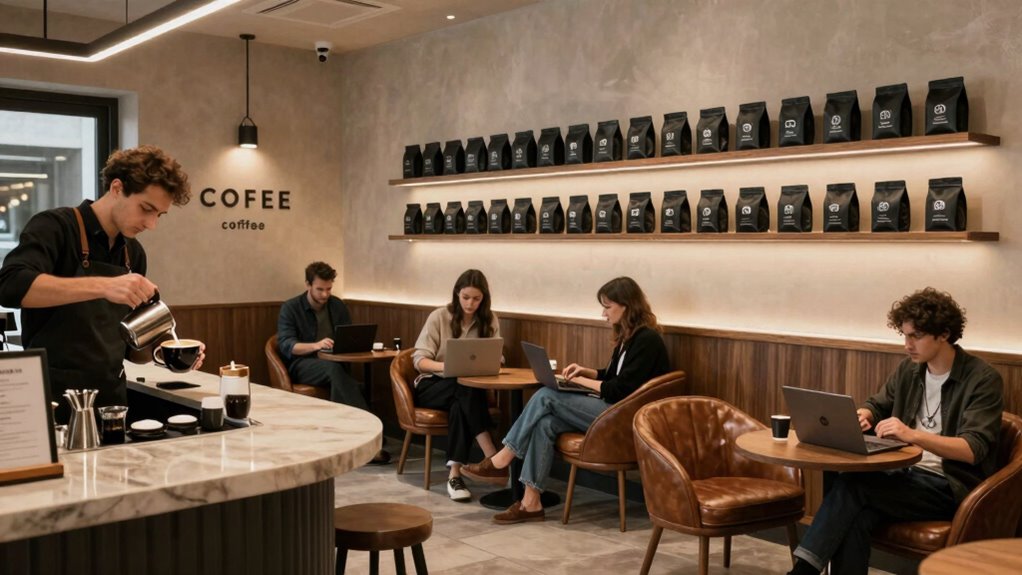
Top coffee brands have become more than just names on cups; they shape lifestyle trends and reflect modern identity. Their coffee branding emphasizes authenticity, quality, and innovation, resonating with consumers who value both style and substance. Many brands prioritize sustainable packaging, showcasing a commitment to environmental responsibility, which aligns with the values of today’s conscious consumers. These brands often incorporate minimalist designs and eco-friendly materials to appeal to a modern aesthetic. By doing so, they influence not only how you enjoy your coffee but also how you perceive social responsibility. As a result, top coffee brands help define a lifestyle that’s eco-aware, trend-conscious, and connected to broader cultural values, making coffee more than a beverage—it’s a statement of identity.
Advocating for Sustainable Coffee and Fair Trade
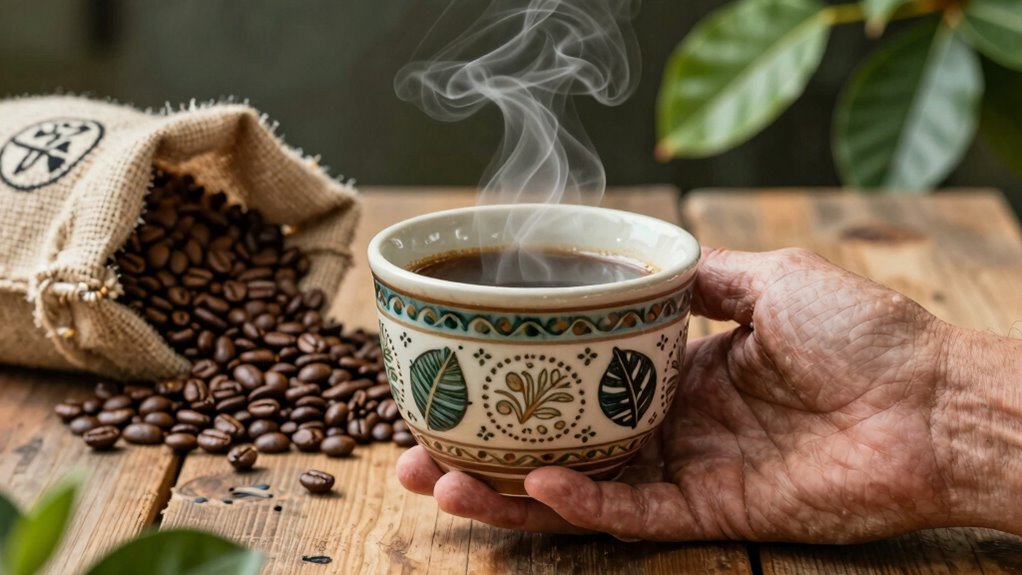
Why should you care about sustainable coffee and fair trade practices? Because your choices directly impact farmers’ lives, the environment, and the future of coffee itself. By supporting sustainable farming and ethical sourcing, you help guarantee fair wages, better working conditions, and healthier ecosystems. When you buy from fair trade brands, you contribute to:
- Protecting vulnerable communities from exploitation
- Promoting environmentally friendly farming methods
- Ensuring coffee farmers can thrive, not just survive
Your everyday coffee habits have the power to drive meaningful change. By advocating for sustainable coffee, you support a more equitable and resilient industry. Every cup becomes an act of compassion and responsibility, shaping a better future for everyone involved in the coffee supply chain.
Global Coffee Cultures and Coffee Tourism
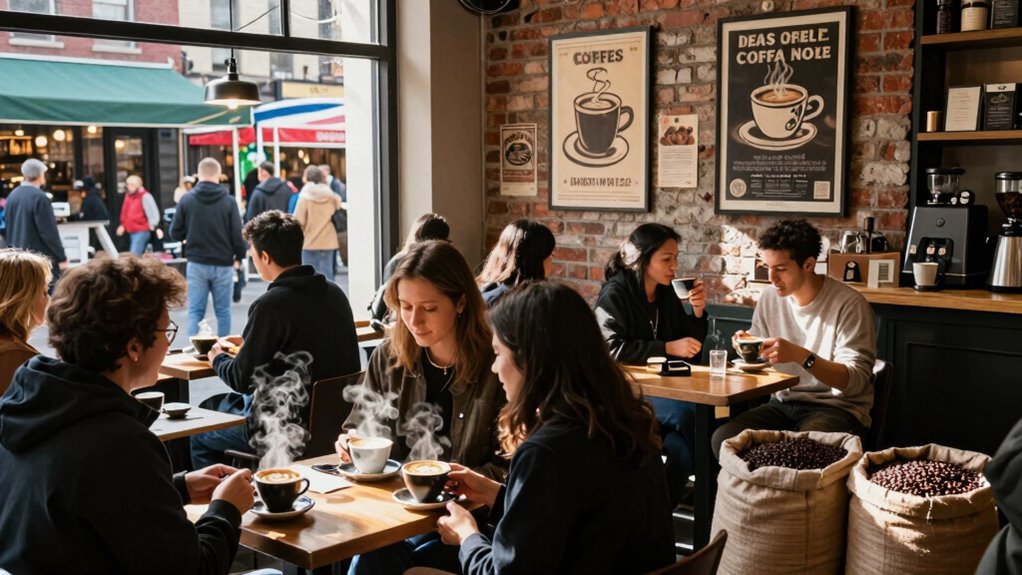
Have you ever wondered how coffee has become a global phenomenon that connects diverse cultures and communities? Coffee tourism plays a key role, drawing travelers enthusiastic to experience local coffee customs firsthand. Countries use coffee diplomacy to strengthen relationships, showcasing their unique brewing methods and traditions. Bean branding helps regions stand out, turning coffee into a cultural symbol and a source of national pride. As you explore coffee farms, cafes, and festivals worldwide, you see how these experiences promote cultural exchange and economic growth. Coffee tourism not only celebrates the beverage’s rich history but also fosters a sense of community among enthusiasts everywhere. It’s a journey that reveals how coffee’s global reach unites us through shared appreciation and cultural storytelling.
The Rise of Digital Coffee Culture and Virtual Experiences
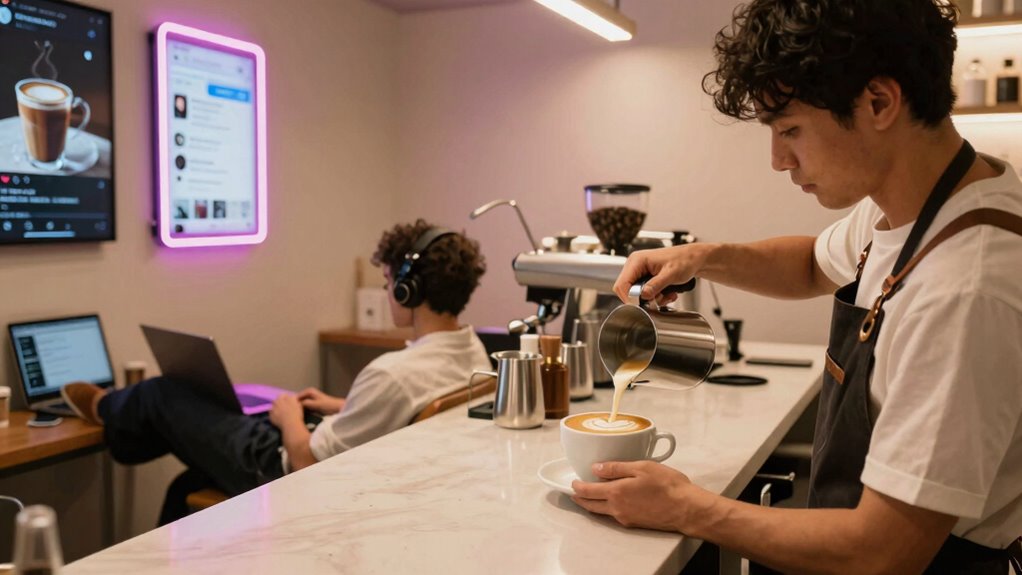
Ever wonder how coffee culture has shifted into the digital sphere? Now, you can experience it from anywhere through virtual tastings and online brewing workshops. These digital experiences connect you with baristas and coffee experts, sparking a sense of community across distances. You might:
- Savor new coffee flavors during virtual tastings that ignite your senses
- Master brewing techniques in online workshops, feeling empowered in your own kitchen
- Share your passion with like-minded enthusiasts in real-time conversations
This rise of digital coffee culture makes your coffee journey more interactive and accessible. It’s no longer just about drinking coffee; it’s about engaging deeply with its stories, flavors, and craft—all from the comfort of your home.
The Future of Coffee Culture in a Changing World
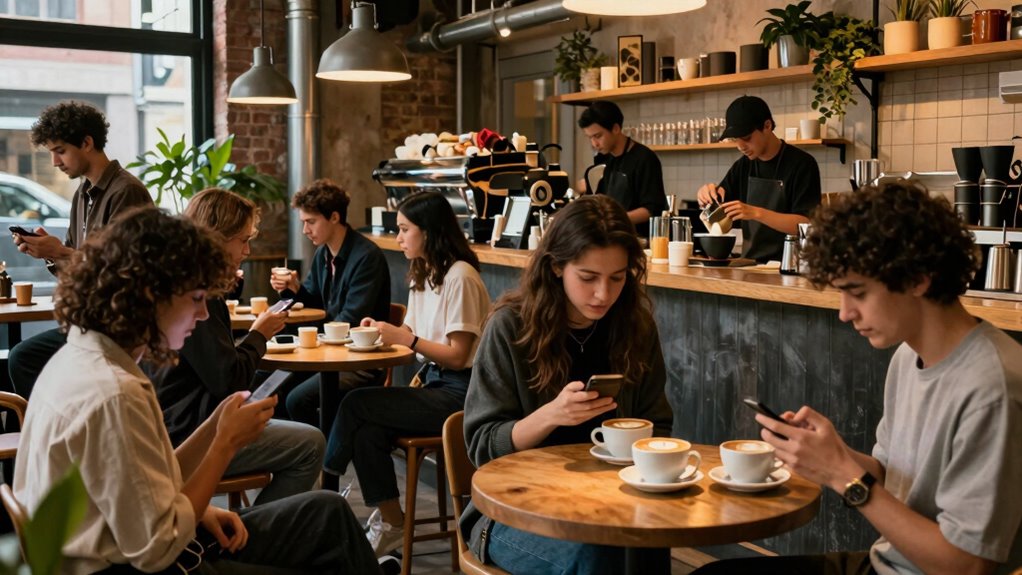
As digital interactions continue to reshape how you engage with coffee, the future of coffee culture is poised for even more innovation amid a rapidly changing world. Artificial intelligence will play a key role, personalizing your coffee experience through smarter brewing techniques and tailored flavor profiles. Simultaneously, climate change challenges will push the industry toward sustainable practices, like ethically sourced beans and eco-friendly packaging. You might see more coffee shops adopting green technologies or supporting local farmers, reducing environmental impact. Technology will also enable you to participate in global coffee communities from home, sharing experiences and knowledge. In this evolving landscape, your choices will influence not just your daily routine but also the future sustainability and diversity of coffee culture worldwide.
Frequently Asked Questions
How Has Coffee Influenced Modern Fashion and Design Trends?
You see how coffee influences modern fashion and design through coffee aesthetics and caffeine aesthetics. You might notice minimalist, sleek coffee shop interiors that emphasize warmth and simplicity, inspiring clothing and accessories with earthy tones and cozy textures. Coffee-inspired patterns and branding often appear in fashion, making caffeine aesthetics a symbol of modern sophistication. This connection shapes trends, blending daily rituals with style, turning coffee into a key element of contemporary identity.
What Role Does Coffee Play in Workplace Productivity and Office Culture?
You rely on coffee to boost workplace productivity through your caffeine routines and coffee rituals, which help you and your colleagues stay alert and focused. These rituals foster social interactions and break the monotony of work, strengthening office culture. Coffee acts as a catalyst for collaboration, encouraging informal conversations and idea-sharing, ultimately making the workspace more dynamic and connected. It’s more than a drink—it’s an essential part of your workday.
How Is Coffee Used in Digital Marketing and Branding Strategies?
You use coffee in digital marketing and branding strategies by leveraging brand storytelling that highlights your coffee’s unique qualities and cultural roots. Incorporating visual branding elements like coffee cups, beans, and cozy scenes helps create recognizable imagery. These visuals evoke warmth and community, engaging your audience emotionally. By blending storytelling with compelling visuals, you build a memorable brand identity that resonates with coffee lovers and draws them into your brand experience.
What Psychological Effects Does Coffee Have on Social Interactions?
Imagine sitting across from a friend, coffee steaming between you. The caffeine dependency you share can boost alertness, making conversations livelier, while the ritual of coffee fosters social bonding. This shared experience reduces social anxiety and creates a sense of connection. Your brain releases feel-good hormones, making interactions more enjoyable. Coffee’s psychological effects turn simple chats into meaningful moments, strengthening relationships and reinforcing your social identity.
How Are Emerging Technologies Changing Coffee Production and Consumption?
Emerging technologies like automated roasting and smart brewing are transforming how you produce and enjoy coffee. Automated roasting guarantees consistent flavor and quality, while smart brewing lets you customize your coffee experience via apps or voice commands. These innovations make brewing more efficient and personalized, giving you control over taste and strength. As technology advances, your coffee experience becomes more convenient, enjoyable, and tailored to your preferences.
Conclusion
As you sip your favorite brew, remember how coffee has woven itself into your daily life and identity. It’s more than just a drink—it’s a catalyst for connection, creativity, and culture. Embrace the rich tapestry of coffee’s history and its evolving role in the modern world. Like a well-tended garden, coffee continues to grow and flourish, offering new tastes and experiences. Keep exploring, because the best is yet to come in this aromatic journey.
Fall Picks
fall essentials
As an affiliate, we earn on qualifying purchases.