

Many popular coffee myths are false, and the truth might surprise you. Coffee doesn’t stunt your growth, nor does it cause dehydration when you drink water alongside. Dark roasts don’t have more caffeine than light ones, and moderate coffee consumption typically isn’t bad for your heart. While coffee can slightly boost metabolism and help curb appetite, it isn’t addictive or a sole weight-loss solution. If you’re curious about what science really says, keep exploring to uncover more facts.
Key Takeaways
- Scientific research shows moderate coffee consumption does not stunt growth or interfere with bone development.
- Coffee’s diuretic effects are minimal, and it can help maintain hydration when consumed with water.
- Dark roast coffee has similar caffeine levels to light roast; roasting affects flavor, not caffeine content.
- No conclusive evidence links coffee to increased heart attack risk in moderate drinkers.
- Coffee’s appetite-suppressing and calorie-burning effects are modest and should complement a healthy lifestyle.

The Clean Hydration Company Coffee Mug Travel Mug Insulated 12 Oz | Ceramic Lined Travel Cup with Lid | Reusable Office Mug Double Wall Vacuum Eco-Friendly BPA-Free (Aqua) (Gray)
PREMIUM CERAMIC INSULATED COFFEE MUG – Designed as a ceramic insulated 12 oz coffee mug with double wall…
As an affiliate, we earn on qualifying purchases.
As an affiliate, we earn on qualifying purchases.
Coffee Stunts Your Growth

Many people believe that drinking coffee can stunt your growth, but this idea isn’t backed by science. The growth concerns linked to coffee are rooted in childhood myths that have persisted over time. These myths suggest that caffeine interferes with bone development or calcium absorption, but research shows otherwise. In reality, moderate coffee consumption doesn’t affect your height or growth patterns. Instead, growth concerns are more accurately attributed to overall nutrition and genetics. Coffee isn’t a cause for concern when consumed in moderation, even during childhood or adolescence. Understanding these myths helps you make informed choices about coffee, freeing you from unfounded fears about its impact on your growth. Rest assured, enjoying coffee won’t hinder your development or stop you from reaching your full potential. Accurate scientific understanding confirms that caffeine does not impair growth or bone health in healthy individuals. Additionally, proper nutrition plays a much more significant role in supporting healthy growth and development. For example, balanced diet and regular physical activity are essential components of healthy growth during childhood and adolescence, with calcium absorption being a key factor that is unaffected by coffee intake.

WISELIFE Coffee Mat Super Absorbent Dish Drying Mat Coffee Bar Accessories Match with Machine Large Drying Mats for Kitchen Counter 12" W x 19" L, Black
Keep Clean: use the coffee mat to prevent coffee stains, milk stains, and any other dark, dirty stains;…
As an affiliate, we earn on qualifying purchases.
As an affiliate, we earn on qualifying purchases.
2. Coffee Causes Dehydration

Many believe coffee causes dehydration, but moderate amounts can actually help keep you hydrated. Dehydration from coffee is rare, especially if you drink water alongside it. In fact, the water in coffee can offset its diuretic effects, making it less dehydrating than you might think. Additionally, understanding the scientific effects of caffeine can help clarify its impact on hydration levels. Recent research also highlights how AI advancements are improving health monitoring and personalized nutrition guidance, further supporting the idea that coffee’s effects are nuanced. Recognizing the hydration balance involved with coffee consumption can help dispel common myths and promote a more accurate understanding of its health effects.
Moderate Intake Hydrates
Contrary to the popular myth, drinking coffee in moderation doesn’t dehydrate you. In fact, moderate consumption offers hydration benefits, contributing to your fluid intake just like other beverages. Studies show that the diuretic effect of caffeine is mild and offset by the water content in coffee, especially when consumed in typical amounts. When you enjoy coffee responsibly, it helps keep you hydrated throughout the day. Your body processes caffeine efficiently, and the fluid it provides adds to your daily hydration needs. Additionally, understanding the outdoor living and design principles can help you create a cozy environment for your coffee breaks. Recognizing the importance of technology and innovation in beverage preparation can further enhance your coffee experience. Moreover, the hydration benefits of beverages are supported by scientific research, emphasizing that coffee can be part of your overall hydration strategy. Drinking coffee also stimulates mental alertness, which can be beneficial during busy days. So, instead of worrying about dehydration, recognize that moderate intake can be part of a balanced hydration routine. Coffee’s hydration benefits are real, and it can be a flavorful way to stay refreshed without risking dehydration.
Dehydration Is Rare
The idea that coffee causes dehydration is a common misconception. While caffeine is a mild diuretic, it doesn’t *substantially* impact your hydration needs when consumed in moderation. Studies show that coffee’s fluid content actually contributes to your daily hydration, helping maintain electrolyte balance. Your body quickly adjusts to caffeine’s effects, so drinking coffee doesn’t deplete your fluids as once believed. Instead, regular coffee drinkers often develop tolerance, making dehydration unlikely. If you’re mindful of your overall fluid intake, coffee can be part of your hydration routine without risking dehydration. Additionally, understanding AI in Education and ongoing developments can help you better plan your expenditures and savings, including your beverage habits. So, you don’t need to worry that your favorite brew is pulling water from your system—it’s simply not as rare or serious as many think.
Water Offsets Effects
Although coffee contains caffeine, which has a mild diuretic effect, this doesn’t automatically mean it causes dehydration. Your hydration balance depends on your overall water intake. Studies show that coffee’s water content contributes to hydration, offsetting its diuretic properties. In fact, regular coffee drinkers typically maintain adequate water levels. To keep hydration balanced, consider your total water consumption throughout the day. Additionally, understanding the hydration effects of coffee can help you make informed choices during your daily routine. The water retention properties of coffee further support its role in maintaining hydration levels. Moreover, research on Gold IRA options illustrates how diversified investments can help safeguard your financial future, just as maintaining hydration secures your health. Finally, AI-driven data analysis highlights how technology can assist individuals in tracking and maintaining proper hydration levels for optimal health.

Copper Moon Dark Roast Whole Bean Coffee, Sumatra Blend, 2 Lb
CAFÉ QUALITY COFFEE BREWED BY YOU: Sumatra coffee is enjoyed by those who prefer a more bold and…
As an affiliate, we earn on qualifying purchases.
As an affiliate, we earn on qualifying purchases.
3. Dark Roast Has More Caffeine Than Light Roast

Many people believe that dark roast coffee has more caffeine than light roast, but that’s a common myth. The caffeine content actually depends on the beans and roast differences, not the roast level itself. When beans are roasted longer, they lose moisture and become less dense, which means that by volume, dark roasts may have slightly less caffeine. However, if you measure your coffee by weight, both dark and light roasts contain similar amounts of caffeine. The misconception arises because dark roasts look stronger and taste more intense, leading many to assume they have more caffeine. In reality, the roast process affects flavor and appearance, but not caffeine levels considerably. Additionally, caffeine content can vary depending on brewing methods and bean origin, further influencing the overall caffeine amount in your cup. Understanding roast density can help clarify why the caffeine levels are similar despite different roasting times. Moreover, bean origin can also influence caffeine levels, as some coffee varieties naturally contain more caffeine than others.

12 Pack Replacement Charcoal Water Filters for All Cuisinart Coffee Machines – Cuisinart Compatible (NOT KEURIG) Filters Fit Both Newer & Older Models Cuisinart Coffee Makers
ENJOY THE DELICIOUS TASTE AND AROMA OF BREWED COFFEE – Removes chlorine, odors, calcium, and other water impurities…
As an affiliate, we earn on qualifying purchases.
As an affiliate, we earn on qualifying purchases.
4. Coffee Is Bad for Your Heart

Many believe coffee increases your risk of heart attacks or raises blood pressure, but the evidence isn’t clear-cut. Some studies show it can affect cholesterol levels, raising concerns for heart health. Let’s explore what current research says about coffee’s true impact on your heart.
Heart Attack Risk
Recent studies have suggested that drinking coffee might increase your risk of a heart attack, prompting concerns about its safety for heart health. While moderate coffee consumption is generally considered safe, excessive intake can elevate certain risk factors, such as increased heart rate and irregular heartbeat, which may contribute to heart attack risk. Your overall heart health depends on multiple factors, including genetics, diet, and lifestyle. If you already have risk factors like high cholesterol or a family history of heart disease, drinking large amounts of coffee could potentially worsen your condition. However, current evidence shows that moderate coffee intake doesn’t substantially raise your risk of a heart attack. It’s essential to take into account your individual risk factors and consult with your healthcare provider for personalized advice.
Blood Pressure Effects
Coffee can temporarily raise your blood pressure, especially if you’re sensitive to caffeine. These blood pressure fluctuations are usually short-lived, but they can be more pronounced in some individuals. Regular coffee consumption might lead to higher resting blood pressure over time, which could increase your hypertension risk. However, for most people, moderate coffee intake doesn’t cause lasting harm. If you have existing hypertension or are concerned about blood pressure control, it’s wise to monitor your response to caffeine. Keep in mind that the effects vary from person to person, and factors like genetics and overall health play a role. While coffee can influence blood pressure temporarily, it’s unlikely to cause significant long-term damage when consumed in moderation.
Cholesterol Concerns
While caffeine’s impact on blood pressure tends to be temporary, some people worry about its effects on heart health, particularly related to cholesterol levels. Concerns about coffee cholesterol often stem from how brewing methods influence its composition. For example:
- Unfiltered brewing methods like French press or Turkish coffee contain cafestol and kahweol, compounds known to raise LDL cholesterol.
- Filtered coffee (drip brewing) removes most of these compounds, reducing the impact on cholesterol.
- Consumption volume also matters; drinking large amounts of unfiltered coffee can contribute to increased cholesterol levels.
Understanding how your brewing method affects coffee cholesterol helps you make heart-healthy choices without giving up your favorite brew.
5. Coffee Can Help You Lose Weight
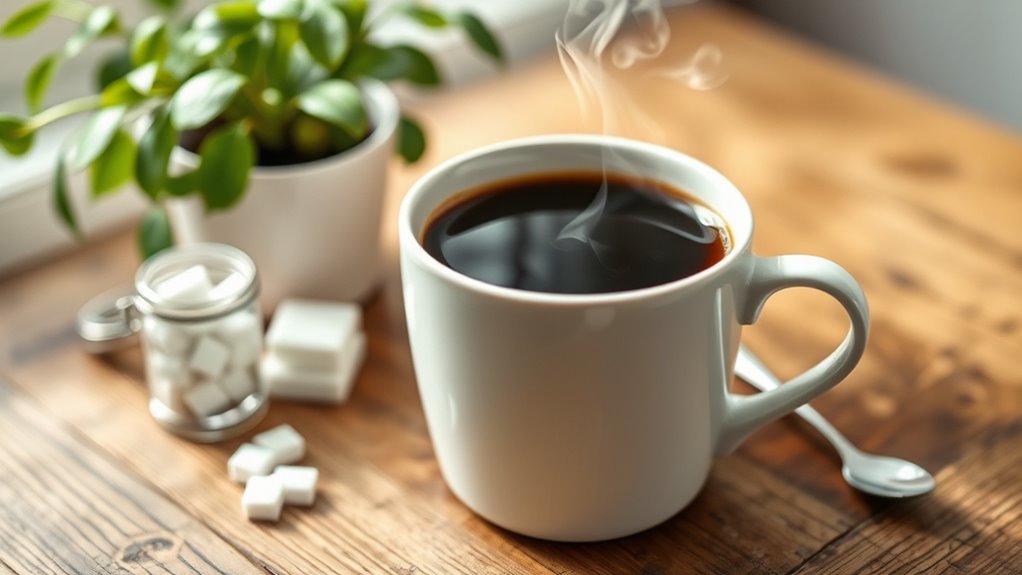
Although it’s often believed that coffee can boost weight loss, the truth is more nuanced. Coffee’s caffeine content temporarily increases calorie burning, helping your body burn more energy throughout the day. Additionally, caffeine acts as an appetite suppressant, making it easier to control your hunger and reduce calorie intake. However, drinking coffee alone isn’t a magic solution; it should complement a healthy diet and regular exercise. The effects are modest and vary from person to person. Too much coffee can lead to negative side effects, so moderation is key. While coffee can support weight management efforts, relying solely on it won’t lead to significant or lasting weight loss without other lifestyle changes.
6. Drinking Coffee Late in the Day Keeps You Awake

Have you ever noticed how drinking coffee late in the day can disrupt your sleep? Late night caffeine can interfere with your ability to fall asleep and reduce sleep quality. However, individual responses vary. To understand this better, consider these points:
- Timing matters: Consuming coffee too close to bedtime increases evening alertness, making it harder to wind down.
- Caffeine sensitivity: Some people metabolize caffeine faster, experiencing less impact from late night caffeine.
- Amount consumed: Larger doses prolong the stimulant effect, keeping you awake longer.
While late night caffeine can boost evening alertness temporarily, it often leads to poorer sleep. So, if you want restful sleep, avoid drinking coffee late in the day.
7. Coffee Is Addictive and Leads to Dependence

Many people develop a dependence on coffee because of its stimulating effects, which can lead to cravings and habitual consumption. However, addiction myths often exaggerate the risks, making it seem more severe than it really is. The dependency facts show that while caffeine can create a physical dependence, it’s not the same as drug addiction. Most people can break free easily if they choose to cut back. Regular coffee drinkers might experience withdrawal symptoms like headaches or fatigue, but these are temporary. Coffee isn’t inherently addictive in a harmful way for most individuals, and moderate consumption is generally safe. Understanding the difference between dependence and addiction helps you enjoy coffee without unnecessary worry about dependency.
8. Coffee Should Be Brewed Fresh Every Day

Brewed coffee tastes best when it’s fresh, which is why many experts recommend making a new pot each day. Fresh brewing ensures you enjoy ideal flavor and aromatic qualities, maintaining that vibrant, lively taste. Relying on daily freshness prevents the bitterness and flatness that develop as coffee sits. To maximize your coffee experience, consider these points:
- Brew only what you’ll consume within 30 minutes to preserve aroma and flavor.
- Store beans properly to maintain freshness for longer periods.
- Use clean equipment daily to avoid stale or off-flavors from residual oils.
9. Decaffeinated Coffee Is Completely Caffeine-Free
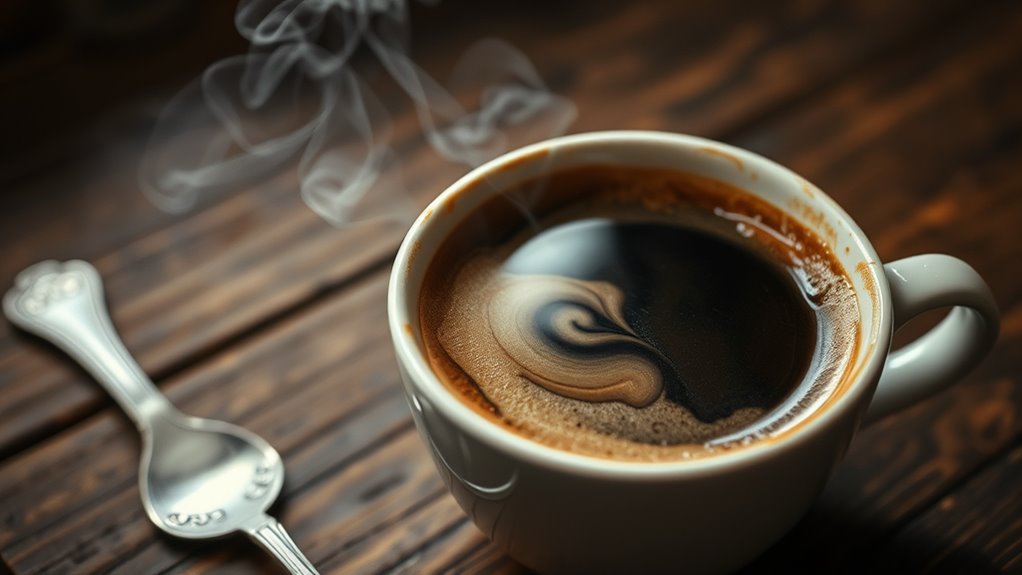
While brewing fresh coffee helps preserve its full flavor, it’s a common misconception that decaffeinated coffee is completely free of caffeine. Many decaffeinated myths suggest it contains no caffeine at all, but that’s not accurate. Decaffeinated coffee actually has a small amount of caffeine remaining, usually about 2-5 milligrams per cup, compared to 70-140 milligrams in regular coffee. The caffeine content varies depending on the decaffeination process used. So, if you’re sensitive to caffeine or trying to cut back, keep in mind that decaf isn’t entirely caffeine-free. It’s a myth that decaffeinated coffee provides a caffeine-free experience, but the amount is considerably lower, making it a suitable option for many seeking reduced caffeine intake.
10. Coffee Is Unhealthy When Consumed in Excess

Consuming too much coffee can lead to negative health effects, even though moderate intake offers benefits. Excessive consumption increases health risks such as insomnia, increased heart rate, and elevated blood pressure. To avoid these issues, it’s essential to follow consumption guidelines. Here are three key points to consider:
- Limit daily intake to around 3-4 cups to reduce health risks.
- Avoid drinking coffee late in the day to prevent sleep disturbances.
- Be mindful of added sugars and high-fat creamers, which can negate health benefits.
Overdoing it can strain your cardiovascular system and cause anxiety. While coffee has many benefits, sticking within recommended limits is vital to stay healthy and enjoy coffee safely.
Frequently Asked Questions
Does Coffee Actually Stunt Your Growth During Adolescence?
No, coffee doesn’t stunt your growth during adolescence. Growth concerns are common, but science shows caffeine isn’t linked to reduced height or adolescent health issues. Drinking coffee in moderation can be part of a healthy lifestyle, as long as you balance it with proper nutrition and sleep. So, enjoy your coffee without worrying about it impacting your growth; focus on overall healthy habits instead.
Is It True That Dark Roast Coffee Has More Caffeine Than Light Roast?
You might think dark roast coffee has more caffeine, but that’s a myth. In reality, roast level doesn’t substantially affect caffeine content; it’s more about roast flavor. Dark roast may taste stronger, but your body’s caffeine digestion remains similar regardless of the roast. So, whether you prefer light or dark, you get roughly the same caffeine boost, and your body processes it at a consistent rate.
Can Drinking Coffee Late at Night Still Keep You Awake?
Drinking coffee late at night can still keep you awake because it causes sleep disruption and affects caffeine absorption. The caffeine blocks your sleep-inducing chemicals, making it harder to fall asleep, even hours after your last sip. Everyone metabolizes caffeine differently, but generally, it stays in your system long enough to interfere with your sleep cycle. To avoid sleep issues, it’s best to cut off caffeine at least six hours before bedtime.
Is Decaffeinated Coffee Completely Free of Caffeine?
Decaffeinated coffee isn’t completely caffeine-free; it’s like a tiny caffeine ninja! Thanks to the decaffeination process, it typically contains about 1-3% of the original caffeine, but that still means a small amount sneaks in. So, if you’re super sensitive, it might affect you. Always check the caffeine content info on the packaging, because some brands keep more caffeine in their decaf than others!
How Much Coffee Is Considered Excessive and Unhealthy?
You should keep your daily coffee intake below 400 milligrams of caffeine, which is roughly four cups. Consuming more than this can lead to negative effects like insomnia, increased heart rate, and anxiety. Pay attention to your caffeine dosage, especially if you’re sensitive, and avoid excessive amounts to stay healthy. Moderation is key to enjoying coffee without risking your well-being.
Conclusion
So there you have it—your trusty coffee myths debunked. Turns out, your morning brew isn’t out to stunt your growth or turn you into a caffeine addict overnight. Instead, it’s more like a misunderstood hero, offering benefits when enjoyed responsibly. So go ahead, sip your coffee with confidence—just don’t blame it if you suddenly become the most productive person in the room. Cheers to finally knowing what’s true and what’s just coffee-fueled fiction!