TL;DR
Coffee-industry representatives and a home coffee creator describe growing interest in prosumer espresso equipment, linking it to pandemic-era home brewing, hands-on coffee rituals and more accessible professional-style features. The source provides anecdotal accounts and company-reported demand, but no market-wide sales data or figures that quantify the trend.
More home coffee drinkers are investing in prosumer espresso machines and accessories to recreate café-style drinks, according to La Marzocco Home global director Dave Bise and coffee creator Nick Lowery. Their accounts point to a shift from basic home brewing toward equipment and dedicated spaces that make coffee preparation a daily ritual and design choice, though the source offers no market-wide data to measure the trend.

Get coffee and tea gear delivered free with Prime
- Fast, free delivery on millions of items
- Prime Video, Amazon Music and more included
- Member-only deals all year
Bise said home espresso has expanded from a niche pursued by passionate coffee drinkers into a broader culture. He linked the change to people who discovered specialty coffee in cafés or while travelling and now want to reproduce that experience at home. In his account, buyers are investing in equipment with the same care they bring to choosing coffee outside the home.
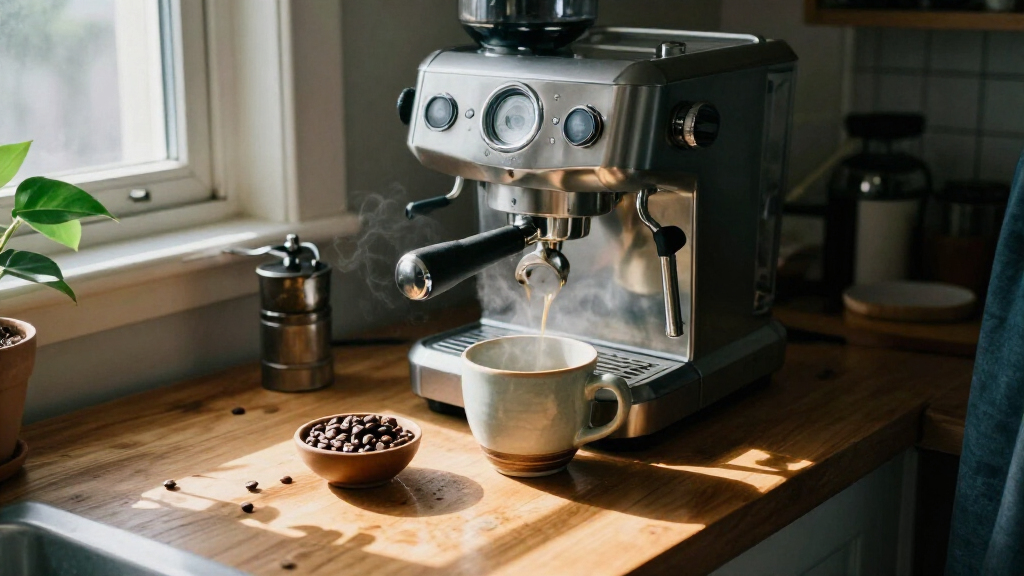
Lowery said his own move toward brewing at home began during the pandemic, when changes to everyday life in New York reduced his access to the coffee shops he enjoyed. He said the appeal includes selecting coffee producers and roasters, adjusting recipes to suit his taste and making coffee as part of his morning routine. What began as a practical response, he said, developed into a deeper hobby.
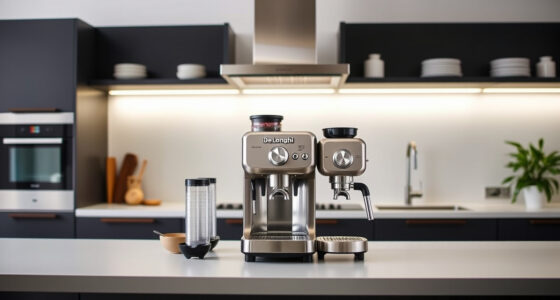
The equipment can include espresso machines, grinders, scales, milk pitchers and knock boxes. Lowery said some features once associated with higher-end machines, including PID temperature control and dual boilers, are appearing at more accessible prices. He also said large-burr, single-dose grinders that once cost thousands of dollars have become available in the mid-hundreds. Those price comparisons are his description; the source does not provide product-by-product data or a dated market survey.
Why More Home Brewers Choose Prosumer Machines
Coffee voices describe growing interest in café-style equipment for home. Their accounts point to changing habits, but do not measure the wider market.
What draws buyers in
Interviewees describe a mix of practical and personal appeal.
Make it your way
Choose beans, adjust recipes and shape each drink to personal taste.
Hands-on mornings
Dialling in espresso, steaming milk and pouring latte art turn coffee into a focused daily activity.
A coffee station
Some enthusiasts treat machines and accessories as visible parts of the kitchen.
A shift in how coffee is made
The speakers connect pandemic-era home brewing with a broader interest in craft and café experiences.
Specialty coffee and travel prompt interest in recreating café drinks at home.
Pandemic changes to daily life led one creator to explore making coffee at home.
Equipment, experimentation and a daily routine can make brewing an ongoing pursuit.
More features within reach
A creator says professional-style tools are becoming more accessible.
- Espresso machines and grinders
- Scales, milk pitchers and knock boxes
- PID temperature control and dual boilers
- Large-burr, single-dose grinders
What the evidence can show
Company-reported demand and interview accounts describe interest, not its market-wide scale.
- No market-wide sales figures or consumer survey are provided.
- No typical ownership cost or café-drink payback period is established.
- Dated sales data and independent buyer research would clarify the trend.
From Kitchen Counter to Coffee Bar
The trend matters because buying a prosumer machine can change more than the quality or style of a drink: it can make coffee preparation a repeated, hands-on activity at home. Bise described dialing in espresso, steaming milk and pouring latte art as tasks that require attention. Lowery similarly framed brewing as a way to connect with the beans and roasters he chooses.
It also connects coffee equipment with home design. The source describes coffee bars and carefully arranged stations appearing alongside social-media content about home cafés. That suggests some buyers see machines and accessories as visible parts of a kitchen, as well as tools. The accounts do not establish how widespread this design shift is, but they show how enthusiasts and brands describe the appeal.
Cost is another part of the case for buying equipment. Lowery compared the expense of making drinks at home with café drinks priced at £6–7, including tax and tip. He argued that the arithmetic can make home specialty coffee attractive. The source does not specify how many drinks, how long a machine lasts, or the full cost of beans, maintenance and other equipment, so it cannot establish a typical payback period.
Products Worth Considering

Ninja Foodi Smart XL 6-in-1 Indoor Grill and Air Fryer, 4 Qt, FG551

Vitamix 5200 Blender with 64 oz. Container, Black

Vitamix Nano Personal Blender with SmoothiePilot, Black
As an affiliate, we earn on qualifying purchases.
How Home Espresso Gained Ground
The source places the change over the past several years, rather than tying it to a single product launch or sales announcement. Bise described home espresso as having moved beyond a small group of enthusiasts. Lowery attributed part of the wider interest to the pandemic, when coffee-making knowledge that had circulated in niche forums became more visible through online content.
Both speakers also point to motives that are not purely financial. Lowery said people are drawn to craft and to a tangible connection with what they consume in a digital world. Bise described espresso preparation as a small act of craftsmanship. These are explanations offered by the interviewees, not findings from independent consumer research in the supplied material.
La Marzocco, a professional coffee-equipment company whose largest customers are cafés and restaurants, is also selling a home range. Bise said demand for La Marzocco Home products has grown and that its buyers now include more design-conscious consumers, not just coffee professionals. The source gives no sales totals, dates for the comparison, or independent data to show whether this experience reflects the wider market.
“Over the past few years, we’ve watched home espresso go from a niche group of passionate coffee drinkers to a much larger culture of its own.”
— Dave Bise, global director at La Marzocco Home
How Broad Is the Buying Shift?
The source does not include industry sales figures, a survey of home brewers, or a comparison of machine purchases over a stated period. It is therefore not possible to determine how many households are buying prosumer equipment, how quickly the category is growing, or whether the accounts reflect a wider market or a particularly engaged group of consumers.
It also does not provide specific prices for the machines discussed, independent testing of their features, or a full calculation of ownership costs. The claimed savings compared with café drinks will depend on the equipment chosen, how often it is used, and ongoing costs such as coffee, cleaning and repairs. No specific forecast or next sales milestone is identified.
What Buyers and Brands May Watch
The next useful evidence would be dated sales data from manufacturers and retailers, alongside independent research on who is buying home espresso equipment and how often they use it. Clear comparisons of machine prices, features and maintenance costs would also help consumers judge whether a prosumer setup suits their needs.
For now, the development described by Bise and Lowery is a shift in consumer interest: more home brewers want café-style preparation, equipment that supports experimentation and a coffee setup that fits their home. Whether that interest continues to translate into broader sales growth remains unconfirmed in the source material.
Key Questions
What is a prosumer coffee machine?
In this report, a prosumer setup means home equipment aimed at people seeking more control and café-style preparation. It can include an espresso machine, grinder, scales and milk-preparation tools. The source does not give a formal industry definition.
Why are some home brewers choosing this equipment?
Interviewees cited the ability to recreate café drinks, choose particular beans and roasters, adjust recipes and make coffee preparation a daily hands-on ritual. Some also value how a dedicated coffee station looks in the home.
Are prosumer machines cheaper than buying coffee at cafés?
Lowery argued that making specialty drinks at home can compare favourably with café drinks he priced at £6–7, including tax and tip. The source does not provide a full cost calculation, so savings depend on machine price, use, coffee and upkeep.
Is there evidence that prosumer machine sales are rising across the industry?
The source reports Bise’s statement that demand for La Marzocco Home has grown, but gives no sales totals or industry-wide figures. It does not establish the scale of growth across other brands or the overall market.
Source: livingetc.com